Smart Money Tips for Everyday Life
Smart Cent Guide
Browse articles in Smart Cent Guide on Smart Cent Guide
Latest guides
Practical money moves you can make this week.

Mortgage Points: When Buying Down Your Rate Pays Off
Mortgage points are one of those “sounds smart, feels confusing” line items you will see on a Loan Estimate. And to be fair, points can be a great move. They can also be an expensive way to prepay interest you will never actually owe if you sell or refinance sooner than you think. Let’s make this...
Read more →
FHA vs Conventional Loan: What to Compare Beyond the Down Payment
If you are buying your first home, it is tempting to reduce the decision to one headline: FHA is 3.5% down and conventional is 5% to 20% down . Real life is messier. And to be clear, that conventional headline is not always true. Some first-time buyer conventional programs go as low as 3% down . I...
Read more →
Parent PLUS Loans: Repayment, Consolidation, and Refinancing
Parent PLUS loans can feel uniquely stressful because the debt is in the parent’s name, but the degree is in the student’s hands. I get it. The bills show up in your mailbox, your credit is on the line, and you are trying to do right by your kid without torching your own retirement. This guide...
Read more →
Teacher Loan Forgiveness vs PSLF: Which One Fits?
If you are a teacher with federal student loans, you have two big forgiveness programs staring you down: Teacher Loan Forgiveness (TLF) and Public Service Loan Forgiveness (PSLF) . They sound similar. They are not. I have talked to a lot of educators who assume they will “just apply later” and...
Read more →
Splitting Rent and Bills With Roommates
Money stuff gets weird with roommates for one reason: you are mixing friendship (or basic politeness) with real numbers and real deadlines. The good news is you do not need a perfect system. You need a clear system that everyone understands, agrees to, and can actually follow when life gets busy....
Read more →
Payday Loans vs Personal Loans
If you are staring down an urgent bill, it is easy to think, “I just need cash. I will figure the rest out later.” I have been there. The problem is that “later” is exactly where high-cost debt tends to get dangerous. Payday loans and personal loans are both forms of borrowing, but they live in...
Read more →
How to Save Money on Prescription Medications
When I was digging out of debt, nothing spiked my stress like an unexpected pharmacy total. The frustrating part is that the price you pay for the exact same medication can change based on the pharmacy, your insurance rules, the coupon you use, and even which dose is in stock. This guide is about...
Read more →
Missed a Credit Card Payment? Here’s What Happens Next
First, take a breath. A missed credit card payment feels like a financial alarm bell, but in most cases you can limit the damage quickly if you act today. The key is knowing what happens when and what moves the needle the most: getting the account current before it becomes 30 days past due and can...
Read more →
APR vs APY: What They Mean and Why They Matter
APR and APY are two of the most important acronyms in personal finance, and also two of the easiest concepts to mix up. If you have ever wondered why a loan quote and a savings rate don’t “feel” like they work the same way, this is the reason. Here’s the simple takeaway: APR is mainly about what...
Read more →
How to Dispute Credit Report Errors
Finding an error on your credit report can feel personal, like your finances are being judged by a messy file you did not even create. The good news is that disputing credit report errors is usually very doable if you stay organized, keep copies, and follow a clear process. This guide walks you...
Read more →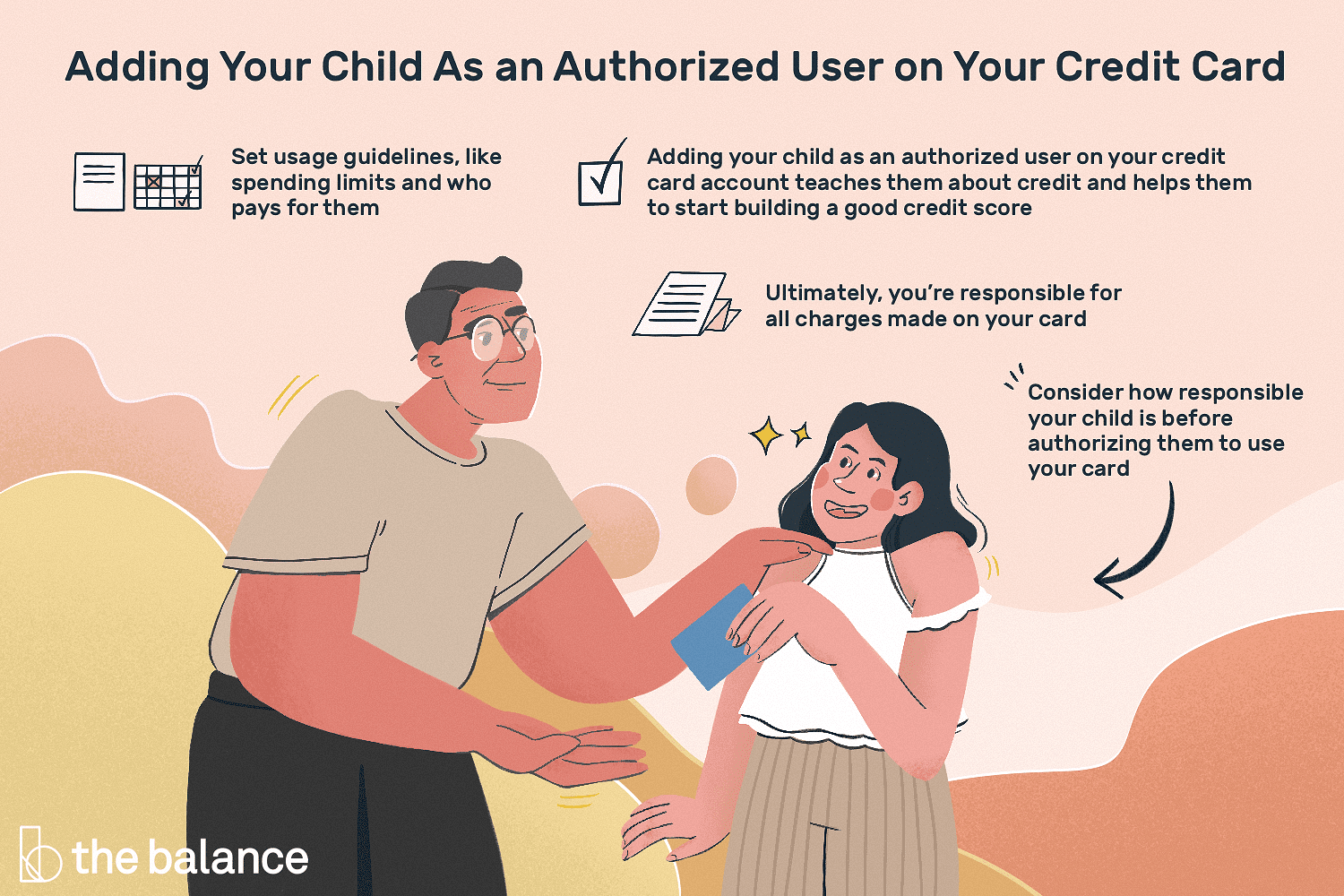
Authorized User vs Joint Credit Card Account
If you are trying to build credit as a couple, help a teenager start a credit history, or just simplify household spending, you will run into two similar sounding options: adding someone as an authorized user or opening a joint credit card account . They can both put the same card in two wallets,...
Read more →
How to Calculate Your Net Worth
Net worth sounds like something reserved for celebrities and CEOs, but it is really just a snapshot of your financial life today. Think of it as a personal “scoreboard” that tells you whether your money is moving in the right direction. And if you have debt, you are not disqualified. When I was...
Read more →
Dependent Care FSA vs Child and Dependent Care Credit
If you pay for childcare so you can work, you have two big tax breaks to look at: a Dependent Care FSA (DCFSA) through your employer and the Child and Dependent Care Credit (CDCC) on your tax return. They sound similar because they both reward the same thing: paying for care so you can earn income....
Read more →
401(k) Loan vs Hardship Withdrawal
If you are staring down a big expense and your bank account is not cooperating, your 401(k) can feel like the easiest button to press. I get it. When I was climbing out of $60,000 of debt, the temptation to “just borrow from future me” was very real. But a 401(k) loan and a hardship withdrawal are...
Read more →
I Bonds vs High-Yield Savings: When I Bonds Make Sense
If you have cash you want to keep safe, your first instinct is probably a high-yield savings account (HYSA). That is usually a great instinct. But Series I Savings Bonds (I Bonds) are one of the few “boring” products that can be genuinely useful in the real world, especially when inflation is doing...
Read more →
Lease vs Buy a Car: Cost, Mileage, and Exit Risks
If you are stuck between leasing and buying, you are not alone. On paper, leasing looks like the cheaper monthly option, and buying looks like the “adult” option. In real life, both can be smart or expensive depending on your driving habits, how long you keep cars, and how much flexibility you...
Read more →
Refinancing Federal Student Loans vs Keeping Them
Refinancing federal student loans is one of those money moves that sounds obviously smart until you read the fine print: you can potentially score a lower interest rate, but you also permanently trade away a whole set of federal protections. And I mean permanently. Once a federal loan becomes a...
Read more →
Estimated Quarterly Taxes for Freelancers
If you have a W-2 job, taxes mostly happen in the background. Your employer withholds money from each paycheck, sends it to the IRS, and you settle up at tax time. Freelancing and side gigs are different. When you are self-employed, no one is withholding taxes for you . So the IRS expects you to...
Read more →
Mega Backdoor Roth: How It Works and the Catch
If you have ever looked at the annual 401(k) limit and thought, that is it? The mega backdoor Roth is the strategy people are talking about when they say they are getting tens of thousands more into Roth every year. It is powerful, legal under current IRS rules, and very plan-dependent. Meaning:...
Read more →
How to Remove PMI (and How Much You Can Save)
PMI can feel like you are paying a monthly penalty for being a first-time homeowner. The good news is that for most conventional loans, PMI is designed to fall off once you have enough equity. The tricky part is that it does not always happen the moment you think it should. Below is the no-drama...
Read more →