
If you have ever told yourself, “I should be saving more,” but the idea of picking a number feels intimidating, the 52-week money challenge is a great on-ramp. It’s simple, structured, and forgiving enough to fit into real life with a few tweaks.
Here is the core idea: you save a small amount in week 1, a slightly larger amount in week 2, and you keep climbing until week 52. By the end of the year, you’ve built a healthy savings cushion without needing a dramatic lifestyle overhaul.
How it works
The classic version is a savings ladder:
- Week 1: Save $1
- Week 2: Save $2
- Week 3: Save $3
- …and so on…
- Week 52: Save $52
If you complete it exactly, you save:
- $1 + $2 + … + $52 = $1,378 total
That’s enough to cover a lot of “life happens” moments, like a car repair deductible, a broken appliance, or a few months of higher grocery bills.
Where to keep the money
I recommend keeping challenge savings in a place that is:
- Separate from checking so you don’t casually spend it
- Easy to access if it’s meant for emergencies
- Still earning interest if possible
A high-yield savings account is a solid default for most people. If you’re saving for a specific near-term goal (like a holiday fund), a separate savings “bucket” or sub-account works great too.
52-week savings chart
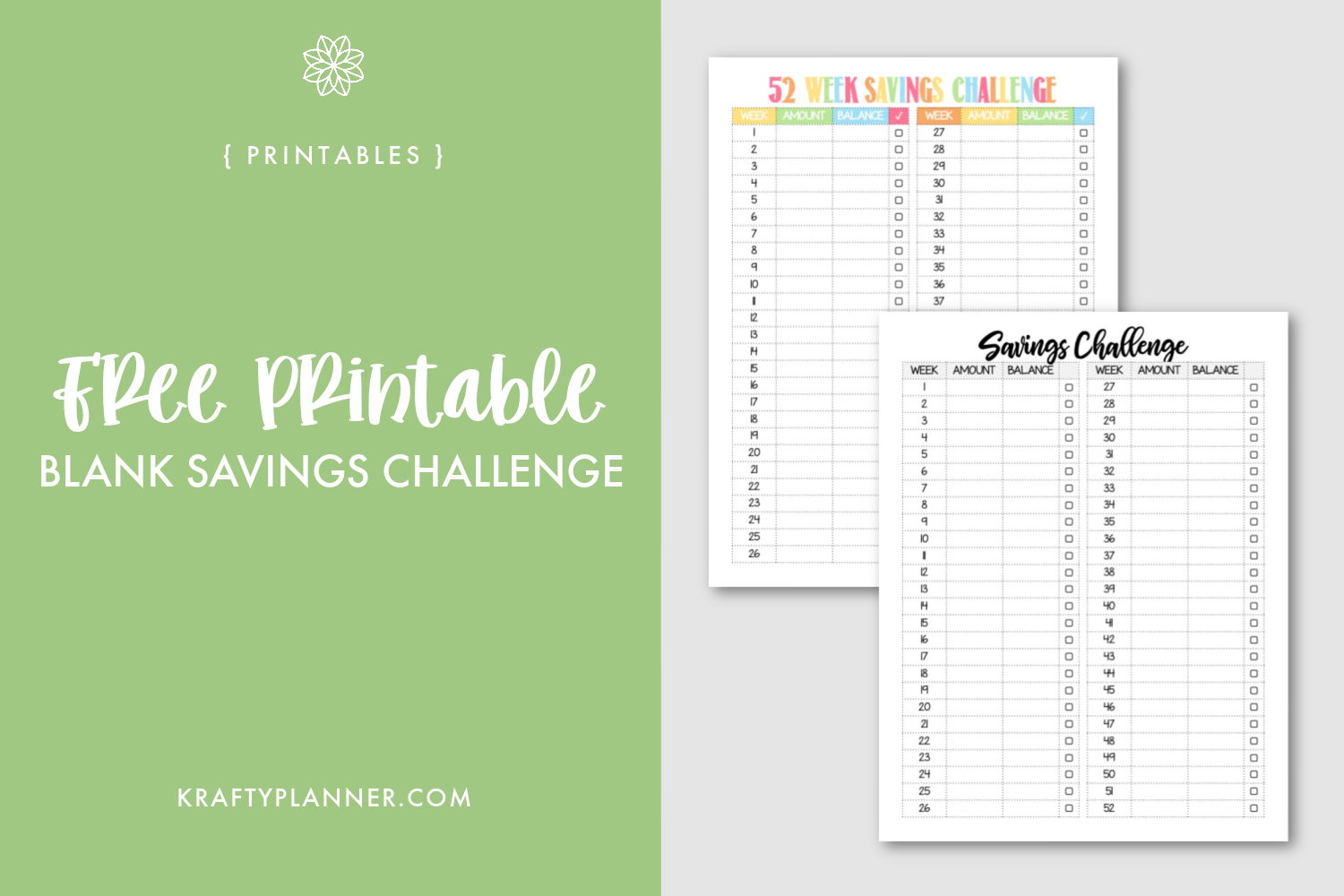
The full week-by-week list is helpful, but a 52-line bullet list is a lot of scrolling, especially on mobile. Here’s the same information in a quick table format you can screenshot, bookmark, or copy into your notes app.
Tip: If you want a printable checklist, you can turn this into a one-page tracker in a doc and add checkboxes, or save a screenshot of the table and mark it up as you go.
Weeks 1 to 52 (table)
| Week | Save | Week | Save | Week | Save | Week | Save |
|---|---|---|---|---|---|---|---|
| 1 | $1 | 14 | $14 | 27 | $27 | 40 | $40 |
| 2 | $2 | 15 | $15 | 28 | $28 | 41 | $41 |
| 3 | $3 | 16 | $16 | 29 | $29 | 42 | $42 |
| 4 | $4 | 17 | $17 | 30 | $30 | 43 | $43 |
| 5 | $5 | 18 | $18 | 31 | $31 | 44 | $44 |
| 6 | $6 | 19 | $19 | 32 | $32 | 45 | $45 |
| 7 | $7 | 20 | $20 | 33 | $33 | 46 | $46 |
| 8 | $8 | 21 | $21 | 34 | $34 | 47 | $47 |
| 9 | $9 | 22 | $22 | 35 | $35 | 48 | $48 |
| 10 | $10 | 23 | $23 | 36 | $36 | 49 | $49 |
| 11 | $11 | 24 | $24 | 37 | $37 | 50 | $50 |
| 12 | $12 | 25 | $25 | 38 | $38 | 51 | $51 |
| 13 | $13 | 26 | $26 | 39 | $39 | 52 | $52 |
Easy ways to modify it
Here is the truth: the classic ladder is cute, but real budgets aren’t always “cute.” The best version is the one you’ll actually finish.
1) Reverse order
If you start the challenge in a season where you have more breathing room, reverse it:
- Week 1: $52
- Week 2: $51
- …
- Week 52: $1
This can feel much easier during the holidays or back-to-school season because you’re not trying to squeeze $45 to $52 out of an already expensive month.
Who this works well for: people who get a tax refund , annual bonus, or who want the “hard part” done early.
2) Flat weekly amount
If you’d rather not think about it each week, pick one number and repeat it.
To match the classic $1,378 total, divide by 52:
- $1,378 ÷ 52 = $26.50 per week
You can round down or up:
- $25/week = $1,300/year
- $27/week = $1,404/year
- $30/week = $1,560/year
Who this works well for: people who like autopilot budgeting or get paid on a consistent schedule.
3) Catch-up weeks
If your income swings (gig work, sales, seasonal work, tipped jobs), a rigid week-by-week ladder can be frustrating. Instead, build in catch-up weeks on purpose.
Two simple options:
- Option A: Every 4th week is a catch-up week. You either save the scheduled amount if you can, or you use it to make up anything you missed in the prior three weeks.
- Option B: Two catch-up weeks each quarter. Mark 8 total weeks on your calendar as “buffer weeks” and use them to get back on track.
If you’re a visual person, label the catch-up weeks on a printed list or in your calendar app so it feels planned, not like you’re “failing.”
Who this works well for: anyone with irregular paychecks or high-expense seasons (car insurance renewals, travel months, etc.).
Make it automatic
The easiest way to complete the challenge is to reduce the number of decisions you have to make.
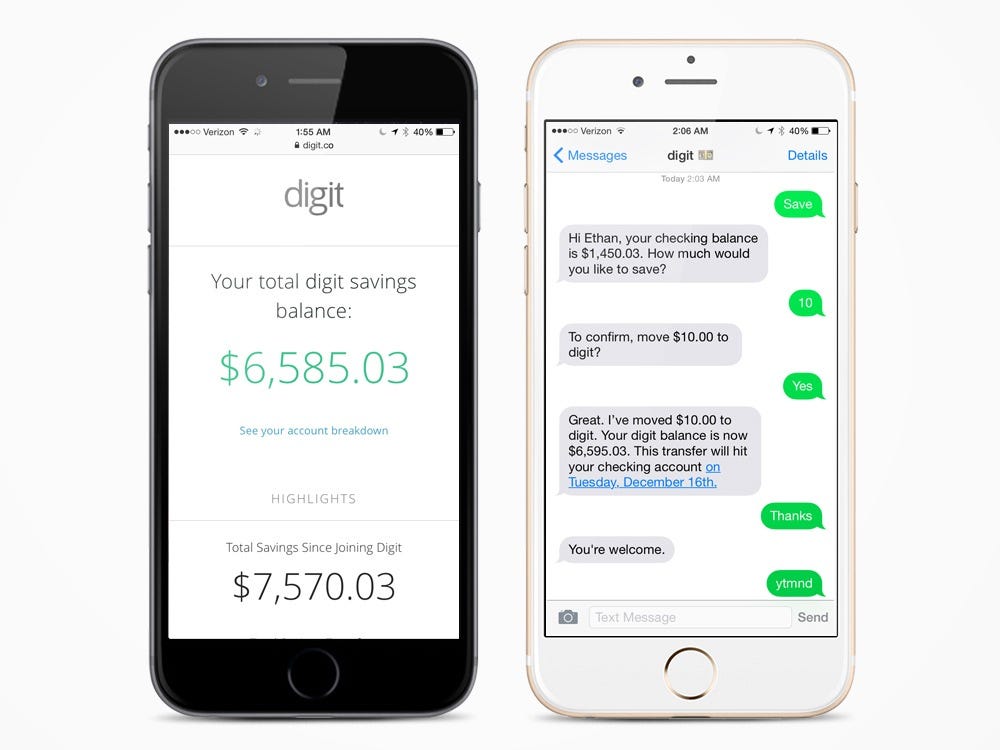
Set up automated transfers
- Weekly transfer: Best if you’re doing the classic ladder or a flat weekly amount.
- Per paycheck transfer: If you get paid every two weeks, you can save two weeks at a time (example: week 7 + week 8 = $15).
- Round-up savings: Some banks let you round purchases up to the nearest dollar and sweep the difference into savings. It won’t replace the challenge, but it can make the later weeks feel easier.

If you miss a week
Missing a week is normal. Quitting is optional.
Use a simple recovery plan
- Plan 1: Double up next week. Missed week 18 ($18)? Add it to week 19 ($19) and save $37 next week.
- Plan 2: Use your catch-up week. If you set buffer weeks, this is exactly what they’re for.
- Plan 3: Reset the ladder. If later weeks feel too heavy, restart at a lower rung (like $10) and keep moving. Consistency beats perfection.
Avoid common derailers
- Don’t keep the money in checking. It’s too easy to “borrow” from it.
- Pick one purpose. Emergency fund , holiday fund, car fund. When the goal is fuzzy, motivation is fuzzy.
- Make it visible. Put the weekly chart on your fridge, planner, or inside your budgeting notebook.
If you’re doing this challenge while paying off debt, that’s totally fine. I did both at the same time. Just keep the amounts realistic. Your budget should support your life, not punish it.
Quick start
- Choose your version: classic, reverse, flat, or catch-up
- Pick your savings account (preferably separate from checking)
- Schedule your transfers (weekly or per paycheck)
- Track progress with the table above
- If you miss a week, use a recovery plan and keep going
Done right, the 52-week money challenge isn’t about squeezing every dollar. It’s about building the habit of paying yourself first, one small win at a time.