Smart Cent Guide
Banking & Accounts
Comparisons and guides on financial products, focusing on finding the best high-yield savings accounts, CD rates, and everyday banking options.

Abstract Is Shutting Down: What Users Need to Do Before Dec. 15, 2026
If you have any funds sitting on Abstract, stop what you’re doing and make a plan to move them. Abstract, a prominent Ethereum Layer-2 network built for “consumer crypto” apps, has officially announced it’s winding down operations. The biggest takeaway for everyday users is simple: Abstract has...
Read more →
VA Loan Income Requirements
If you are using a VA loan, there is no single “minimum income” number that automatically qualifies you. Instead, VA lenders look at whether your income is stable , verifiable , and enough to cover your new housing payment plus everyday living expenses . That last part is a big deal with VA loans....
Read more →
VA Home Loan Benefits
If you are eligible, a VA home loan is one of the most powerful money tools the military benefit system offers. It is not “free housing” and it is not a shortcut around good financial habits. But it can remove two of the biggest barriers to buying a home: a giant down payment and expensive monthly...
Read more →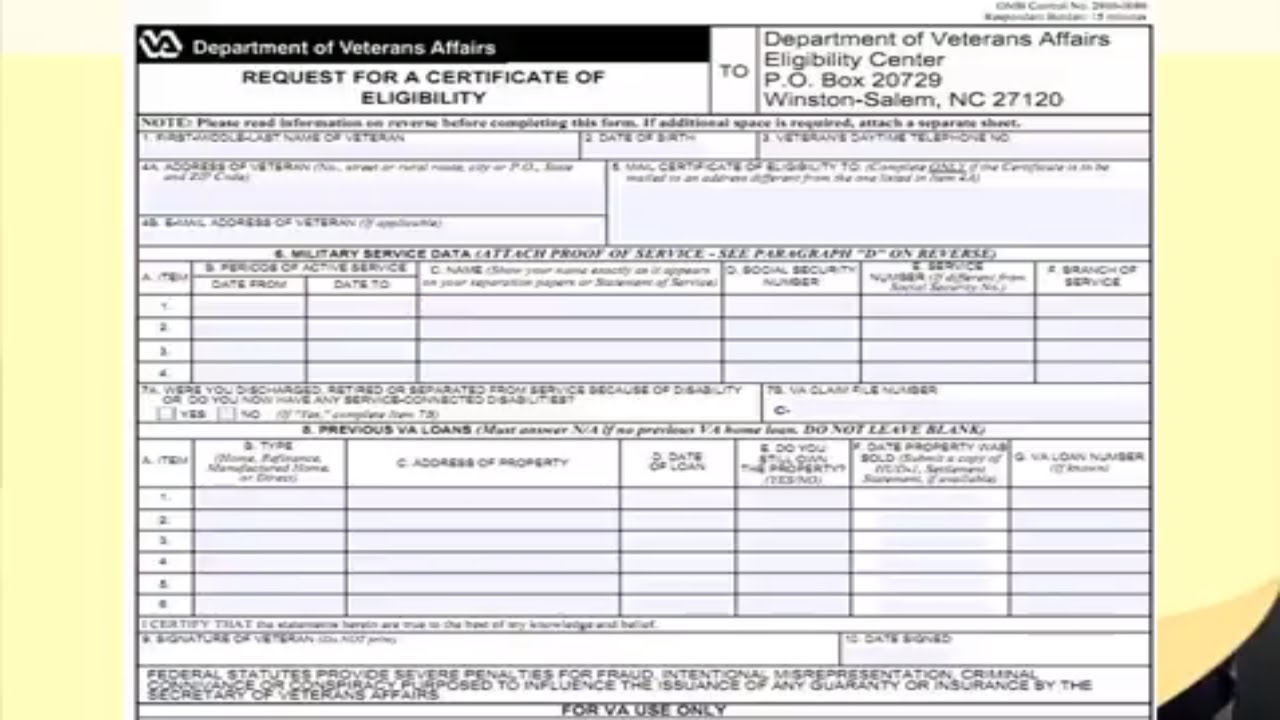
VA Loan Eligibility Requirements
VA home loans are one of the most borrower-friendly ways to buy a home, thanks to perks like 0% down options, no monthly mortgage insurance, and competitive rates. But the VA does not hand out eligibility automatically. You qualify based on your military service history (or your spouse’s), your...
Read more →
Stepped-Up Basis at Death: What Heirs Inherit for Taxes
When someone dies, their loved ones are usually focused on the emotional side of things, not spreadsheets and tax forms. But there is one tax concept that can save heirs thousands of dollars if it is handled correctly: stepped-up basis . In plain English, stepped-up basis often means this: when you...
Read more →
Home Possible vs HomeReady: Which 3% Down Conventional Loan Fits You?
If you have been saving like crazy and you are finally close to buying, a 3% down conventional loan can feel like the finish line. Two of the biggest options are Fannie Mae HomeReady and Freddie Mac Home Possible . They look almost identical on the surface, but the details matter, especially around...
Read more →
Net Unrealized Appreciation (NUA) and Company Stock in a 401(k)
If you have employer stock inside your 401(k), there is a niche tax rule that can be a big deal: Net Unrealized Appreciation (NUA) . In plain English, NUA is the growth of your company stock inside the plan, and it may be eligible for long-term capital gains treatment instead of getting taxed like...
Read more →
FICO vs VantageScore: Which Lenders Use Which, and Why Your Scores Differ
If you have ever checked a “free credit score” in an app and then applied for a loan, you might have felt personally attacked by the number the lender used. One minute you’re a 742. The next you’re a 706. You didn’t suddenly become “bad with money.” You’re just looking at different credit scoring...
Read more →
Jumbo Loans in 2026: Down Payment, Rates, and Qualifying Rules
When your home price creeps above the conforming loan limit, the mortgage world changes fast. Suddenly you are hearing phrases like “jumbo,” “reserves,” and “asset depletion,” and it can feel like you need a finance degree to decode your lender’s email. Let’s make this simple. A conventional jumbo...
Read more →
VA IRRRL Eligibility and When It Pays
If you have a VA home loan and rates have dropped, a VA IRRRL (Interest Rate Reduction Refinance Loan) can be one of the simplest ways to lower your monthly payment. The “streamline” part is real: many IRRRLs require limited documentation, sometimes no appraisal, and often move faster than a...
Read more →2026 Conforming Loan Limits: What They Mean for Your Mortgage
Conforming loan limits affect how much you can borrow with a conventional mortgage that meets Fannie Mae and Freddie Mac guidelines. Each year, the Federal Housing Finance Agency (FHFA) updates these limits based on home price trends. The 2026 conforming loan limits will shape borrowing options for...
Read more →
HECM Reverse Mortgages Explained
If you are 62 or older and house-rich but cash-flow tight, a reverse mortgage can sound like the perfect solution: stay in your home and tap your equity without a monthly mortgage payment. But the fine print matters a lot. A Home Equity Conversion Mortgage, or HECM, is the most common reverse...
Read more →
Seller Financing a Home: How a Private Mortgage Works
Seller financing, also called a carryback or owner financing , is when the seller extends credit to the buyer instead of the buyer getting a traditional purchase mortgage from a bank. Instead of Wells Fargo or Rocket holding the loan, the seller becomes the bank and you pay them each month. That...
Read more →
HELOC vs Home Equity Loan in 2026
When you hear “tap your home equity,” what you are really choosing is a type of risk and a type of flexibility . In 2026, that choice matters more than it did a few years ago because many borrowers are still adjusting to higher interest rate environments, tighter underwriting, and the very real...
Read more →
Bank Account Bonuses: Taxes, 1099s, and Fine Print
Bank account bonuses are one of my favorite “low-effort” money moves. You do a few steps, you get a payout, and you move on with your life. But right now, the math is not just “bonus minus your time.” You also need to factor in taxes, direct deposit fine print, monthly fee traps , and the...
Read more →
Home Equity Sharing vs HELOC
If you have equity in your home, you generally have two common ways to turn that equity into cash: you can borrow against it (a HELOC is the classic option), or you can share a slice of your home’s future value change with an investor (a home equity sharing agreement, sometimes called a shared...
Read more →
Wire Transfer vs ACH for Your Home Closing
When you are a few days from getting the keys, the money part can suddenly feel way more stressful than the inspection or the appraisal. That is usually because your contract has a hard date, your lender has their own funding timeline, and your bank has cutoff times that do not care that you are...
Read more →
Mortgage Assumption: Taking Over an FHA, VA, or USDA Loan
If you have been house hunting lately, you already know the pain: today’s mortgage rates can make a perfectly affordable home feel out of reach. That is why mortgage assumption has quietly become one of the most powerful tools in a high-rate market. A mortgage assumption is when a buyer takes over...
Read more →
Seller Concessions and Seller-Paid Closing Costs by Loan Type
Seller concessions can feel like the closest thing to “free money” in a home purchase. But lenders treat them like something highly regulated. There are caps, documentation rules, and appraisal landmines that can turn a well-meaning request into a last-minute underwriting headache. Let’s break down...
Read more →
Closing Disclosure Line by Line
The Closing Disclosure, or CD, is the document that answers one big question: exactly how much money is leaving your bank account on closing day , and where every dollar is going. If you are anything like I was with money paperwork, your brain wants to glaze over and just trust the pros. Do not....
Read more →