Smart Money Tips for Everyday Life
Smart Cent Guide
Browse articles in Smart Cent Guide on Smart Cent Guide
Latest guides
Practical money moves you can make this week.

Employer Student Loan Repayment Benefits
If your employer offers student loan repayment help, you are staring at one of the rare “free-ish” money perks that can move the needle fast. The tricky part is that the details matter. The way the benefit is structured affects your taxes, your monthly payment strategy, and even how cleanly things...
Read more →
Goodwill Letters for Late Payments
If you have a late payment on your credit report that is accurate , a dispute is usually not the right tool. A dispute is intended for errors, and if the late mark is correct, it is unlikely to help. But you still have one legitimate option that sometimes works: a goodwill letter . A goodwill...
Read more →
Financial Aid Appeal Letter: How to Ask for More Aid
A disappointing financial aid offer can feel personal, but most of the time it is simply paperwork, timing, and school policy. Schools build your package using the information they have at the moment and within their budgets and rules. If your situation has changed or your FAFSA does not reflect...
Read more →
Mortgage Recast vs Refinance
If your goal is simply to lower your monthly mortgage payment, you usually have two common paths for lowering the required principal-and-interest (P&I) payment: recast your existing loan or refinance into a new one. When I was digging out of debt, I learned a lesson the hard way: the “best” move on...
Read more →
HELOC vs Cash-Out Refinance (2026): Costs, Risks, and Tax Rules
If you have home equity, you have a few levers you can pull when you need cash. Two of the most common are a HELOC (home equity line of credit) and a cash-out refinance . Both let you convert equity into spendable dollars, but they do it in very different ways. And in 2026, those differences matter...
Read more →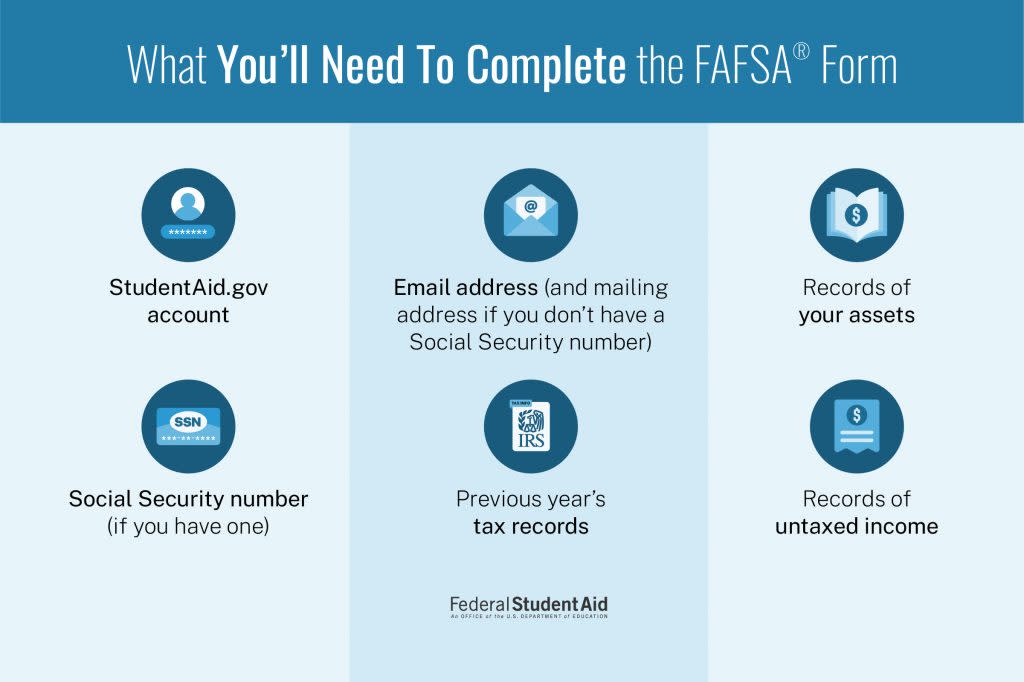
TPD Discharge for Federal Student Loans
If your health has made it impossible to work, student loans can feel like a cruel extra weight. Total and Permanent Disability (TPD) discharge is a real federal program that can wipe out eligible federal student loans, but the process has rules and paperwork that are easy to mess up when you are...
Read more →
403(b) vs 401(k): How to Choose
If you work in education or a nonprofit, you have probably heard people toss around “401(k)” like it is the default retirement plan. But in many school districts, universities, hospitals, and charities, the plan you actually get offered is a 403(b) . On paper, 403(b)s and 401(k)s look very similar....
Read more →
Borrower Defense to Repayment: How to Apply and What Evidence Counts
If you feel like your school lured you in with promises that were not true, Borrower Defense to Repayment might be the federal student loan safety valve you have been looking for. In plain English, it is a process that can wipe out some or all of your federal student loans if your school misled you...
Read more →
The Minimum Payment Trap: How Long Credit Card Debt Really Takes
If you've ever looked at your credit card statement and thought, “Okay, I can swing the minimum,” you're not alone. Minimum payments are designed to feel doable. The problem is that “doable” and “debt-free” aren't the same thing. I learned that the hard way in my 20s, when I was juggling student...
Read more →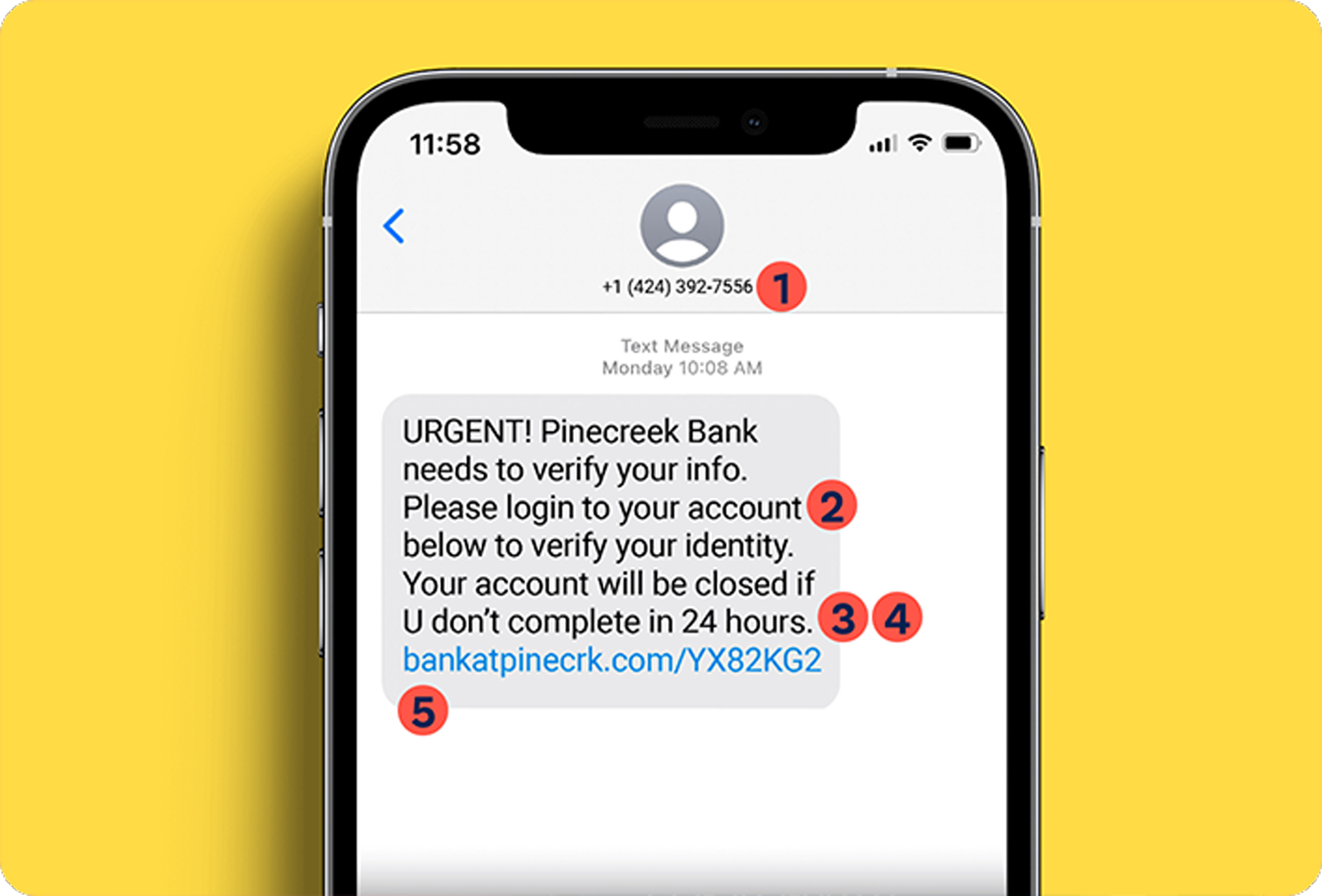
How to Spot a Bank Scam Email or Text
If you have ever gotten a text that says “Fraud alert: confirm this charge now” or an email that claims your account is locked, you are not alone. Scammers copy bank logos, use urgent language, and try to create just enough panic that you click before you think. Here is the simple rule I live by:...
Read more →
Checking vs Savings Account: What Each Should Be For
If you’ve ever wondered, “Why do I even need two bank accounts?” you’re not alone. When I was digging out of debt, I used to treat my checking account like a catch-all bucket: bills, spending money, random savings, everything. That worked until it didn’t. One unexpected expense, one overdraft, and...
Read more →
Renters Insurance: Coverage, Cost, and How to Buy the Right Policy
When I was clawing my way out of debt, I used to side-eye any bill that wasn’t “strictly necessary.” Renters insurance was one of those things I assumed I could skip. Then I watched a friend replace a laptop, a couch, and half their wardrobe after a water leak, all while trying to keep up with...
Read more →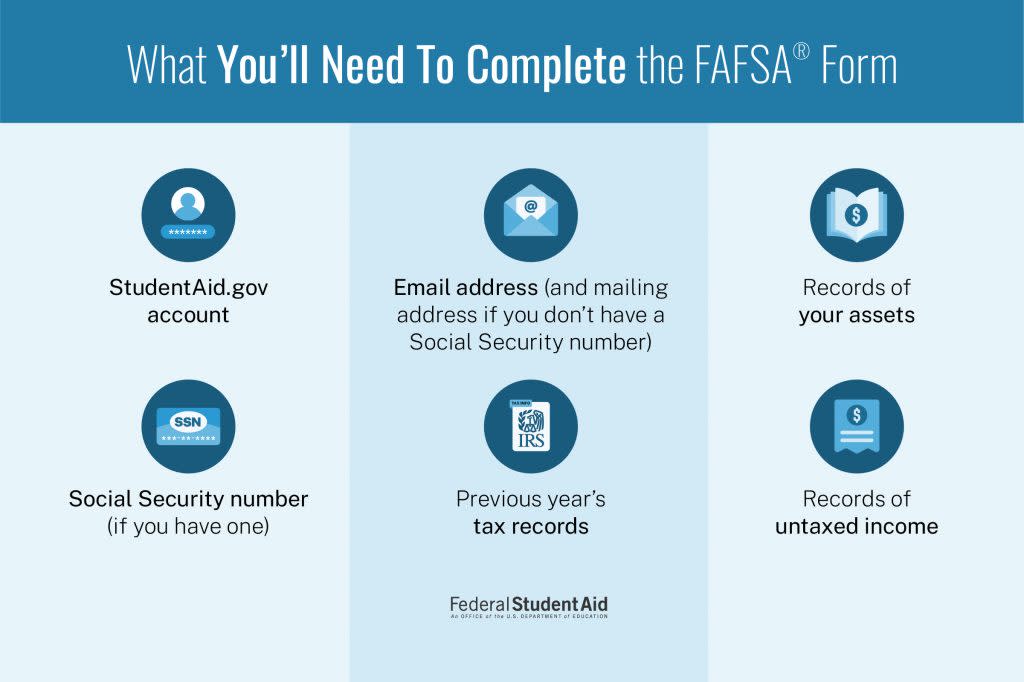
FAFSA 2026 Deadlines, Documents, and Mistakes That Delay Aid
If paying for college feels like a maze, you are not alone. The FAFSA is one of those forms that sounds simple until you are in the middle of it, bouncing between logins, tax info, and “contributor” invites. The good news is that most FAFSA delays are predictable, and with a little prep you can...
Read more →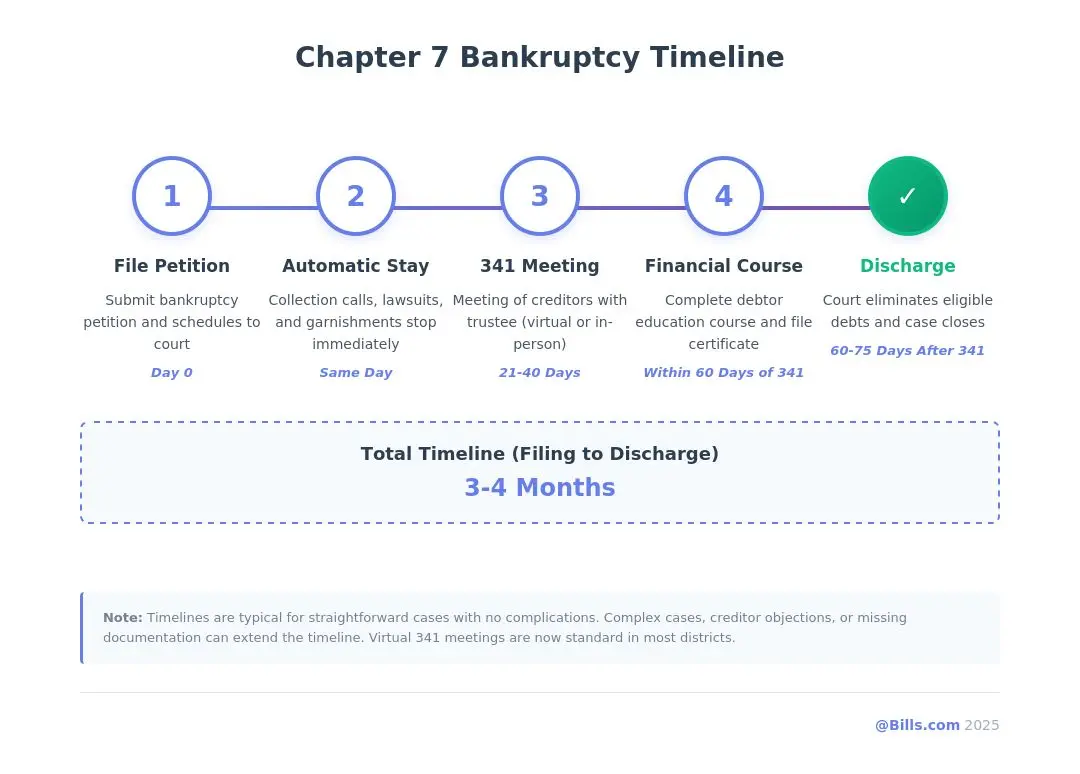
Chapter 7 vs Chapter 13 Bankruptcy
If you are reading about bankruptcy, chances are you are not doing it for fun. You are doing it because the math is not working anymore and the stress is starting to leak into everything else. I have been in the “how did it get this bad?” headspace before, and while my own path was a debt payoff...
Read more →
Married Filing Jointly vs Separately: When It Actually Saves Money on Taxes
Most married couples file one tax return together and move on with their lives. And honestly, that is usually the right call. But there are a few very real situations where Married Filing Separately can save you money, or at least save your budget from getting crushed by something like student loan...
Read more →
The SAVE Plan Explained
If you have federal student loans and your payment feels like it was designed by someone who has never bought groceries, the SAVE Plan is worth understanding. SAVE is an income-driven repayment (IDR) plan that can lower your monthly payment, cover certain unpaid monthly interest so it does not...
Read more →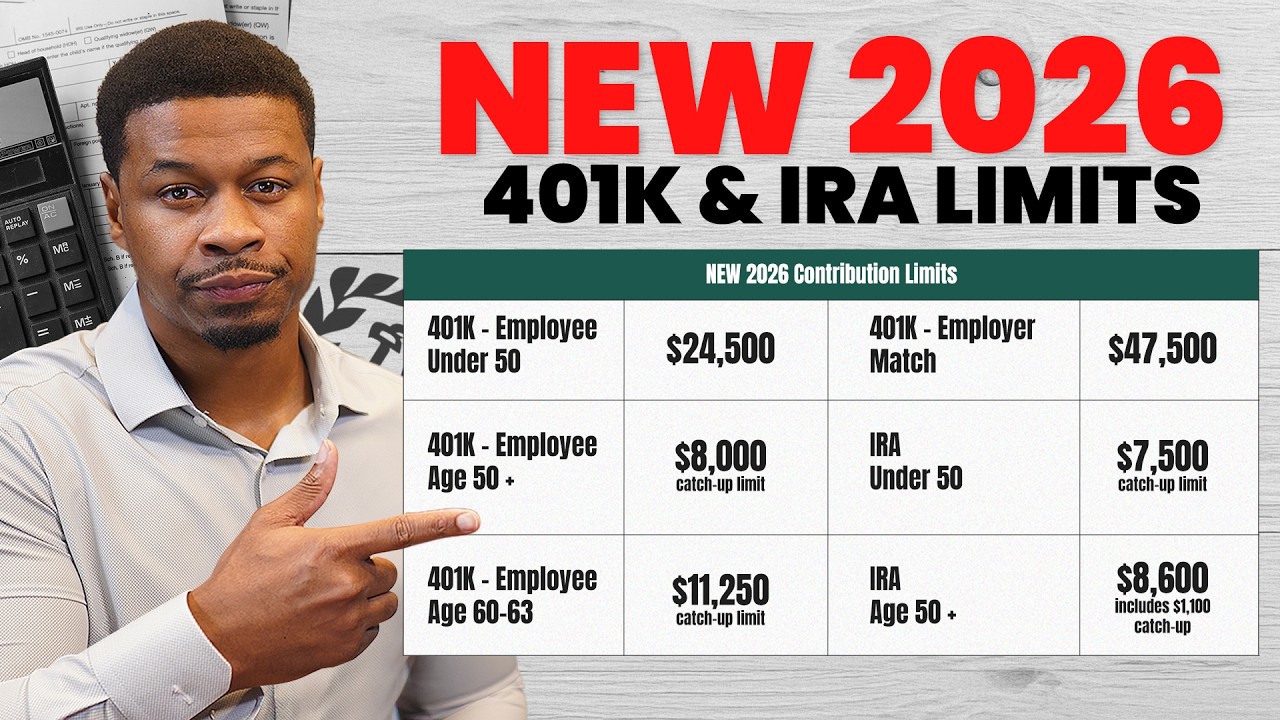
SEP IRA vs Solo 401(k) for Self-Employed Workers
If you are self-employed, choosing the right retirement plan can feel like trying to do your taxes without coffee. You keep hearing “SEP IRA” and “Solo 401(k)” like they are basically the same thing, but the rules (and the contribution math) are not identical. This guide breaks down the differences...
Read more →
Required Minimum Distributions (RMDs): Ages, Accounts, and Penalties
If you have money in retirement accounts, there is a point where the IRS stops letting you “leave it there forever.” That point is the Required Minimum Distribution, or RMD. And if you miss one, the penalty can be painful. This guide breaks down the big rules: when RMDs start , which accounts are...
Read more →
Secured Credit Cards vs Credit Builder Loans
If you are trying to build credit from scratch or rebuild after a rough patch, you have probably seen two “safe” options everywhere: secured credit cards and credit builder loans. Both can work. Both can backfire if you pick the wrong product or use it the wrong way. Let’s make this simple: a...
Read more →
COBRA vs ACA Marketplace After Job Loss: How to Choose in 2026
Job loss is stressful enough without the added pressure of picking health insurance on a deadline. The good news is you usually have two solid paths: COBRA (keep your old employer plan) or an ACA Marketplace plan (switch to a new plan, often with subsidies). In 2026, the “right” choice comes down...
Read more →