
If you have ever checked your credit report and spotted a list of “inquiries,” it can feel like a pop quiz you did not study for. The good news is this: not all inquiries are created equal. Some can nudge your credit score down for a bit, and some are basically just a record that someone peeked at your file.
Let’s break down hard inquiry vs soft inquiry in plain English so you know what shows up on your credit report , what lenders actually see, and when you should care.

Credit inquiries in plain English
A credit inquiry is a footprint that gets recorded when a company checks your credit file.
That check can happen for two broad reasons:
- You asked for credit (like applying for a credit card). This usually creates a hard inquiry.
- Someone is reviewing your credit for a non-lending reason (like an employer background check, an account review, or a pre-approval offer). This is usually a soft inquiry.
Both are “real,” but they do not work the same way.
Hard inquiry
What it is
A hard inquiry (also called a “hard pull”) is a credit check that happens when you are actively requesting new credit. Hard inquiries can affect your credit score, typically in a small way, and they are visible to lenders who pull your report later.
In point terms, it is often just a few points, but it depends on your overall file. If you have a thin credit history or lots of recent applications, the sting can be bigger.
Common triggers
- Applying for a credit card
- Applying for a personal loan or debt consolidation loan
- Applying for an auto loan
- Applying for a mortgage or a preapproval that requires a hard pull
- Applying for some store financing or “buy now, pay later” plans that use a traditional bureau pull
What lenders can see
Hard inquiries show up in the “inquiries” section of your credit report, including:
- The company name
- The date of the inquiry
- Sometimes the type of inquiry (depending on bureau formatting)
Other lenders can see these hard inquiries when they review your credit file.
How long it lasts
- On your credit report: typically up to 2 years
- Score impact: often matters most for about 12 months
For most people with otherwise healthy credit, a single hard inquiry is a small ding. The bigger issue is lots of hard inquiries in a short time, which can signal risk or financial stress.
One more thing people miss: if you actually open the new account, the new account itself can affect your score more than the inquiry does. A new card can lower your average age of accounts, and a new loan changes your mix and balances.
Soft inquiry
What it is
A soft inquiry (also called a “soft pull”) is a credit check that does not happen because you are applying for new credit. Soft inquiries do not affect your credit score.
Common triggers
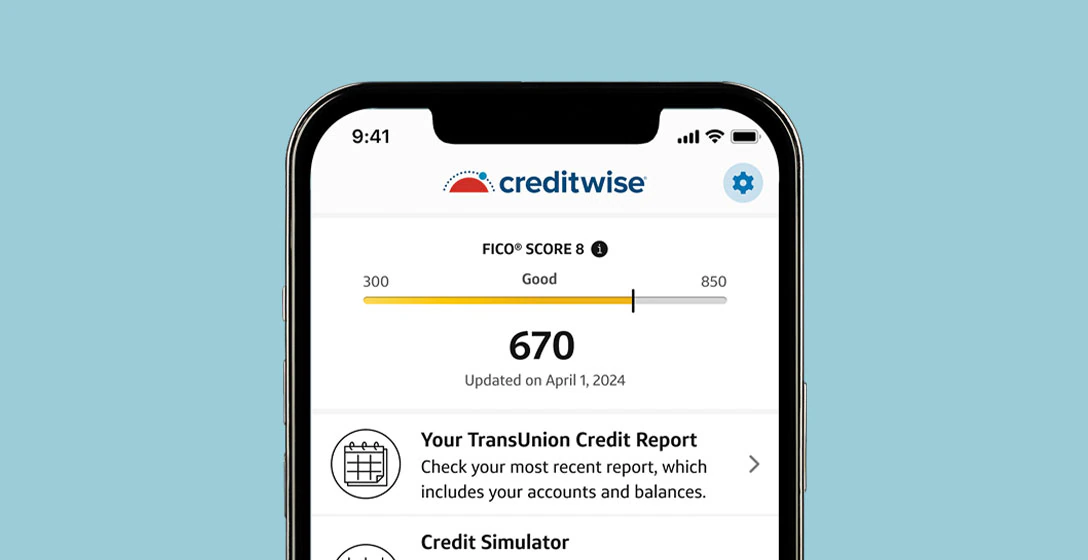
- You check your own credit (credit monitoring, free credit score apps, pulling your reports)
- Pre-approval or “prequalified” credit card and loan offers
- Employer background checks (where permitted, and typically with your written permission)
- Insurance checks in many states (often a credit-based insurance score, not always a full credit report)
- Existing lenders reviewing your account (account reviews, retention offers, some credit line increase reviews)
- Utility or cell phone screening in some cases (this varies by provider and may use a traditional bureau pull, a specialty bureau, or no credit pull at all)
What lenders can see
Soft inquiries may appear on your credit report, often labeled things like “promotional” or “account review.” Typically they show in a section that does not factor into lending decisions the same way hard inquiries do. In most cases, lenders reviewing your application will not see your soft inquiry history the same way they see hard inquiries.
Bottom line: soft inquiries are normal. They are often just the credit system doing its thing.
Hard vs soft inquiry
- Shows to lenders later? Hard: yes. Soft: usually no, or not in a way that affects the decision.
- Can affect your credit score? Hard: yes, usually slightly. Soft: no.
- Common causes: Hard: applying for new credit. Soft: pre-approvals, account reviews, your own checks.
- How long it stays: Hard: up to 2 years on report. Soft: varies by bureau, but no score impact.
What lenders care about
Inquiries are only one part of your credit picture. When a lender looks at your report, they are usually paying more attention to:
- Payment history (on-time payments versus late payments)
- Credit utilization (how much of your available credit you are using)
- Debt-to-income ratio (mainly on mortgages, though this is not directly on your credit report)
- Length of credit history and account mix
Inquiries matter most when they pile up quickly or when you are right on the edge of qualifying for a loan rate.
If you are trying to protect your score before a major loan, focus on the big levers first: pay on time, keep card balances low, and avoid opening new accounts you do not need.
What is normal vs a red flag
Normal
- You see a couple of soft inquiries from credit card companies you recognize.
- You applied for one new credit card and see one hard inquiry.
- You are shopping for a car loan and see several inquiries close together (more on rate shopping below).
Red flags
- Hard inquiries you do not recognize (could be a mistake or fraud).
- Many hard inquiries in a short period because of repeated credit applications.
- An inquiry from a lender you never contacted paired with new accounts you did not open.
If something looks off, freeze your credit with the bureaus and dispute the inquiry. A hard inquiry by itself is not always identity theft, but it can be an early warning sign.
Rate shopping
Credit scoring models generally try to avoid penalizing you for shopping around for the best rate on certain types of loans. The basic idea: multiple inquiries for the same loan type within a short window may be treated like a single inquiry for scoring.
Usually grouped
- Mortgages
- Auto loans
- Student loans
Usually not grouped
- Credit cards (each application can count separately)
- Personal loans (model-dependent)
Practical move: Do your rate shopping in a tight window. Depending on the scoring model and version a lender uses, the window can be as short as about 14 days or longer (some are commonly cited up to about 45 days). If you want a simple, conservative planning target, aim to get your mortgage or auto loan applications done within about two weeks.

How long does it affect your score?
Hard inquiries tend to have their biggest impact early on, then fade over time.
- Immediate effect: often a small drop, especially if you have a thin credit file
- After a few months: impact usually decreases as the inquiry ages
- After about 12 months: typically no longer affects the score meaningfully
- After 24 months: generally drops off your report
FAQ
Does mortgage shopping hurt my credit?
It can create multiple hard inquiries, but credit scoring models often group mortgage inquiries made within a rate-shopping window so the score impact is closer to one inquiry. Try to shop in a focused burst rather than spreading it over months. Also remember: different lenders may use different scoring models, so “the window” is not one universal number.
Do employer credit checks hurt my score?
Typically no. Employer checks are usually soft inquiries and do not impact your credit score. Employers generally must have your permission, and in some states and roles there are restrictions on how credit information can be used.
What is the rate shopping window?
Different scoring models use different windows. A conservative rule of thumb is to keep your applications within about two weeks. Some models are commonly cited as allowing longer windows (up to about 45 days), but two weeks is a safe planning target if you want to keep it clean.
Will checking my own credit lower my score?
No. Checking your own credit is a soft inquiry. This includes using credit monitoring tools and pulling your free annual credit reports.
What if I see an inquiry I do not recognize?
Start by confirming it is not tied to something you forgot, like a recent utility setup, a phone plan, or store financing. If it still looks wrong, consider freezing your credit and disputing the inquiry with the credit bureau that shows it.
Can I remove a legitimate hard inquiry?
Usually no. If it is accurate and you authorized it, it will typically stay on your report for up to two years and fade in score impact over time. Disputes are for errors or inquiries you did not authorize.
Does “prequalified” mean no hard pull?
Not always. The prequalified offer is often based on a soft pull, but once you formally apply, the lender may run a hard inquiry.
Where to check your report
If you are in the United States, you can pull your reports from all three major bureaus at AnnualCreditReport.com. If you are outside the US, the exact process varies by country, but the same hard versus soft inquiry concept usually applies.
Decision flow
Step 1: Was it soft?
- Yes: Almost always normal. No score impact.
- No or unsure: Go to Step 2.
Step 2: Did you apply for credit?
- Yes: A hard inquiry is expected. Go to Step 3.
- No: Treat it as suspicious. Verify and consider freezing your credit.
Step 3: Are there multiple hard inquiries close together?
- Mortgage or auto loan shopping: Likely normal if clustered within the model’s rate-shopping window.
- Credit card applications: Multiple inquiries can add up. Consider pausing applications for a while.
Step 4: Are you planning a major loan soon?
- Yes (next 3 to 12 months): Avoid new credit unless necessary, keep utilization low, and pay everything on time.
- No: One inquiry here and there is usually not worth losing sleep over.
My take as a former debt guy
When I was digging out of $60,000 of consumer debt, I used to panic over every little credit score movement. In hindsight, inquiries were rarely the real problem. The real problems were high balances, missed payments, and applying for new credit out of stress.
If you remember nothing else: soft inquiries are normal, hard inquiries are not automatically bad, and clusters of hard inquiries you did not authorize are worth investigating.
If you want a quick next step, pull your reports from all three bureaus and scan the inquiry section. If something looks off, handle it now before it becomes a bigger mess.