Smart Cent Guide
Budgeting & Saving
Actionable tips and strategies for managing daily expenses, reducing everyday costs like groceries, and building a sustainable household budget.

Down Payment Gift Money Rules in 2026
Gift money can be the difference between “maybe someday” and “we got the keys.” But mortgages are picky about down payment funds for a reason: lenders have to prove the money is acceptable, properly sourced, and not secretly a loan that would change your debt-to-income ratio. Below is the...
Read more →
How to Use a Bonus or Tax Refund (In Order)
A bonus. A tax refund. A surprise check you weren't counting on. It feels like a deep breath you didn't know you needed. But windfall money is sneaky. When cash shows up all at once, it's easy to spend it in a blur and end up right back where you started. I've done that. More than once. The goal...
Read more →
HSA Rules After You Enroll in Medicare
If you are like most people, you hit 65 and suddenly your mail, inbox, and dinner conversations all turn to Medicare. The part that blindsides a lot of smart savers is how Medicare interacts with your Health Savings Account (HSA). Here is the big idea: once you are enrolled in Medicare, you...
Read more →
SIMPLE IRA vs SEP IRA for Small Employers
If you are a small employer trying to offer a retirement plan without turning your office into an HR department, two options tend to rise to the top: a SIMPLE IRA and a SEP IRA . Both can be powerful. Both can be low-cost. And both can quietly become a headache if they do not match how your...
Read more →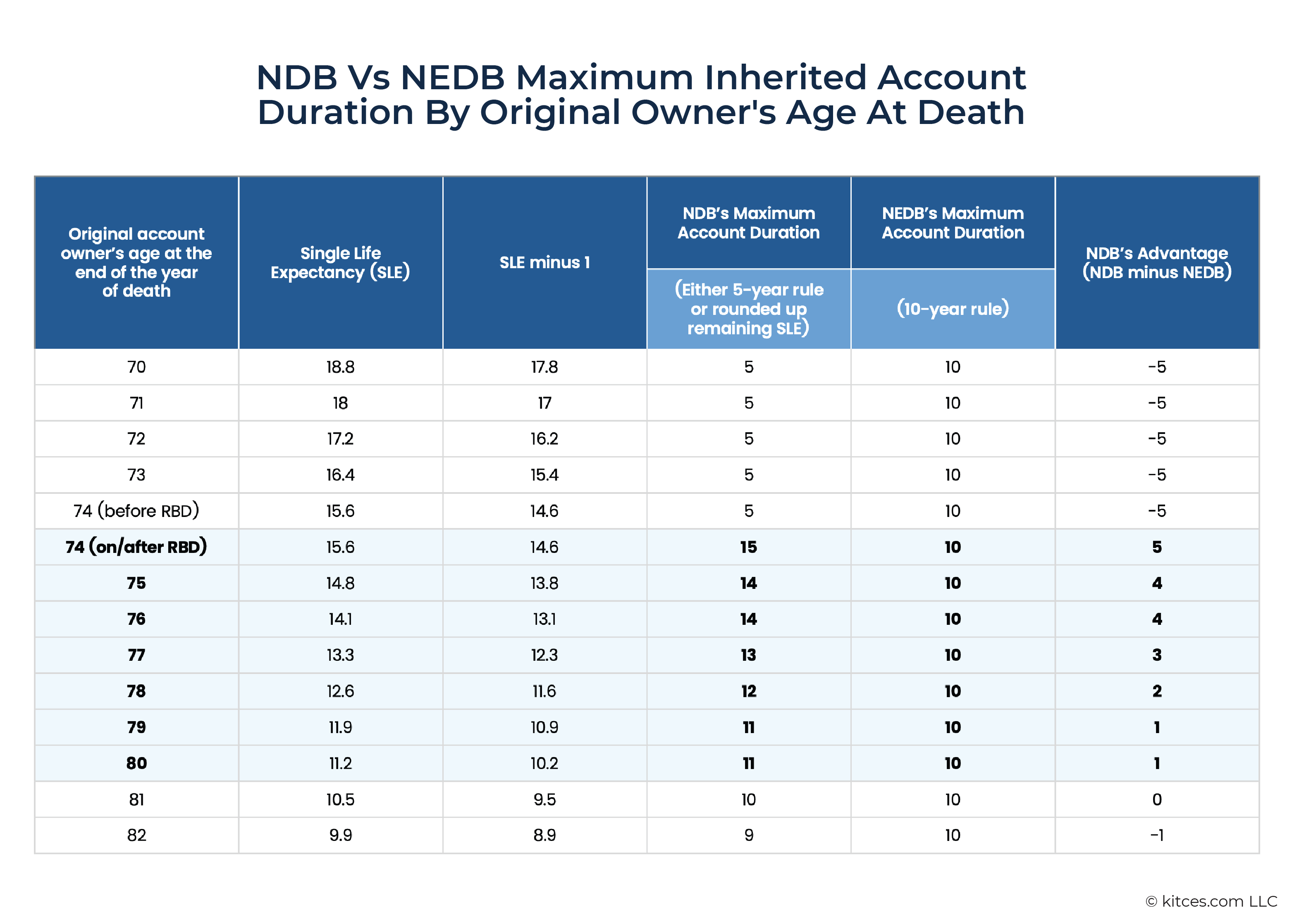
The 10-Year Rule for Inherited Retirement Accounts
If you just inherited a retirement account, first off, I am sorry for your loss. Second, take a breath. The rules can feel like they were written to make you panic-Google at midnight. The big headline in the SECURE Act era is this: many beneficiaries have to empty an inherited retirement account...
Read more →
Financial Aid Appeal Letter: How to Ask for More Aid
A disappointing financial aid offer can feel personal, but most of the time it is simply paperwork, timing, and school policy. Schools build your package using the information they have at the moment and within their budgets and rules. If your situation has changed or your FAFSA does not reflect...
Read more →
Mortgage Recast vs Refinance
If your goal is simply to lower your monthly mortgage payment, you usually have two common paths for lowering the required principal-and-interest (P&I) payment: recast your existing loan or refinance into a new one. When I was digging out of debt, I learned a lesson the hard way: the “best” move on...
Read more →
403(b) vs 401(k): How to Choose
If you work in education or a nonprofit, you have probably heard people toss around “401(k)” like it is the default retirement plan. But in many school districts, universities, hospitals, and charities, the plan you actually get offered is a 403(b) . On paper, 403(b)s and 401(k)s look very similar....
Read more →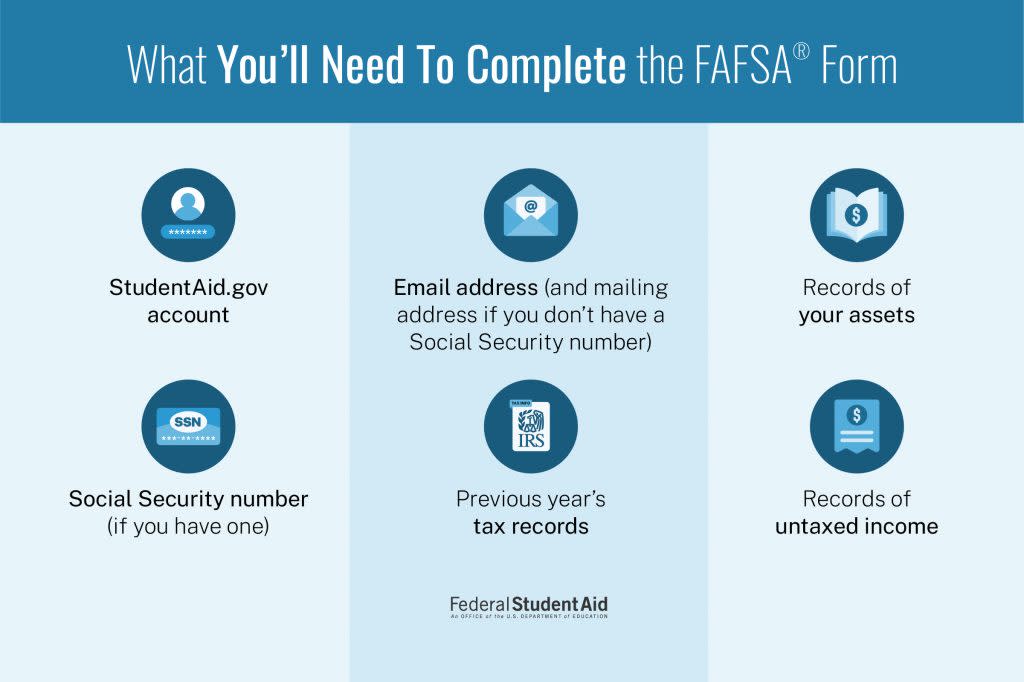
FAFSA 2026 Deadlines, Documents, and Mistakes That Delay Aid
If paying for college feels like a maze, you are not alone. The FAFSA is one of those forms that sounds simple until you are in the middle of it, bouncing between logins, tax info, and “contributor” invites. The good news is that most FAFSA delays are predictable, and with a little prep you can...
Read more →
Married Filing Jointly vs Separately: When It Actually Saves Money on Taxes
Most married couples file one tax return together and move on with their lives. And honestly, that is usually the right call. But there are a few very real situations where Married Filing Separately can save you money, or at least save your budget from getting crushed by something like student loan...
Read more →
SEP IRA vs Solo 401(k) for Self-Employed Workers
If you are self-employed, choosing the right retirement plan can feel like trying to do your taxes without coffee. You keep hearing “SEP IRA” and “Solo 401(k)” like they are basically the same thing, but the rules (and the contribution math) are not identical. This guide breaks down the differences...
Read more →
Required Minimum Distributions (RMDs): Ages, Accounts, and Penalties
If you have money in retirement accounts, there is a point where the IRS stops letting you “leave it there forever.” That point is the Required Minimum Distribution, or RMD. And if you miss one, the penalty can be painful. This guide breaks down the big rules: when RMDs start , which accounts are...
Read more →
COBRA vs ACA Marketplace After Job Loss: How to Choose in 2026
Job loss is stressful enough without the added pressure of picking health insurance on a deadline. The good news is you usually have two solid paths: COBRA (keep your old employer plan) or an ACA Marketplace plan (switch to a new plan, often with subsidies). In 2026, the “right” choice comes down...
Read more →
Splitting Rent and Bills With Roommates
Money stuff gets weird with roommates for one reason: you are mixing friendship (or basic politeness) with real numbers and real deadlines. The good news is you do not need a perfect system. You need a clear system that everyone understands, agrees to, and can actually follow when life gets busy....
Read more →
APR vs APY: What They Mean and Why They Matter
APR and APY are two of the most important acronyms in personal finance, and also two of the easiest concepts to mix up. If you have ever wondered why a loan quote and a savings rate don’t “feel” like they work the same way, this is the reason. Here’s the simple takeaway: APR is mainly about what...
Read more →
How to Calculate Your Net Worth
Net worth sounds like something reserved for celebrities and CEOs, but it is really just a snapshot of your financial life today. Think of it as a personal “scoreboard” that tells you whether your money is moving in the right direction. And if you have debt, you are not disqualified. When I was...
Read more →
401(k) Loan vs Hardship Withdrawal
If you are staring down a big expense and your bank account is not cooperating, your 401(k) can feel like the easiest button to press. I get it. When I was climbing out of $60,000 of debt, the temptation to “just borrow from future me” was very real. But a 401(k) loan and a hardship withdrawal are...
Read more →
I Bonds vs High-Yield Savings: When I Bonds Make Sense
If you have cash you want to keep safe, your first instinct is probably a high-yield savings account (HYSA). That is usually a great instinct. But Series I Savings Bonds (I Bonds) are one of the few “boring” products that can be genuinely useful in the real world, especially when inflation is doing...
Read more →
Estimated Quarterly Taxes for Freelancers
If you have a W-2 job, taxes mostly happen in the background. Your employer withholds money from each paycheck, sends it to the IRS, and you settle up at tax time. Freelancing and side gigs are different. When you are self-employed, no one is withholding taxes for you . So the IRS expects you to...
Read more →
Mega Backdoor Roth: How It Works and the Catch
If you have ever looked at the annual 401(k) limit and thought, that is it? The mega backdoor Roth is the strategy people are talking about when they say they are getting tens of thousands more into Roth every year. It is powerful, legal under current IRS rules, and very plan-dependent. Meaning:...
Read more →