
If you are trying to build credit from scratch or rebuild after a rough patch, you have probably seen two “safe” options everywhere: secured credit cards and credit builder loans. Both can work. Both can backfire if you pick the wrong product or use it the wrong way.
Let’s make this simple: a secured card is often the fastest practical way to start building a usable credit profile because it reports like a normal credit card, month after month, and it gives you control over what balance gets reported. A credit builder loan can be just as effective on a similar timeline if it reports promptly and you pay on time. It is often a steadier choice if you struggle with overspending, since you cannot swipe it at Target on a stressful day.
Below is the real-world breakdown: fees, reporting timelines, how the deposit or “loan” mechanics actually work, and how to graduate to unsecured credit without taking on unnecessary risk.
Quick answer: which builds credit faster?
If your goal is the fastest typical score-building pace with the most control, start with a secured credit card, assuming you can pay in full every month and keep your reported balance low.
If your goal is the safest “set it and forget it” option, especially if you are worried about running up a balance, a credit builder loan can be the calmer choice.
- Fastest typical score movement: Often a secured credit card (revolving account reporting monthly, plus utilization influence)
- Lowest temptation to overspend: Credit builder loan (installment account, no spending line)
- Best long-term scoring factors: Often both, because they add credit mix once you eventually have at least one card and one installment loan
Reality check: “Faster” depends on the lender’s reporting cadence, which bureaus they report to, and whether you already have accounts on your reports.
How each option works (no jargon)
Secured credit card
You put down a refundable cash deposit, and the card issuer gives you a credit limit that is usually equal to that deposit. Example: you deposit $300, you get a $300 limit.
You use the card for small purchases, the issuer reports your balance and payment history to the credit bureaus, and you pay it off. Your deposit is there as collateral in case you do not pay.
- What you get: A real credit card account that reports like a normal card
- What you risk: Interest and fees if you carry a balance or pay late
- What you eventually want: Graduation to an unsecured card and your deposit back
Credit builder loan
A credit builder loan is a bit counterintuitive: you do not receive the loan money upfront. Instead, the lender places the “loan amount” into a locked savings account (or certificate account). You make monthly payments, and those payments are reported to the credit bureaus. When the loan is paid off, the money is released to you.
- What you get: Installment loan payment history plus savings at the end
- What you risk: Fees and possible late payments if you miss due dates
- What you eventually want: A paid-off installment account plus at least one well-managed credit card
Fees: what you will actually pay
Secured card fees to watch
- Annual fee: Some are $0, others charge $25 to $50 or more. A $0 annual fee is ideal.
- APR interest: High on most starter cards. This only matters if you carry a balance. Your goal is to pay in full.
- Application or account setup fees: Avoid when possible. They are common with subprime issuers.
- Foreign transaction fees: Not a big deal for building credit, but good to know.
Big safety rule: If a card is stacking upfront fees (setup fee plus monthly fee plus annual fee), it can slow you down and drain your deposit. Look for simple pricing.
Credit builder loan fees to watch
- Interest: Often modest, but still a cost.
- Administrative or origination fees: Some lenders charge flat fees.
- Late fees: Can add up quickly and can damage your credit if payments are reported late.
Hidden “cost” to consider: Opportunity cost. If your money is locked up, you cannot use it for an emergency fund. If you have zero cushion, that can increase the odds you miss a payment later.
Reporting timelines: when scores can move
Both products build credit by reporting to one or more of the major credit bureaus (Experian, Equifax, TransUnion). The timeline varies by issuer and lender. If you care about speed, ask when they report and which bureaus they report to.
Secured credit card reporting
- When it can start: Often after your first statement closes and the issuer reports, commonly within 30 to 60 days, but it varies.
- Why it can feel faster: Revolving accounts can influence scores through both on-time payments and utilization updates.
Credit builder loan reporting
- When it can start: Often after your first payment posts and the lender reports, commonly within 30 to 60 days, but it varies.
- Why it can feel steadier: There is no utilization component, so progress is mostly about stacking on-time payments.
Reality check on score timing: It can take several months for a score to generate if you are brand new to credit. Many versions of FICO typically need about six months of reported history to produce a score, while VantageScore may generate a score sooner. Either way, do not expect a miracle in two weeks. Focus on stacking boring, on-time payments.
Risk and safety: how these can backfire
Secured credit card risks
- Carrying a balance: You can pay interest, and high balances can hurt your score.
- High utilization: If you routinely use most of your limit, your score can dip even if you pay on time. On a $300 limit, a $250 reported balance is a problem.
- Late payments: The biggest credit score killer. Set autopay.
- Closing the card too early: The near-term issue is usually losing available credit, which can raise utilization. Account age effects are more nuanced. Closed accounts may continue to factor into age for a while on many scoring models, but once they eventually fall off your reports you lose that aging benefit.
Credit builder loan risks
- Missed payments: Same issue, late payments can hurt badly.
- Money locked up: If tying up $300 to $1,000 means you cannot handle a flat tire, that is not “safe.”
- Not actually reported to all bureaus: Some lenders do not report to all three. Fewer bureaus reporting can mean less impact for you.
Safest move with either: Only open a product that fits your cash flow. Credit building is not worth it if it increases the odds of missed payments.
Who each option suits best
If you are new to credit
Best starter for most people: Secured credit card.
Why: A revolving account is foundational for long-term credit strength, and it is the type of account many lenders want to see when you apply for an unsecured card, apartment, or auto loan.
When a credit builder loan makes sense: If you are also trying to build a small forced-savings habit, or if you want to add installment history alongside a card.
If you are rebuilding damaged credit
Best first step: It depends on the “why” behind the damage.
- If overspending caused the problem: Consider a credit builder loan first, or a secured card with a very small limit that you can control (like $200 to $300).
- If missed payments caused the problem: Either option can help, but only if you can automate payments and keep your budget stable.
- If maxed-out utilization is the issue: A secured card can help if it increases total available credit and you keep balances low, but do not use it as permission to spend.
Important: If you are still dealing with active delinquencies, your best “fast credit builder” might actually be catching up, negotiating payment plans, or bringing utilization down. New accounts help, but they do not erase old negatives overnight.
Secured card mechanics: deposits and utilization
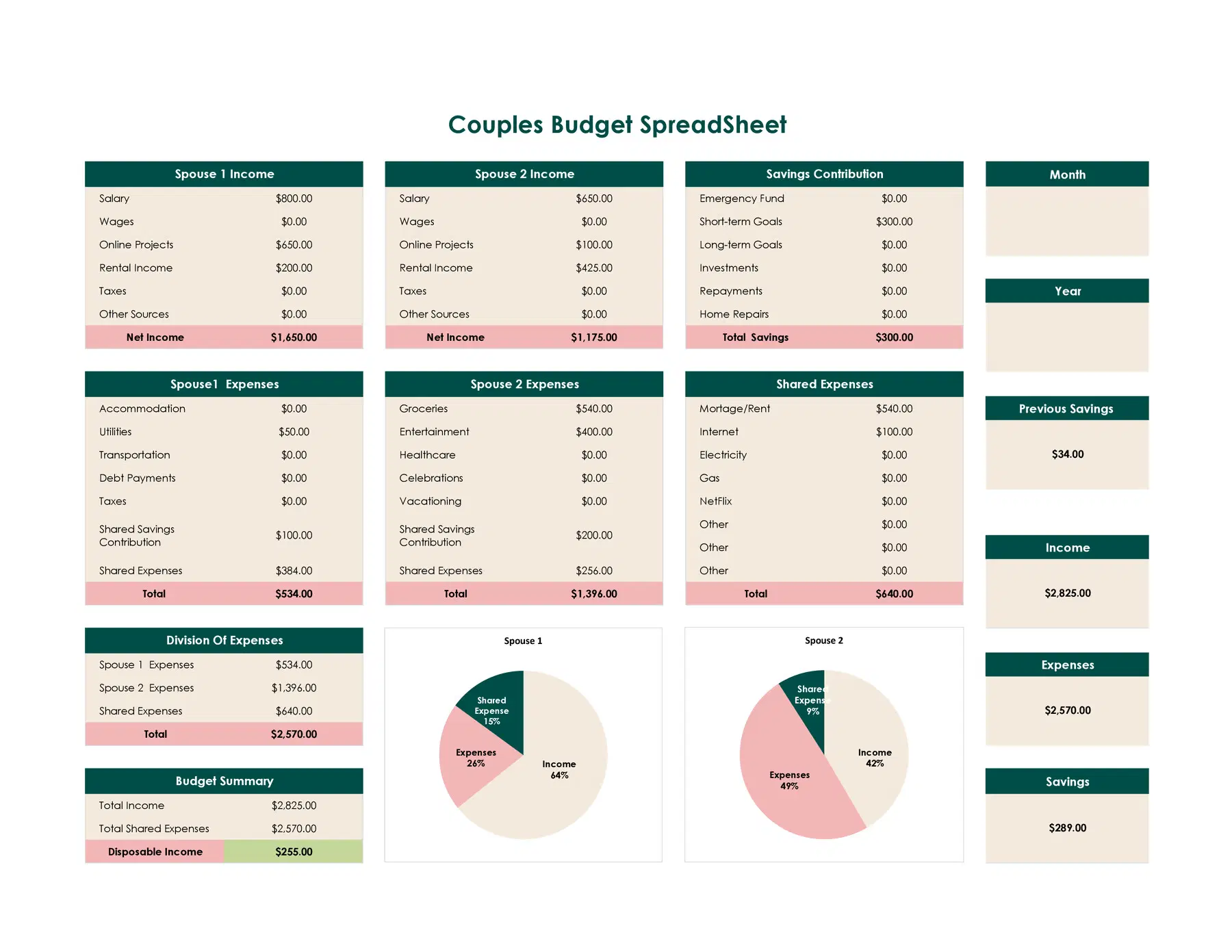
Most secured cards require a deposit (often $200 to $500 minimum). That deposit usually becomes your credit limit.
How to pick your deposit amount
- Do not drain your emergency fund. If your deposit leaves you with $0 cushion, you are more likely to miss a payment later.
- Pick a limit that makes low utilization easy. Using under 30 percent is a common rule of thumb. Under 10 percent is often better for month-to-month score sensitivity.
- Match the limit to one small recurring bill. Example: put your streaming service or a gas fill-up on it and autopay the statement balance.
The utilization tip that actually works
Your score can react to the balance that is reported on your statement date. If you want to keep utilization low, pay the card down before the statement closes, then pay again on the due date if needed. This is especially helpful with tiny limits.
Small nuance: Many people score best with a small reported balance (often in the 1 to 9 percent range) rather than 0 percent every month. Do not overthink it, just avoid high reported balances.
Credit builder loan mechanics: terms and details
Credit builder loans are commonly offered by credit unions, community banks, and some fintech lenders. Typical loan amounts might be $300 to $1,500, with terms like 6 to 24 months.
What to verify before you sign
- Which bureaus they report to (ideally all three)
- Whether they report monthly
- Total cost (interest plus fees)
- Where your funds are held and whether you earn any interest
- Payment flexibility (grace period, autopay, early payoff policy)
Early payoff note: Paying off early can reduce interest costs. It can also shorten the time you are actively building new monthly payment history. If your credit is fragile, I usually prefer a manageable term you can comfortably pay on time every month instead of rushing to finish in two months and losing momentum.
Fastest safe path: simple game plans
Plan A: You can control spending
- Open a $0 annual fee secured card with a deposit you can afford.
- Put 1 small recurring bill on it.
- Set autopay for the statement balance.
- Keep the reported balance low by paying before the statement closes if needed.
- After 6 to 12 months of on-time payments, pursue graduation or apply for an unsecured starter card.
Plan B: You worry about temptation
- Start with a credit builder loan with a payment that feels almost too easy.
- Automate payments immediately.
- After 2 to 3 on-time payments, open a secured card with a small limit and only use it for one bill.
- This gives you installment plus revolving history while keeping risk low.
Plan C: You have no emergency fund
Pause before tying up cash in a deposit or locked savings account.
- Build a starter buffer first, even $500.
- Then choose the product that will not force you into late payments if life happens.
How to graduate to unsecured credit
Graduating from a secured credit card
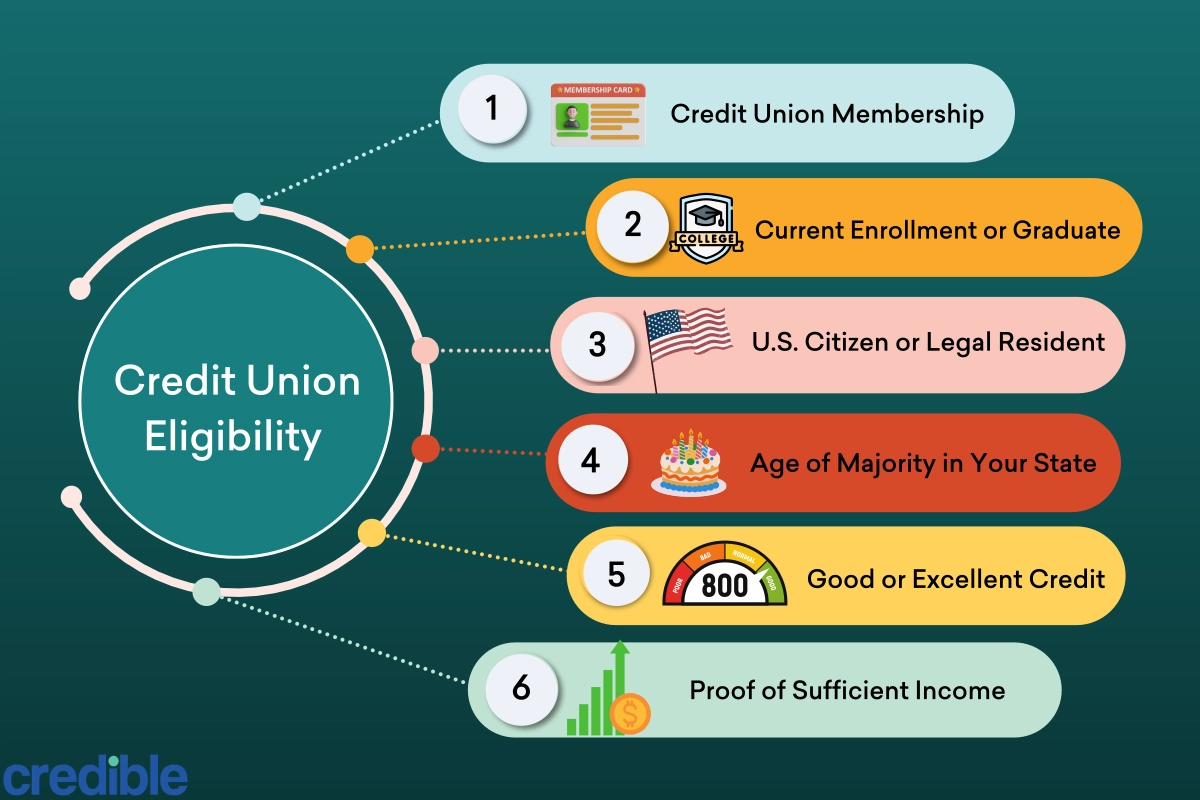
Many issuers will review your account for graduation after a stretch of on-time payments, often around 6 to 12 months. Some require you to request an upgrade.
- Ask what “graduation” looks like: deposit refunded, account converted, credit limit increased
- Keep the account open if it has no annual fee: it can help available credit and long-term account history
- Avoid applying for multiple cards at once: too many inquiries can slow you down
After a credit builder loan is paid off
When the loan closes, you will have a completed installment account on your report, which is a positive. You may see a small, temporary score dip when an installment loan closes because the account is no longer active. That is normal and usually fades with continued on-time activity elsewhere.
- Keep building with a card: a credit card is still the backbone of most strong credit profiles
- Use the released funds wisely: emergency fund first, then debt payoff, then goals
What to look for (checklist)
Secured credit card checklist
- Reports to all three credit bureaus
- $0 annual fee (or minimal, with a clear reason)
- Clear path to graduation or upgrade
- No weird monthly maintenance fees
- App or website that makes autopay easy
Credit builder loan checklist
- Reports to at least one bureau, ideally all three
- Low fees and transparent total cost
- Autopay available
- Term length you can comfortably finish without stress
- Funds held in your name and released at payoff
How to confirm it reports
- Ask directly: “Which bureaus do you report to, and how often?”
- Check the disclosures: many lenders list bureau reporting in the product details or fine print
- Verify after opening: pull your credit reports and confirm the account shows up (give it a couple cycles)
One more nuance: Opening either product can trigger a hard inquiry and a new account, which can cause a small, temporary dip. That is usually a fair trade for building positive history, as long as you keep payments clean.
FAQ
Can I do both at the same time?
Yes. Pairing one secured card with one small credit builder loan can improve your credit mix over time. Just do not open both if it stretches your budget thin.
Will either option fix bad credit instantly?
No. They help you add new positive history, but negatives (late payments, collections) take time to fade. The “fast” part is starting now and staying consistent.
Do secured cards build credit the same as regular cards?
Yes, as long as the issuer reports to the bureaus. Scoring models do not give extra points for being secured or unsecured. They care about the reported data: on-time payments, balances, and age.
Are there other ways to build credit?
Sometimes. Becoming an authorized user on a trusted person’s well-managed card can help, but it can also backfire if they miss payments or run high balances. It is a tool, not a shortcut.
What is the single biggest mistake people make?
Opening a product and then missing payments. If you do one thing after opening an account, set up autopay and calendar reminders on day one.
Bottom line
If you want the fastest, most practical path to a stronger credit score, a secured credit card often wins because it behaves like a standard credit card and adds revolving activity. If you want the lowest temptation way to build consistent payment history, a credit builder loan can be a safer start.
Pick the option that you can manage confidently for 6 to 12 months without drama, automate everything, and focus on boring consistency. That is how you earn the right to graduate to unsecured credit and keep it for life.