
If you have ever filed a homeowners insurance claim and thought, “Why is this check so much smaller than the estimate?”, you are not alone. Most of the confusion comes down to three things: whether your policy pays ACV or RCV, how recoverable depreciation works, and the fact that your mortgage lender (the mortgagee) often has to sign off before the money can be used.
This article walks through the settlement math, what holdback checks are, how lender loss draft procedures can slow things down, and how matching and building code rules can change the final amount. No jargon, just the mechanics you actually need when you are trying to put your home back together.

ACV vs RCV
On a homeowners policy, the biggest payout difference usually comes from whether your claim is settled on Actual Cash Value (ACV) or Replacement Cost Value (RCV).
Actual Cash Value (ACV)
ACV is often calculated as “replacement cost minus depreciation.” Depreciation is the value an item loses over time from age, wear, and normal use. That said, ACV methods can vary by state and policy form, and some use versions of fair market value or a broader evidence approach.
- What it means for you: You get paid for what the damaged property was worth right before the loss, not what it costs to buy new today.
- Common result: Lower first check and often lower total payout if the policy is ACV-only.
Replacement Cost Value (RCV)
RCV aims to pay what it costs to repair or replace with materials of like kind and quality, without subtracting depreciation. Many policies pay an ACV-style amount first and release depreciation later after you show the work was completed. Some carriers may pay closer to RCV upfront for smaller losses or in certain situations, so always confirm how your policy handles it.
- What it means for you: You may receive an initial payment that looks like ACV, then receive depreciation later as a second payment.
- Common result: Higher total payout, but you may have to front some costs or coordinate financing until the holdback is released.
Quick gut-check: If your adjuster says “RCV policy,” that does not automatically mean you get the full replacement amount upfront. It often means “RCV after you repair,” with depreciation temporarily held back.
Recoverable depreciation
When you have RCV coverage, insurers commonly split the payment into parts:
- Initial payment: Often the estimated repair cost minus depreciation and minus your deductible.
- Recoverable depreciation: The portion withheld until you complete repairs and submit proof.
- Supplemental payments (sometimes): Additional money if costs end up higher than the original estimate for covered reasons.
Why it is “recoverable”
Depreciation is called recoverable because you can recover it by actually repairing or replacing the damaged property. The logic is simple: the insurer does not want to pay “brand new” prices if the work never gets done.
One more nuance: some policies and claim situations include non-recoverable depreciation for certain items or categories, even when other parts of the claim are on an RCV basis. If something feels permanently reduced, ask your adjuster to point to the policy language behind it.
What you submit to release the holdback
- Signed contract or paid invoice from a contractor
- Final invoice showing work completed
- Photos or reinspection approval
- Sometimes proof of payment (receipts, lien waivers)
Every carrier is a little different, but the pattern is the same: no proof of completed repairs, no depreciation release.
Settlement math example
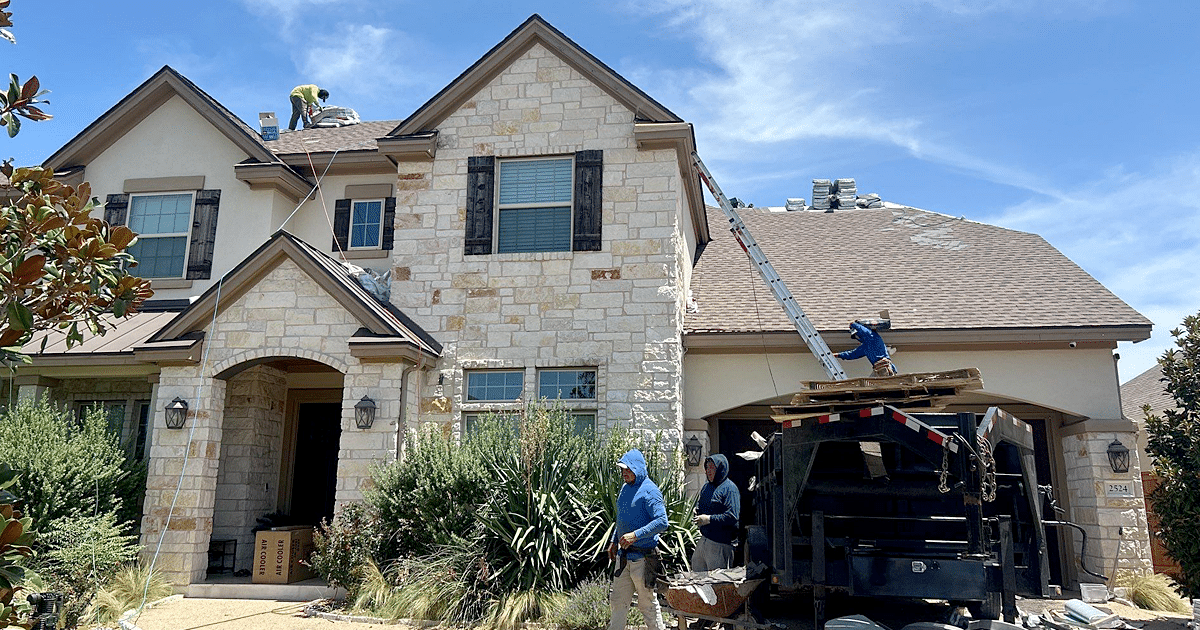
Let’s say a windstorm damages your roof. The adjuster writes an estimate for $20,000. Your deductible is $2,500. The insurer applies $6,000 of depreciation.
Note: Your deductible is typically applied once per occurrence and is subtracted from the covered settlement amount. (Deductible handling can vary in edge cases, so defer to your policy and adjuster for the specifics.)
RCV policy (recoverable depreciation)
- Estimated replacement cost: $20,000
- Minus depreciation held back: $6,000
- Minus deductible: $2,500
- Initial check: $11,500
- Holdback (recoverable depreciation): $6,000
If you complete the roof replacement and submit the final invoice, you may receive up to the $6,000 holdback (as long as the final covered cost supports it).
ACV-only policy
- Estimated replacement cost: $20,000
- Minus depreciation (not recoverable): $6,000
- Minus deductible: $2,500
- Total payout: $11,500
Same first check number, very different ending.
Why the lender is involved
If you have a mortgage, your lender has a financial interest in the home. That interest is usually listed on your policy as a mortgagee under a mortgagee clause. (People sometimes say “loss payee,” but on homeowners policies the most common term you will see is mortgagee.)
When a claim is big enough, insurers often issue payment checks that include both your name and your lender’s name.
Checks with multiple payees
- Two-party check: Payable to you and the mortgage company. Both must endorse.
- Multiple-party check: Payable to you, your mortgage company, and sometimes the contractor.
This is not your insurer being difficult. It is the system making sure the repair money actually goes into repairs and restores the collateral for the loan.
How funds get released
Once the check has your lender’s name on it, the timeline depends on the lender’s process. Most lenders do some version of “endorse and control the release” through a loss draft or escrow department. This is usually what slows things down, not the mere existence of a mortgagee clause.
Typical lender process
- You endorse the check and send it to your lender (or deposit it if they allow, then follow their draw process).
- Lender endorses or deposits into a restricted account used for repairs.
- Funds are released in stages called draws, often tied to progress milestones.
- Inspections may be required before each draw or before the final release.
What slows it down
- Missing contractor paperwork (W-9, estimate, contract)
- No clear scope of work or unclear itemization
- Inspection scheduling delays
- Contractor and homeowner disagreeing on timeline or materials
- Check has multiple payees and one endorsement is missing
If you are trying to keep your project moving, your best friend is a simple checklist: who needs to sign, where the check goes, and what documents the lender needs to release the first draw.

Two kinds of holdbacks
Here is the part that surprises people: you can feel “held back” in two different ways at the same time.
- Insurance holdback: recoverable depreciation you only get after repairs are complete (RCV, in many policies).
- Lender holdback: even if the insurer pays, the lender may release funds in phases to make sure the home is restored.
So you might have an insurer-approved estimate, plus an initial insurance payment, but still not have full cash access because your lender is distributing it in chunks.
Matching and code upgrades
Two coverage concepts can make a claim feel unfair when you are living through it: matching and ordinance or law (building code) coverage.
Matching
Say one side of your siding is damaged, or a portion of your flooring is ruined. The big question is whether the insurer must pay to replace undamaged areas so everything matches.
- Outcomes depend on state law, policy language, and carrier guidelines.
- Some policies have specific limits or exclusions related to matching.
- Even when matching is allowed, it can become a negotiation based on availability of materials, age, and whether a “reasonable uniform appearance” is possible.
Ordinance or law
After a loss, you may be required to rebuild to current code, not the code that existed when the home was built. That can add costs like upgraded electrical, new ventilation standards, or additional underlayment for a roof.
- Key point: Those code upgrade costs may be limited by a separate ordinance or law coverage amount (often a percentage or sublimit), or they may be handled within Coverage A depending on your policy. Check your declarations page and policy wording.
- What to do: If your contractor says, “We cannot legally rebuild it the way it was,” ask your adjuster whether ordinance coverage applies and what documentation they need from the contractor.

Deadlines to watch
Claims are full of timelines, and missing one can cost you money. Exact deadlines vary by policy and state, so treat this as a checklist, not a calendar.
Common time limits
- Proof of loss deadline: Some insurers require a signed proof of loss form within a specific time frame (often 60 days, but it varies).
- RCV repair window: Many policies require repairs to be completed within a set period to collect recoverable depreciation. Extensions may be possible if requested.
- Suit limitation clause: Some policies limit how long you have to file a lawsuit related to the claim, commonly 1 to 2 years, but it varies.
If you are waiting on permits, contractor availability, or lender draws, do not just hope the insurer will understand. Ask for extensions in writing when needed.
ALE vs repair money
Another common mix-up: Additional Living Expense (ALE) is generally handled separately from your dwelling repair funds. ALE is meant to cover the extra cost of living elsewhere while your home is not livable due to a covered loss. It is typically paid to you and is usually not subject to mortgagee endorsement, but procedures vary by carrier and loss type.
How this differs from PMI
People sometimes confuse claims settlement with PMI because both involve mortgage companies and home value. They are totally different.
- Homeowners claim settlement: Money intended to repair covered damage to the home after a loss.
- PMI : Insurance that protects the lender if you default on the loan. PMI does not pay to fix your roof, your siding, or your kitchen.
Your claim check includes your mortgage lender because they have a lien on the property, not because PMI is paying anything.
Steps to get paid faster
1) Confirm ACV or RCV for the damaged part
Dwelling might be RCV while personal property might be ACV, depending on your policy. Ask specifically: “Is this portion of my claim settled on ACV or RCV, and how is ACV calculated on my policy?”
2) Ask for the depreciation breakdown
You want the insurer’s checklist early so you are not chasing documents when the job is finished. Ask what is recoverable, what is not, and what proof they need.
3) Call your lender loss draft department
Ask what they need to endorse and release funds, including whether they require contractor info, inspections, or staged draws.
4) Keep paperwork boring and organized
- Estimate and scope of work
- Contractor contract
- Invoices and receipts
- Photos before, during, and after
- Permit paperwork and inspection sign-offs
5) Watch for non-covered and non-like-kind items
Some costs are not covered, capped, or excluded. Examples can include certain landscaping, wear and tear, or upgrades you choose that go beyond like kind and quality.
Also remember: the insurer owes the reasonable cost to repair or replace covered damage under the policy terms. That is not always the same thing as any particular contractor’s price.
6) Know your dispute options
If you and the insurer cannot agree on the amount of loss, your policy may include an appraisal provision or other dispute process. Ask your adjuster what options apply under your policy before the disagreement turns into a stalled project.
FAQs
Can I get recoverable depreciation without repairing?
Usually, no. The whole idea is that depreciation is released after you repair or replace and show proof. Some carriers may allow exceptions in limited circumstances, but you should assume repairs are required.
Why is the check made out to me and the mortgage company?
Because the lender has a lien on the home and wants to make sure claim proceeds are used to restore the property that secures the loan.
What if my contractor costs more than the adjuster estimate?
This is common. Ask about a supplement. Many insurers will review additional documentation for covered items, especially if hidden damage is found after work begins.
Do I have to use the insurer’s preferred contractor?
In most cases, you can choose your own contractor. Just make sure the scope is clear, pricing is documented, and your contractor is willing to provide the paperwork your insurer and lender require.
The bottom line
ACV vs RCV determines whether depreciation is a permanent reduction or a temporary holdback. Recoverable depreciation determines whether you will see a second check after repairs. And your mortgage lender’s role determines how quickly you can access the funds, even after the insurer pays.
If you remember one thing, make it this: a homeowners claim is not one payment, it is a process. Get clarity on settlement type (ACV or RCV), get the depreciation requirements in writing, and get your lender’s loss draft checklist on day one. Your future self, and your repair timeline, will thank you.