
One of the riskiest moments in a home purchase is not the inspection. It is not the appraisal. It is the day you send the biggest wire of your life.
Mortgage closing wire fraud is brutally simple: criminals slip into the communication chain (usually email), replace real wiring instructions with their own, and hope you send your down payment and closing funds to the wrong place. The message looks legit, the timing feels urgent, and you are already juggling a dozen tasks.
This article walks you through a repeatable verification ritual you can follow every single time. No jargon. No paranoia. Just the steps that can dramatically reduce your risk.
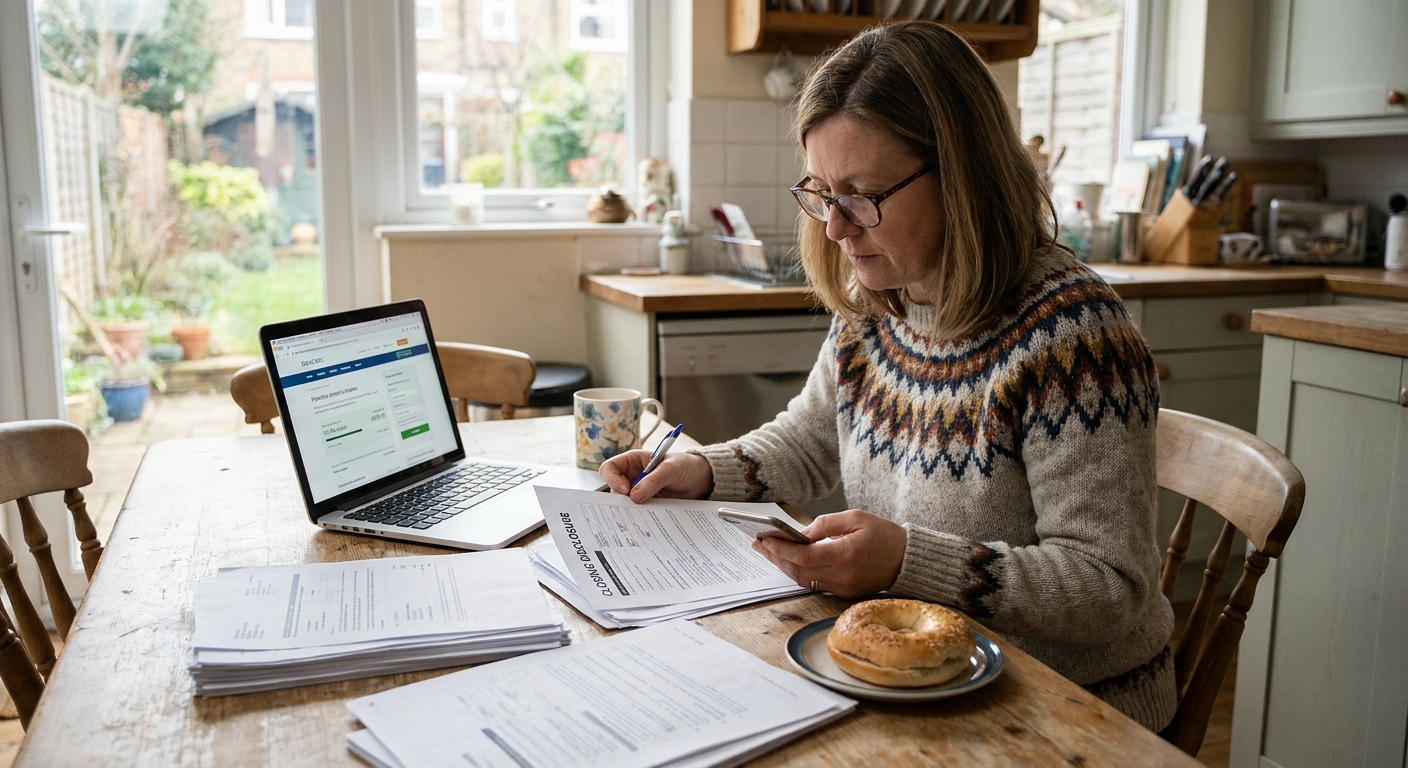
Why wire fraud spikes right before closing
Scammers go after closing money because it is large, time-sensitive, and emotionally charged. They know:
- You expect last-minute emails. Title and escrow teams send lots of forms and reminders late in the process.
- You are under deadline pressure. Miss the funding cut-off and you can delay closing.
- Wire transfers move fast. Once money leaves your bank, pulling it back can be difficult, and outcomes vary by bank and timing.
- Email is easy to impersonate. A single swapped letter in an email domain can fool a stressed human brain.
A common setup is business email compromise (BEC): a criminal gains access to, or convincingly spoofs, an email account used by your agent, lender, or title company. Then they wait for the moment you are about to wire funds.
The “known number” rule
If you take only one thing from this page, make it this:
Never verify wiring instructions using the phone number, link, or reply button inside an email or text. Verify using a known, independent source.
Also, verify with the title or escrow company handling your closing. Your agent and lender can help you get connected, but the safest confirmation comes from the party receiving and disbursing the funds.
Here is the ritual I recommend to friends and family:
- Pause. Do not initiate a wire the same minute you receive instructions.
- Find an independently sourced phone number. Use the title company’s number from one of these sources: their official website (typed in manually), your signed paperwork, or a number you have already used successfully earlier in the transaction.
- Call and read back the wiring instructions. Ask the escrow officer to confirm: bank name, routing number, account number, and beneficiary name.
- Ask the “change” question. “Have these wiring instructions changed since the last time you sent them to me?” If yes, slow down and re-verify with a second trusted contact at the title or escrow company.
- Confirm the purpose and amount. “Is this for closing funds, cash to close, or something else?” Confirm the dollar amount and due date.
- Only then schedule the wire at your bank.
It takes 5 to 10 minutes. It can save your entire down payment.
Quick call script
“Hi, this is [Name]. I am closing on [Property Address] on [Date]. I received wiring instructions and I am calling to verify them using a number I trust. Can you confirm the bank name, routing number, account number, beneficiary name, and the exact amount due?”
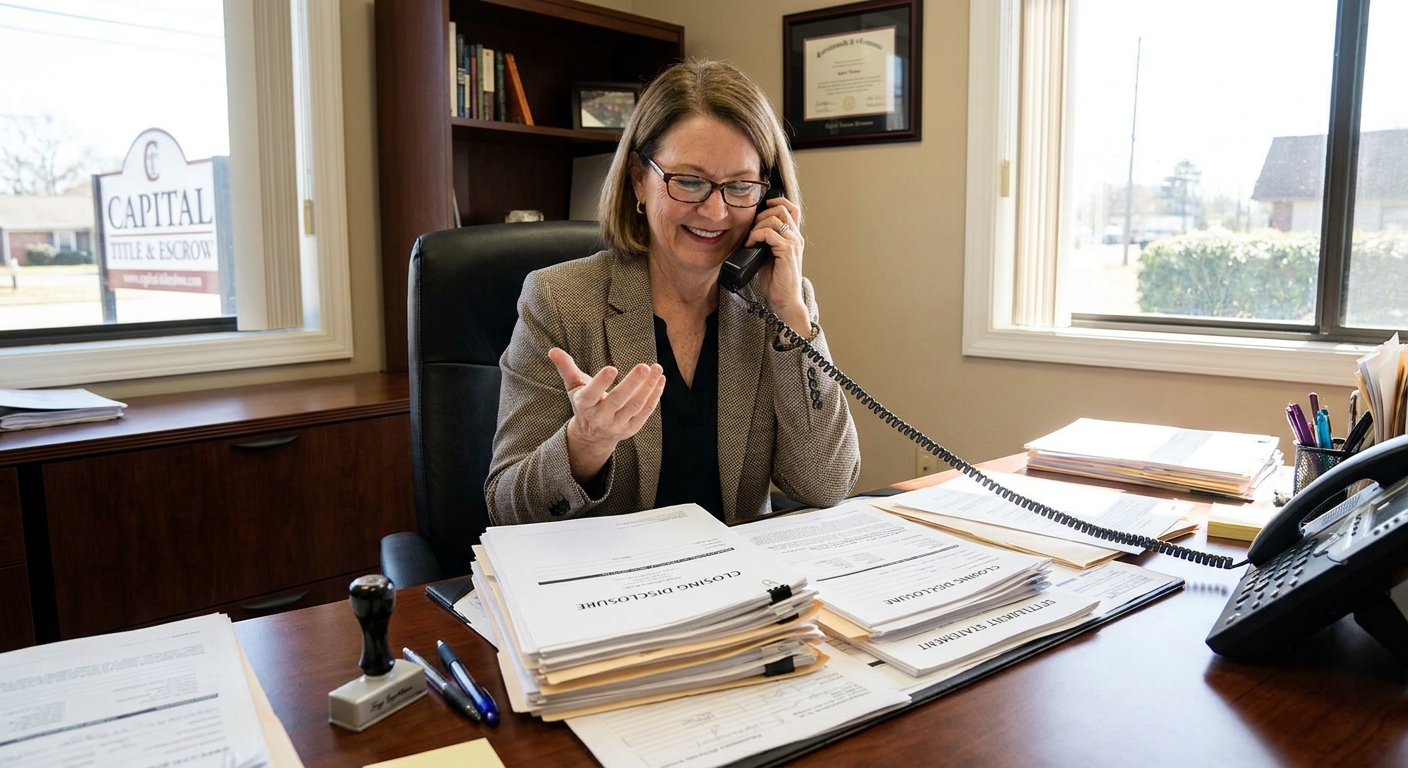
What real instructions look like
Every company is a little different, but most legitimate closing wire instructions share a few traits:
- They come from the title or escrow company handling your closing, not from a random “processor” you have never spoken to.
- They include a beneficiary name that matches the escrow or title company (or a clearly identified escrow account at their bank).
- They do not pressure you with threats like “close will be canceled in 30 minutes.” Deadlines are real, but professionals stay calm and precise.
- They often include a security warning telling you to call to verify before wiring.
Many title and escrow companies also have a standard policy like: wiring instructions do not change by email. Policies vary, but as a buyer you can treat this as a practical rule of thumb: if you receive “updated” instructions electronically, assume it is suspicious until you confirm by phone using an independently sourced number.
On the flip side, fraud attempts often include odd urgency, new bank details “effective immediately,” or a request to keep it secret “to avoid delays.” That secrecy angle is a huge red flag.
Email is not secure
A lot of buyers assume that if an email looks professional, it must be safe. Unfortunately, email is easy to compromise in ways that are invisible to you.
Common tricks criminals use
- Lookalike domains: “@titIecompany.com” where a capital “I” is swapped for a lowercase “l.” Your brain barely notices.
- Reply-to swaps: The sender name looks right, but the reply-to address is different.
- PDF swaps: The email is real, but the attached PDF has been replaced with fake wiring instructions.
- Thread hijacking: They reply inside an existing email chain, so it feels trustworthy.
What about secure portals?
Many title companies use secure portals for documents. That helps. But scammers can still trick you with a fake portal link in an email or text. The same rule applies: do not click to “verify.” Type the site address yourself or use a saved bookmark, then call a known number to confirm the details.
How to wire safely at your bank
Once you have verified instructions by phone, you still want to wire carefully. Think of this as the “second lock” on the door.
Here is the checklist I use:
- Ask before sending a test wire. In some transactions, a small test wire can help confirm the path. In others, title companies explicitly forbid test wires because it can disrupt ledger accounting or create extra reconciliation work. If you want to do one, get clear permission first and confirm how they want it labeled.
- Watch for mismatches or missing details. Some banks may flag inconsistencies, while many domestic wire systems do not truly “name match” for you. Either way, if anything looks different from what escrow confirmed, stop and call the title or escrow officer again.
- Ask about wire recall timing. Your bank can tell you how quickly a recall request can be initiated if something goes wrong. Recalls are not guaranteed.
- Know the daily cutoff. Wires initiated after a certain time may not arrive same day.
- Save proof. Keep the wire receipt, confirmation number, and the name of the bank employee you spoke with.
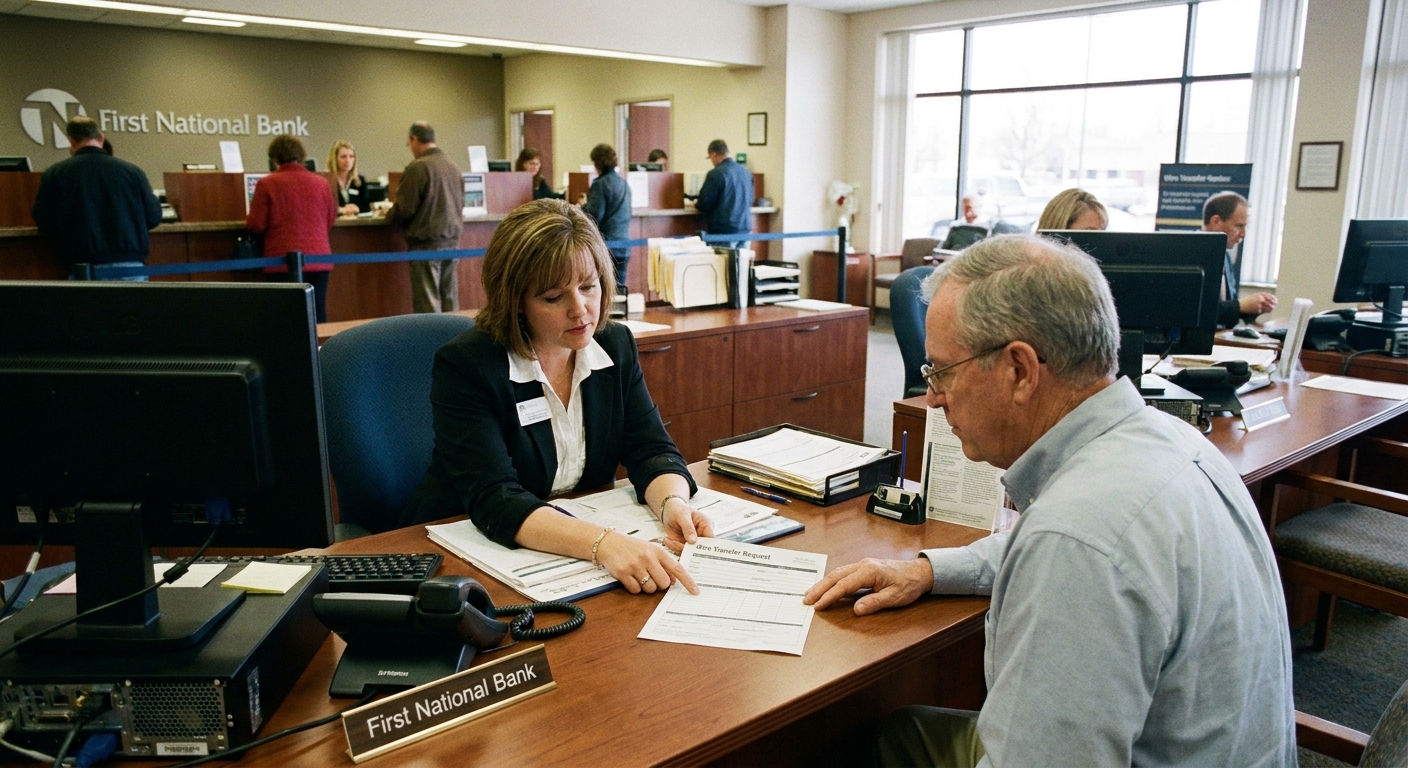
Also, consider doing the wire in person if you are anxious. A banker can double-check details with you line by line.
Earnest money vs closing wires
Earnest money and closing funds are often wired at different points in the process, sometimes to different accounts. That creates confusion that scammers love.
How to keep it clean
- Get clarity early: Ask your agent or escrow officer on day one: “Will earnest money be wired? Will closing funds be wired? Are the instructions the same?”
- Verify each wire separately: Even if you wired earnest money successfully, verify closing instructions again. Accounts and amounts can differ.
- Use the same ritual: Independently sourced number, call-back, read-back, confirm beneficiary.
- Document where each payment went: Save receipts for earnest money, option fees (if any), and closing funds.
If you already sent earnest money and everything worked, that can reduce anxiety. But it should not reduce your caution. Criminals often wait for the larger “cash to close” wire.
Red flags to stop on
If you see any of the following, stop and verify by phone using an independently sourced number:
- A last-minute change to wiring instructions
- A new bank name you have never heard mentioned before
- An email or text pushing urgency or secrecy
- A request to send funds to a personal name instead of an escrow entity
- Spelling errors, strange formatting, or slightly off email addresses
- A request to use a different communication channel midstream (like moving to text)
One more subtle red flag: you feel rushed and unsure. That feeling is your brain noticing inconsistencies.
If you cannot reach escrow
This happens more than you think, especially after-hours, on weekends, or during busy closing weeks.
- Do not wire until you speak to the title or escrow company. If you cannot confirm the details live using a trusted number, wait.
- Plan around cutoff times. Ask your escrow officer early in the week what the funding cutoff is, and what “on time” means for your specific closing.
- Have a backup contact. Ask for a second phone number or a main office line you can call if your primary escrow officer is unavailable.
If you already wired and think it was a scam
Move fast. Minutes matter.
- Call your bank immediately and ask for the wire department or fraud team. Request a wire recall and a fraud hold if possible. Results vary and recalls are not guaranteed, but speed helps.
- Call the receiving bank if you have the details. Your bank can help with this step.
- Notify your title or escrow company and your real estate agent. They may have procedures and contacts.
- File a report with law enforcement. In the US, you can file with the FBI’s Internet Crime Complaint Center (IC3) at ic3.gov.
- Preserve evidence. Save emails, PDFs, phone numbers, and wire confirmations. If you can, also save full email headers.
Even if you are embarrassed, do not delay. Scammers count on silence and slow reactions.
Will you get your money back
This is the hard truth: reimbursement is not guaranteed. Wire transfers are not like credit cards. Once funds settle and are moved out of the recipient account, recovery becomes much harder.
Your odds are generally better when:
- You report it immediately, ideally within hours
- The receiving bank can freeze the funds before they are withdrawn or forwarded
- The transfer has not fully cleared or has not been split across multiple accounts
Your odds are generally worse when:
- A day or more has passed
- The money was quickly moved to other accounts or converted
- There is limited cooperation or slow response across institutions
Some people do recover partial or full amounts, but the safest plan is prevention through verification.
Closing day wire checklist
- Only trust instructions after phone verification using a known, independent number
- Verify with the title or escrow company that is handling your closing
- Read back bank name, routing number, account number, beneficiary
- Confirm no changes and confirm amount and deadline
- Do not use numbers or links from emails or texts to verify
- Keep receipts and confirmation numbers
- If anything feels off, stop and re-verify
Buying a home is stressful enough. You should not have to worry about losing your down payment to a criminal with a keyboard. A simple call, to a known number, is one of the highest-value 10-minute actions you can take before closing.
Disclaimer: This article is for general informational purposes only. Closing practices vary by state, country, company, and bank. Always follow instructions from your title or escrow provider and your bank, and verify any payment details directly with the title or escrow company using a trusted contact method.