
The first time I heard someone say “gap insurance covers the rest,” I believed it. Because when you are stressed after a crash or theft, you want one clean answer: the car is gone, insurance pays, loan is done.
GAP coverage can be a lifesaver, but it is not a blank check. After a total loss, it’s common to find out there are parts of your balance GAP won’t touch. The result is frustrating: the auto insurer sends the actual cash value check, GAP pays something, and you can still end up writing a check to the lender.
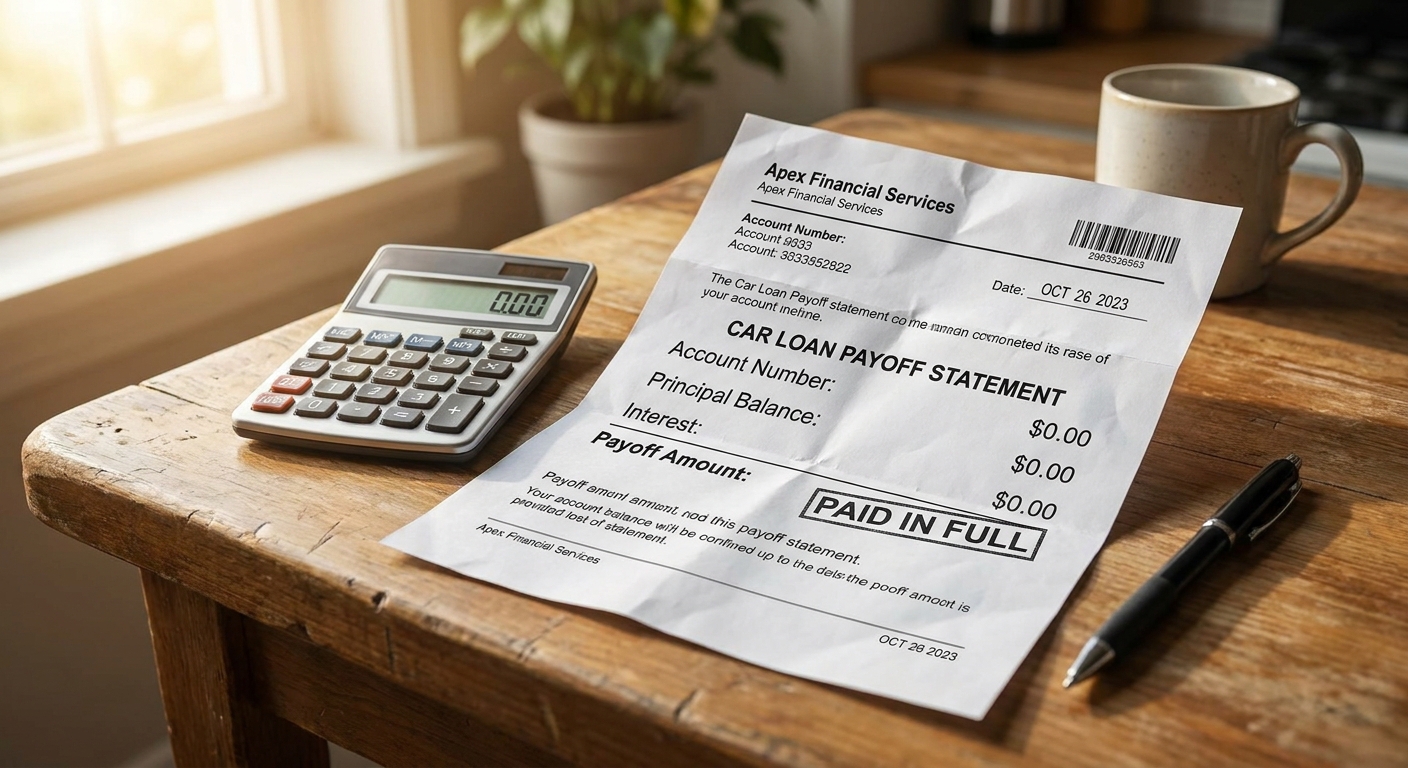
Let’s break down what GAP insurance typically will not pay after a total loss, and walk through a claim example where the loan still isn’t fully covered.
Quick refresher: what GAP is for
In plain English, a typical GAP policy is meant to cover the difference between:
- What your auto insurer pays for the totaled car (the actual cash value, or ACV, usually after your deductible is applied), and
- What you still owe on the loan or lease at the time of the loss.
That sounds simple, but real loans have add-ons, fees, rolled-in balances, and timing issues. GAP coverage usually has rules for what counts as an “eligible” payoff amount.
Important: GAP terms vary by insurer, lender, and state. The exclusions below are common, but your policy language is the final word.
Two common types of GAP
You will usually run into GAP in one of two forms, and the fine print can differ.
- Dealer or lender GAP waiver: Often sold in the finance office and administered through a third party. It may be framed as a waiver of the deficiency rather than an insurance payout.
- Auto insurer GAP endorsement: Added to your car insurance policy (often on a new or newer financed vehicle). The deductible treatment and benefit caps can be different from a dealer product.
Either way, the key is the same: look at how your contract defines the covered payoff and what it excludes.
What GAP typically will not pay
1) Your auto insurance deductible (often)
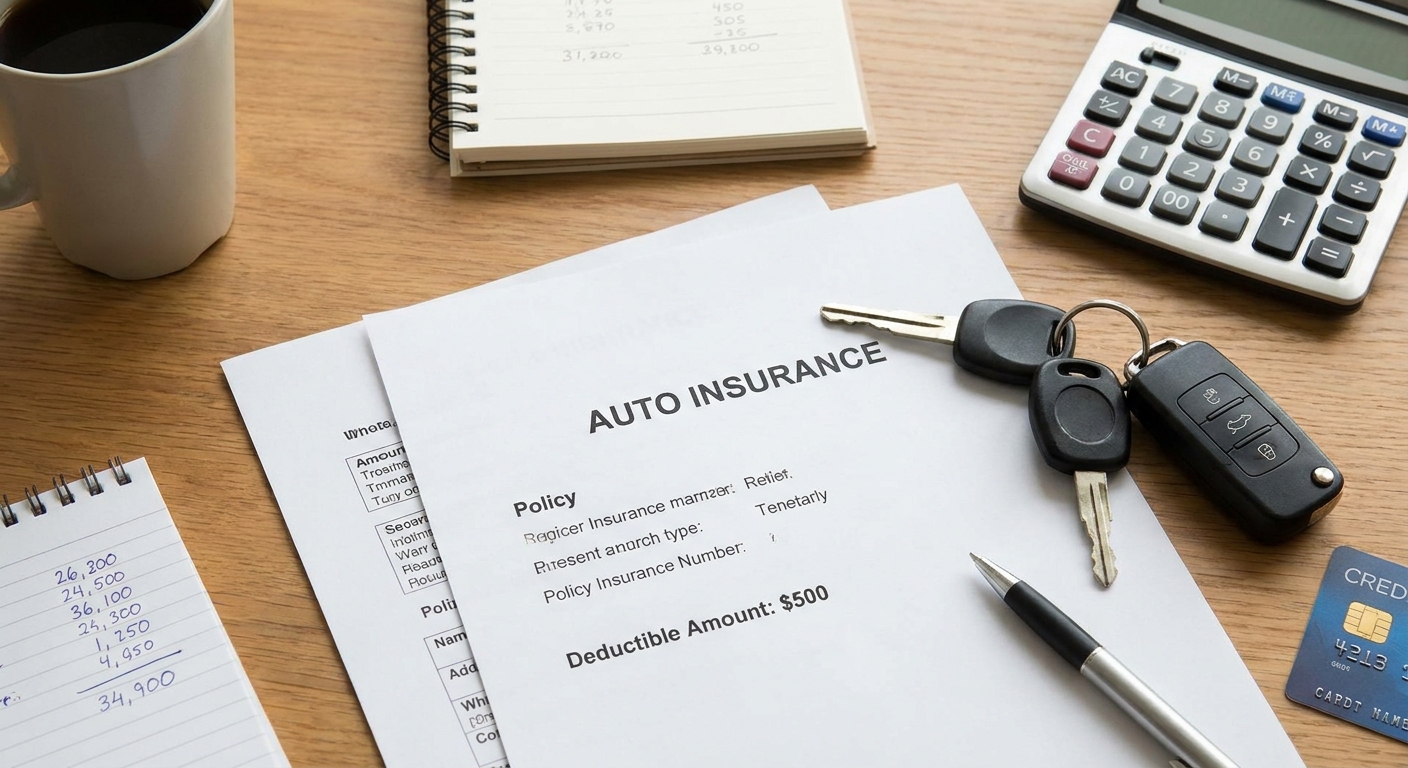
This one surprises people because it feels like part of the “gap.” Many GAP products do not cover the deductible, while some offer a deductible credit or waiver (often capped).
Example: If your car’s ACV is $22,000 and your deductible is $1,000, your auto insurer might pay $21,000. That deductible effectively reduces the amount applied to your loan, so it often shows up as part of the deficiency people think GAP will erase.
You have to check your documents to see whether your GAP includes any deductible benefit.
2) Overdue payments, late fees, and penalties (commonly)
If you are behind on your car payment when the loss happens, GAP commonly will not cover:
- Past-due amounts
- Late fees
- Payment deferral fees
- Other lender penalties
Many contracts are written to cover a “net payoff” as of the date of loss, but only the portion tied to the normal amortization of the loan, not delinquency-related charges. The exact definition varies, so check your payoff definition.
3) Extended warranties, service contracts, and other refundable add-ons (often)
A lot of people finance add-on products into the auto loan, like:
- Extended warranty or vehicle service contract
- Maintenance plan
- Wheel and tire protection
- Paint and fabric protection
- GAP itself (if you bought it through the dealer)
Here’s the catch: many of those products are separately refundable when the car is totaled or paid off early. Because you can often cancel them and get a prorated refund, a GAP policy may treat them as ineligible or expect the refund to be applied first.
Real-world claims can play out in different ways. Sometimes the GAP administrator calculates the benefit assuming those refunds will be applied, and sometimes GAP pays based on the payoff shown and the lender later applies refunds. Either way, refundable add-ons are a common reason balances look confusing mid-claim.
That means you might have to do two separate things at the same time:
- File your total loss claim, and
- Cancel refundable add-ons and make sure the refund goes to the lender.
4) Negative equity rolled into the new loan (often limited)
If you traded in a prior car and still owed more than it was worth, the leftover balance can be rolled into the next loan. That rolled-in amount is called negative equity.
This is one of the most common surprises. Many GAP policies either:
- Exclude negative equity entirely, or
- Only cover it up to a limited dollar amount or percentage.
So if your new car gets totaled early in the loan, you might be dealing with a double problem: normal depreciation plus old debt attached to the new car.
5) Down payment replacements and cash back
GAP is not designed to reimburse you for money you put down. If you made a $3,000 down payment, then totaled the car six months later, GAP is not a down payment protection product.
Similarly, if the total loss settlement is more than what you owe, GAP does not pay you extra. That extra amount is handled under the auto insurance settlement rules, not GAP.
6) Prior damage and condition-related ACV reductions
Your auto insurer’s ACV settlement can be reduced by things like:
- Pre-existing damage
- High mileage
- Condition issues (tires, interior, bodywork)
GAP coverage does not usually “argue” the ACV number for you. If the ACV is lower than you expected, the gap can get bigger, but the GAP policy may still have limits on what it will pay based on eligible payoff rules.
7) Certain fees and loan add-ons (depends)
Depending on the policy, GAP may not cover items like:
- Unearned or remaining finance charges, or interest/fee components that are not part of the covered payoff definition
- Skip-a-payment or payment extension fees
- Some lender-imposed fees
- Aftermarket equipment not covered by your auto policy
If something is added to your payoff that is not considered part of the covered loan amount, it can be excluded.
8) Coverage limits and payout caps
Even when GAP covers the right category of balance, many policies cap how much they will pay. A common structure is a maximum percentage above ACV, or a maximum dollar amount.
If your loan is far upside down, you can hit the cap and still owe money.
How the total loss process usually works
One reason people panic is timing. The numbers often look wrong halfway through the process.
- Your auto insurer declares the car a total loss and calculates ACV.
- The insurer issues payment (often to the lienholder, sometimes with you listed too).
- Your lender posts that payment, then generates an updated payoff that may include per-diem interest up to a payoff date.
- The GAP administrator requests documents (settlement letter, valuation report, payoff statement, contract).
- GAP pays the covered deficiency to the lender if there is an eligible balance.
During that window, you might see a balance that looks scary, even if GAP is still pending.
Claim example: total loss where GAP still does not clear the loan
Here’s a realistic scenario to show how this can play out. Numbers are rounded for clarity.

The setup
- Car is totaled in an accident.
- Actual cash value (ACV) determined by auto insurer: $24,000
- Collision deductible: $1,000
- Auto insurer payout to lender: $23,000
- Loan payoff shown by lender: $30,800
Why the payoff is so high
- Base loan principal remaining: $28,400
- Past-due payments and late fees: $600
- Refundable service contract remaining: $900
- Negative equity rolled from prior car: $900
What GAP covers (and what it will not)
First, the raw “gap” looks like this:
- Loan payoff: $30,800
- Minus auto insurer payout: $23,000
- Remaining balance: $7,800
Now apply common GAP exclusions and ineligible items:
- Deductible: $1,000 (often not covered)
- Past-due and late fees: $600 (commonly not covered)
- Refundable service contract: $900 (often treated as ineligible because it can be canceled and refunded)
- Negative equity: $900 (may be excluded or limited)
Eligible portion of the gap might be:
- $7,800 remaining balance
- Minus $600 past-due/fees
- Minus $900 refundable add-on
- Minus $900 negative equity
- Minus $1,000 deductible
- GAP-eligible amount: $4,400
So GAP pays $4,400.
What you still owe
The remaining out-of-pocket balance is the excluded portion:
- $7,800 total remaining
- Minus $4,400 paid by GAP
- You still owe: $3,400
You might reduce that $3,400 if you successfully cancel the service contract and the refund goes to the lender. Depending on how your GAP benefit is calculated, the refund may be expected as part of the process or it may post after GAP pays, but either way it can reduce what you ultimately owe.
How to protect yourself before you need GAP
Ask one question: what is excluded?
I know nobody wants to read insurance paperwork at the dealership. But this is a two-minute conversation that can save you a four-figure surprise later.
- Does it cover the deductible at all?
- Is there a cap (percentage or dollar maximum)?
- Does it exclude rolled-in negative equity?
- What fees are excluded?
Keep your loan clean if you can
The less junk in the balance, the cleaner a GAP claim tends to be.
- Avoid rolling negative equity into the next loan if possible.
- Be cautious financing add-ons you could pay monthly or skip entirely.
- Stay current on payments. Late fees can become your problem in a total loss.
If the ACV seems low, challenge it fast
If you think the ACV is wrong, you can usually dispute it with your auto insurer. The fastest way to shrink a deficiency is to fix the valuation itself.
- Ask for the valuation report and review the trim, options, mileage, and condition notes.
- Correct errors (missing packages, wrong mileage, incorrect condition adjustments).
- Send a few comparable local listings with the same trim and similar miles.
After a total loss, list every add-on you financed
If your loan included a service contract or other protection plans, call the provider and ask how cancellations work after a total loss. Your goal is to make sure any prorated refund is processed and sent to the lender as fast as possible.
Lease note
If you lease, you may already have GAP included in the lease, so buying a separate GAP product might be redundant. Also, GAP does not necessarily cover every lease-related charge. Depending on the contract, things like excess wear, mileage penalties, past-due payments, and some fees may still be your responsibility.
FAQ
Will GAP pay if I am behind on payments?
Often it will pay the covered portion of the deficiency, but many policies exclude past-due amounts and late fees. That can leave you owing money even after the GAP payout.
Does GAP cover the deductible?
Some GAP products cover a limited amount of the deductible, but many do not. You have to verify in your contract or policy certificate.
If I rolled negative equity into my loan, will GAP cover it?
Sometimes, but not always. Negative equity is a common exclusion or limitation. If your loan is heavily upside down because of a prior car balance, you are more likely to run into a GAP shortfall.
My lender says I still owe money after GAP paid. What should I do?
Ask the lender for an itemized payoff breakdown and compare it to your GAP coverage terms. Look specifically for past-due amounts, late fees, refundable products, negative equity, and any other add-ons. If you financed a service contract or similar product, start the cancellation process right away so any refund can reduce the balance.
The bottom line
GAP is built to cover one specific problem: your car’s value dropping faster than your loan balance. It is not designed to cover everything that can inflate a payoff amount, like overdue payments, deductible amounts, refundable add-ons, and negative equity from an older loan.
If you want to avoid the “GAP did not cover it all” surprise, the best move is to read the exclusions now, keep your loan balance as clean as possible, and know what parts of a payoff a GAP policy usually considers ineligible.