
I remember the first time I looked at a car contract closely enough to notice the add-ons. I had that sinking feeling of: Wait, I paid for what? Gap coverage is one of those items that can be smart in the right situation, but if you no longer need it, you should not keep paying for it. In many cases, you can cancel gap insurance and get a pro-rated refund for the unused portion.
This guide walks through when a refund is typically owed after payoff, sale, trade-in, or refinance, plus the cleanest way to request cancellation whether you have a dealer gap waiver or an insurance policy.
If you are still deciding whether gap coverage is worth buying in the first place, I keep that decision focused on a separate page: Gap Insurance on Car Loans and Leases: When It’s Worth Buying.
Gap insurance vs. a gap waiver
People say “gap insurance” for both products, but cancellation and refunds work a little differently depending on what you purchased.
Gap insurance policy (from an insurer)
This is an insurance product, often sold at the dealership but underwritten by an insurance company. You usually get a separate policy number and paperwork that looks like an insurance contract. If you cancel early, you may be owed a refund of the unearned premium, usually pro-rated, sometimes with an administrative fee depending on the contract and state rules.
Gap waiver (from the lender or dealer)
This is often called a “debt cancellation agreement” or “gap waiver.” It is not technically insurance. It is an agreement that the lender will waive some remaining balance after a total loss, up to stated limits. Refunds are still common when you pay off early or otherwise end the loan, but the request typically runs through the lender or the dealership’s finance office, not your auto insurer.
Quick way to tell which one you have:
- If the document says "waiver" or "debt cancellation", it is usually tied to the loan and handled by the lender or the dealer.
- If you see "policy", "certificate", an insurer name, and a policy number, it is usually a separate insurance product.
When you are usually owed a gap refund
In most real-world situations, you are looking for a pro-rated refund of the unused portion of the coverage term. Whether you get it automatically or have to request it depends on the provider and how the loan ends.
You paid off the car loan early
If you pay off the loan before the end of the original term, you commonly stop needing gap coverage because there is no remaining loan balance to protect. Many gap products allow cancellation at payoff with a refund of unearned charges.
You sold the car
If you sold the vehicle and paid off the loan as part of the sale, the same logic applies. Once the loan is satisfied, the gap coverage typically can be cancelled, and a refund may be due for the unused term.
You traded in the car
Trade-ins often include a payoff behind the scenes. If the old loan was paid off, your old gap coverage usually becomes eligible for cancellation. If you rolled negative equity into the next loan, that is a separate question from the refund process. The refund, if any, depends on your old contract and payoff date.
You refinanced your auto loan
Refinancing pays off your existing lender and replaces it with a new loan. That often ends a lender-based gap waiver. In many cases you can request a pro-rated refund based on the payoff date of the old loan.
You cancelled because you no longer need it (but the loan is still open)
Some policies allow cancellation even while the loan is open, but refunds and eligibility vary. For example, if your loan balance is now lower than the car’s value, gap may not be useful anymore, but your contract controls whether you can cancel mid-term and how the refund is calculated.
Common situations where a refund may not apply:
- You already used the gap benefit due to a total loss claim. After a claim is paid, there is typically nothing left to refund.
- The contract includes a short “free look” window only, or limits refunds after a certain number of days. This is product-specific.
- The agreement says it is non-refundable (less common, but it happens).
How gap refunds are calculated
Most refunds are based on unearned premium or unused charges, meaning the portion of what you paid that covered future months you will not use.
- Pro-rated refund: The most common method. If you used 10 months of a 60-month term, you might get back roughly the remaining 50 months’ worth, minus any allowed fees.
- Rule of 78s: Some older loan add-on products use a front-loaded method that gives a smaller refund earlier in the term. Your paperwork will say if this applies.
- Fees: Some contracts allow a small cancellation fee. Whether and how much depends on the agreement and state rules.
Also note: you might not receive a check. Some providers send the refund to the lender first, which then applies it to your loan balance. If your loan is already paid off, that is when a check to you is more likely, but processes vary.
How to cancel gap coverage
If you want the smoothest refund, your goal is to submit a clean request with the right documents on the first try.
Step 1: Find your gap paperwork
Look in your closing documents from the dealership or your lender portal. Search for terms like “GAP,” “Guaranteed Asset Protection,” “Debt Cancellation,” “Waiver,” “Addendum,” or “Certificate.”
Grab these details:
- Provider or administrator name
- Policy or agreement number
- Vehicle information (VIN is best)
- Contract purchase date and term
- Cost of the gap product
Step 2: Confirm the payoff or end date
Refunds usually hinge on the payoff date or the date ownership changed. Get proof in writing.
- If paid off: payoff letter or “paid in full” letter from the lender
- If refinanced: payoff confirmation showing the old loan was satisfied
- If sold or traded: bill of sale and payoff statement or trade documentation
Step 3: Contact the right place
- Gap waiver tied to your loan: start with your lender, then the dealership finance office if the lender directs you.
- Gap policy through an insurer or administrator: contact the insurer or the policy administrator listed on the certificate. If the dealer sold it, they may still process the cancellation form.
If you are not sure, call the number on the gap document, not the general dealership switchboard.
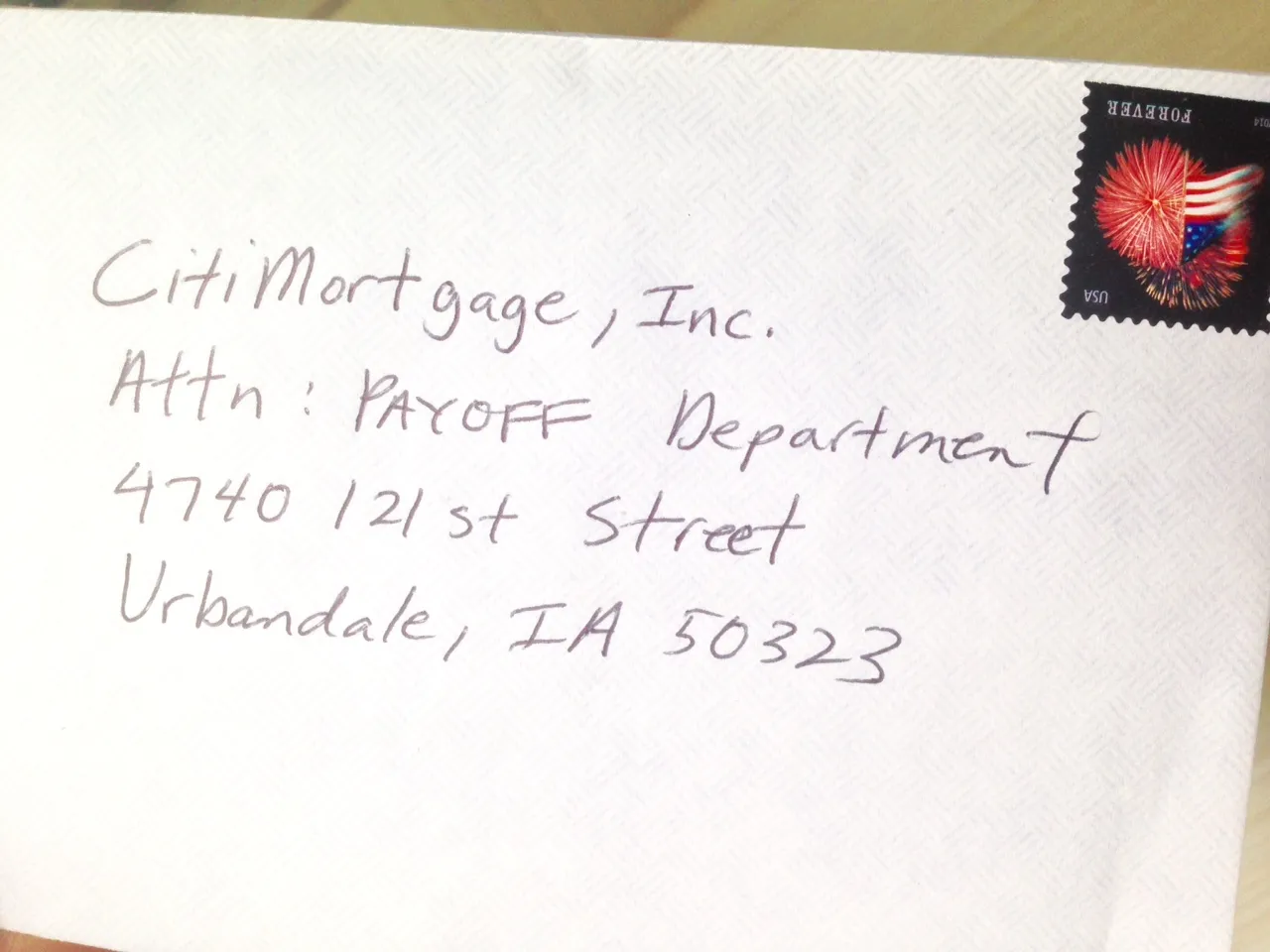
Step 4: Submit a cancellation request in writing
Many companies have a standard cancellation form. If they do not, a signed letter usually works. Keep it short and boring. You want it to be easy to approve, not impressive.
In your request, include:
- A clear statement that you are requesting cancellation of your GAP coverage
- The effective date you want used, typically the loan payoff date or the vehicle sale date
- The vehicle details, including year, make, model, and VIN
- Your GAP policy number or waiver or agreement number
- Your loan account number (if the GAP is tied to the loan)
- Your full name and contact info, including a mailing address for any refund check
- A sentence asking them to issue any applicable refund of unearned premium or unused charges, and to confirm the expected timeline
Step 5: Send supporting documents
In most cases, these are the documents you will be asked for:
- Gap contract, waiver, or policy certificate (copy)
- Loan payoff letter or paid-in-full statement (copy)
- Proof of sale or trade-in, if applicable (copy)
- Odometer statement, if requested (sometimes required)
- Your ID, if requested (some providers ask for verification)
Always keep originals. Send copies.
Step 6: Track the refund
Ask how the refund will be issued (check to you versus sent to the lender), and get an estimated timeline. Then calendar a follow-up date.
- Save your submission confirmation, email thread, fax receipt, or certified mail tracking.
- Write down the name and extension of anyone you speak to.
- If your lender was supposed to apply the refund, check your loan transaction history for a credit.
Refund timelines and deadlines
There is no single universal deadline that applies everywhere, because rules can vary by state and by contract. That said, these patterns are common:
- Cancellation window: Some products can be cancelled any time; others require you to request cancellation within a set number of days after payoff, sale, or refinance.
- Refund processing time: It is common to hear timelines like 2 to 6 weeks once the provider has a complete request.
- Backlog delays: Refunds often stall because of missing payoff proof, incomplete forms, or the request being sent to the wrong party.
If your paperwork mentions a specific number of days for refunds or cancellation eligibility, treat that as the rule for your situation and act quickly.
What if they say it is non-refundable?
This is where details matter. Some people get brushed off simply because the dealership does not want to deal with the paperwork. Before you accept “no”:
- Read the gap addendum or certificate. Look for “cancellation,” “termination,” and “refund” sections.
- Ask who administers the product. Many dealer-sold gap plans are run by a third-party administrator. You can often contact that administrator directly.
- Ask your lender. If it is a waiver tied to the loan, the lender may have a formal cancellation process.
- Escalate politely. Request a manager in the finance office and ask for the denial in writing with the specific contract language they are relying on.
If you still hit a wall and you believe your contract provides for a refund, consider contacting your state insurance department (for insurance policies) or state consumer protection office (for lender and dealer products). Keep it calm and document-driven.
FAQ
Do I get a gap refund automatically when I pay off my loan?
Sometimes, but do not assume it. Many refunds require a cancellation request and payoff proof. If you have not seen a refund or a loan credit within a few weeks of payoff, call and ask what their process is.
If my gap refund is sent to the lender, what happens if the loan is already paid off?
Typically the lender will forward the overage to you, but it can add time. Ask whether the provider can send the refund directly to you now that the account is closed.
Can I cancel gap insurance if I still owe on the car?
Possibly. It depends on the contract. Some allow cancellation at any time, while others tie cancellation to payoff, sale, or refinance.
Will cancelling gap insurance affect my regular car insurance?
No. Gap coverage is separate from liability, collision, and comprehensive. Cancelling gap does not change your auto insurance policy, but make sure you still have the coverage your lender requires.
I rolled my gap cost into my loan. Can I still get a refund?
Yes, potentially. If it is refundable, the refund might be applied to your loan balance first. If the loan is paid off, it may come back to you as a check.
My quick checklist
- I located the gap document and identified whether it is a policy or a waiver.
- I have a payoff letter or proof of sale or refinance payoff.
- I submitted a signed cancellation request with VIN and agreement number.
- I saved proof of submission and wrote down who I spoke with.
- I set a follow-up reminder for 21 days.
If you do those five things, you will be ahead of most people, and you will usually get to “refund received” with a lot less stress.