
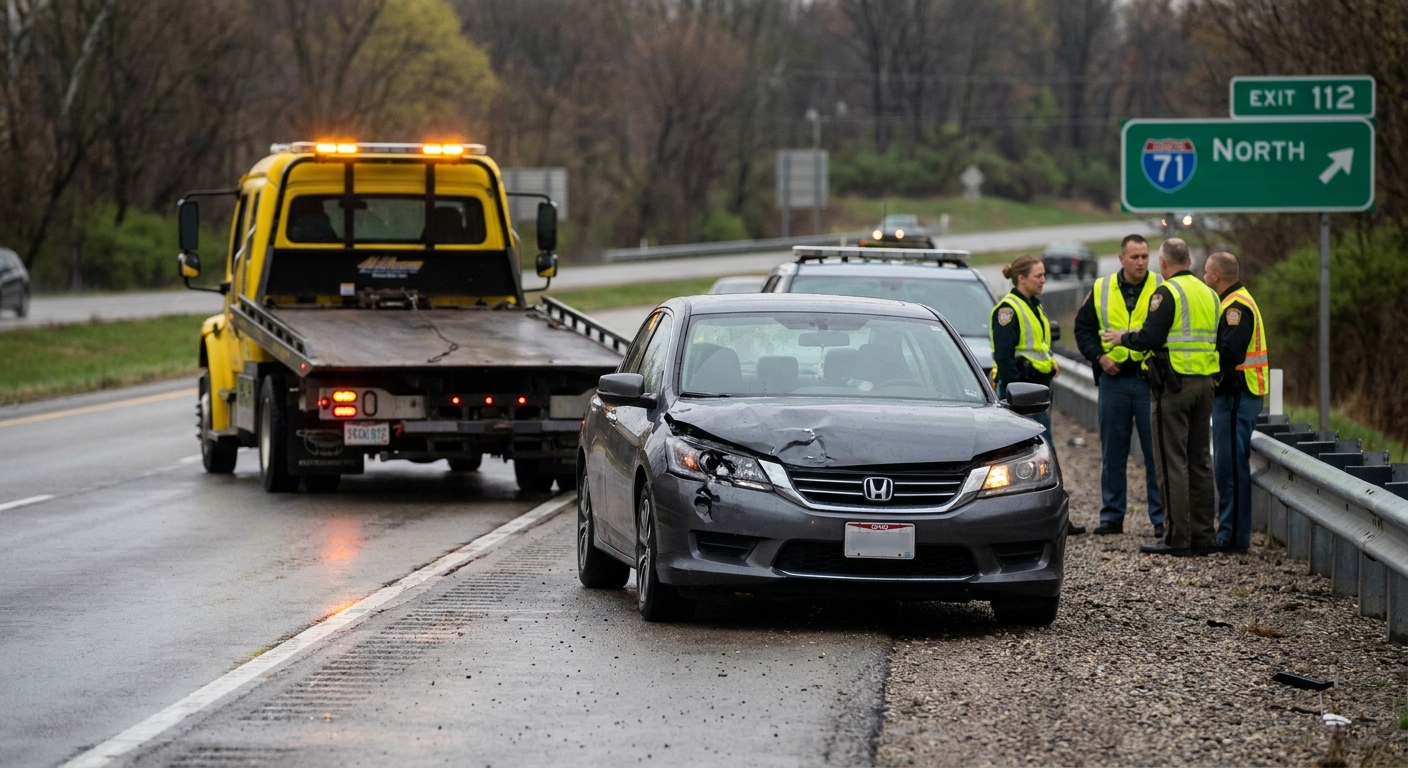
Gap insurance is one of those add-ons you can ignore for years, until the exact wrong day happens: your car gets stolen or totaled, insurance pays what the car was worth, and you are still on the hook for the rest of the loan or lease. That leftover balance is the “gap.”
If you are financing a car with a small down payment, rolling old debt into the new loan, or signing a lease, gap coverage can be a genuinely helpful safety net. If you have a big down payment and you are not upside down, it is often unnecessary.
What gap insurance is (and what it is not)
Gap insurance pays the difference between:
- Actual cash value (ACV): what your vehicle was worth right before it was totaled or stolen, based on depreciation and local market pricing
- Your payoff amount: what you still owe on the loan or what your lease contract says is owed to satisfy the lease after a total loss
If ACV is lower than the payoff, gap can cover some or all of that difference, depending on the policy.
Gap does not replace your normal coverage
Gap insurance usually only applies after your auto insurer declares the vehicle a total loss (or it is stolen and not recovered). You generally still need:
- Collision (at-fault accident or single-car accident)
- Comprehensive (theft, hail, flood, animal strike, etc.)
In practice, gap usually requires a covered total loss under a primary auto policy that pays ACV. Without collision and comprehensive (or another qualifying primary loss payment), there is typically nothing for gap to “bridge.”
Gap usually does not cover everything you might think
Many gap policies have limitations. Common exclusions include:
- Extended warranties, service contracts, and maintenance plans
- Overdue payments, late fees, or payment deferrals
- Carry-over balances beyond the policy’s limit (often capped at a percentage of ACV, such as 125% or similar)
- Some aftermarket equipment not permanently installed
- Insurance deductibles, unless the policy specifically includes deductible coverage or a deductible credit
Before you buy, ask for the contract and look for sections labeled “exclusions,” “maximum benefit,” and any “percentage cap.”
Why a gap happens after a total loss
This is the part that surprises people: your auto insurer is not trying to pay off your loan. They are paying ACV, which is basically depreciation in real time.
Meanwhile, early in a loan, a big chunk of your payment goes to interest and fees, not principal. So your loan balance can stay high while the car’s value drops fast.
A simple example
- You buy a car for $32,000 with minimal money down.
- A year later it is totaled.
- The insurer determines the ACV is $25,500.
- Your loan payoff is $29,200.
- The gap is $3,700 (and without gap coverage, that bill is yours).
Taxes, registration, dealer add-ons, and rolling in negative equity can make this gap larger, faster.
When lenders require gap insurance
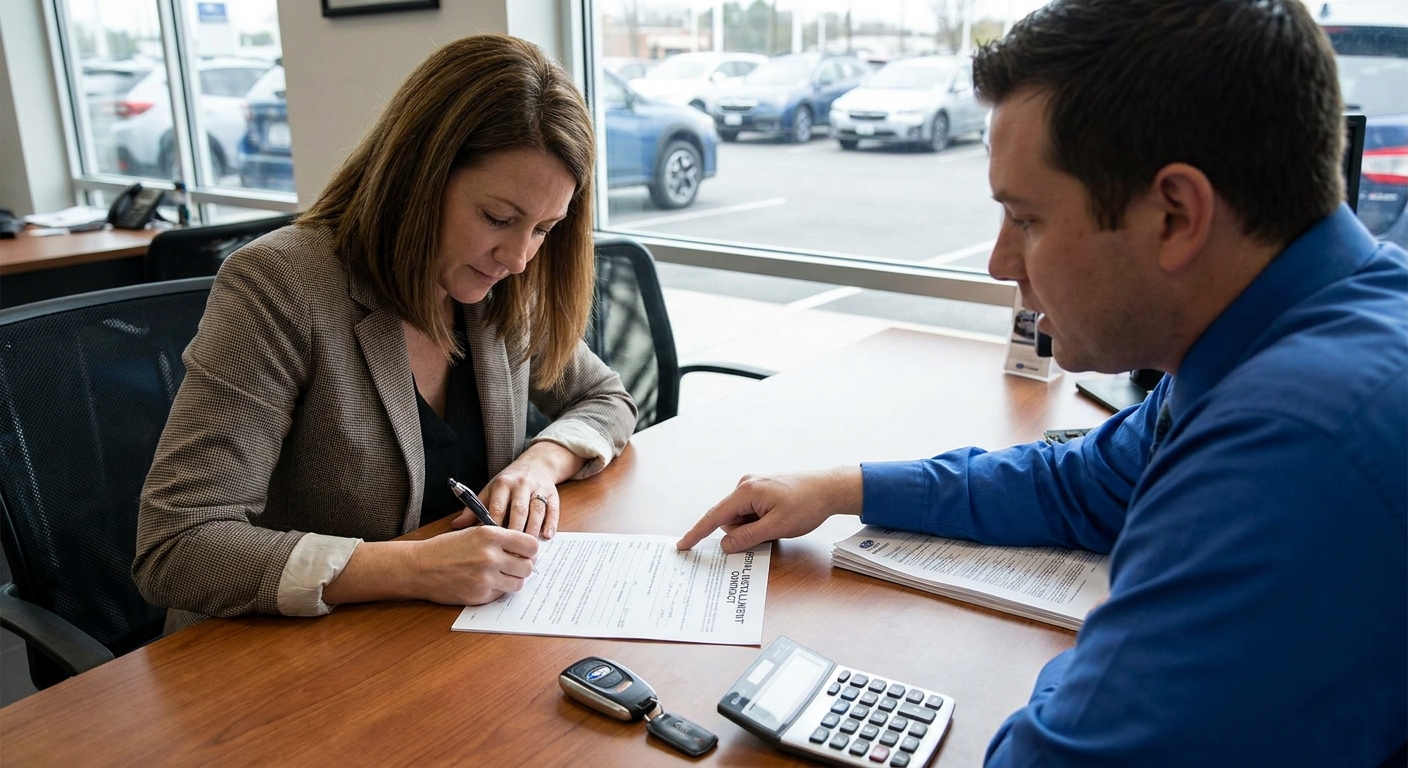
Not every lender requires gap insurance on a loan, but some do. It is more common when:
- You put very little down
- The loan term is long (for example, 72 to 84 months)
- You are financing a high percentage of the vehicle’s value
- You roll negative equity into the new loan
Leases are the big one. Many leases include a GAP waiver or require some form of gap protection, but it is not universal. Read the lease contract and confirm with the leasing company.
Do this before buying any gap on a lease
- Check your lease agreement for language like “GAP waiver” or “GAP coverage.”
- Ask the leasing company directly if it is included.
- If it is included, do not add separate gap through the dealer unless the leasing company confirms you need it.
When gap insurance is worth buying
In my experience, gap coverage is most valuable when you are likely to be “upside down” for a while. Here are the situations where it usually makes sense.
You put less than 20% down
Small down payments are not automatically bad, but they increase the odds that the loan payoff stays higher than ACV, especially in the first couple of years.
You have negative equity
If you traded in a car you still owed money on and rolled that balance into the new loan, gap coverage moves from “nice-to-have” to “you should seriously consider this.” Negative equity creates an instant gap on day one.
You chose a long loan term
Long terms can keep your payments manageable, but they slow down principal paydown. Depreciation does not slow down just because the loan is longer.
Your car model depreciates quickly
Some vehicles hold value better than others. If resale values are soft for your model, the ACV can fall faster than the balance.
You drive a lot of miles
High mileage typically lowers market value faster. That is another way ACV can pull away from your payoff.
You could not comfortably write a check for the gap
This is the simplest test: if your car was totaled next week and you had to come up with $2,000 to $8,000 to close out the loan, would that wreck your finances? If yes, gap insurance may be doing exactly what insurance is supposed to do: protect you from a financial gut punch.
When gap insurance is usually not worth it
Gap is not a forever product. It is a temporary tool for a temporary problem.
You made a large down payment (or you owe less than the car is worth)
If you are comfortably not upside down, gap coverage is redundant.
You are near the end of the loan
Later in the loan, your balance usually falls below ACV. Paying for gap at that point is often wasted money.
You could pay the difference without blowing up your budget
If your emergency fund is strong and the potential gap is small, you might decide to self-insure this risk.
Your lease includes a GAP waiver
Some leases include it. Many do not. Either way, confirm in the lease contract so you do not pay twice.
Dealer gap vs insurer gap
You can typically buy gap coverage in two places:
- At the dealership (often as part of the financing paperwork)
- Through your auto insurance company (as an endorsement added to your policy)
Dealer gap coverage
Pros: convenient, often available even if your insurer does not offer it.
Cons: usually more expensive, and it is often rolled into the loan, meaning you pay interest on it. Pricing varies widely by provider, vehicle, and market, but it is commonly anywhere from a few hundred dollars to over $1,000.
Watch for:
- Whether it is refundable if you cancel early or pay off the loan
- Maximum payout limits, percentage caps, and exclusions
- Any requirement that you carry certain deductibles or coverage levels
Insurer gap coverage
Pros: usually cheaper as a monthly add-on, and easy to remove once you are no longer upside down.
Cons: availability varies by insurer and state, and the rules can be stricter about vehicle age, mileage, or loan-to-value.
My rule of thumb: if your insurance company offers gap and the coverage terms are solid, start there. If not, compare dealer coverage carefully and negotiate it like any other product in the finance office.

Alternatives to gap insurance
Gap is not the only way to reduce your risk after a total loss. Depending on your situation, one of these may be a better fit.
New-car replacement coverage
Some insurers offer new-car replacement (names vary). Instead of paying ACV, it may pay for a brand-new comparable vehicle if yours is totaled within a certain time window (often the first 1 to 2 years).
Good for: people buying new who want to avoid depreciation shock.
Not the same as gap: it focuses on replacing the car, not directly paying off the loan. It can still help indirectly if it results in a higher payout than ACV.
Better car choice and upfront down payment
The most boring “alternative” is also the most powerful: buy a vehicle that holds value better, put more down, and avoid rolling old debt into the new loan when possible.
Shorter loan term
A shorter term usually builds equity faster. Even moving from 84 months to 60 months can reduce how long you are upside down.
Higher collision coverage will not fix the gap
This is a common misunderstanding. Collision and comprehensive do not work like liability limits. For a total loss, the payout is capped by the vehicle’s value (ACV), not a number you choose. Changing your deductible affects your out-of-pocket portion, but it does not solve the ACV versus payoff mismatch.
Deductible assistance (if offered)
Some policies have a small add-on that reduces or reimburses your deductible. That can help with cash flow after an accident, but it is not gap coverage.
Lease scenarios and negative equity
You do not need a lease-vs-buy math lecture to understand the key risk points:
Leases
- Total losses on leases can be messy because you do not own the car and the leasing company is the one being paid.
- Some leases include a GAP waiver, which can reduce the “what if it gets totaled?” risk. It is common, not guaranteed.
- Confirm what your contract includes before buying anything extra.
Negative equity on a loan
- Rolling old debt into a new loan is the fastest way to create a big gap immediately.
- If you are doing this, gap is often worth it, but you should also make a plan to pay down the balance aggressively so you are not upside down for years.
- Keep payments current. Missed payments and fees are often excluded from gap benefits.
How to decide in 5 minutes
If you want a quick, practical checklist, here it is.
- Find your loan payoff (call the lender or check your online account for today’s payoff amount).
- Estimate your car’s ACV using multiple listings for your year, trim, and mileage in your area (think “what would it sell for today,” not what you paid).
- Calculate the gap: payoff minus ACV.
- Check your lease or loan documents to see if gap is required or included.
- Price both options: your insurer’s gap endorsement vs dealer gap. Compare coverage terms, not just dollars.
If you are clearly upside down and you would struggle to cover the difference after a total loss, gap insurance is one of the few add-ons I consider legitimately “worth it.”
Also, remember this is not a lifetime subscription. Once your payoff drops below your estimated value, it is usually time to drop gap and keep the money.
Marcus note: As someone who spent years clawing out of consumer debt, I like products that prevent new debt from showing up when life blindsides you. Gap coverage can do that, but only when there is actually a gap.
FAQ
Do I need gap insurance if I have full coverage?
Maybe. “Full coverage” usually means you have collision and comprehensive. That helps you get an ACV payout, but it does not guarantee the payout will cover what you owe. Gap is specifically for that difference.
Can I buy gap insurance later?
Sometimes. Many insurers let you add it shortly after purchase, but there can be restrictions based on vehicle age, mileage, or how much you owe. It is easiest to get at purchase time or soon after.
Can I cancel gap insurance?
Often yes. If you bought it through your insurer, you can typically remove it when you are no longer upside down. If you bought it through a dealer, cancellation and refunds depend on the contract, and you may need to request it in writing.
Does gap cover my deductible?
Not always. Some gap policies include a small deductible benefit or deductible credit, but many do not. Assume it does not unless the contract specifically says it does, and ask if there is a cap.
What if my car is stolen?
If your car is stolen and not recovered, comprehensive coverage usually pays ACV. If your payoff is higher than ACV, gap coverage may apply, subject to the policy terms.
The bottom line
Gap insurance is worth buying when there is a realistic chance you will owe more than your car is worth for a meaningful stretch of time, and a total loss would put you in a financial hole. That is especially common with small down payments, long loan terms, and negative equity.
If you are not upside down, your lease includes a GAP waiver, or you are late in the loan and the balance is low, skip it and keep that money working for you elsewhere.