
If you have ever tried to sell or trade in a car with an accident on its history, you already know the punchline. Even if the body shop did everything right, buyers and dealers tend to treat that car like it is “less than” an identical one that was never hit.
That hidden hit to your wallet has a name: diminished value. And in many cases, you can try to recover it, but only if you handle the claim the right way and aim it at the right insurance company (usually the at-fault driver’s insurer).
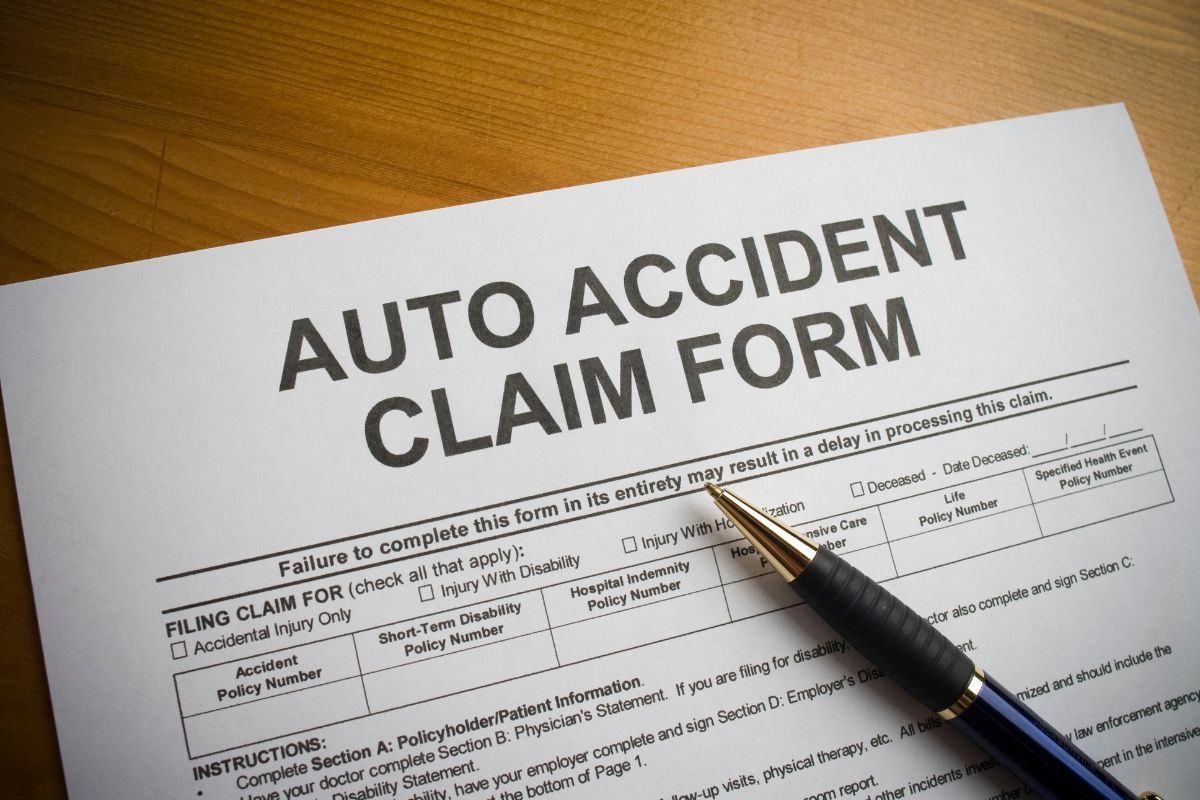
What a diminished value claim is
A diminished value claim is a request for money to cover the loss in resale value your car suffers after an accident, even after it has been repaired.
Think of it as the difference between:
- What your car would have been worth if the accident never happened, and
- What your car is worth now with an accident record and repairs.
Repairs are meant to restore your car’s condition. A diminished value claim is about restoring your car’s market value, which is a separate issue.
The three types of diminished value
- Inherent diminished value: The most common. Your car is worth less simply because it was in a reported accident, even if repaired perfectly.
- Repair-related diminished value: The car is worth less because repairs were not done properly or parts do not match (for example, paint mismatch).
- Immediate diminished value: The value loss right after the crash before repairs. This is discussed less often because most claims focus on the post-repair market hit.
Who you file against
Most of the time, diminished value is pursued as a third-party claim against the at-fault driver’s liability property damage coverage.
In plain English: if someone else caused the crash, you are typically asking their insurer to make you whole, not yours.
One important reality check: diminished value is still part of the at-fault party’s property damage exposure, so it is typically subject to policy limits. If repair costs, towing, rental reimbursement, and other property-damage items eat up most of the limit, collecting full diminished value can get harder.
If you were at fault
That gets tricky. Some people assume their own policy will cover diminished value under collision coverage. In many states and under many policies, it may not. Some policies explicitly exclude it. In other cases, a first-party diminished value claim might be possible, but it depends heavily on state law and the exact policy language.
As a practical example: Georgia is often cited because courts there have recognized diminished value in certain first-party contexts, which is not how many drivers assume their state works. The point is not that Georgia is “the rule.” The point is that these claims are very state-specific.
If you are in a no-fault state
No-fault rules usually deal with injuries (like PIP medical coverage), not car value. Diminished value is a property damage issue, which typically still runs through fault-based property damage liability. Procedures and deadlines vary by state, but the no-fault label does not automatically erase diminished value rights.
Important: Diminished value rules vary a lot by state. Some states are more consumer-friendly about these claims than others, and insurers handle them differently. If you want a confident answer for your situation, you may need to check your state’s insurance department guidance or talk with a local attorney who handles auto property damage claims.
Why gap insurance does not pay diminished value
This is one of the most common points of confusion, especially if you are financing a car.
Gap insurance is designed for a totally different problem: when your car is totaled or stolen and your insurance payout is less than what you owe on the loan or lease.
A diminished value claim is about a car that is repairable and back on the road, but now worth less on the market.
So in most cases:
- Gap insurance does not apply because your car is not a total loss settlement situation.
- Gap insurance does not pay for resale stigma. It is meant to cover a loan or lease payoff shortfall after a total loss, not the market discount that can stick to a repaired vehicle.
Why your collision deductible usually is not involved
Deductibles make people feel like every car-related claim has to go through their own insurer first. But diminished value typically works differently.
If the other driver is at fault
If you are filing diminished value against the at-fault driver’s insurer, your collision deductible is usually irrelevant. Your deductible applies when your own collision coverage is paying to repair your car.
Here is the clean way to think about it:
- Collision claim: Pays to fix your car (minus deductible if using your policy).
- Diminished value claim: Seeks money for value loss (usually from the at-fault driver’s insurer).
If you used your own collision coverage for repairs
This happens all the time when the other insurer is slow, fault is disputed, or you just need your car back quickly. You might still pursue diminished value from the at-fault party after repairs are complete.
Your deductible might be recoverable through subrogation (your insurer trying to get reimbursed from the at-fault driver’s insurer), but that is a separate track from diminished value itself.
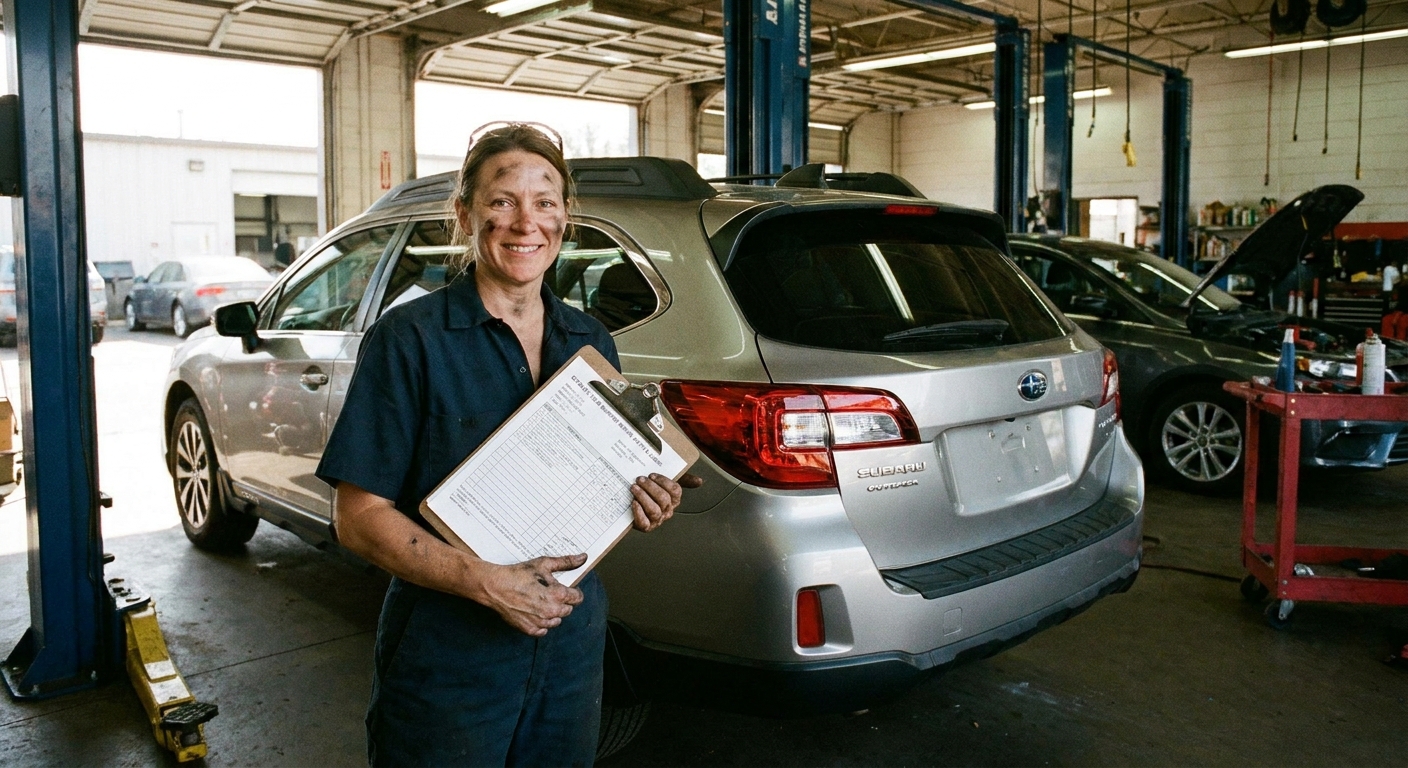
Is it worth pursuing
I’m a big fan of “only fight battles that move the needle.” A diminished value claim can be meaningful, but not always.
More likely worth it
- Your car is newer (often under 5 years old).
- Your car has low mileage and was in great shape before the crash.
- The accident was significant (structural repairs, airbags, major panels).
- You drive a vehicle with higher resale sensitivity (many late-model SUVs, trucks, and luxury brands).
- You have clear proof the other driver was at fault.
Maybe not worth it
- Your car is older with higher mileage.
- The damage was minor and cosmetic.
- There is already prior accident history.
- Property damage limits are low and repairs already took up most of them.
- Your state or insurer stance makes these claims unusually hard to collect.
How diminished value is calculated
There is no single universal formula that every insurer must use nationwide. That is part of why state rules matter.
In the real world, diminished value usually comes down to evidence about your car’s market price before and after the accident record.
How people support a diminished value amount
- Professional diminished value appraisal: An independent appraiser estimates the pre-loss value and post-repair value impact.
- Dealer trade-in quotes: You may be able to get written trade-in numbers that show a lower offer due to the accident.
- Comparable listings: Similar vehicles with clean histories versus similar vehicles with an accident history.
- Repair documentation: Final repair invoice, parts list, paint work, frame or structural notes.
- Pre-loss condition proof: Maintenance records and pre-accident photos can help establish that your car really was “clean” before the crash.
You may also hear about the 17c formula, a method some insurers use to estimate diminished value (it is often discussed because it can produce low numbers). It is common in negotiations, but it is not a universal rule, and it is not required everywhere.
Insurers often push back by saying the car was restored to “pre-loss condition,” or by arguing the market impact is smaller than you claim. Having organized documentation helps a lot.
How to file a diminished value claim
Here is the playbook I would follow if another driver hit my car and I wanted to pursue diminished value.
- Confirm fault and coverage. Get the other driver’s insurance info and the claim number. If fault is disputed, expect delays.
- Finish repairs first (usually). Many insurers want the car repaired before discussing diminished value because the final repair scope matters.
- Build your evidence file. Keep the police report, photos, repair estimate, final repair invoice, and any alignment or frame documents. If you have pre-accident photos and maintenance records, save those too.
- Check your car’s pre-accident value. Save screenshots or printouts of realistic market values for your specific trim and mileage.
- Get an appraisal or quotes if needed. If the potential claim is small, you might skip a paid appraisal. If it is a newer car and the loss could be meaningful, an appraisal can strengthen your case.
- Submit your demand in writing. Ask the at-fault insurer for diminished value compensation and include your support.
- Negotiate, then escalate if needed. If they lowball you or deny it, ask for the basis of their valuation. Your options may include your state insurance department complaint process, small claims court, or consulting an attorney (rules vary by state and situation).
What to include in a demand letter
- Your name and contact info
- Claim number and date of loss
- Other driver’s name and policy info (if you have it)
- Your vehicle year, make, model, trim, VIN, and mileage at loss
- Repair shop name, repair dates, and final paid invoice
- Your diminished value amount requested and how you calculated it (appraisal, comps, dealer quotes)
- Supporting documents attached (photos, listings, appraisal)
- A reasonable deadline for a response
Time matters. Every state has its own deadlines (statutes of limitation) and claim handling timelines. If you are considering diminished value, do not sit on it for months and months.
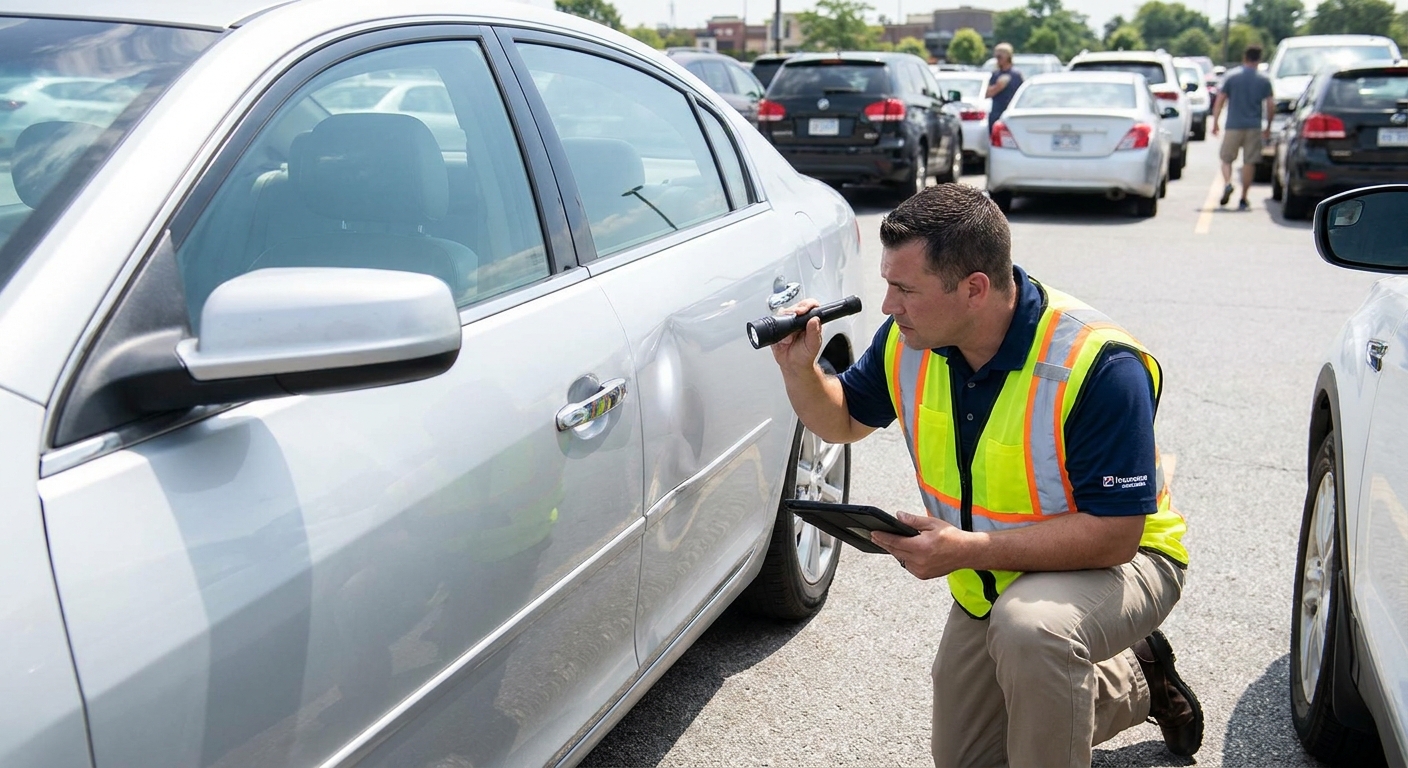
Common myths
Myth: “My car was repaired, so there is no loss.”
Repairs fix damage. They do not erase accident history. Many buyers and dealers still discount the car.
Myth: “My deductible comes out of diminished value.”
If you are filing diminished value against the at-fault driver’s insurer, your collision deductible typically has nothing to do with it.
Myth: “Gap insurance covers the value loss after repairs.”
Gap insurance is for a total loss loan shortfall, not for post-repair resale value loss.
Myth: “This is automatic.”
It usually is not. You generally have to ask for it, support it, and follow up.
FAQ
Can I file a diminished value claim if my car is leased?
Sometimes, but it can be complicated. In a lease, the leasing company typically owns the vehicle, so they may be the party with the legal right to claim diminished value. In some situations, lessees can still pursue it, but it depends on the lease terms and state law. If you are leasing, read your lease terms and consider calling the lessor to ask how they handle accident-related value loss.
What if the other driver is uninsured?
You may be limited. Uninsured motorist property damage coverage exists in some states and not others, and it may or may not address diminished value. This is a state-specific question, and your policy language matters.
Will a diminished value claim raise my insurance rates?
If you are filing against the at-fault driver’s insurer, it should not directly change your premiums the way an at-fault claim might. That said, rate impacts can be state-dependent and insurer-dependent, and some states restrict surcharges for not-at-fault accidents. If you are worried about this, ask your insurer how not-at-fault accidents are treated where you live.
Do I need a lawyer?
Not always. For smaller claims, many people handle it themselves. If the value loss is large, liability is disputed, policy limits are tight, or you are getting stonewalled, a consultation with a local attorney who handles auto property damage claims can clarify your options.
My bottom line
I’m all for being a value-spender, and that includes protecting the value you already paid for. If another driver damages your car, you can end up eating a very real resale hit even after a perfect repair.
A diminished value claim is the tool designed for that specific problem. Just remember the big three:
- It is usually filed against the at-fault driver’s insurer.
- It is not what gap insurance is for.
- Your collision deductible generally is not part of the diminished value conversation when you are pursuing the other driver.
And because state laws vary, treat any online advice (including mine) as a starting point, then double-check how your state and insurer handle diminished value before you invest a ton of time chasing it.