
If you have ever looked at your auto policy and thought, “Wait, why am I paying for collision and comprehensive… aren’t they basically the same thing?” you are not alone. They are both considered physical damage coverage , but they protect you from two very different categories of problems.
And the difference matters because the wrong assumption can leave you paying thousands out of pocket after a deer hit, a hailstorm, a stolen vehicle, a hit-and-run, or an at-fault crash.
The plain-English difference
Here is the simplest way I know to remember it:
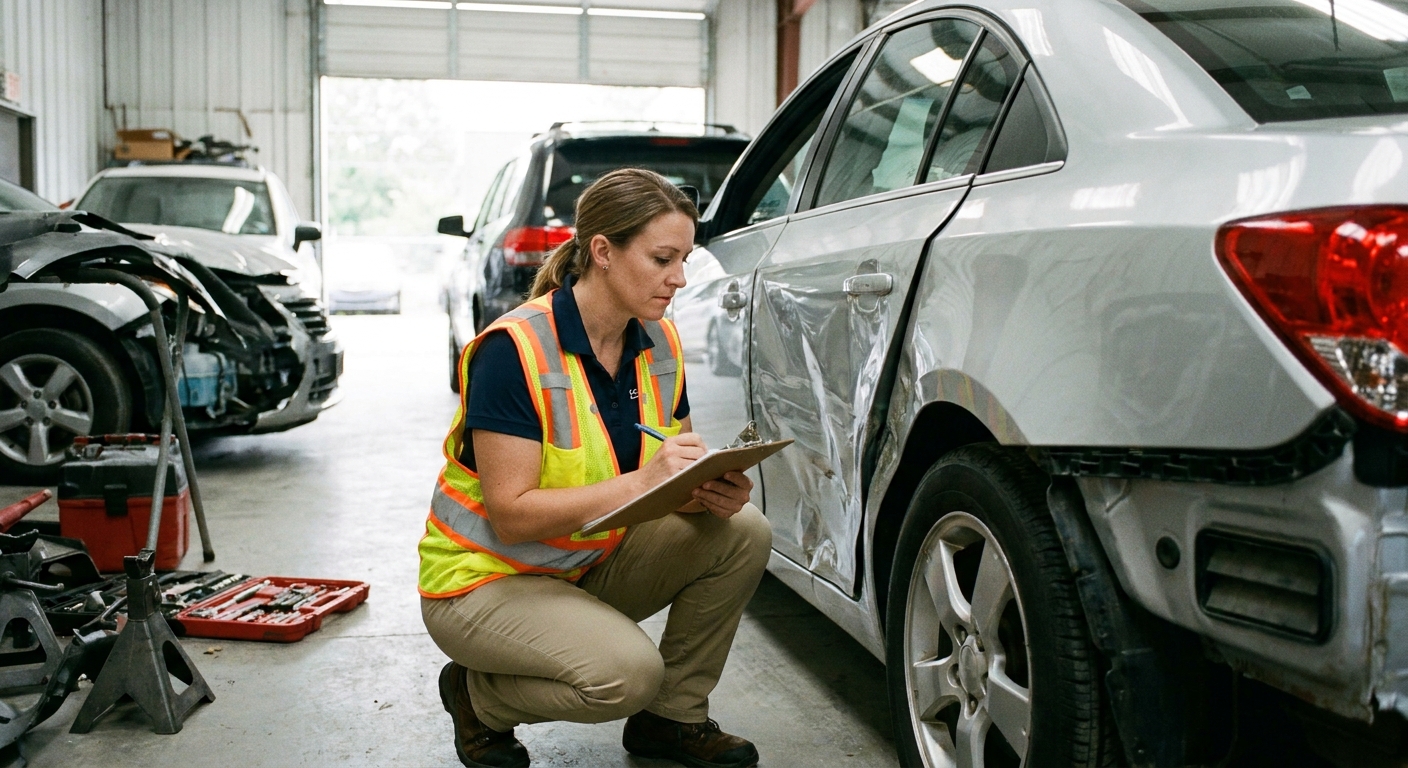
- Collision pays for damage to your car when you hit something or something hits you in a way that’s considered a driving collision.
- Comprehensive pays for damage to your car from non-collision events like theft, vandalism, weather, fire, flood, or animal strikes.
Both cover your vehicle, not other people’s cars. That part is handled by liability coverage.
Quick gut check: If it happened while the car was parked in your driveway and nobody was driving, it is usually comprehensive. If it happened while driving and involved impact, it is usually collision. (Hit-and-run while parked is a common exception, covered below.)
One important note: everything in this guide is how claims are typically handled. Your state rules and policy wording win if there is a conflict.
What collision coverage pays for
Collision helps pay to repair or replace your car (up to its actual cash value) after a crash, no matter who caused it. It is still subject to your deductible , the vehicle’s actual cash value, and policy terms and exclusions. Also, if another driver is clearly at fault, their liability coverage may pay instead of you using your collision coverage.
Common examples include:
- At-fault accident: you rear-end someone at a red light and your hood and headlights are smashed.
- Single-car accident: you slide on ice and hit a guardrail.
- Pothole impact: you hit a crater-sized pothole and damage a wheel and suspension. This is often treated as collision, but road-hazard and tire-and-wheel situations can be handled differently by different insurers, and wear-and-tear is not covered.
- Object impact: you back into a pole in a parking lot.
Collision does not pay for the other driver’s repairs or injuries. That is what your liability coverage is for.
What about a deer?
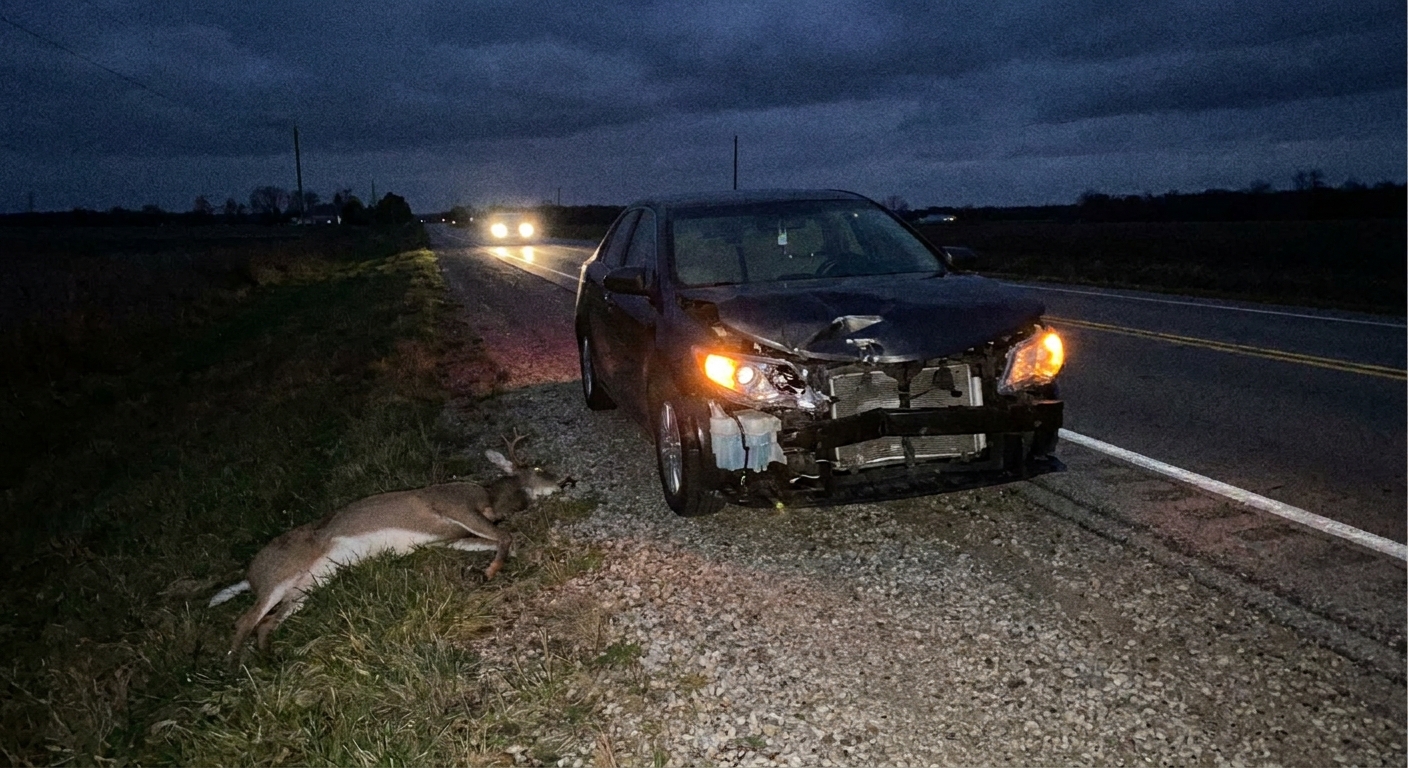
This one surprises people. In most states and with most insurers, hitting an animal is typically comprehensive, not collision, even though it feels like a “collision.” If you swerve and hit a tree or guardrail, that is usually collision.
What comprehensive coverage pays for
Comprehensive (sometimes called “other than collision”) helps pay for damage to your car from non-driving events. This is the coverage that tends to show up when life happens while you are just trying to get through your week.
Common comprehensive claims include:
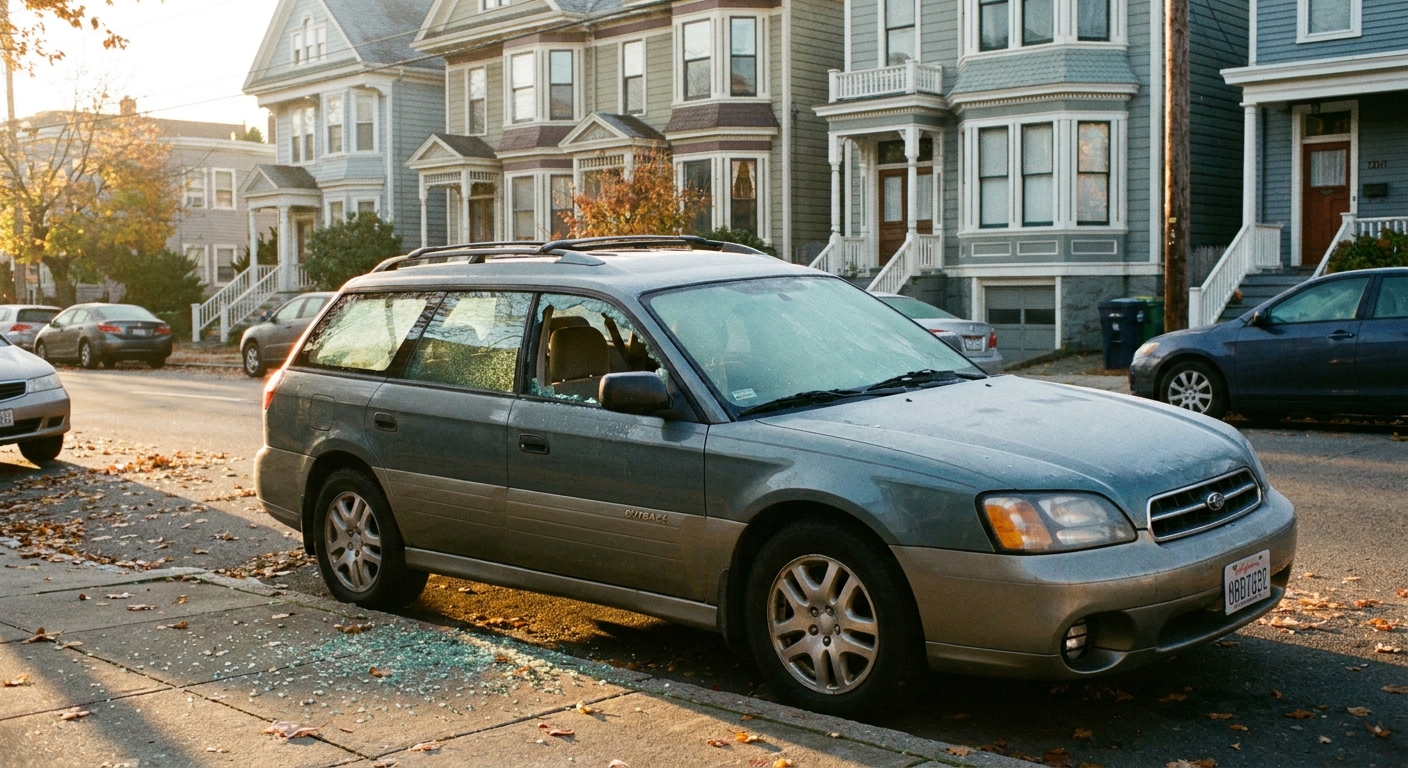
- Theft: your vehicle is stolen or your catalytic converter is cut out.
- Vandalism: key scratches down the side or broken windows.
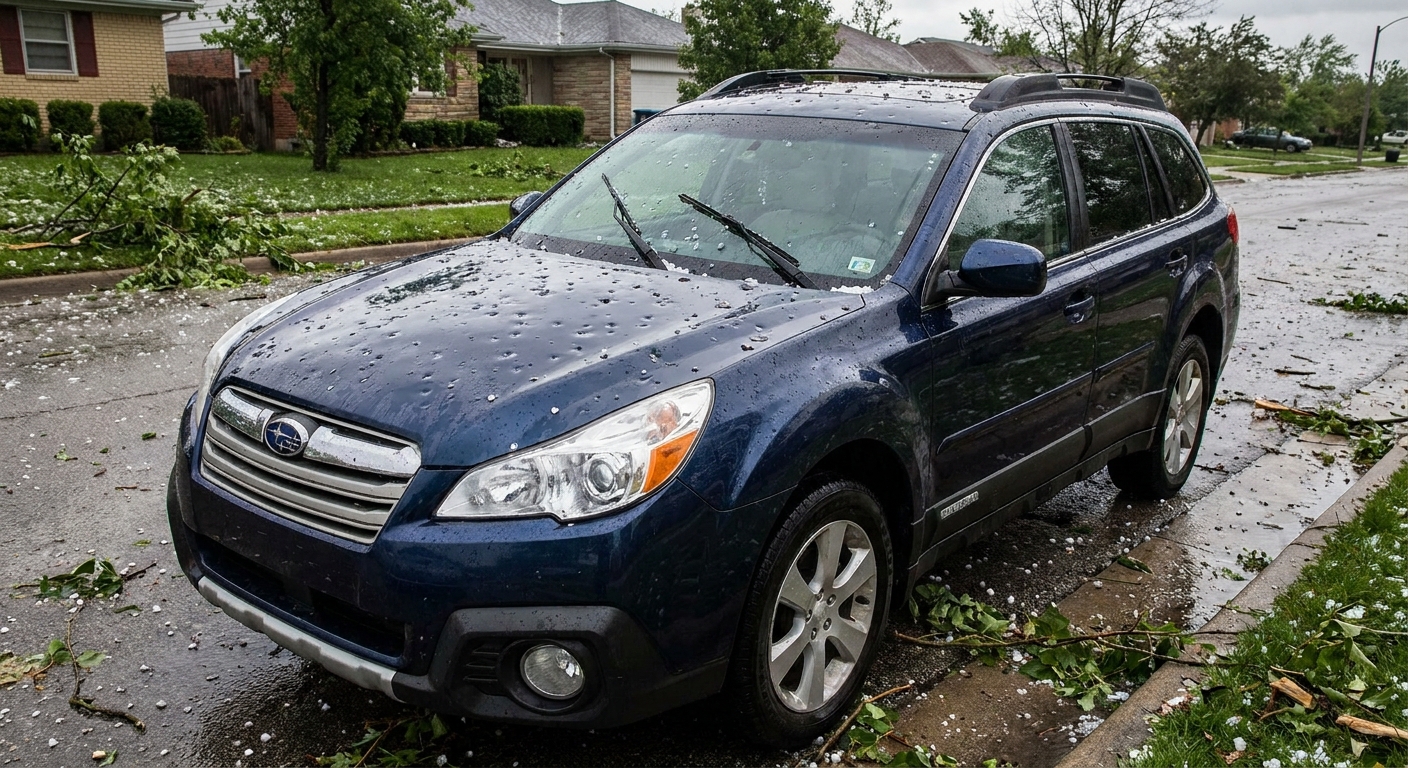
- Weather: hail dents, windstorm damage, a tree limb falls on the car.
- Windshield and glass damage: a cracked windshield or broken glass is often covered under comprehensive, sometimes with a separate glass option or different deductible depending on your state and insurer.
- Fire: vehicle fire or fire damage from a nearby event.
- Flooding: water damage after heavy rain.
- Animal impact: deer hits are commonly comprehensive, as mentioned above.
Comprehensive also typically applies if the car is damaged while parked, as long as it was not caused by a driving collision.
Deductibles: you choose them separately
Most policies let you pick a separate deductible for collision and comprehensive. That means you might have:
- $1,000 collision deductible
- $250 comprehensive deductible
That setup is common because collision claims can be expensive, and raising the collision deductible can reduce premiums. Comprehensive claims are often smaller but more frequent (think theft, hail, and glass), so some people prefer a lower deductible there. Exact treatment varies by state and insurer, especially for glass.
If you want a deeper “what deductible should I pick?” breakdown, use this as a next step reading on Smart Cent Guide: Car Insurance Deductibles: How They Work and How to Choose.
Lender and lease rules
If you have a car loan or lease, the bank or leasing company almost always requires you to carry both collision and comprehensive.
Why? Because the car is the collateral. If it gets totaled, stolen, or heavily damaged, the lender wants the loan protected.
What happens if you drop them anyway?
Two common outcomes:
- Force-placed coverage (or lender-placed insurance): the lender may buy coverage for the car and add the cost to your payment. This is usually expensive and may protect the lender more than you.
- Lease penalties: a lease can treat it as a contract violation.
If you are still paying on the car, treat dropping physical damage coverage as a “not an option unless the lender says so in writing” situation.
One more thing: gap insurance
If you owe more than the car is worth, collision and comprehensive still only pay up to the car’s actual cash value (minus your deductible). Gap insurance can help cover the difference between your loan or lease payoff and the insurance payout after a total loss. It is worth asking about if you have a newer loan or small down payment.
When dropping collision is risky
Dropping collision can make sense in specific situations, but it is risky when the math and your cash reserves do not support it.
Collision is usually risky to drop if:
- You could not replace the car tomorrow without taking on new debt.
- Your commute is high-risk (long miles, heavy traffic, frequent highway driving, lots of winter weather).
- Your area has high crash rates or you are regularly parking in tight city spots where fender-benders happen.
- You have little emergency savings and would be stuck after a total loss.
A helpful way to think about collision is this: you are paying to cap the size of a worst-case scenario that is more likely to happen while driving.
When dropping comprehensive is risky
Comprehensive is often cheaper than collision, which is why dropping it can be a “save $8, lose $8,000” kind of move in the wrong situation.
Comprehensive is usually risky to drop if:
- Your car is parked outside most of the time (hail, falling branches, vandalism).
- Theft is a real concern where you live or work, or you drive a model that is frequently stolen.
- You cannot self-insure a total loss (meaning you cannot comfortably replace the car with cash).
- You regularly drive in deer country, especially at dusk or dawn.
Even if the car is older, comprehensive can still be worth it because theft and weather do not care how old your vehicle is.
A simple keep-or-drop test
When your car gets older, the big question becomes: Is the premium worth the maximum payout? Since collision and comprehensive only pay up to your car’s actual cash value (minus your deductible), there is a ceiling on what you can get back.
Use this quick check:
- Estimate your car’s current value. A rough range from reputable pricing tools is fine.
- Subtract your deductible. That is the most you would see from a claim, in the best case.
- Compare that to what you pay each year for collision or comprehensive.
- Ask: “If this car were totaled or stolen next week, could I handle it without wrecking my budget?”
Some people choose to drop collision first and keep comprehensive, especially if collision is expensive and the car’s value is modest. Others keep both until they have enough savings to truly self-insure the car.
I am a value-spender, not a penny-pincher. If dropping coverage saves you a little each month but creates a giant money emergency you cannot absorb, it is not a “savings.” It is a delayed crisis.
A quick word on actual cash value
“Actual cash value” means your car’s value right before the loss, not what you paid for it and not what it costs to buy a brand-new version. Condition, mileage, trim, and local pricing all matter, and valuation disputes do happen. If your payout seems off, ask the insurer for the valuation report and comparable vehicles they used.
Real-world scenarios
Here are common situations people Google in a panic:
- You hit a deer on the highway: usually comprehensive.
- Hail dents your hood and roof: comprehensive.
- Your car is stolen from your apartment lot: comprehensive.
- You back into a concrete post: collision.
- You hydroplane into a guardrail: collision.
- A tree falls on your parked car: comprehensive.
- Your parked car is sideswiped and the driver takes off (hit-and-run): damage to your car is typically handled by collision. In some states and policies, uninsured motorist property damage (UMPD) may apply, sometimes with a different deductible and sometimes only under specific conditions.
- You are hit by an uninsured driver: damage to your car is often handled by collision unless you have UMPD in your state and policy. UMPD rules vary a lot, and in some places it may be primary for vehicle damage or available only if you do not carry collision.
Coverage can vary by state and insurer, so your policy wording matters. But the categories above match how these claims are commonly handled.
How deductibles change the risk
Even if you keep both coverages, your deductible determines how much pain you feel during a claim.
- A higher deductible usually means a lower premium, but you need cash ready when something happens.
- A lower deductible costs more monthly, but you are less likely to avoid filing a claim because of out-of-pocket cost.
Also worth knowing: in many cases, comprehensive claims affect your rates differently than collision claims, but that is not universal. Insurers and states handle pricing and claim history differently.
If you are trying to lower your premium without accidentally gutting protection, check out: How to Lower Your Car Insurance Premium (Without Cutting the Wrong Corners).
What neither one covers
This is where people get burned by assumptions. Collision and comprehensive are great for sudden, accidental damage to the vehicle, but they generally do not cover:
- Wear and tear and maintenance issues
- Mechanical breakdowns (that is a warranty or mechanical breakdown policy topic)
- Personal items stolen from inside the car (often handled by renters or homeowners insurance, subject to its deductible and limits)
- Using the car for business or rideshare if your policy excludes it and you do not have the right endorsement
Bottom line
If you want the Marcus-style, no-drama takeaway:
- If you have a loan or lease: you almost certainly need both collision and comprehensive.
- If your car would be hard to replace with cash: keeping physical damage coverage is usually the safer move.
- If your car is older and low-value: consider dropping collision first, but be cautious about dropping comprehensive if theft, glass damage, and weather are real risks where you live.
- If you raise deductibles to save money: make sure your emergency fund can actually handle that deductible when life happens.
Insurance is not about predicting the future perfectly. It is about making sure one bad day does not turn into a long-term money problem.