
When you buy a new car, you are doing two separate things at once: buying an asset that starts losing value the moment you drive off the lot, and taking on a loan or lease that has its own payoff schedule. That is why “totaled car” situations can get messy fast.
Two coverages get brought up a lot in that conversation: new car replacement insurance and gap insurance. They sound similar because they both come up after a total loss, but they solve different problems.

Let’s break down what each one does, what each one can still leave you on the hook for, and when it makes sense to carry both.
The quick difference
If you only remember one thing, remember this:
- New car replacement coverage helps you replace the vehicle (or pays extra toward a replacement) after a covered total loss.
- Gap insurance helps you pay off your loan or lease if what you owe is more than what your insurer says the car is worth (the actual cash value).
In other words, new car replacement is about the car. Gap is about the debt contract.
What gap insurance covers
Gap insurance is designed for one specific moment: your car is totaled or stolen, your regular auto insurer pays the actual cash value (ACV), and that amount is not enough to fully pay off your auto loan or lease.
What gap usually requires
- You have comprehensive and collision on the car.
- The car is financed or leased (gap is tied to a loan or lease payoff).
- The vehicle is declared a total loss or stolen and not recovered, and your primary auto policy pays out.
Also worth knowing: some lessors build gap into the lease or require it in the paperwork. If you lease, verify what you already have before you pay for it twice.
What gap may not pay
This varies by company and contract, but gap often may not cover things like:
- Late payments or past-due amounts
- Extended warranties, service contracts, credit insurance, or other add-ons rolled into the loan
- Carried-over negative equity from your previous vehicle (some products exclude it, some cover only a portion)
- Your deductible, unless your contract includes deductible assistance
Many gap policies also have a cap (for example, they may only pay up to a certain percentage above ACV). So even if you have gap, it is smart to scan for maximum benefit limits.
Gap does not hand you money for a down payment on the next car. It is a “make the lender whole” product.
If you want to go deeper on when gap is worth the premium, I wrote a full breakdown here: Gap Insurance on Car Loans and Leases: When It’s Worth Buying.
What new car replacement covers
New car replacement coverage is usually an add-on you can buy from your auto insurer. It is meant to reduce the financial gut punch of depreciation in the first year or two of ownership.
There are a few versions of this coverage, depending on the insurer and state:
- Replace with a brand-new vehicle of the same make/model (or the closest current equivalent) if yours is totaled.
- Pay a stated percentage above ACV (for example, ACV plus 10% to 20%).
- Pay purchase price or a capped amount, under specific conditions.
Bottom line: it is designed to help you get back into a comparable new vehicle, not just cut you an ACV check.
What new car replacement usually requires
- Your car must be new or nearly new.
- You must carry comprehensive and collision on the car.
- The loss has to be a total loss that your policy covers.
Eligibility rules can vary a lot. Model-year windows, mileage limits, ownership rules, and how the payout is calculated are all endorsement-specific. Before you pay extra for it, read the endorsement language for your exact policy.
What new car replacement can still leave unpaid
This is the part people miss: new car replacement helps with the value problem, but it does not automatically solve the loan payoff problem.
- If you rolled in negative equity or financed add-ons, you may still owe more than the insurer will pay.
- You may still have to pay your deductible.
- You may still owe taxes, title, and fees on the replacement vehicle, depending on your state and how your insurer structures the benefit.
One totaled-car example
Let’s use a clean, realistic scenario I see all the time.
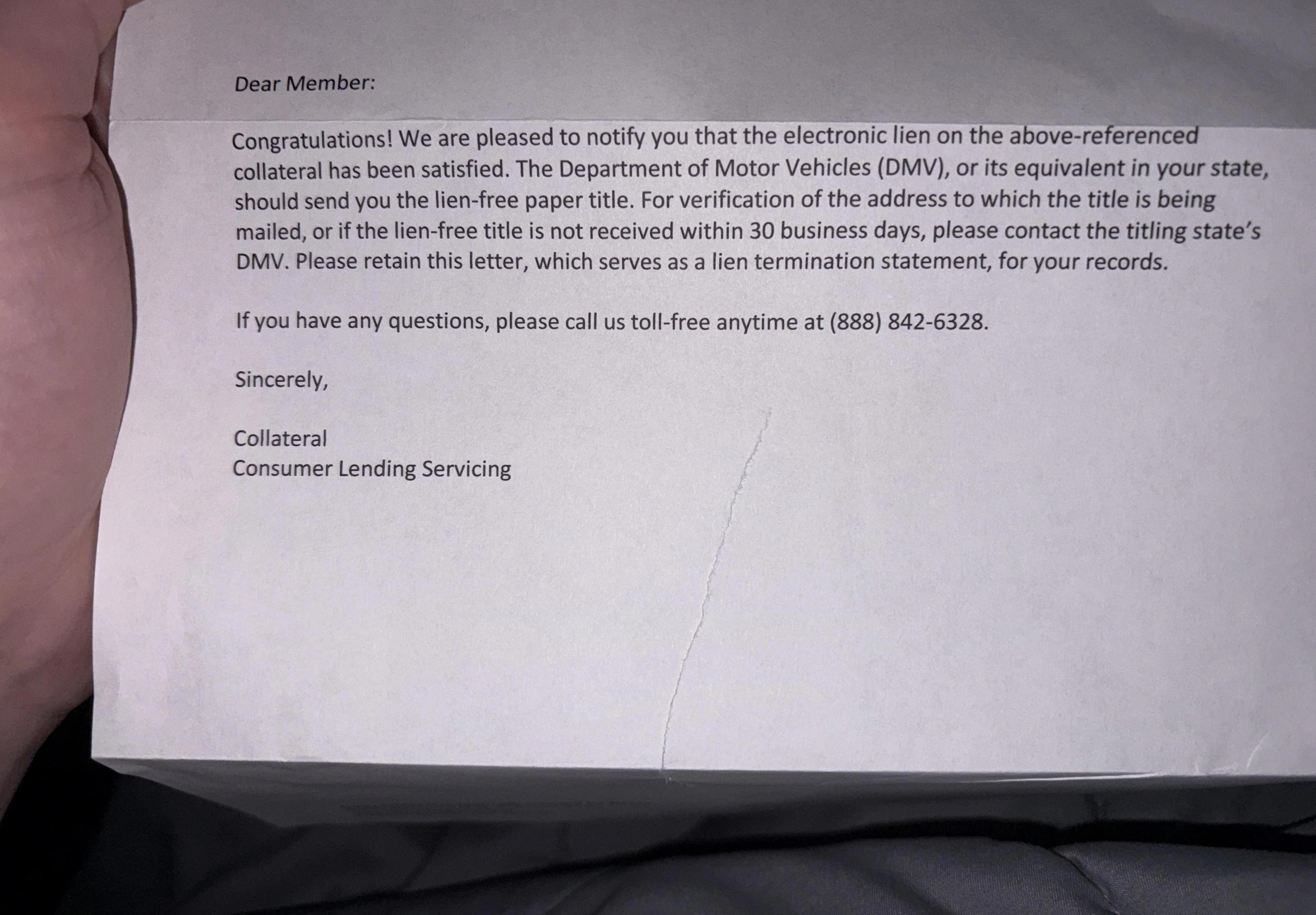
The situation
- You buy a new car for $35,000.
- You put $1,000 down and finance the rest.
- After a year, the car is totaled.
- Your insurer says the car’s ACV is $28,000.
- Your loan payoff is $31,000 because early payments were mostly interest, and you financed taxes and fees.
No gap and no new car replacement
- Auto insurer pays ACV: $28,000
- Loan payoff: $31,000
- You still owe $3,000 to the lender, and you no longer have the car.
Gap insurance only
- Auto insurer pays ACV: $28,000
- Gap covers the shortfall (if your contract covers it and within caps): $3,000
- Your loan is paid off, but you still need a replacement car and likely a new down payment.
New car replacement only
This depends on the endorsement. For a simplified example, assume your insurer pays or replaces up to the equivalent of a similar brand-new replacement, say $35,000, under the endorsement terms.
- New car replacement benefit: up to $35,000 equivalent, structured per the endorsement
- Loan payoff: $31,000
In many claims, the lienholder is paid first. But the settlement mechanics vary: some insurers pay cash, some replace the vehicle, and some calculate an added amount above ACV. If your loan includes items the insurer will not cover (like certain add-ons or negative equity), you can still end up short even with a replacement-style benefit.
When you have both
This is where they can work together:
- Gap helps make sure the loan or lease is fully paid so you are not making payments on a car that is gone.
- New car replacement helps you get back into a comparable new vehicle instead of settling for whatever the ACV check buys.
They cover different gaps. One is a gap in value and one is a gap in payoff.
When you might need both
You are most likely to benefit from carrying both coverages when these boxes are checked:
- You are buying brand-new (depreciation is steep early on).
- You are using a small down payment.
- You financed for 60 to 84 months.
- You rolled in negative equity from a prior loan.
- You are leasing (and your lease does not already include gap or only includes limited protection).
In plain English: the more your loan balance can stay high while the car value drops fast, the more likely you are to have a shortfall that gap handles, even if you also like the idea of new car replacement.
New car replacement without gap
You might lean toward new car replacement and skip gap if:
- You put 20% down (or close to it).
- You chose a short loan term (36 to 48 months).
- You did not roll in negative equity or pricey add-ons.
- Your loan balance stays below the car’s likely value curve.
In that setup, your total-loss settlement is less likely to be below your payoff, so gap is less important.
Gap without new car replacement
Gap can be the priority if your main fear is being stuck with a balance after a total loss, and you are okay replacing the car with something used or cheaper afterward.
That is especially common if you:
- Are stretching for affordability with a long term
- Drive a lot of miles (new car replacement programs can have mileage limits)
- Buy a model that depreciates quickly
What neither one fixes
- Neither coverage guarantees your rates will not change after a claim (even when you are not at fault, depending on state rules and insurer practices).
- Neither coverage replaces personal items stolen from your vehicle.
- Neither coverage automatically pays your deductible in every case.
- Gap does not help you buy a replacement car. It helps you get out from under the old loan or lease.
- New car replacement does not guarantee you will never have a payoff issue if your loan balance is inflated by negative equity or add-ons.
How to decide fast
If you want a quick gut-check, pull out three numbers:
- Your current loan payoff (call the lender or check the app)
- What your car would sell for today (use multiple pricing sites to estimate, then be conservative)
- Your deductible
If your payoff is close to or above your estimated value, that is your warning sign that gap is worth a serious look. For a more detailed, buy-or-skip decision, head here: Gap Insurance on Car Loans and Leases: When It’s Worth Buying.
Then ask yourself one more question: if my car got totaled tomorrow, do I want to replace it with a similar new vehicle? If yes, new car replacement coverage is the add-on designed for that goal.
Where to buy each
Gap insurance
- Auto insurer (as an add-on endorsement, usually requiring comp and collision)
- Dealer or finance office (often called GAP waiver or GAP coverage)
- Lender or leasing company (sometimes built into a lease)
New car replacement
- Auto insurer (almost always an endorsement attached to your comp and collision coverage)
Whichever route you choose, compare costs and read the cancelation and refund rules. Dealer gap and insurer gap can behave very differently once your loan balance drops and you no longer need it.
FAQ
Is new car replacement insurance the same as gap?
No. Gap covers the difference between your insurance payout and what you owe on a loan or lease. New car replacement increases what you get toward a replacement vehicle (or replaces the vehicle under the policy terms).
Can I buy gap insurance from my car insurer instead of the dealership?
Often, yes. Many major auto insurers offer gap coverage as an add-on if you carry comp and collision. Dealership gap is also common. The right answer comes down to cost, coverage details, caps, and cancelation rules.
Do I need gap insurance if I have new car replacement coverage?
Not always. If your loan balance will stay below the vehicle’s likely value, gap may be unnecessary. But if you are upside down, gap can still matter even if you also have new car replacement.
Do I need new car replacement coverage if I have gap insurance?
Not always. Gap protects your loan or lease payoff. It does not make your settlement big enough to buy another new car. If replacing your totaled car with another new car matters to you, new car replacement can be valuable.
My take as a value-spender
When I was digging out of debt, I hated paying for coverage I did not fully understand. Now that I am debt-free, I am still not into paying for “nice-to-have” add-ons. But I am very into paying for protection that prevents a financial setback I cannot easily absorb.
If a total loss would leave you owing money and scrambling for transportation, gap is the boring coverage that can save your budget. If you are set on staying in a similar new vehicle after a total loss, new car replacement is the coverage that aligns with that lifestyle choice. In the right situation, having both is not redundant. It is plugging two different holes.