
When you’re signing car-loan paperwork, it can feel like the finance office is a conveyor belt of add-ons. Two of the most commonly confused ones are credit life insurance and gap coverage.
I get why. They’re often offered in the same 10-minute window, both sound like they “protect the loan,” and both can be rolled into your payment. But they cover different events. If you buy one thinking it’s the other, you can end up paying for the wrong kind of protection.

The simplest way to tell them apart
Here is the cleanest one-sentence distinction:
- Credit life insurance is meant to pay the remaining car loan balance if the insured person dies (subject to the policy’s terms, limits, and exclusions).
- Gap coverage is meant to help in a covered total loss or theft when your auto insurer’s payout is less than what you owe, and you meet the program requirements.
So if you’re asking, “If I die, does gap pay off my loan?” the answer is generally no. If you’re asking, “If my car is totaled, does credit life step in?” the answer is also no. Different trigger, different claim, different purpose.
What credit life is
Credit life insurance is a type of life insurance tied specifically to a debt. With an auto loan, it is designed to pay off what you still owe on the loan if you die during the covered period.
Instead of your family needing to keep making payments, refinance, or sell the car quickly, the policy’s benefit is intended to satisfy the auto loan (up to the covered amount), and the lender gets paid.
How the payout usually works
Credit life is typically set up so the benefit tracks your loan balance. As you pay the loan down, the amount that would be paid out generally goes down too. That can make it look cheaper up front, but per dollar of protection it is often not a great value compared with a level term life policy.
Who gets paid
With credit life on a car loan, the lender is usually the beneficiary. That means the payment goes to the loan, not directly into your spouse’s bank account. If there is anything left over in some setups, it may go to your estate, but many policies are built simply to match the debt and end there.
If you have a co-borrower
This is one detail I always want people to double-check: with two borrowers on the loan, credit life may cover one person (single-life) unless you specifically buy a joint or dual coverage option. Ask who is insured and get it in writing on the certificate of coverage.

How credit life is priced
Credit life insurance pricing is often presented as “just a few bucks a month,” because it is commonly priced as part of the loan payment rather than as a separate insurance bill.
There are two common ways it shows up:
- Monthly premium: You pay a premium each month, sometimes based on your outstanding balance.
- Single premium: The cost is charged upfront and often rolled into the loan, which means you can pay interest on it if you finance it.
That second one is the big gotcha. When an add-on is financed, it does not just cost what it costs. It can also increase your loan balance and the total interest you pay over time.
If you are not sure which you were offered, look at your retail installment contract or itemized add-on page and check for wording like “credit life,” “debt protection,” “insurance premium,” or a separate line item that was added to the amount financed.
Canceling credit life
In many cases, credit life insurance can be canceled, but the details depend on your contract, your insurer, and state rules.
Start with these three questions
- Is there a free-look period? Some policies allow cancellation within a short window for a full refund.
- Was the premium monthly or financed? Monthly premiums are usually simpler to stop. Financed single premiums may involve a refund calculation.
- Who do you cancel through? Sometimes it is the dealership, sometimes the lender, and sometimes the insurer listed on the certificate of coverage.
If you financed the premium and you cancel, you may be due a pro-rated refund based on how long you had coverage. The refund method can vary (for example, actuarial versus other state-allowed methods), and the refund often goes back to the lender to reduce your loan balance rather than coming to you as a check.
Practical tip: ask for written confirmation that the coverage was canceled and what refund amount was applied, then check your next statement to make sure your balance reflects it.
What gap coverage is
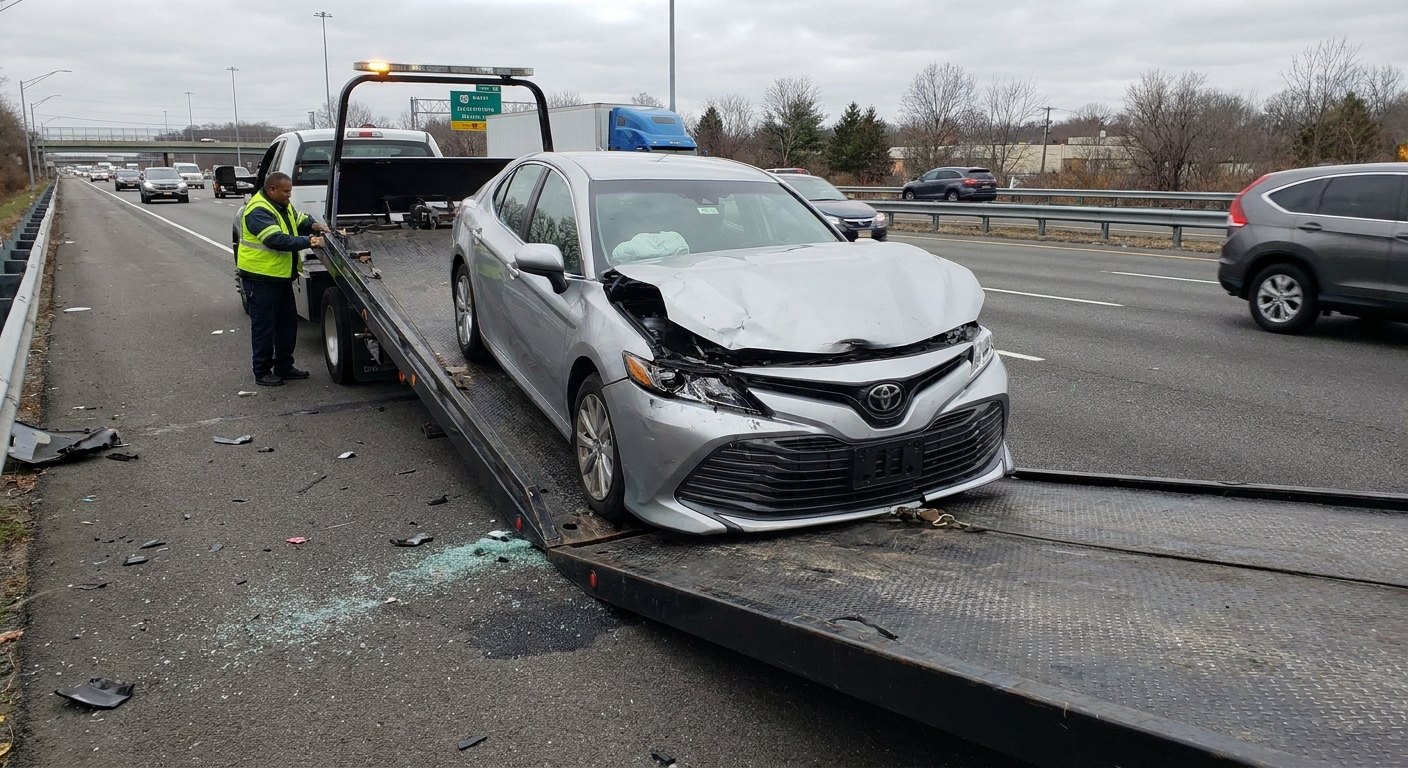
Gap coverage is designed for a different problem: your car is totaled or stolen, your auto insurer pays what the vehicle was worth (actual cash value, typically), and that payout is not enough to satisfy your loan or lease payoff.
Gap can help cover that shortfall, but it usually works only after your primary auto insurance (comprehensive or collision, depending on the loss) has paid, and only for covered losses under the gap contract.
A simple gap example
- You owe: $28,000
- Your insurer pays (after deductible): $24,500
- Shortfall: $3,500
If your gap coverage applies, it may cover some or all of that $3,500 gap, depending on the contract and limits.
What gap often does not cover
Gap rules vary by provider, but common limits include:
- Past-due payments, late fees, and other penalties
- Carry-over balances or negative equity beyond program limits
- Optional add-ons rolled into the loan, such as extended warranties or service contracts (some programs exclude these)
- Your deductible unless the plan explicitly includes deductible coverage
Where you can buy gap
You may be able to buy gap through the dealership or lender at signing, and in some cases through your auto insurer as an endorsement. Pricing and coverage details can vary a lot, so it is worth comparing, especially if the dealer version is being financed into your loan.
Credit life vs gap: the key difference
This is the core confusion: both products can be described loosely as “help with the loan,” but they respond to totally different problems.
- A credit life claim happens after the insured person’s death and is intended to pay off the remaining loan balance (subject to the policy’s terms).
- A gap claim happens after a covered total loss or theft and is intended to deal with the mismatch between the vehicle value settlement and the loan or lease payoff (subject to contract limits and requirements).
Those two scenarios can overlap emotionally, but they are not interchangeable financially. A total loss does not automatically involve a death, and a death does not automatically involve a total loss.
Where credit disability fits
You may also hear about credit disability insurance in the same conversation. This is a related add-on sometimes bundled under “payment protection” or “debt protection.”
Credit disability is generally designed to help cover loan payments if you become disabled and cannot work, based on the policy’s definition of disability and its waiting periods and limits.
I am only mentioning it here because people often see “credit life and disability” packaged together and assume it is all one thing. It is not. Each part has its own triggers, rules, and costs.
When credit life can make sense
I am a big fan of paying for the right protection, not every protection.
Credit life may be worth a look if
- You have a co-borrower or family member who would struggle to make the payment if you died.
- You cannot qualify for affordable term life insurance due to health reasons, and this is one of the few options available.
- You want a very specific “loan gets paid” solution tied to that debt.
It is often a poor value if
- You can qualify for an inexpensive term life policy that covers all your responsibilities, not just one loan.
- The premium is financed into the loan, increasing what you owe and what you pay in interest.
- You do not have dependents or anyone else who would be impacted by the payment.
If you are already carrying term life insurance that would cover your debts and give your family breathing room, credit life can be redundant.
Quick checklist at the desk
If you are in the moment and the finance manager is moving fast, here is the short list I would want in front of me:
- Ask what triggers a claim. Death (credit life) versus total loss or theft (gap).
- Ask how you pay for it. Monthly bill versus financed upfront cost.
- Ask if it is required. These add-ons are almost always optional on a purchase loan. Leases and a few lender programs can have different requirements, so ask to see where it is stated in writing.
- Ask how to cancel and whether there is a refund. Get the process in writing or take a clear photo of the cancellation instructions.
And if you feel pressured, it is okay to say: “I am going to take this paperwork home and decide.” A legitimate product will still be legitimate tomorrow.
FAQ
Does credit life pay off my car loan if I die?
Credit life insurance is designed to pay the remaining auto loan balance if the insured borrower dies while the policy is in force. It typically pays the lender, and coverage is subject to the policy’s terms, limits, and exclusions.
Can I have both credit life and gap coverage?
Yes. They cover different risks. Whether you should have both comes down to your household situation, your existing life insurance, the cost of each add-on, and the gap contract details.
If I cancel credit life, will my monthly payment drop?
If you were paying a monthly premium, canceling may reduce the payment. If the premium was financed into the loan, cancellation commonly results in a refund applied to your loan balance. Whether your monthly payment changes depends on your lender’s process. Some re-amortize, others keep the payment the same and shorten the term.
What should I review before buying credit life?
At minimum, review the cost, whether it is financed, the term of coverage, who the beneficiary is, any exclusions or eligibility rules, and the cancellation and refund policy.
Bottom line
Credit life insurance and gap coverage get lumped together because they are often sold at the same desk. But they are not substitutes.
Credit life is about protecting your household from a car loan balance if the insured person dies. Gap coverage is about a loan or lease shortfall after a covered total loss or theft. Once you separate the triggers, the decision gets a lot clearer.