
I used to think the only way to “protect assets from nursing home costs” was some kind of fancy trust setup that only wealthy families could afford. Then I learned about something far more specific (and honestly, a lot more misunderstood): state long-term care partnership programs.
A partnership long-term care (LTC) insurance policy does not magically make care cheap, and it is not a loophole that lets you hide money. What it can do, if you meet the rules, is earn you a Medicaid asset disregard tied to the benefits your policy actually pays out.

What a partnership program is
A long-term care partnership program is a state program that connects qualifying private LTC insurance to Medicaid. The deal is simple in concept:
- You buy a qualified partnership policy (typically a HIPAA tax-qualified LTC policy that is also certified under your state’s partnership rules).
- If you later need long-term care and your policy pays benefits for covered services after you meet its benefit triggers (and any elimination period), you can apply for Medicaid if you still need care.
- When you apply, the state can let you keep more assets than Medicaid would normally allow, up to a limit based on your policy.
This extra allowance is the asset disregard (also called “asset protection,” “resource disregard,” or “Medicaid disregard”). It is not automatic just because you have LTC insurance. It is a specific feature tied to partnership-qualified coverage.
The key concept: asset disregard
Medicaid long-term care has strict financial eligibility rules. In plain English: most people must spend down a large chunk of their countable assets before Medicaid will help pay for nursing home care or other long-term services and supports.
One point that causes confusion is what Medicaid is even evaluating.
Countable assets often include things like cash, checking and savings, brokerage accounts, and a second home. Non-countable items can include personal belongings, and often a primary residence up to certain conditions and limits (which are very state and situation specific).
A partnership policy can let you ignore a portion of your assets when Medicaid does that count. The amount ignored is tied to the amount of benefits your partnership policy pays on your behalf.
Dollar-for-dollar disregard
Most partnership programs work on a dollar-for-dollar basis. Here is the idea:
- If your partnership policy pays $200,000 in covered long-term care benefits over time, you may qualify to protect $200,000 of assets that would otherwise count against you for Medicaid eligibility.
Important nuance: this is based on benefits actually paid, not your premium total and not the face value you thought you bought if the policy never pays out.
What people mean by “full” protection
You may also hear “total” or “full” asset protection in casual conversation. I treat that as a red-flag phrase, because modern partnership programs are overwhelmingly dollar-for-dollar.
There have been limited, older, or highly state-specific designs that people describe as “full” protection, but it is not something to assume exists, and it is not something to plan around based on a headline. If someone is pitching you “total” asset disregard, verify the exact rule in writing with your state Medicaid agency or a qualified elder law attorney, and confirm it applies to your purchase date, state, and policy form.
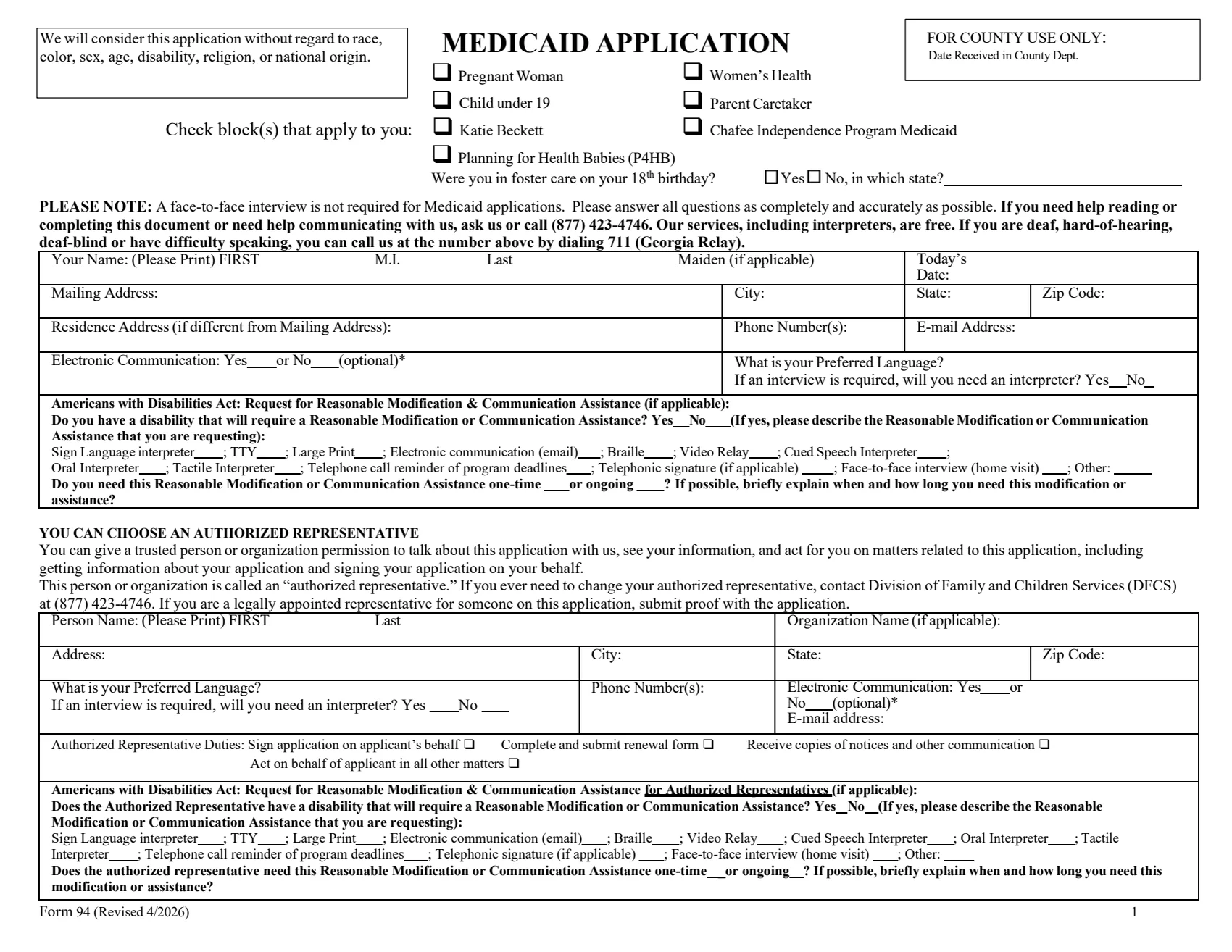
Which Medicaid programs this affects
When people say “Medicaid long-term care,” they may be talking about different programs. Partnership rules are most commonly discussed in the context of nursing home Medicaid (sometimes called institutional Medicaid), but some states also apply partnership concepts within certain home and community-based services (HCBS) pathways.
One practical caution: HCBS programs can have different eligibility mechanics, and in some places they involve enrollment caps or waitlists. Partnership status does not override those program realities. It mainly affects how assets are treated when you do a Medicaid financial eligibility determination.
How a policy qualifies
Not every long-term care insurance policy is a partnership policy. To qualify, the policy has to meet certain federal and state standards, and one of the biggest practical requirements is inflation protection.
The reason is pretty logical. If a policy benefit stays flat for decades, it may look like a lot on paper at age 55, but it can be nowhere close to the real cost of care at 80. Partnership programs are designed so the coverage keeps some pace with rising costs.
What inflation protection means
Inflation protection is a policy feature that increases your daily or monthly benefit amount over time. Common approaches include:
- Compound inflation (often stronger protection over long time periods)
- Simple inflation (increases by a fixed percentage of the original benefit)
- An inflation offer requirement (in some age bands, the rule can be that inflation protection must be offered and you either accept it or decline it, depending on your age and state rules)
States typically tie the inflation requirement to the age you are when you buy the policy. Younger buyers are often expected to carry stronger inflation protection, because they have more years of cost increases ahead.
Because the exact rules vary by state and by purchase date, the cleanest way to verify is to ask, in writing, whether the policy is a qualified partnership policy in your state and what inflation option satisfies your state’s requirement for your age at purchase.
Reciprocity if you move
Reciprocity is the idea that if you buy a valid partnership policy in one state, another state may honor the partnership status if you later move and apply for Medicaid there.
Many states do participate in reciprocity, but it is not universal and I would not treat it as automatic. Here is the practical way to think about it:
- Your policy is issued under a specific state’s partnership rules.
- If you move, the new state has its own Medicaid rules and its own partnership administration.
- Where reciprocity applies, the new state generally recognizes your policy as partnership-qualified and applies an asset disregard based on benefits paid, but the state still runs the Medicaid eligibility process under its rules.
If you are planning a move in retirement, ask early:
- Does the new state recognize partnership policies issued in your current state?
- What documentation does the new state require to prove the policy is partnership-qualified and to verify the benefits paid amount?

What the disregard does and does not do
This is where people get tripped up. A partnership policy can help with resource limits when you apply for Medicaid long-term care. But it does not rewrite the entire Medicaid rulebook.
What the disregard helps with
- Keeping more countable assets while still meeting Medicaid’s financial eligibility test, up to the disregard amount
- Supporting a broader family plan in some situations, including planning around spousal protections, depending on your state’s rules and your asset mix
What the disregard does not automatically fix
- Income rules (some Medicaid programs have strict income limits and specific handling of pensions and Social Security)
- Level of care requirements (you still must meet the medical need requirement for long-term care Medicaid)
- Which services are covered in your state and what setting you receive them in
- HCBS access issues like program caps or waitlists where they exist
What benefits count toward the disregard
At a high level, the disregard is usually tied to qualified benefits paid by the partnership policy for covered long-term care services. The state is generally looking at what the policy actually paid out under its LTC benefit provisions.
This is also where policy design and state administration can matter. For example, some policies pay as reimbursement, others pay as indemnity or cash. Some people pay family caregivers. Rather than guessing what your state will credit toward the disregard, ask the insurer how benefits paid are tracked and reported, and keep your own records of paid benefits.
Disregard vs the five-year look-back
Medicaid’s five-year look-back is one of the most feared phrases in retirement planning, and for good reason. When you apply for Medicaid long-term care, the state reviews certain financial transactions during the prior five years to see if assets were transferred for less than fair market value. If they were, Medicaid can impose a penalty period.
Here is the key distinction:
- The partnership asset disregard is about how many assets you are allowed to keep.
- The look-back is about whether you gave assets away or transferred them in a way Medicaid flags.
A partnership policy does not give you permission to make problematic transfers. You can still trigger a penalty if you gift money or shift assets in ways that violate the look-back rules.
Think of it like two separate hurdles:
- Hurdle 1: Did you make disqualifying transfers in the look-back window?
- Hurdle 2: Do you meet the financial eligibility rules, including resource limits?
The partnership disregard can help with the second hurdle, not erase the first.

Disregard vs estate recovery
Another common point of confusion is estate recovery. After a Medicaid recipient dies, states are generally required to seek repayment from the person’s estate for certain Medicaid benefits paid, especially long-term care services. This is called Medicaid Estate Recovery (often abbreviated MERP).
Partnership policies are closely linked to estate recovery because in some states, partnership protection can also limit estate recovery up to the protected amount. But it is not guaranteed, and it can be narrower than people assume.
Details matter:
- Estate recovery rules and exemptions vary by state.
- What counts as the “estate” can differ. Some states focus on the probate estate; others use expanded definitions.
- How property is titled can matter a lot.
- Any partnership-related recovery limitation is typically tied to benefits paid by the partnership policy.
So, when people use the term “asset protection,” I separate it into two questions to ask your state or your attorney:
- Eligibility protection: disregard of assets while applying for Medicaid
- Recovery protection: whether and how your state applies partnership rules to estate recovery
A realistic example
Let’s say Jan buys a partnership-qualified LTC policy. Over several years, the policy pays $250,000 toward her care.
Later, Jan applies for Medicaid long-term care.
- In a dollar-for-dollar state, Jan may be allowed to keep an extra $250,000 in countable assets and still qualify, assuming she meets the other Medicaid rules.
This does not mean she “gets $250,000 from Medicaid.” It means Medicaid may let her qualify without spending down that additional amount.
Who partnership is for
In my experience, partnership planning tends to make the most sense for people who are in the messy middle:
- You have meaningful savings you want to protect.
- You can afford some LTC insurance premium, but you do not want to self-fund an open-ended long-term care risk.
- You like the idea of insurance paying first, with Medicaid as a backstop if care lasts longer than expected.
It can be less relevant if you already meet Medicaid eligibility, if premiums would strain your budget, or if you are not comfortable with policy constraints like benefit triggers, elimination periods, and coverage limits. Like most things in long-term care planning, fit matters.
How to confirm you have one
Because “partnership” is a compliance label, not a marketing vibe, I would confirm it like this:
- Check the policy disclosure for language indicating it is a “qualified long-term care insurance partnership policy.”
- Ask the insurer whether the policy is partnership-qualified in your state of issue.
- Confirm the inflation rider included matches your state’s partnership requirement for your age at purchase.
- Keep the partnership notice or certificate if your insurer or state provides one.
- Keep benefit payment records (explanations of benefits, statements showing what the policy paid). The disregard is tied to benefits actually paid, and documentation matters.
- Ask how benefits paid are reported to the state partnership program, if applicable in your state.
Common misunderstandings
“If I have a partnership policy, I will automatically qualify for Medicaid.”
No. The policy can increase the amount of assets you are allowed to keep, but you still must meet Medicaid’s medical and financial rules.
“My premiums count toward the disregard.”
Typically, it is benefits paid that drive the disregard, not premiums paid in.
“Partnership means Medicaid will pay for assisted living.”
Medicaid coverage for assisted living and home care varies by state and program, and some programs have waitlists. Partnership does not change what your state covers. It changes what you may be allowed to keep if you qualify.
“If I move, I lose everything.”
Not necessarily. Reciprocity is common, but not universal, and you should confirm how the new state recognizes out-of-state partnership policies and what proof it requires.
Quick FAQ
Is a partnership policy the same thing as “Medicaid-compliant” insurance?
You will see different marketing phrases, but partnership is a specific program status. A policy is either partnership-qualified under your state rules or it is not.
Does the disregard protect my house?
Medicaid treatment of a home is already special in many cases, and it depends on whether a spouse or certain dependents live there. Partnership may or may not add additional protection depending on your state’s estate recovery rules, the definition of “estate,” and how the home is titled. Because homes are often the biggest asset and the rules are state-specific, this is worth confirming with an elder law attorney in your state.
Can the disregard be used for my spouse if I am the one needing care?
There are spousal protections in Medicaid, and partnership can interact with planning for a community spouse. The exact impact depends on your asset mix, titling, and state rules.
If my policy pays benefits, do I have to apply for Medicaid right away?
No. The partnership disregard is most relevant when you apply for Medicaid. Many people use insurance benefits first and only later apply for Medicaid if they still need care after policy benefits are exhausted.
The bottom line
A long-term care partnership policy is not a shortcut around Medicaid rules. It is a specific state-based program that can reward you for having qualifying LTC coverage by allowing a Medicaid asset disregard tied to benefits your policy pays.
If you remember nothing else, remember this three-part checklist:
- Partnership status is not automatic. The policy has to qualify.
- The disregard is usually dollar-for-dollar based on benefits paid.
- It is different from the five-year look-back and it is separate from, but sometimes related to, estate recovery.
If you are considering how partnership fits into your plan, the most productive next step is not guessing. It is verifying your policy’s partnership status and inflation protection compliance in writing, keeping your benefit payment documentation, and then asking your state Medicaid office or an elder law professional how your state applies both eligibility and any potential estate recovery limitations.