
The first time I heard the phrase “Medicaid estate recovery”, I assumed it meant someone did something wrong. Like Medicaid was a trap, or the family had to “pay it back” because they missed a form.
That is not usually how it works.
Medicaid estate recovery is basically a claim a state Medicaid agency may file against a person’s estate after they die, seeking reimbursement for certain Medicaid-paid long-term care costs. For a lot of families, the shock is not the concept. It is the timing. They are grieving, trying to settle affairs, and then a letter shows up talking about liens, claims, and probate.
Let’s walk through what a state can recover, what property typically gets pulled into the conversation, the common delays when a spouse or caregiver child is involved, and how this is totally different from Medicaid’s five-year transfer look-back.
What Medicaid estate recovery is
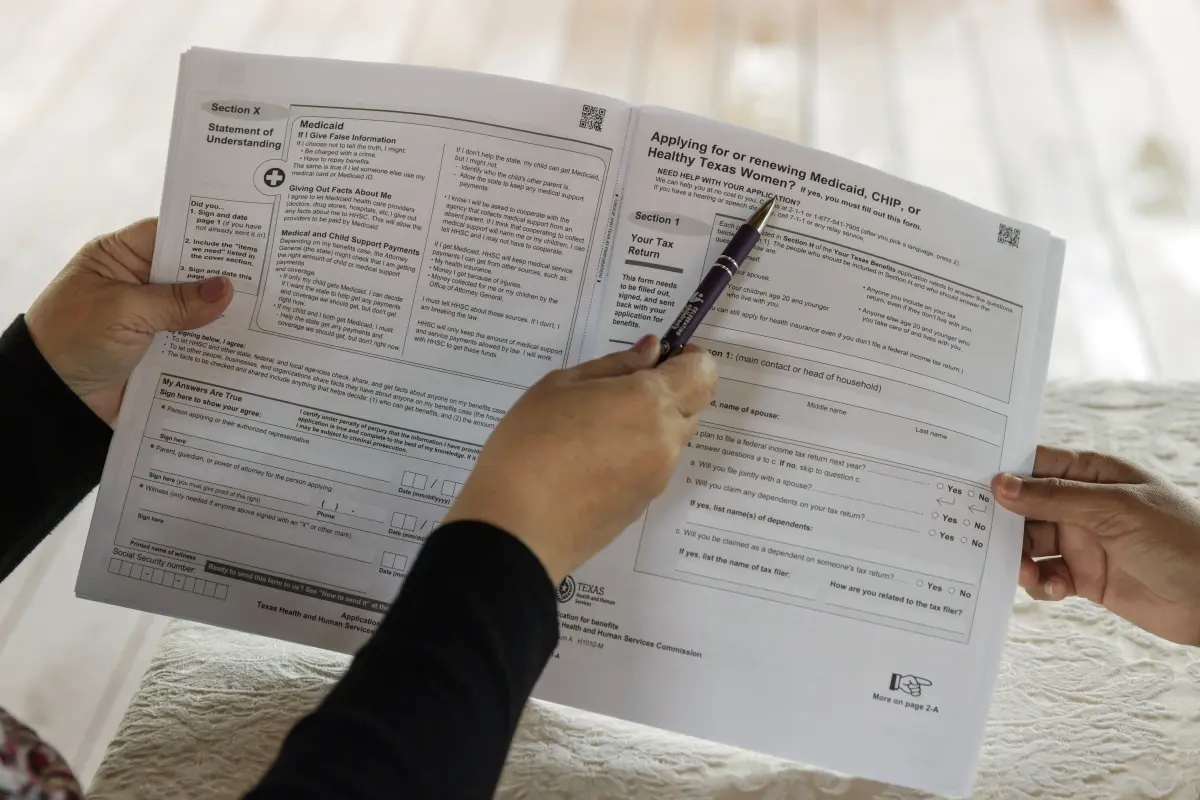
Medicaid Estate Recovery (often called MERP) is a process where a state Medicaid agency makes a claim against the deceased person’s estate to recoup certain Medicaid benefits paid on their behalf.
Federal law requires every state to have an estate recovery program. What varies is how broad the recovery is and what the state includes beyond the federal minimum.
- Estate recovery happens after death.
- It targets the estate, not your kids personally in most situations.
- It is separate from eligibility rules like the five-year look-back (more on that later).
Most families run into estate recovery after Medicaid paid for nursing home care or home and community-based services for someone age 55 or older. There is also an important, less-discussed category: in some cases, recovery can apply to someone of any age if they were permanently institutionalized (state rules and facts matter).
What costs a state can recover
Under federal rules, states generally must pursue recovery for the cost of certain Medicaid-covered long-term care benefits. Most commonly, that includes:
- Nursing facility services (nursing home care)
- Home and community-based services (HCBS, including waiver services)
- Related hospital and prescription drug services connected to those required long-term care categories for individuals 55 or older
Some states also choose to pursue recovery more broadly than the federal minimum (for example, for additional Medicaid services for people 55+). This is one of those “check your state” moments.
What “the cost” actually means
It usually means the Medicaid program adds up the amount Medicaid paid for covered services for that person, then makes a claim for repayment up to that amount.
Important nuance: Medicaid recipients typically contribute most of their monthly income to the nursing home as a “patient pay amount,” keeping only a small personal needs allowance. Estate recovery is generally about what Medicaid paid after that contribution, not what the person already paid out of pocket.
What assets can be part of “the estate”
This is where it gets tricky, because “estate” can mean different things depending on state rules.
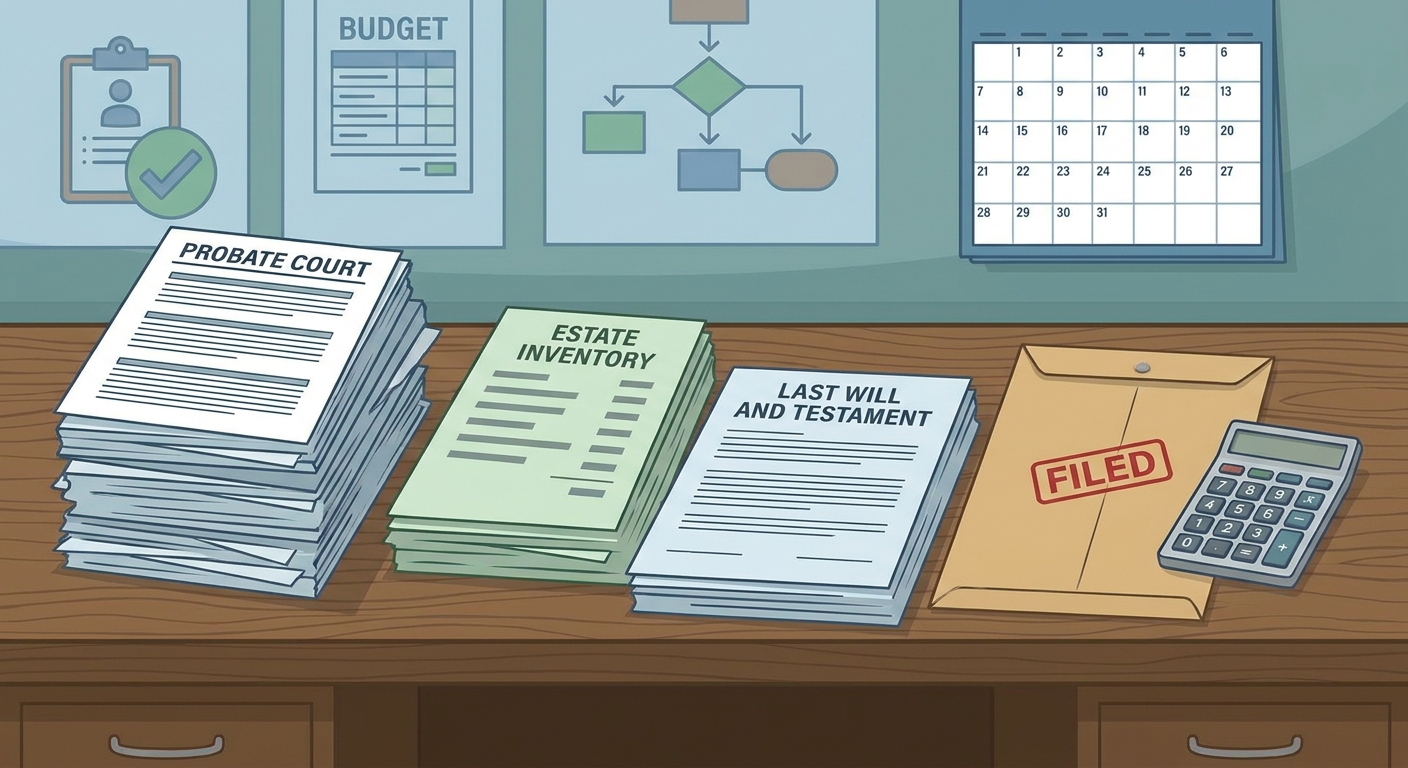
At a basic level, states often recover from probate assets, meaning property that passes under a will (or under state intestacy rules if there is no will).
Some states use an expanded definition and can also reach certain non-probate assets. Because the rules vary so much, you really want to check your state’s Medicaid estate recovery description or talk to an elder law attorney if a home is involved.
Assets commonly reviewed
- A home (if it is part of the probate estate or recoverable under your state’s definition)
- Other real estate such as land, rental property, a timeshare
- Bank accounts held in the deceased person’s name alone
- Vehicles owned solely by the deceased person
- Investments held solely by the deceased person
- Personal property (sometimes, though the home is usually the big one)
One practical takeaway: if the person dies owning property in their name, probate is often the doorway that lets a claim attach.
Assets that may be harder to recover from
Depending on how something is titled, it may pass outside probate. In many states, that can make recovery harder, but it is not a guarantee. Expanded-estate states can sometimes still pursue certain non-probate transfers.
- Life insurance with a named beneficiary (often bypasses probate)
- Retirement accounts with a named beneficiary (401(k), IRA)
- Accounts with payable-on-death beneficiaries
- Property held in certain trusts (highly fact-specific)
- Jointly owned property (how it is titled matters a lot)
To make that last bullet less abstract: in some expanded-estate states, certain assets that pass by joint tenancy or beneficiary designation can still get pulled into a recovery analysis. That is why this is a “don’t guess” zone.
When recovery is delayed or blocked
Even when a state has a valid claim, there are major protections that can delay recovery or sometimes prevent it, especially when close family members are still living.
Surviving spouse protection
States generally must defer estate recovery while a surviving spouse is alive. This is a huge one.
In real life, that often means:
- The state may put its claim on file, but collection is postponed.
- If there is a house, the spouse may be able to continue living there without an immediate forced sale due to estate recovery.
One quick clarification that prevents a lot of confusion: estate recovery is a post-death process. It is separate from the limited circumstances where a state may place a pre-death Medicaid lien on a home (which is a different set of rules and protections, and not something most families encounter day to day).
What happens after the spouse later dies can depend on how the home and other assets are titled at that point. This is where families benefit from getting advice earlier rather than later.
Minor child or disabled child protection
Recovery is generally prohibited if the Medicaid recipient is survived by:
- A child under 21, or
- A child of any age who is blind or disabled (typically using Social Security standards)
These protections can stop a claim, but the paperwork burden is usually on the family to prove the situation.
Caregiver child and the home exemption
A lot of families hear “caregiver child” and think it automatically cancels estate recovery. Not exactly.
The caregiver child rule most commonly shows up as a federal home-transfer exemption (with state-specific documentation requirements). In general, if an adult child lived in the parent’s home and provided care that kept the parent out of a nursing home for a required period (often discussed as two years), the parent may be able to transfer the home to that child without triggering a transfer penalty.
If the home is transferred properly under that exemption before death, it may not be in the estate later.
Separately, some states also have hardship processes that can delay or reduce recovery for certain heirs, including caregiver children. The details are state-specific and often require an application and documentation.
Undue hardship waivers
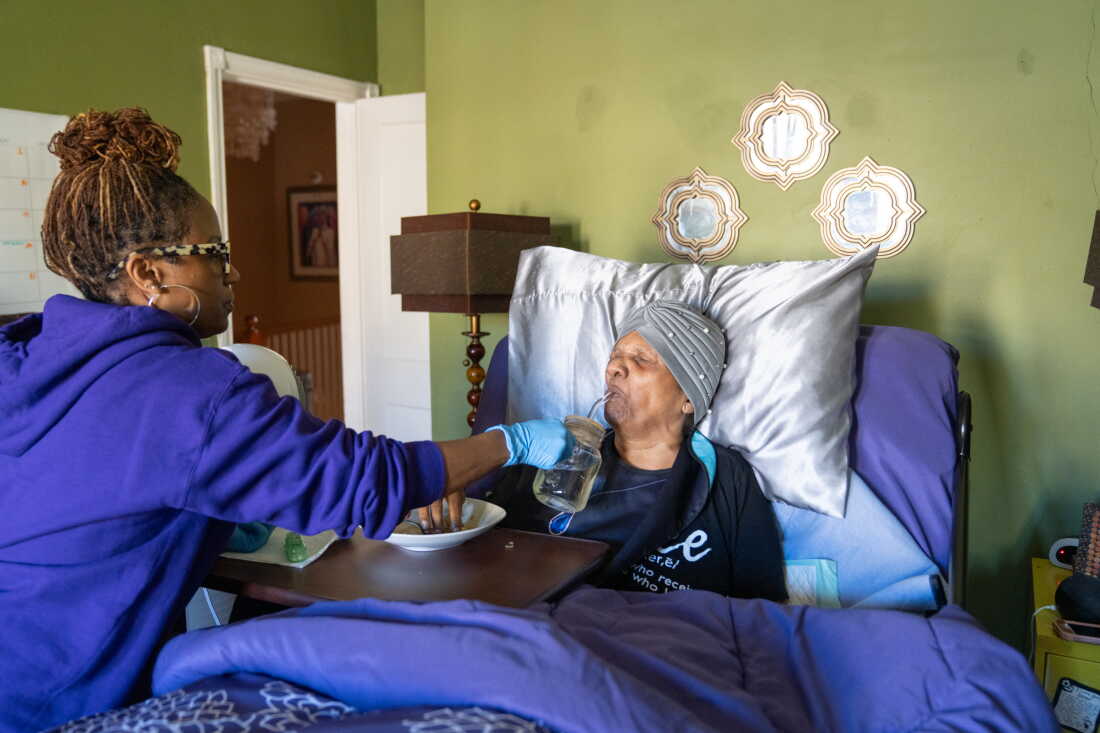
States are required to have a way to request an undue hardship waiver. This is not automatic. It is typically a formal request where the heirs show that estate recovery would cause a serious hardship, such as:
- An heir who relied on the home as a primary residence and would become homeless
- A family farm or small business that is a primary source of income for surviving family members
- Other circumstances the state recognizes as severe hardship
Think of this as a safety valve, not a planning tool. The process can be time-sensitive.
Estate recovery vs. the look-back
This is one of the biggest points of confusion, so I want to say it plainly.
Look-back
The transfer look-back is about what happened before someone applied for Medicaid long-term care coverage. Medicaid reviews financial transactions during a look-back period (often five years for long-term care) to see whether assets were given away or transferred for less than fair market value.
If Medicaid finds improper transfers, it can impose a penalty period where Medicaid will not pay for nursing home care even if the person is otherwise eligible.
Estate recovery
Estate recovery is about what happens after the Medicaid recipient dies. The person was eligible, Medicaid paid for care, and then the state may seek reimbursement from the estate.
Quick comparison
- Look-back: focuses on gifts and transfers before eligibility.
- Estate recovery: focuses on collecting from what is owned at death (as defined by your state).
- Look-back consequence: delay in coverage.
- Estate recovery consequence: a claim against estate assets during settlement.
How the process usually works
While details differ by state, the flow is usually something like this:
- The Medicaid recipient dies.
- The state is notified (often via vital records or when the family contacts Medicaid).
- The state sends a notice indicating it may have a claim and explaining how to respond.
- The estate is opened in probate (if probate is required).
- A claim is filed by the state Medicaid agency within required deadlines.
- The estate’s representative pays valid debts and claims in the order required by state law, then distributes what is left to heirs.
If the only meaningful asset is a house, the estate may need to sell it or otherwise resolve the claim before the home can be transferred with clear title.
Two quick real-world examples that come up constantly:
- House in Mom’s name only: Mom received Medicaid nursing home coverage, dies owning a house in her name alone, and probate is opened. The state files a MERP claim in probate, and the executor has to address it before distributing the home to heirs.
- Dad still alive: Same facts, but Dad is the surviving spouse. The claim is generally deferred while Dad is alive, even if the state sends paperwork.
Common myths
Myth: “Medicaid takes the house.”
Medicaid usually does not swoop in and seize a home the way people picture it. Estate recovery is more often a claim that must be dealt with when the estate is settled. But the end result can still be the same if the estate has to sell the home to pay the claim.
Myth: “The kids inherit the debt.”
Typically, adult children are not personally responsible for paying a parent’s Medicaid claim from their own money. The claim is against the estate. That said, if someone mishandles estate assets while claims are pending, it can create legal problems. If you are the executor or administrator, take it seriously.
Myth: “If we avoid probate, we automatically avoid recovery.”
Avoiding probate does not automatically avoid estate recovery. Some states can pursue certain non-probate assets under expanded-estate rules, and there are also situations where other claims, liens, or eligibility issues come into play. This is an area where state rules matter a lot.
Smart next steps
This is not the kind of money topic you want to wing it on, especially when a home is involved. A few practical steps that help families get their footing:
- Find out what Medicaid paid and keep records. If you receive a recovery notice, ask for an itemized statement of the claim amount and what services it covers.
- Respond by the deadline. Even if you believe an exemption or deferral applies, missing a response window can create avoidable problems.
- Do not distribute estate assets too early. If you are the personal representative, wait until you understand what claims exist and what deadlines apply.
- Check for spouse or child protections. If a spouse survives the Medicaid recipient, recovery is generally deferred. If there is a surviving minor child or a blind or disabled child, recovery is generally prohibited.
- If you are a caregiver child, document everything. Proof of residency, caregiving responsibilities, and medical need can matter for exemptions or hardship requests.
- Talk to an elder law attorney in your state if a home is in play or if you are considering a hardship waiver. One hour of advice can prevent expensive mistakes.

FAQ
Can estate recovery happen if the person never owned a home?
Yes. If there are other assets in the estate, like bank accounts or investments, the state can make a claim against those too. The reason homes get most of the attention is because they are often the only significant asset left.
Does Medicare have estate recovery?
Not like Medicaid. Estate recovery is a Medicaid long-term care concept. Medicare and Medicaid get mixed up constantly because the names are similar, but they are very different programs.
How long after death does the state file a claim?
It varies. Some states send notices fairly quickly after death; others show up later during probate. Claims also have deadlines, and probate has its own timelines. If you are settling an estate, assume you need to check for potential Medicaid claims early.
Can the state recover more than what it paid?
Generally, no. The claim is usually limited to the amount Medicaid paid for covered services. Administrative costs, interest rules, and how claims are calculated can vary by state, so always request the statement and review it.
What if the estate does not have enough money to pay the claim?
Then the state may only recover what is available after required expenses and higher-priority claims are paid, based on your state’s order-of-claims rules. In many cases, estate recovery results in a partial recovery or none at all if there are no assets.
The bottom line
Medicaid estate recovery is not about punishing families. It is the system’s way of trying to reimburse the state for long-term care costs after a recipient dies. Still, it can affect inheritances, especially when the main asset is a home.
If you remember just two things, make them these:
- Estate recovery happens after death and targets what is in the estate (as defined by your state).
- The five-year look-back happens before eligibility and focuses on transfers and gifts.
If your family is staring down nursing home planning now, or settling a loved one’s affairs after Medicaid paid for care, take a breath and get the facts for your state. This is one of those areas where clarity can save both money and stress.