
When someone you love passes away, the last thing you need is a scavenger hunt through government rules. One question I see a lot is about the Social Security lump-sum death payment, sometimes called the “death benefit.”
Here is the key point: it is a one-time $255 payment, and it is not the same thing as ongoing monthly survivor checks. The eligibility rules are surprisingly strict, and plenty of families assume they qualify when they do not.
What the lump-sum death payment is
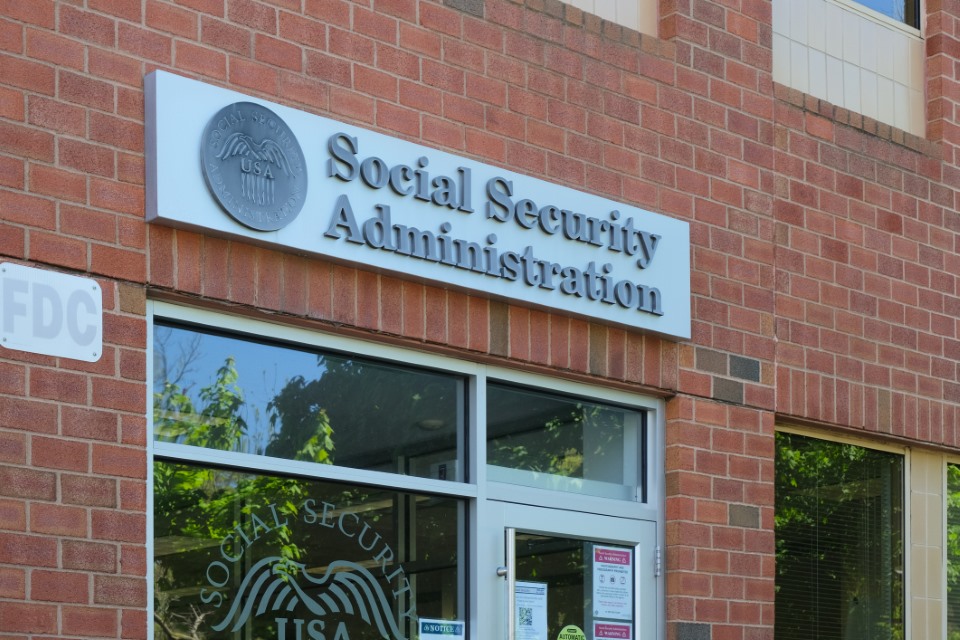
The Social Security lump-sum death payment is a one-time payment of $255 that Social Security may pay when a person who worked and paid into Social Security dies.
In most cases, Social Security pays it to one eligible person in the family, not to everyone. If no one meets the requirements, it is not paid at all.
This $255 amount is fixed by law and is not tied to inflation adjustments like many monthly Social Security benefits.
A quick eligibility reality check
Not every death triggers this payment. In general, the person who died must have been “insured” for Social Security based on their work history. If they did not have enough work credits, there may be no death payment and no survivor benefits on that record.
Who can get the $255 payment
Social Security has a short list of people who can qualify. Generally, the $255 payment can go to:
- A surviving spouse who was living with the person when they died, or
- A surviving spouse who was not living with the person at the time of death but was already receiving Social Security benefits on the deceased worker’s record, or
- A child who is eligible for benefits on the deceased worker’s record (when there is no eligible spouse).
In plain English: Social Security is usually looking for a spouse first. If there is no spouse who qualifies, an eligible child may be able to receive the payment.
One common example of how strict this gets: if you were separated and living apart, and you were not already receiving benefits on your spouse’s record, Social Security may deny the lump-sum even though you may still qualify for monthly survivor benefits later.
Spouse rules and “living with”
The “living with” rule is what trips up a lot of people, especially if a couple was separated, living in different places for work, or in a care setting near the end of life.
If you were living with your spouse
If you were living with your spouse when they died, you are typically first in line for the lump-sum payment.
What can still count as “living with”
Do not self-disqualify too fast. Social Security can treat some situations as still being in the same household, depending on the facts. Examples that may still count include:
- One spouse was temporarily away for work
- A short-term hospital stay
- Living apart near the end of life due to nursing home, hospice, or medical needs
Social Security makes these calls case by case. If your situation is complicated, ask them how they are applying the “living with” standard to your claim.
If you were not living with your spouse
You still might qualify, but the bar is higher. In general, you may qualify if you were already receiving spousal benefits or survivor benefits on your spouse’s record at the time of death.
If you are a surviving spouse who was not living with the worker and you are not already receiving benefits on their record, you may not qualify for the $255 payment even if you may qualify for monthly survivor benefits later.
If there is no eligible spouse
If there is no spouse who qualifies for the lump-sum death payment, an eligible child may be able to receive it.
“Eligible” here generally means the child is entitled to Social Security survivor benefits on the deceased worker’s record. Common examples include:
- A child under age 18
- A child age 18 to 19 who is a full-time student in a secondary school (high school level)
- An adult child with a disability, if the disability began before age 22 and the other SSA dependency rules are met
If more than one child is eligible, Social Security will still pay only one $255 lump-sum payment total, not $255 per child.
How to apply and the deadline
In many cases, you will need to call Social Security or visit a local office to apply. SSA’s options can change, and some steps can sometimes be started online, but families should be prepared for a phone call or office appointment for survivor-related claims.
If you have not done it already, it is usually smart to make sure Social Security has been notified of the death. Often the funeral home reports it, but I still recommend confirming that SSA received the report and asking what the next step is for both the $255 payment and any monthly survivor benefits.
The time limit
There is a deadline. In general, Social Security requires the lump-sum death payment claim to be filed within 2 years of the date of death. If you are not sure whether the limit applies to your situation, confirm it directly with SSA when you call.
My advice: do not “set it aside for later.” When families are grieving and handling funeral costs, it is easy for two years to disappear.
What you will typically need
Social Security may ask for items like:
- The deceased person’s Social Security number
- Your proof of identity
- Proof of marriage (for a spouse) or proof of relationship (for a child)
- A death certificate (often the funeral home reports the death, but Social Security may still request documentation)
- Banking information for direct deposit
$255 payment vs monthly survivor checks
The $255 death payment is a one-time benefit. Monthly survivor benefits are the larger, ongoing payments many families depend on.
These two benefits have different rules, and qualifying for one does not automatically mean you qualify for the other.
Monthly survivor benefits depend on your situation
Monthly survivor checks can be paid to qualifying family members, including widows and widowers, minor children, and in some cases dependent parents. Eligibility can depend on age, disability status, and whether you are caring for the worker’s child.
The earnings test can reduce benefits
If you receive monthly survivor benefits and you are under full retirement age, Social Security’s earnings test may reduce your payments if your work income is over the annual limit. This is one of those rules that can surprise people who go back to work or pick up extra hours while grieving.
The family maximum can cap total survivor payments
There is also a family maximum rule. When multiple family members receive survivor benefits on one worker’s record, Social Security may cap the total amount paid. That can mean individual checks are reduced when the total would exceed the limit.
If you want the full breakdown of who qualifies for monthly benefits and how Social Security calculates the amounts, see our survivor benefits guide here: Social Security Survivor Benefits: Who Qualifies and How Much You Can Get.

What to check before you file
Before you call Social Security or head into an office, it helps to confirm a few details so you are not stuck in a loop of follow-up calls.
Start with what you can verify in your own my Social Security account and your paperwork. Most people will not have lawful access to a deceased person’s online account, and you should not assume you can log in on their behalf.
- Your direct deposit setup: Make sure your bank account information is correct if Social Security will pay you benefits.
- Your contact information: Verify your mailing address, phone number, and email are current.
- Your current benefit status: If you are a spouse who was not living with the worker, note whether you were already receiving benefits on their record, since that can affect lump-sum eligibility.
- Key documents: Gather your marriage certificate, birth certificates for children who may qualify, and any legal name-change documents, if relevant.
If you are not sure whether you should apply for the lump-sum payment, monthly survivor benefits, or both, ask Social Security to review your options. You can also read our survivor benefits guide (linked above) so you know the right questions to ask before you get on the phone.
Quick reality check: The $255 payment will not cover a funeral. But it is still money your family may be entitled to, and when cash flow is tight during a loss, every bit helps.
If a payment arrives after death
Another point that confuses families: if a monthly Social Security payment is deposited after someone dies, it may not be “extra” money. Social Security rules about the month of death are strict, and SSA can reclaim payments that were not due.
If you see a deposit you do not understand, ask Social Security what it was for before you spend it.
FAQ
Is the death payment always paid?
No. It is only paid if an eligible spouse or eligible child exists under Social Security’s rules and the worker was eligible based on their record.
Can a funeral home claim the $255 payment?
No. The payment goes to an eligible family member, not directly to a funeral home.
Can I get the $255 payment if we were divorced?
Typically, no. A divorced surviving spouse is generally not eligible for the one-time $255 lump-sum death payment. Divorced survivor situations are more often relevant to monthly survivor benefits, not this one-time payment.
Do I pay taxes on the $255 payment?
In most cases, the $255 lump-sum itself is not what creates a tax issue. The bigger tax question is usually whether monthly Social Security benefits are taxable when combined with other income. If you are unsure, a tax pro can help you run the numbers.