
If you have private student loans, you have probably wondered the same thing many borrowers do: Is there any private student loan forgiveness, or are you stuck paying no matter what?
Here is the clear answer: private student loans usually do not have forgiveness programs the way federal student loans do. But “usually” matters. There are a handful of situations where a private balance can be reduced, wiped out, or made uncollectible. They are narrower, messier, and more lender-specific than federal options, but they do exist.
One quick note on terms, because lenders and borrowers use these words differently:
- Forgiveness usually means a program where remaining debt is eliminated after you meet requirements.
- Discharge usually means the debt is canceled due to a specific event (like death or disability), often defined by the contract.
- Settlement means negotiating to pay less than the full amount, usually after delinquency or default.

Why private loans rarely have forgiveness
Federal student loans are backed by the government, and Congress has created formal discharge and forgiveness paths (like Public Service Loan Forgiveness and income-driven repayment forgiveness). Private student loans are different. They are credit products issued by banks, credit unions, and private lenders. Their rules come from:
- your promissory note and loan agreement
- state contract law
- each lender’s internal hardship policies
That means there is no universal “private loan forgiveness program” you can apply for. When relief happens, it tends to look like discharge in limited circumstances, a settlement, or a legal outcome like bankruptcy.
Exceptions that can reduce private loans
None of these are as streamlined as federal options. Start by pulling your promissory note and asking the lender or servicer for the written policy that applies to your specific loan.
1) Death discharge (sometimes)
Some private lenders will discharge a student loan if the borrower dies, but it is not universal and it can vary by lender, loan vintage, and whether the borrower is the student or a parent borrower. The promissory note controls what happens next, especially when there is a cosigner.
- Some lenders discharge the balance even if there is a cosigner.
- Other lenders may still pursue a cosigner, depending on the promissory note.
- State law can affect the mechanics of collection, such as estate claim procedures and what collection tools are allowed after a lawsuit and judgment.
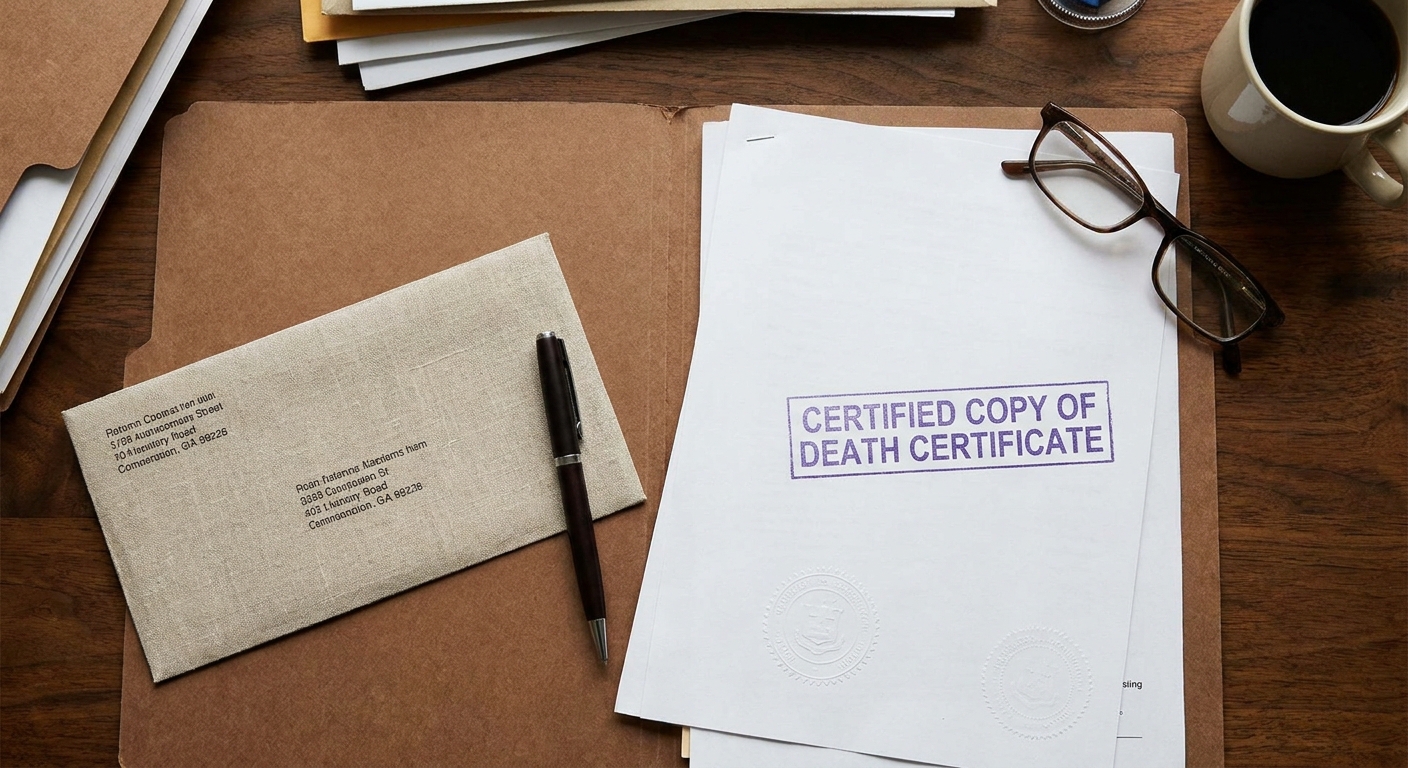
What to do: If you are handling a family member’s estate, call the lender or servicer and ask specifically for the death discharge process and the written policy. Typically, you will need to provide a certified death certificate and documentation showing you are authorized to discuss the account (executor papers, letters testamentary, or similar).
2) Disability discharge (limited)
Federal loans have a defined Total and Permanent Disability (TPD) discharge process. For private loans, disability relief depends on the lender and the contract.
Some lenders offer a discharge or a form of long-term hardship relief if the borrower becomes totally and permanently disabled. Others offer only temporary forbearance. Some require specific documentation, such as physician certification or proof of Social Security disability status.
What to do: Ask your lender these questions in writing (email or secure message) so you have a record:
- Do you offer a disability discharge, or only forbearance?
- What definition of disability do you use?
- What documents do you require, and how often must they be renewed?
- If there is a cosigner, does discharge still apply?
3) School closure or fraud relief (rare)
Federal loans have borrower defense and closed school discharge programs. Private loans do not have the same built-in rights. However, there are a few ways private loan relief can happen in school misconduct situations:
- State enforcement actions or lawsuits can sometimes result in restitution funds or settlement structures that help borrowers.
- Private lenders may offer case-by-case concessions if there is clear, documented fraud and strong legal pressure, but this is not a standard benefit.
What to do: Gather documentation (enrollment agreement, marketing promises, complaint records, accreditation issues) and consult a consumer attorney or legal aid if you believe you were defrauded. If a state attorney general has an active case, follow their instructions for impacted borrowers.
4) Settlement after delinquency or default
When people say “private loan forgiveness,” they sometimes mean settlement. A settlement is a negotiated agreement where the lender or collector agrees to accept less than the full balance to close the debt.
Settlements are more likely when:
- the loan is severely delinquent or charged off
- the debt is with a collection agency or debt buyer
- you can offer a lump sum, or a short payment plan
- the lender believes collecting in full is unlikely
Settlements can be legitimate, but they come with tradeoffs:
- Credit impact: late payments and charge-offs hurt, and a settled account can also be negative. Before you pay, confirm in writing how the account will be reported (for example, “settled” or “paid”) and be cautious about “pay-for-delete” promises. Many creditors will not agree to deletions, and if they do, you want it in writing.
- Taxes: canceled debt can be treated as taxable income in some cases. A lender or collector may issue a Form 1099-C when debt is canceled, and tax outcomes can differ depending on whether debt is treated as canceled versus satisfied through a settlement payment. There are exceptions (like insolvency), and the details matter, so consider a tax professional before you finalize a settlement.
- Cosigner risk: the lender can still pursue a cosigner if the account is not resolved properly.
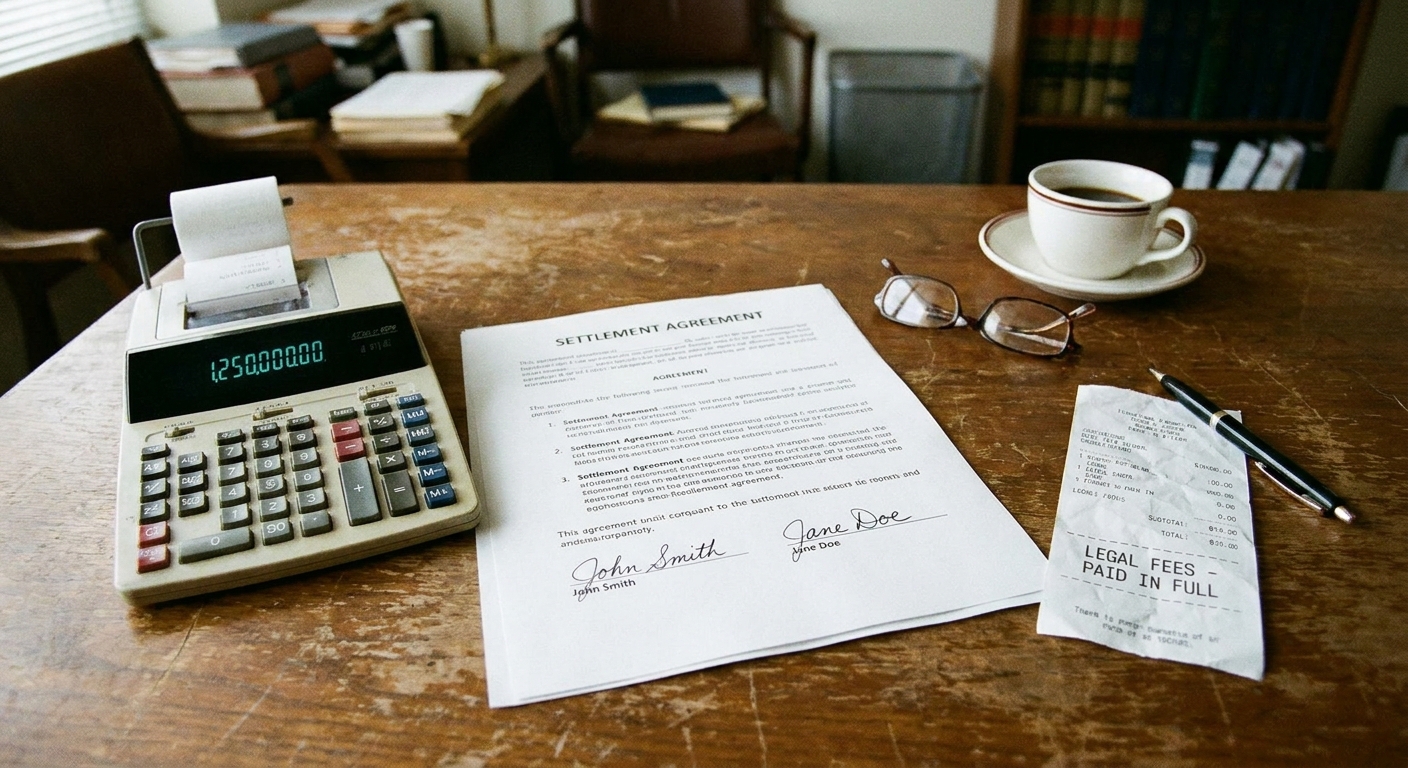
What to do: Never send money without a written settlement agreement that states the amount, due date(s), and that the payment satisfies the debt in full (or exactly what remains). Keep proof of payment.
5) Bankruptcy discharge (hard, not impossible)
Private student loans are often described as “not dischargeable,” but that is oversimplified.
In bankruptcy, many education debts are treated as nondischargeable unless you prove undue hardship through a separate legal process (an adversary proceeding). That is a high bar. Still, outcomes vary, and some borrowers do receive partial or full relief.
It also helps to know that the bankruptcy rule people point to (often discussed under Section 523(a)(8)) covers several education-debt categories, not just one type of private “qualified education loan.” Some debts labeled as “student loans” may not fit the categories that get extra protection from discharge. That can depend on how the debt was structured, who issued it, what it was used for, and the facts of the school and program.
What to do: If you are considering bankruptcy, talk to a bankruptcy attorney who has handled student loan cases. Ask directly:
- Does my private loan look like it falls under bankruptcy’s student loan nondischargeability rules (often discussed under Section 523(a)(8))?
- What are the chances of an undue hardship claim in my situation?
- Could bankruptcy still help by restructuring other debts and freeing cash flow even if the loan remains?
6) State programs and employer benefits
Some relief comes from outside the lender. This is not forgiveness by the private lender, but it can reduce what you personally pay.
Employer repayment help
Some employers contribute monthly payments toward employees’ student loans, and some plans allow payments toward private loans as well as federal loans. Details depend on the employer program.
What to do: Ask HR:
- Do benefits apply to private student loans?
- Is there a waiting period or job requirement?
- Do payments go to the servicer directly?
State repayment help
Many state programs focus on certain professions (health care, teaching, legal aid, public service in rural areas). Some programs pay loan servicers directly. Eligibility rules vary and may or may not include private loans.
What to do: Check your state’s higher education agency and professional licensing boards for repayment assistance programs, then confirm whether private loans qualify.

Payment relief options
For private loans, immediate relief usually comes through your lender’s hardship tools, not forgiveness. Terminology is not consistent across lenders, but these are common options:
- In-school deferment: some lenders let you postpone payments while enrolled at least half time. Interest may still accrue.
- Forbearance: a short-term pause or reduction, often used for unemployment, medical leave, or other hardship. Interest usually accrues and may capitalize.
- Interest-only payments: a temporary step-down that can prevent the balance from growing as fast.
What to do: Ask the servicer to list every hardship option available on your specific loan, how interest is handled, whether interest capitalization applies, and what triggers the end of the relief period.
Servicer vs lender
Many borrowers talk to a servicer first, and that is normal. But servicers do not always have discretion to approve special requests, and frontline representatives can be inconsistent.
What to do: If you get confusing answers, ask for the written policy or the promissory note section that supports the answer. If needed, escalate within the company (supervisor, escalation team, or the lender’s executive customer service channel) and communicate in writing so there is a record.
Contract discharge terms
This is worth a careful look. Your promissory note may include provisions for:
- death discharge
- disability discharge
- cosigner release (not forgiveness, but can reduce family risk)
- temporary hardship forbearance
If you do not have your documents, ask your servicer for a copy of the promissory note and any amendments. If your loan has been transferred, you may need to ask both the current servicer and the original lender.
Cosigner release
If your loan offers cosigner release, it can reduce family risk and stress, but it is not guaranteed and it usually requires an application.
Common gotchas include:
- a requirement for a long streak of on-time payments (and one late payment can reset the clock)
- income and credit checks at the time you apply
- limits based on the loan’s current status (forbearance, delinquency, or past default can disqualify you)
What to do: Ask the servicer for the written cosigner release criteria and the application process, and confirm whether payments made during hardship plans count toward the on-time payment requirement.
Forgiveness scams to avoid
Because real private forgiveness is limited, scammers fill the gap with big promises. Be extra cautious if someone says they can get your private loans “forgiven” quickly for a fee.
Common red flags
- They guarantee forgiveness or claim they have a “special program” for private loans.
- They pressure you to act immediately or threaten arrest, wage garnishment tomorrow, or “lawsuit papers” unless you pay them.
- They ask for your FSA ID or tell you to sign a power of attorney so they can “handle everything.”
- They demand upfront fees for services you can often do yourself, like calling the lender, requesting hardship options, or applying for employer benefits.
- They tell you to stop paying and stop communicating with your lender, without a real plan and written documentation.
A safe rule: If the pitch sounds like federal-style forgiveness applied to private loans, slow down and verify. Private loans do not have PSLF equivalents. Some employers and states offer assistance, but that is different from lender forgiveness.
Default risks
If you fall behind on private loans, consequences can escalate quickly. Depending on the lender and your state, you could face collection calls, a lawsuit, a court judgment, and then tools like wage garnishment or bank account levies where permitted. This is one reason borrowers explore hardship options early, and why settlement conversations often happen after default.
If forgiveness is unlikely
When true forgiveness is not on the table, the goal shifts to making the loan survivable. A few practical paths:
Ask for hardship help
Private lenders may offer short-term forbearance, interest-only payments, or modified payment plans. These are not always advertised.
Lower the interest rate
If your credit and income have improved or you can add a qualified cosigner, refinancing can lower your rate. Refinancing replaces your old loan with a new private loan, which can eliminate any lender-specific discharge or hardship benefits attached to the original note. Refinancing is not for everyone, but it is one of the most common ways borrowers reduce the total cost of private debt.
Protect cosigners
Some lenders allow cosigner release after you meet on-time payment and income requirements. This does not reduce the balance, but it can reduce risk and family stress.
Quick checklist
How to check discharge options
- Identify the lender and servicer for each loan.
- Request your promissory note and any policy documents related to discharge or hardship.
- Ask directly about death discharge, disability discharge, and cosigner release.
- Get answers in writing and keep copies.
- If you are facing extreme hardship, consider a legal consult to evaluate bankruptcy options or defenses.
FAQ
Are private student loans ever forgiven?
Not in the broad, programmatic way federal loans can be. But some private loans can be discharged after death or (less commonly) total and permanent disability, reduced through settlement, or affected through bankruptcy in limited situations.
Do private student loans go away after 20 years?
Private loans generally do not have automatic time-based forgiveness. Some debts may become harder to sue on after a certain number of years due to a state’s statute of limitations, but that does not necessarily erase the debt, and rules are state-specific. Also, making a payment is not the only action that can affect timelines. Written acknowledgment or other actions can matter depending on the state. If you are dealing with old private debt, it is wise to get legal advice before you restart contact or make a payment.
If the borrower dies, does the cosigner have to pay?
It depends on the lender’s death discharge policy and the contract. Some lenders discharge the loan even with a cosigner. Others may still pursue the cosigner. Always ask the lender for their written policy and review the promissory note.
Is bankruptcy worth considering for private student loans?
Sometimes. Discharging student loans in bankruptcy is challenging, but not always impossible. Even when loans are not discharged, bankruptcy can still improve cash flow by addressing other debts. A bankruptcy attorney can help you evaluate your specific situation.