
The first time my family had to deal with an insurance claim for care, the hardest part was not the forms. It was figuring out what the policy actually needed in order to say “yes.” Long-term care insurance works the same way. Your loved one can genuinely need help, but the insurer is looking for benefit triggers, medical certification, and a paper trail that matches the contract language.
This guide walks you through what normally happens when you start a long-term care (LTC) claim, what paperwork to gather, how the elimination period is counted, what to expect for timing, and what to do if the claim is delayed or denied.

Before you call
Before you spend an hour on hold, take 15 minutes to get organized. It saves you from repeating the same story three times and it reduces the odds that the insurer “can’t process” the claim because something basic is missing.
Find the policy basics
- Policy number and the insured’s full legal name
- Type of policy (traditional LTC, hybrid life and LTC, group coverage)
- Benefit amount (daily or monthly maximum)
- Benefit period (for example, 3 years, 5 years, or lifetime)
- Elimination period (common ones: 30, 60, 90 days)
- Inflation rider (if any), since it affects today’s maximums
- Coverage settings (home care, assisted living, nursing home, adult day care, respite)
Line up decision makers
If you are helping a parent or spouse, confirm the insurer will talk to you. Many companies will not discuss details without authorization.
- Get a durable power of attorney and a HIPAA authorization ready if you have them.
- Ask the insurer what they accept: some want their own authorization form even if you already have legal documents.
If you do not have authority and the insured cannot manage calls, start there. It is frustrating, but it is also a common reason claims stall.
Benefit triggers
This is the core eligibility gate. Most long-term care insurance does not pay just because someone is older or frail. It pays when the insured meets the policy’s trigger, as defined in their contract.
The trigger is usually one of two things.
ADL help
ADLs are activities of daily living. Commonly (especially in tax-qualified LTC policies), the trigger is needing help with at least 2 ADLs out of a standard list. Older or non tax-qualified contracts can use different counts, definitions, or wording, so always confirm against the policy.
- Bathing
- Dressing
- Toileting
- Transferring (for example, bed to chair)
- Continence
- Eating
Insurers often care about hands-on help or standby assistance, and whether the need is expected to last for a stretch of time. In many tax-qualified policies, that duration language is often tied to a 90-day certification, but it is not universal. The exact language matters, so check the policy or benefit booklet.
Cognitive impairment
The other common trigger is severe cognitive impairment (for example, Alzheimer’s or another dementia) requiring substantial supervision to protect health and safety.
If cognitive decline is the main issue, keep notes about safety events: wandering, leaving the stove on, medication errors, falls, or inability to manage basic judgment. Those details tend to show up in the assessment and can make the difference between “needs reminders” and “needs supervision.”

Start the claim
Most insurers start claims one of three ways: a phone call, an online portal, or a paper packet. If you can, call first even if you plan to submit online. You want a claim number and a list of exactly what they want.
What to ask on the first call
- What counts as the benefit trigger under this policy?
- Which forms are required and who completes them?
- Do they require a licensed health care practitioner certification (and which professionals qualify)?
- Do they require a plan of care, and who must create it?
- How is the elimination period counted for this policy?
- Is the policy reimbursement or indemnity?
- Are caregivers required to be licensed or from an agency for home care?
- Where and how should documents be submitted (portal, fax, mail)?
Write down the date, the representative’s name, and a reference number for the call if they provide one. I treat claim calls like I treat bank calls. If something goes sideways later, you want a trail.
How long it takes
Families always ask for a timeline. You deserve one, even if it has a big disclaimer attached.
Many claims follow this general pattern:
- Intake: You open the claim, get a claim number, and receive the packet or portal checklist.
- Records and forms: You gather paperwork, and the doctor or facility completes their parts.
- Assessment: The insurer may schedule an in-home visit or a phone or video assessment, or in some cases decide based on provider records alone.
- Decision: Approval, a request for more information, or a denial.
In real life, the schedule is mostly controlled by two bottlenecks: how fast provider offices return medical statements and how quickly an assessment can be scheduled. If you want the fastest path, focus your energy there.
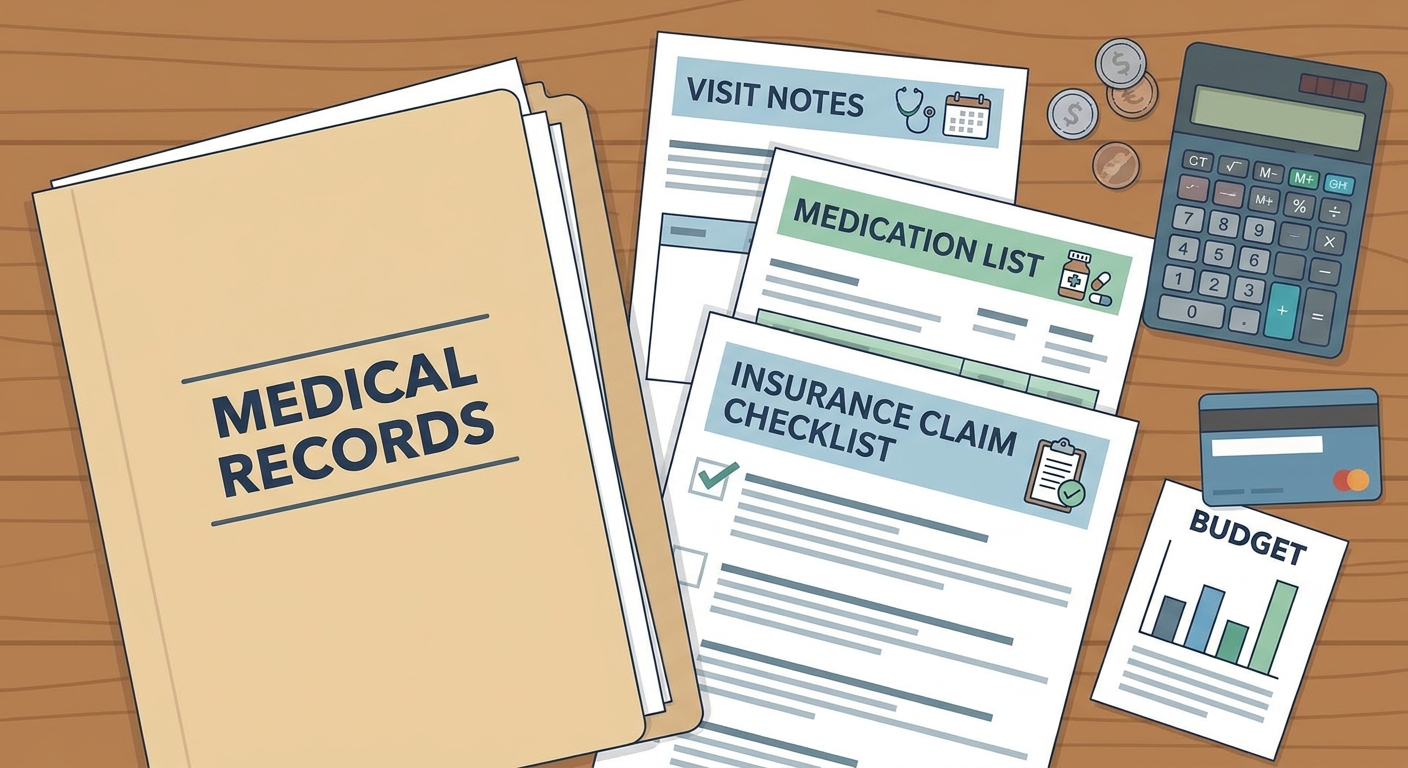
Paperwork you will likely need
Different companies use different form names, but most LTC claims revolve around the same set of documents.
Claim forms
- Claimant statement (often completed by the insured or representative)
- Attending physician statement or medical certification
- Care provider statement (agency, facility, or sometimes independent caregiver)
- Authorization to release medical records
Supporting documentation
- Recent medical records related to the condition (primary care, neurology, hospital stays, therapy notes)
- Medication list and diagnoses list
- Care plan or assessment (especially for home care)
- Invoices, itemized statements, and proof of payment (for reimbursement policies)
- Facility contract or service agreement (assisted living, memory care, nursing home, home care agency)
If you are using home care, confirm the policy rules before you hire. Some older policies restrict payment to licensed agencies and will not reimburse informal caregiving by family members.
Home care pitfalls
Home care is where I see the most avoidable friction, because the policy rules can be picky and families often do not learn those rules until after they have hired someone.
- Credentials and employment status: Some policies require an agency or licensed providers. Others allow independent caregivers, but still expect a written agreement and clear documentation.
- Timesheets: Even with reimbursement policies, do not assume an invoice is enough. Keep timesheets showing dates, hours, and tasks (bathing help, transfers, meal prep, supervision).
- Minimums: Some plans have minimum visit lengths or require care on a certain number of days per week for certain benefits. Ask before you build a schedule around assumptions.
- Plan of care updates: If care needs change, update the plan of care and keep the insurer in the loop. A plan that says “standby help” while the reality is “hands-on transfers” can cause trouble later.
The nurse assessment
Many insurers use a nurse assessment (in person or by phone or video) to evaluate ADL needs and cognitive function. Some claims are approved from medical records alone, but when an assessment happens, it is often the moment where a claim gets decided.
How to prepare
- Be honest, not optimistic. Families tend to minimize problems out of pride. This is not the time.
- Use real examples. “Needs help bathing” is vague. “Cannot step into the tub without hands-on help due to balance issues” is clear.
- Have someone present who sees day-to-day functioning (not just the adult child who visits twice a year).
- Bring the care plan and recent medical notes if you have them.
If the insured has good and bad days, describe the bad days too. LTC policies pay based on ongoing need, not a polished 20-minute snapshot.
Elimination periods
The elimination period is the policy’s waiting period before benefits begin. It is one of the most misunderstood parts of the process, because it is not always measured the same way.
Common ways elimination periods are counted
- Calendar days: Once the insured qualifies, the clock runs day by day (even if no paid care happens on some days).
- Service days: Only days when the insured receives covered care count toward the elimination period.
Even within “service days,” definitions can vary. Some policies count a service day as any day with at least one covered service, regardless of whether it is one hour or eight. Others have more detailed rules. Ask the insurer which method your policy uses, and what their “service day” definition is.
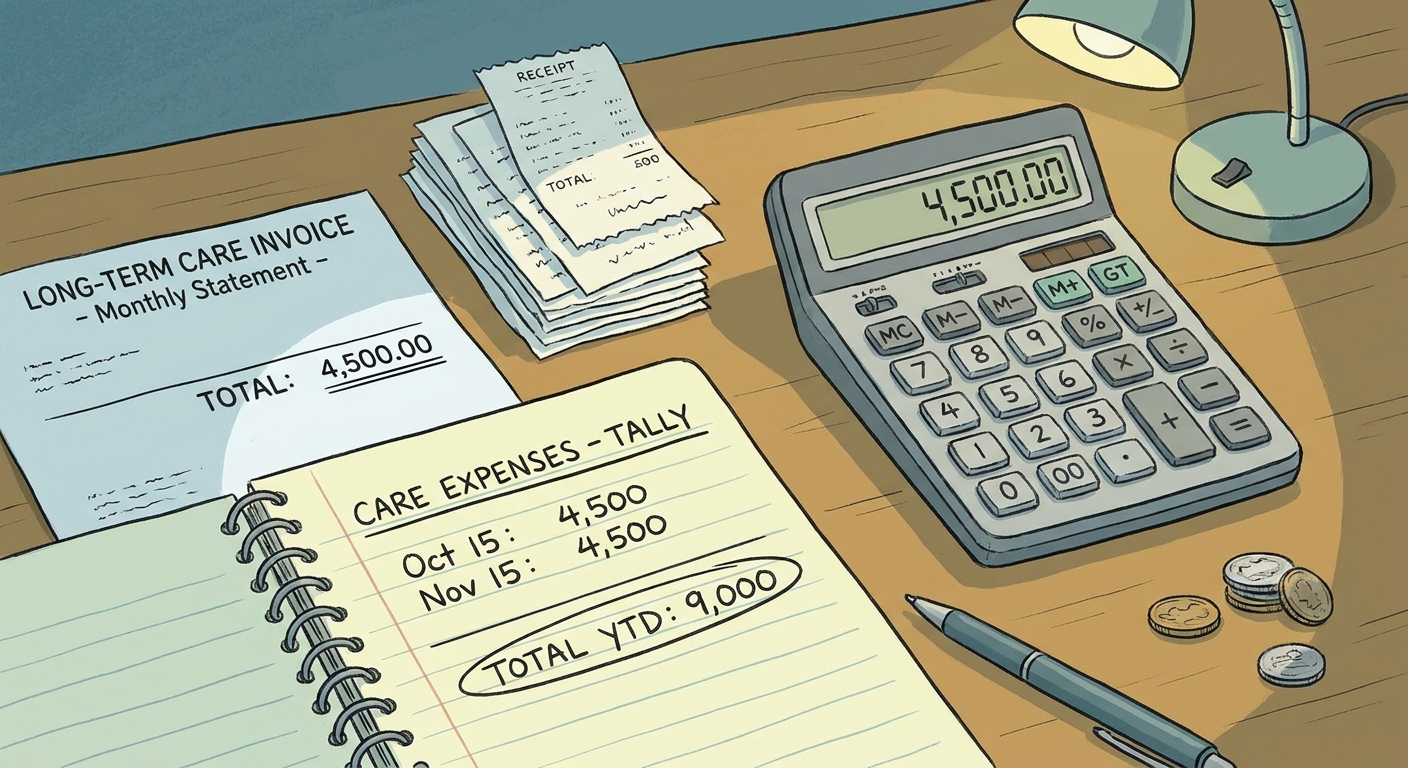
Then keep a simple log: date, type of care, hours, provider, and cost. If the claim later says you only have 62 of 90 days, your log becomes your evidence.
Also ask whether hospital or rehab days count. Some policies treat skilled nursing or Medicare-covered rehab differently than custodial long-term care.
Medicare and other payers
A lot of families run into confusion around Medicare, because Medicare can pay for short-term skilled care, while most long-term care needs are custodial (help with bathing, dressing, supervision). Your LTC policy is generally aimed at custodial care, but the timing can overlap.
Two practical questions to ask the insurer:
- Does time in a hospital, rehab, or skilled nursing setting affect eligibility, documentation, or the elimination period?
- If care is being covered by another payer temporarily, what do they want you to track so you do not lose elimination period credit (if the policy allows it)?
Even if Medicare is paying for skilled rehab now, keep your LTC documentation habit going. Transitions are where paperwork goes missing.
Reimbursement vs indemnity
How you get paid depends on the policy design.
Reimbursement
Reimbursement policies pay you back for covered expenses, up to the daily or monthly maximum. That usually means you submit invoices and proof of payment. If you spend less than the maximum, you get less than the maximum.
Indemnity
Indemnity (sometimes called cash benefit) policies pay a set daily or monthly amount once you qualify, regardless of your actual costs, as long as you meet the benefit trigger and other requirements. They are often simpler to administer, but many still require proof that covered care was received, even if you do not have to itemize every dollar.
If you are not sure which you have, ask directly. Do not assume.
Submitting and tracking
Claims do not usually get delayed because someone is malicious. They get delayed because paperwork is missing, unreadable, unsigned, or sitting in the wrong inbox.
Simple tracking system
- Create one folder (digital or paper) for all claim documents.
- Keep a one-page claim timeline: dates you called, documents sent, documents requested, assessment date, approval date.
- When you submit anything, save confirmation (portal receipt, fax confirmation, certified mail receipt).
When you talk to the insurer, ask what is still outstanding and when they expect a decision. If they cannot give a date, ask when you should call back for a status check.
If the claim is delayed
If you feel stuck, go back to basics: what are they waiting on, and who controls it?
Common delay reasons
- Doctor office did not return the medical statement
- Missing signatures or dates
- Incomplete care plan
- Invoices do not show required details (dates of service, hours, type of care)
- Caregiver does not meet policy requirements
- Insurer wants additional records or a second assessment
How to push it forward
- Ask for the exact missing item in writing (email or portal message if available).
- Call the provider’s office yourself. Many delays live there, not at the insurer.
- Resubmit documents if necessary, clearly labeled with the claim number.
If you are getting vague answers, ask to speak with a supervisor or a claims manager. Keep it polite and specific. “What is the one thing preventing approval today?” is a useful question.
If the claim is denied
A denial is not the end of the road. It is the insurer’s position based on the file they have. Your job is to understand the reason and decide whether you can fix the file.
Get the denial in writing
Ask for the denial letter and read it carefully. It should cite policy language and the reason for denial, such as:
- Benefit trigger not met (ADLs or cognitive impairment not supported)
- Condition considered pre-existing under policy rules
- Care setting or caregiver not covered
- Elimination period not satisfied
- Insufficient documentation
Build an appeal package
Appeals work best when they are specific and document-based.
- Write a short appeal letter that addresses the stated reason for denial.
- Include supporting medical notes that match the trigger language (ADL limitations, supervision needs).
- If appropriate, ask the doctor to write a focused letter clarifying functional limitations, not just diagnoses.
- Include a care log and any incident notes (falls, wandering, medication errors) when cognitive impairment is the issue.
Meet the appeal deadline. If you need more time, ask in writing whether an extension is possible.
Escalation options
If you believe the claim is being handled unfairly, you can also contact your state insurance department to ask about the complaint process. If the policy is through an employer or union, ask whether it may be governed by ERISA and whether there is a required internal appeal process. If you are considering an attorney, do it early enough that you do not miss deadlines.
After approval
Once approved, the work is not over, but it gets more predictable.
Watch for ongoing requirements
- Recertification: the insurer may periodically request updated assessments or medical records.
- Documentation: reimbursement policies often require ongoing invoices and proof of payment.
- Changes in care: notify the insurer if the insured moves from home care to assisted living or to a nursing facility, or if the care schedule changes.
It also helps to confirm how and when payments arrive, and who they are paid to (the insured, the provider, or sometimes both depending on the setup).
Taxes in plain English
Tax rules can get technical fast, but here is the high-level reality: many LTC policies are structured so that benefits are generally intended to be tax-favored, especially when the policy is tax-qualified. That said, your tax treatment can depend on the policy type, the benefit design, and whether payments are reimbursements or cash benefits.
If you are receiving a cash benefit or you have a complicated care setup, it is worth asking a tax professional how to document benefits and care expenses for your situation. I would rather spend 20 minutes on that conversation than spend months cleaning it up later.
Quick checklist
- Confirm the benefit trigger: ADLs or cognitive impairment
- Get authorization so the insurer will speak with you
- Start the claim and get a claim number
- Collect medical certification, care plan, and supporting records
- Understand how the elimination period is counted
- Track every submission and every call
- If denied, request the letter, then appeal with focused evidence
When my family learned to treat a claim like a documentation project, not a conversation, things got easier. Not easy, but easier. If you match what the insurer is asking for with clear proof, you give them fewer reasons to delay, and you give yourself more control in a process that can otherwise feel like quicksand.