
If you have ever stared at your car insurance bill and thought, “Do I really need all this?” you are not alone. The liability-only versus full coverage decision is one of those money choices that feels simple until you picture a real accident, a hailstorm, or a stolen car.
Here is the clean way to think about it: liability-only protects other people from you. “Full coverage” usually means you also protect your own car with collision and comprehensive (and some people include injury coverages too, depending on the state and insurer).

Quick definitions in plain English
Liability-only (often the cheapest option)
Liability coverage pays for injuries and property damage you cause to others in an at-fault accident. Most states require some minimum amount to legally drive, but liability-only does not automatically mean you are carrying only the state minimum. You can have liability-only with higher limits.
- Bodily injury liability: helps pay medical bills, lost wages, and legal claims for people you injure.
- Property damage liability: helps pay to repair or replace someone else’s vehicle, fence, mailbox, or building you damage.
What it does not do: It typically does not pay to fix your car after an at-fault crash. It also does not pay if your car is stolen, vandalized, or damaged by weather.
Full coverage (a combo, not one policy)
“Full coverage” is not a standardized term. It is usually shorthand for this bundle:
- Liability (required in most states)
- Collision: pays to repair or replace your car after a covered crash, regardless of fault (subject to your deductible and policy exclusions).
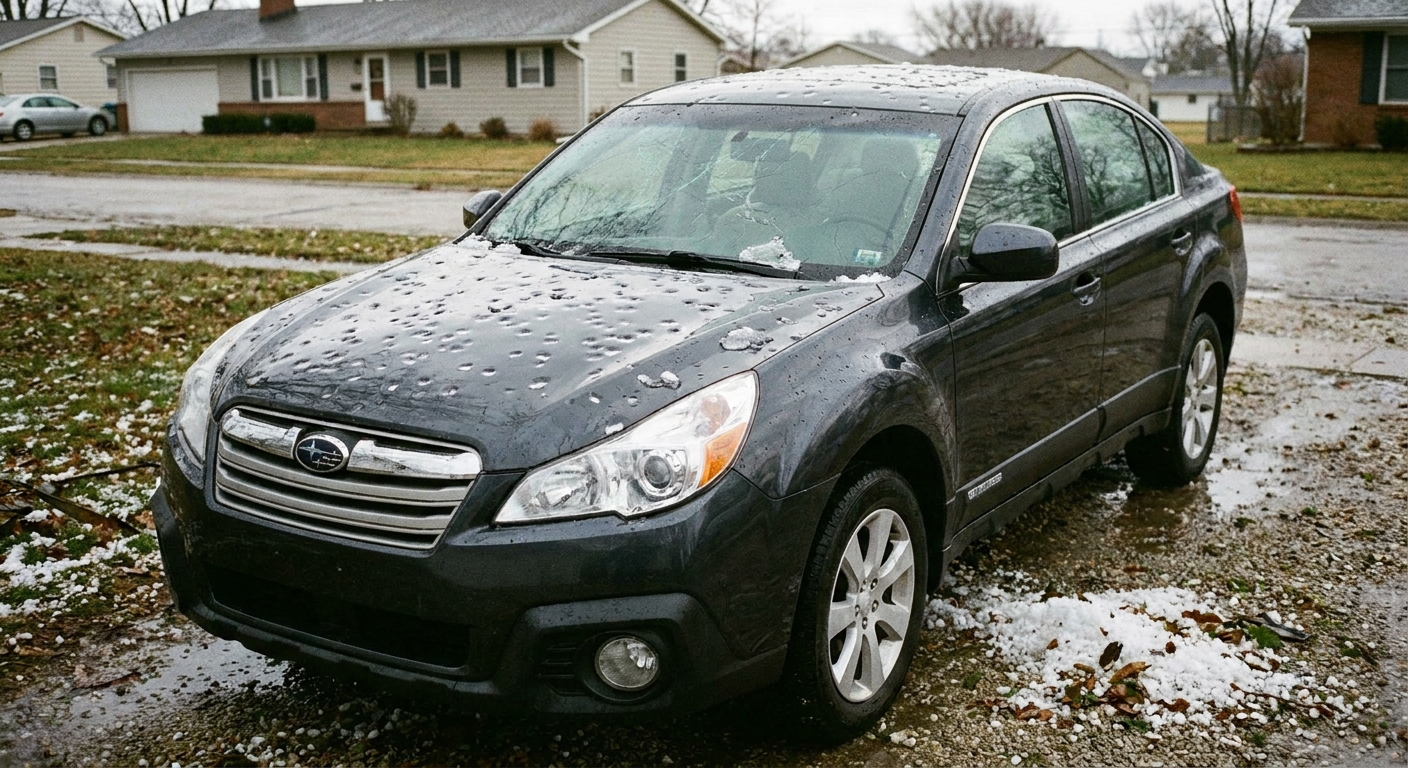
- Comprehensive: pays for covered non-crash damage, like theft, vandalism, falling objects, hail, fire, flood, animal collisions, and broken glass (also subject to your deductible). It does not cover wear and tear or mechanical breakdown.
Many drivers also add (and some people mentally lump these into “full coverage”):
- Uninsured/underinsured motorist (UM/UIM): helps protect you if a driver with too little (or no) insurance hits you. Availability and rules vary by state.
- Medical payments (MedPay) or personal injury protection (PIP): helps with injuries for you and your passengers depending on your state.
- Rental reimbursement and roadside assistance: convenience coverages that can be worth it, especially if you commute.
Smart move: If you ever hear “full coverage,” ask one question: “Can you list exactly what coverages and limits are included?”
State minimums are about legality
State-required minimum liability limits are designed to get you on the road legally, not necessarily to protect your budget if something goes wrong.
In a serious accident, it is very possible to cause damages that exceed minimum limits. When that happens, you can be on the hook for the difference.
If you are choosing liability-only to save money, consider upgrading your liability limits first. It can be a surprisingly affordable way to reduce “one bad day” risk.
The big question: can you replace the car?
This is the question I use in my own spreadsheet: If my car disappears tomorrow or gets totaled in an at-fault crash, can I comfortably replace it?
Not “could I survive.” Not “could I borrow a car from family.” I mean: can you replace it without detonating your finances, going right back to high-interest credit cards, or taking on a bad loan.
Liability-only tends to make sense when
- Your car is older and lower value, and you would rather self-insure the car itself.
- You have enough savings to replace the car quickly if it is totaled or stolen.
- Your premium savings are meaningful, and you will actually save or invest the difference.
- You drive less and can tolerate more risk (for example, short trips, mostly daylight driving, low-mileage).
Full coverage tends to make sense when
- Your car is worth enough that a total loss would be a major setback.
- You do not have a replacement fund, or replacing the car would force debt.
- You park outside in hail-prone or storm-prone areas, or in higher theft areas.
- You commute daily and simply have more exposure to accidents.
Loans and leases change the rules
If you are financing or leasing, you are not the only one with a financial stake in the car. The lender or leasing company typically requires you to carry collision and comprehensive until the loan is paid off or the lease ends.
If you have a loan
Dropping comp and collision can violate your loan agreement. If the lender finds out, they may buy insurance on your behalf (called force-placed insurance) and bill you. It can be expensive and it is mainly designed to protect the lender’s interest in the vehicle. In some cases it can include limited physical damage coverage, but it is still usually a bad deal for you.
If you lease
Leases almost always require full coverage and may require lower deductibles too. They might also require higher liability limits than your state minimum.
Bottom line: If you have a loan or lease, “liability-only vs full coverage” is usually not a choice yet. Your real choices are deductible amount, liability limits, and optional add-ons.
Deductibles matter
A deductible is what you pay out of pocket before your collision or comprehensive coverage kicks in. Higher deductibles usually lower your premium. Lower deductibles usually raise your premium.
But here is the key: deductibles change how painful a claim is. They do not change whether you have any protection at all.
A simple way to choose a deductible
- Pick a number you could pay this week without using a credit card.
- Keep that amount in a dedicated savings bucket (even if it is boring).
- If you raise your deductible to save money, actually route the savings into that bucket.
A quick tradeoff example
If raising your deductible from $500 to $1,000 saves you $18 a month, that is about $216 a year. You are basically agreeing to cover an extra $500 out of pocket in exchange for saving $216 per year. That can be a great deal if you have the cash and rarely file claims, and a terrible deal if that $500 would go straight on a credit card.
If you are torn between liability-only and full coverage, do this first: decide whether you want protection for your own vehicle at all. Then fine-tune the deductible.
Real claim scenarios
These are the “movie scenes” that make the decision feel real.
Quick note: Claims, deductibles, exclusions, and options like uninsured motorist property damage vary by state and insurer. Always confirm what applies to your policy.
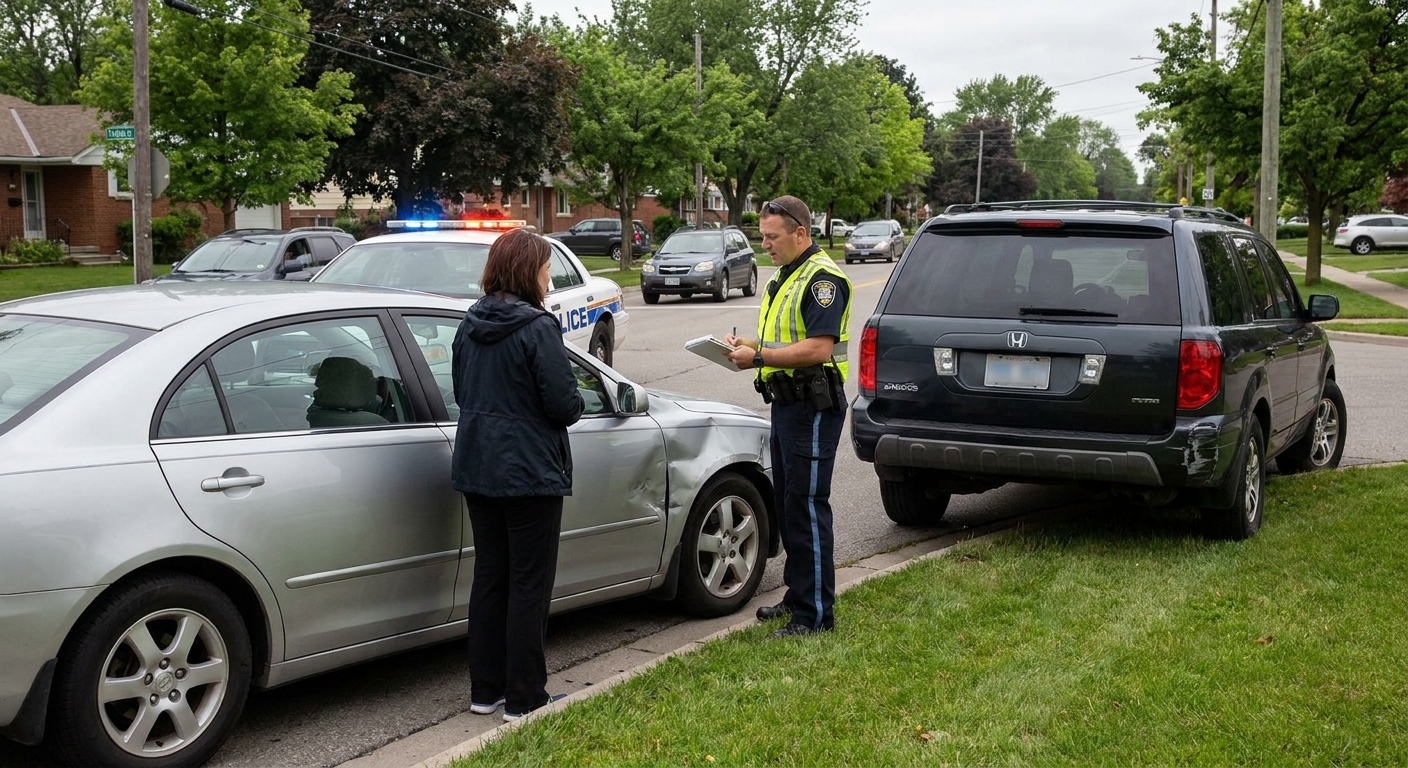
Scenario 1: You rear-end someone at a stoplight
- Liability-only: Pays for the other driver’s repairs and possibly injuries, up to your limits. Your car repairs are on you.
- Full coverage: Liability still pays for the other driver. Collision can pay to repair your car, minus your deductible, if the crash is covered under your policy.
Scenario 2: A storm drops a tree branch on your parked car
- Liability-only: You pay for your own repairs.
- Full coverage: Comprehensive can pay, minus your deductible, if the damage is covered.
Scenario 3: Your car is stolen from your apartment lot
- Liability-only: No payout for your car.
- Full coverage: Comprehensive can pay the actual cash value of the car (minus deductible). You would still need to handle replacements like a car seat or personal items separately, depending on your policies.
Scenario 4: Someone hits you, then you find out they are uninsured
- Liability-only: Your liability does not help you. If you do not have uninsured motorist property damage (not available in every state) or collision, you may be stuck paying.
- Full coverage: Collision can often cover your repairs even if the other driver cannot pay, though you may still pay your deductible upfront. In some states, UMPD may apply instead of collision and may have different deductibles or limits.
Use value, not vibes
A car’s value drops every year, but your insurance premium does not always drop at the same pace. At some point, you can end up paying a lot to insure a car that is not worth much.
Use these three numbers
- Car’s realistic market value: Check a few sources and be honest about condition and mileage.
- Your emergency fund and car replacement fund: Cash you can use without wrecking your month.
- Your risk exposure: Commute length, parking situation, weather, theft rates, and how quickly you need a car for work.
A simple rule of thumb
If your annual cost for collision + comprehensive is getting close to 10% of your car’s market value, it is worth running the numbers on dropping something. This is not a universal rule. It is a starting point for a decision you can live with.
Dropping comp and collision: split the decision
A lot of people talk about dropping both at once, but in real life you can separate them:
- Comprehensive is often relatively cheap and covers the stuff you cannot control (theft, hail, deer, glass). Keeping comp can be a good “sleep at night” move even on an older car.
- Collision is often the bigger cost. Dropping collision can make sense sooner if your car is low value and you can handle a total loss or major repair yourself.
When dropping comp and or collision is rational
- Your car value is low enough that an insurance payout would not change your life much.
- You can replace the car in cash or with a manageable plan if the worst happens.
- Your premium savings are substantial and you will bank them.
When dropping comp and or collision is risky
- You would finance a replacement at a bad rate or run balances on credit cards.
- You are upside down on a loan (owe more than the car is worth). Dropping coverage does not fix the problem and can make it catastrophic.
- Your car is essential for income and downtime would cause missed work.
Injury coverage is its own topic
Many drivers assume “full coverage” means injuries are fully handled. Sometimes yes, sometimes no.
- PIP (Personal Injury Protection) is common in no-fault states and can help cover medical bills and sometimes lost wages, regardless of who caused the crash (up to your limits and state rules).
- MedPay is usually simpler and more limited, and it can help cover medical expenses for you and your passengers.
- Health insurance may cover some injuries, but deductibles, networks, and coordination rules matter.
If you are in a no-fault state or you drive with passengers often, it is worth asking your insurer how PIP or MedPay works with your health insurance, and what limits make sense.
Common gotchas
Gap insurance is not the same as full coverage
If you owe more than your car is worth, gap insurance can help cover the difference after a total loss. But gap usually works alongside full coverage because there has to be a primary payout first.
Comprehensive is not only about theft
In many areas, comprehensive is the coverage that saves people from expensive surprises: deer hits, glass damage, vandalism, hail, and falling objects.
Liability-only with low limits can be a double whammy
You can be “legal” and still financially exposed. If you choose liability-only, focus on strong liability limits so you are not one accident away from a mess.
“Full coverage” still has limits
Even with comp and collision, your policy has exclusions (like racing, intentional damage, or using your car for certain delivery apps without the right endorsement). Always verify how your insurer treats your actual driving habits.
Decision checklist
If you want a quick gut-check, run through this list:
- Do you have a loan or lease? If yes, you likely need comp and collision (plus liability).
- If your car was totaled tomorrow, could you replace it without high-interest debt? If no, keep full coverage.
- Is your car’s value high enough that replacing it would sting? If yes, keep full coverage.
- Are you willing to self-insure the car itself? If yes, liability-only can be reasonable.
- Will you save the premium difference? If no, dropping coverage often backfires.
My value-spender way to save
I am all for paying less, but not by rolling the dice in a way that would send you back into debt. If you want to cut costs without stripping protection, try these first:
- Shop your rate every 12 to 18 months.
- Increase your deductible to a level you can actually cover with savings.
- Ask about discounts for bundling, safe driving, low mileage, defensive driving, or paying in full.
- Drop add-ons you do not use, like rental coverage if you have a second car you can use.
- Raise liability limits intentionally even if you drop comp and collision.

Bottom line
Liability-only can be a smart, intentional choice when your car is inexpensive, paid off, and you can handle replacement costs without debt (and you can still choose solid liability limits).
Full coverage is usually worth it when your car is valuable, essential to your income, financed or leased, or when a total loss would wreck your finances.
If you want to do this the “Smart Cent” way, make the choice based on your car’s value, your savings, and your real-world risk, not just whatever the monthly premium happens to be.