
Let’s put real numbers around what you might pay.
If physical therapy is on your calendar, the next question is usually the same one: will Medicare help pay for it, and what will it cost me?
In most cases, yes. Original Medicare (Part B) covers outpatient physical therapy when it’s medically necessary and provided by a Medicare-enrolled, qualified provider. But the details that affect your bill live in the fine print: deductibles, the 20% coinsurance, plan-of-care documentation rules, and an annual therapy threshold that can trigger extra paperwork called the KX modifier.

Quick answer: Yes, Medicare often covers physical therapy
Original Medicare typically covers outpatient physical therapy under Medicare Part B when it’s medically necessary, furnished by a qualified therapist (or appropriately supervised staff where allowed), and billed by a Medicare-enrolled provider or facility. That includes therapy you receive in places like:
- a private physical therapy clinic
- a hospital outpatient department
- a rehabilitation agency
You generally pay your share through the Part B deductible and then coinsurance (more on that below).
Medicare Advantage (Part C) must cover everything Original Medicare covers, but the rules, copays, networks, and prior authorization requirements can be very different.
Part B outpatient therapy, in plain English
What Part B covers
Part B covers medically necessary outpatient physical therapy to treat an illness or injury. The therapy plan is usually based on goals like improving strength, mobility, balance, pain control, or the ability to do daily activities.
Medicare also covers other outpatient therapy types under Part B:
- Occupational therapy (OT)
- Speech-language pathology (SLP)
These matter because Medicare tracks therapy spending for threshold purposes (more on that in the KX section).
What “medically necessary” means
Medicare generally expects therapy to be:
- skilled (it requires a licensed therapist’s expertise, not just general exercise)
- reasonable for your condition
- necessary to improve or maintain function, or to prevent or slow decline when skilled therapy is needed
In other words: it’s not just whether therapy helps. It’s whether a professional’s skilled care is required and supported by documentation.
What you pay under Part B
For outpatient physical therapy under Original Medicare, costs commonly work like this:
- You pay the Part B deductible first (if you have not met it yet for the year).
- After that, Medicare generally pays 80% of the Medicare-approved amount.
- You generally pay the remaining 20% coinsurance.
That 20% can add up quickly, especially if you’re going multiple times a week.
A simple example: If the Medicare-approved amount for a visit is $150 and you’ve already met your Part B deductible, Medicare would typically pay $120 and you would typically pay $30. Multiply that by 10 visits and you’re at about $300 out of pocket, unless a Medigap policy or other secondary coverage picks up some or all of the 20%.
Two bill-shaping details:
- Where you get therapy matters. Hospital outpatient departments often bill with a facility component, which can increase the total Medicare-approved amount compared with a freestanding clinic. Ask for an estimate before you start.
- Whether your provider accepts assignment matters. If they accept assignment, they agree to take the Medicare-approved amount. If they don’t, your costs may be higher (though Medicare limits how much some providers can charge above the approved amount).

The paperwork Medicare expects
Physical therapy is one of those benefits where Medicare’s coverage is tightly connected to documentation. You do not have to write the notes, but you benefit when you know what should exist in the record.
Typical documentation includes:
- an evaluation showing your condition and functional limits
- a plan of care with treatment frequency and goals
- progress notes showing what changed and why skilled therapy is still needed
- a discharge summary when therapy ends
This paperwork is especially important if your therapy goes on for a while or if Medicare requests records.
Do you need a doctor’s referral?
You may be able to schedule physical therapy without a referral, depending on your state and the clinic’s policy. But for Medicare payment, outpatient therapy must be furnished under a plan of care that is established by a physician or qualified nonphysician practitioner and certified and recertified when required. In plain English: even if you can start quickly, Medicare expects doctor or practitioner involvement in the plan of care.
To avoid billing surprises, ask the clinic:
- Do you need a physician order or referral for my insurance or your intake process?
- Will my therapy be under a certified plan of care, and who is the certifying provider?
- Do you bill Medicare directly, and do you accept assignment?
- Will you tell me if my therapy is approaching any thresholds?
Home health PT vs outpatient PT
This is an easy place to get crossed wires, because physical therapy can be covered under different parts of Medicare depending on where you receive it and what else you qualify for.
Outpatient PT (usually Part B)
If you travel to a clinic or hospital outpatient department for PT, that is generally outpatient therapy under Part B.
Home health PT (usually Part A)
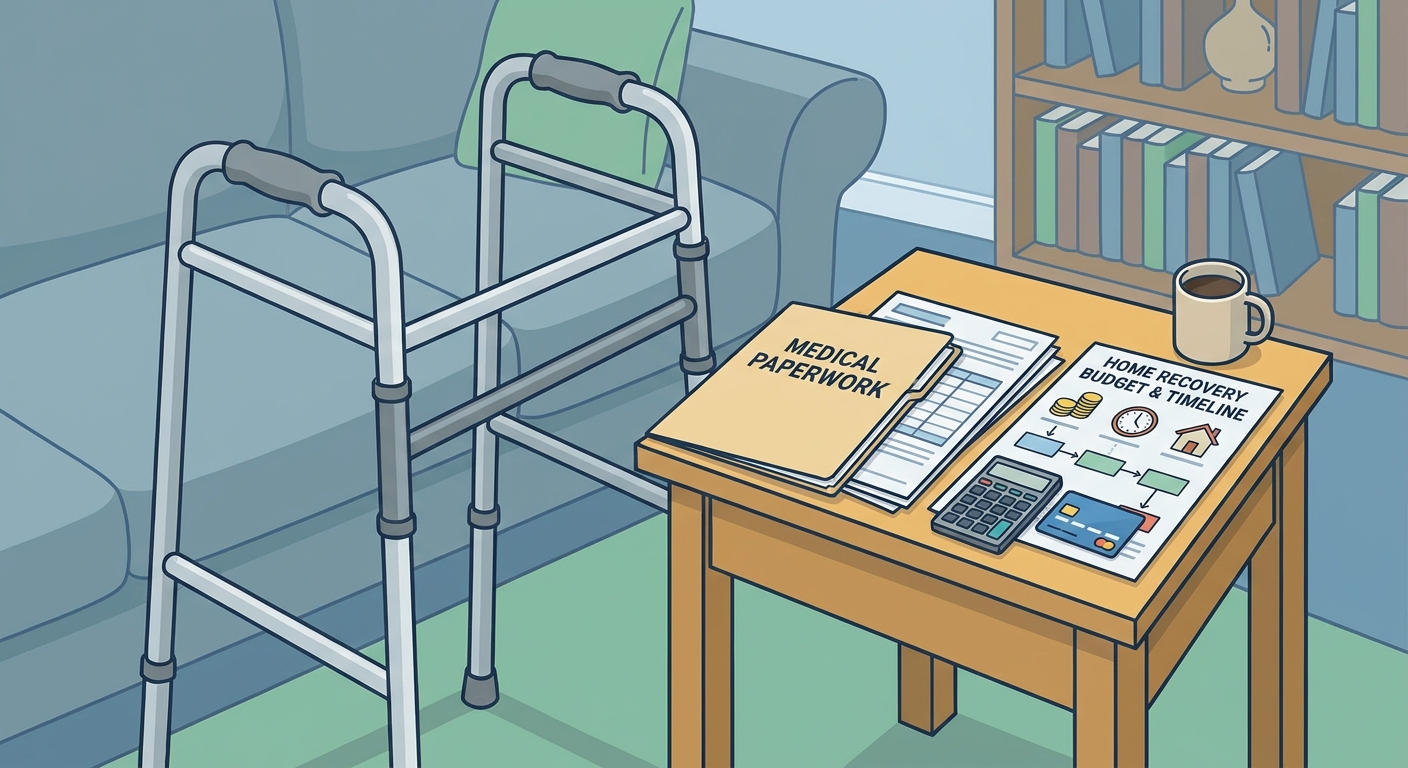
If you qualify for the Medicare home health benefit, PT can be part of your home health plan through a Medicare-certified home health agency. For most people, covered home health visits are paid under Part A and you typically owe $0 for the visits themselves. If you need durable medical equipment (like a walker), that is usually covered under Part B and can involve the Part B deductible and 20% coinsurance.
If you’re not sure which lane you’re in, ask: Is this being billed as outpatient therapy under Part B, or as part of a home health episode?
Skilled nursing and inpatient rehab
If you are getting therapy in a skilled nursing facility (SNF) after a hospital stay, or in an inpatient rehabilitation facility, that is not outpatient therapy. Those settings have different Medicare coverage rules and cost sharing. If you are moving from one setting to another, it’s worth asking the discharge planner or billing office which part of Medicare is paying at each stage.
Medicare Advantage: different rules
Medicare Advantage plans must cover physical therapy that Original Medicare covers. But they can set their own cost-sharing and utilization rules within Medicare guidelines.
Common ways Medicare Advantage can differ from Original Medicare for PT:
- Copays instead of 20% coinsurance. You might pay a set dollar amount per visit, which can be lower or higher than 20% depending on the plan and the billed amount.
- Provider networks. You may need to use in-network therapists and facilities to get the best coverage.
- Prior authorization. Some plans require approval before starting PT or after a certain number of visits.
- Visit management. A plan might approve therapy in chunks, such as several visits at a time, based on progress notes and re-evaluations.
If you’re in Medicare Advantage, the best money-saving move is simple: call your plan before your first appointment and ask what your per-visit cost is, whether prior authorization is required, and whether there is a preferred location for therapy.
The KX threshold
Medicare does not set a hard cap on how much outpatient therapy you can receive in a year, but there is an annual spending threshold. When your therapy costs reach that threshold, your provider typically adds a billing indicator called the KX modifier.
Two key details:
- There is one annual threshold for PT and SLP combined.
- There is a separate annual threshold for OT.
The KX modifier is basically your provider’s way of saying: These services are still medically necessary, and the documentation supports it.
What to know as a patient:
- If your clinic mentions the KX modifier, it does not automatically mean coverage stops.
- It does mean Medicare expects stronger documentation of ongoing medical necessity.
- Claims can be more likely to be reviewed, but Medicare can still pay when the record supports the need for skilled therapy.
Because the threshold amount can change from year to year, the cleanest approach is to ask the billing office: Are we getting close to the therapy threshold that requires the KX modifier this year?

What Medicare may not cover
Medicare coverage is strongest when therapy is skilled and medically necessary. Situations that can lead to denial or higher out-of-pocket costs include:
- therapy that is not considered medically necessary based on the record
- services that are mainly for general fitness
- maintenance programs that do not require skilled care (even if exercise is helpful)
- providers who do not meet Medicare billing or enrollment rules
ABN: the notice you might be asked to sign
If a provider believes Original Medicare may not cover a service, you might be asked to sign an Advance Beneficiary Notice of Noncoverage (ABN). An ABN is a written notice that Medicare may deny payment and that you may be responsible for the bill if you choose to get the service anyway.
If you’re handed an ABN, pause and ask what exactly is expected to be denied and why, and whether there is an alternative that Medicare is more likely to cover. Medicare Advantage plans use different notice and appeal processes, so the paperwork may not look exactly like an ABN.
Estimate your cost before you start
Before your first visit, you can usually get a workable estimate with a few questions:
- Confirm how it’s billed. Ask whether the therapy is billed to Part B as outpatient care, through a home health agency plan, or under another setting’s benefit.
- Ask if the provider accepts Medicare assignment. This helps limit surprise charges under Original Medicare.
- Ask for the per-visit estimate. Under Original Medicare, ask what the Medicare-approved amount is likely to be and what your 20% share would look like after the deductible. Under Medicare Advantage, ask your copay and whether it changes after a certain number of visits.
- Ask about prior authorization. Especially with Medicare Advantage.
- Ask about thresholds. Have them flag if you are nearing the KX threshold.
What to bring to your first visit
- Your Medicare card and any secondary insurance card (Medigap, retiree coverage, Medicaid)
- A referral or physician order if the clinic or your plan requires it
- Your surgery or hospital discharge paperwork, if this PT is post-op or post-hospital
- Questions about assignment, estimates, and how often your plan of care will be updated
If you have a Medigap (Medicare Supplement) policy, it may cover some or all of the Part B coinsurance depending on the plan, which can significantly reduce what you pay for ongoing therapy.
FAQ
Does Medicare cover physical therapy after surgery?
Often, yes, if it’s medically necessary and billed properly. PT after joint replacements, fractures, or other surgeries is commonly covered either as outpatient therapy (Part B) or as part of home health or facility-based care when you meet those rules.
How many PT visits does Medicare cover?
Medicare does not set a simple per-year visit limit for everyone. Coverage is based on medical necessity and documentation. Therapy can continue as long as it remains skilled and necessary, with periodic re-evaluations and plan-of-care updates. Spending can also reach an annual threshold where the KX modifier is used to confirm ongoing medical necessity.
Do I need to be improving for Medicare to cover PT?
Improvement is common, but Medicare coverage can also apply when skilled therapy is needed to maintain function or to prevent or slow decline, as long as the care is skilled and documented as medically necessary.
Is physical therapy covered at home?
It can be, if you qualify for the home health benefit. Home health PT is different from outpatient PT, and the eligibility rules matter.
Will Medicare Advantage cover more PT than Original Medicare?
Not necessarily. Advantage plans must cover the same core benefit, but your out-of-pocket costs and access can be better or worse depending on copays, networks, and prior authorization rules.
The bottom line
Medicare usually covers physical therapy when it’s medically necessary. For many people, the biggest cost factor is the Part B deductible plus 20% coinsurance, unless you have supplemental coverage or an Advantage plan with different cost-sharing.
If you want the smoothest billing experience, keep it simple: confirm how the therapy will be billed, make sure the provider is Medicare-enrolled and can bill correctly, and ask early about the plan of care, prior authorization, and whether you are approaching the KX threshold.