
When my grandma first needed help at home after a hospital stay, our family assumed Medicare would cover “home care” the way people say it in everyday conversation. What we learned fast is that Medicare home health is a very specific benefit. It can be incredibly helpful, but it has two big gates you have to walk through: you generally must be considered homebound, and you must need intermittent skilled care.
Let’s break down what those rules mean in plain English, what Medicare can cover in the home, what it will not cover, and what you might actually pay out of pocket.
What Medicare means by “home health”
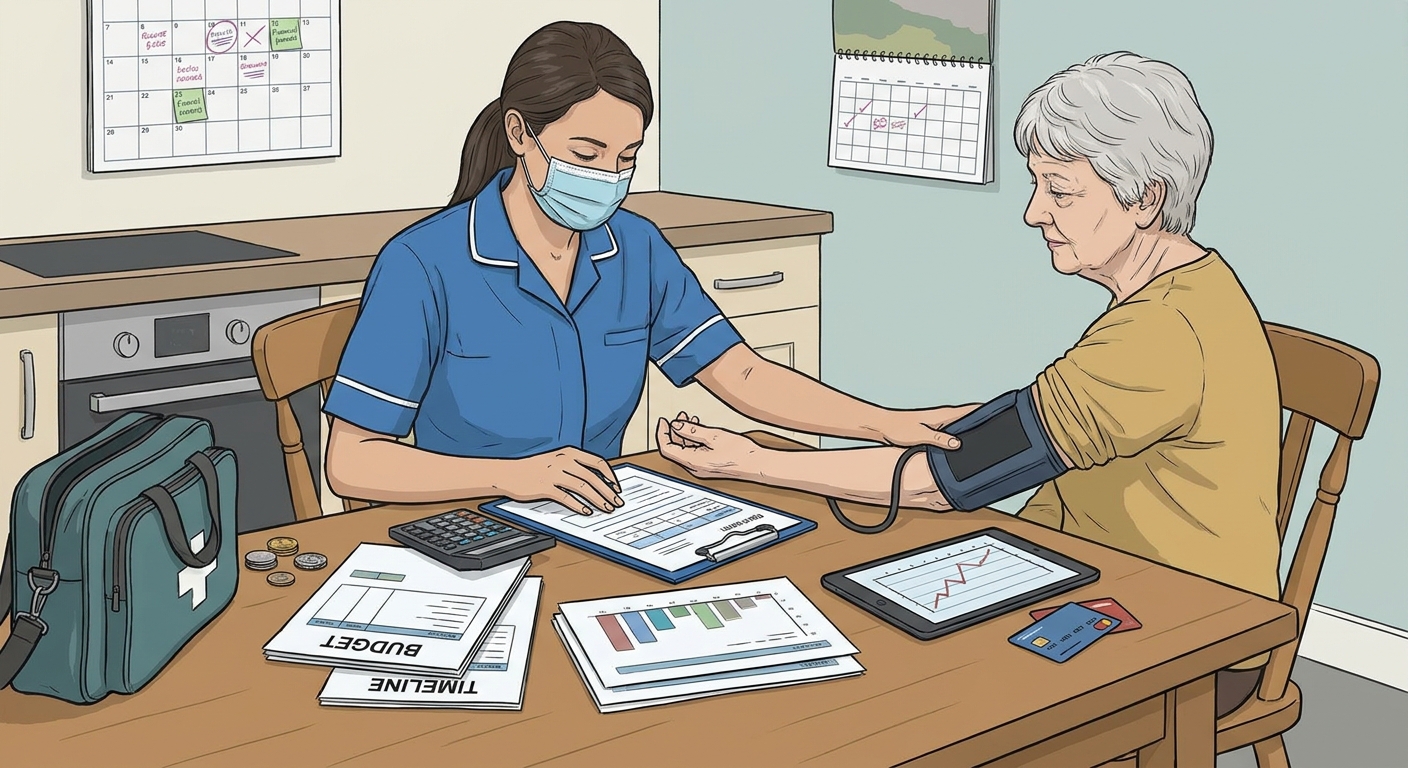
Medicare home health is short-term medical care you receive at home from a Medicare-certified home health agency. Think nursing visits, therapy, and support services that are part of a plan of care.
It is not the same thing as:
- Long-term custodial care (help with bathing, dressing, cooking, cleaning as your primary need)
- Non-medical companion care (someone to sit with you for safety or social support only)
- Hospice care (end-of-life comfort care under a different Medicare benefit)
The two big eligibility rules
1) The homebound test
To qualify for Medicare-covered home health, you generally must be homebound. This does not mean you can never leave your home. It means that, because of illness or injury, leaving home takes a considerable and taxing effort and you typically need help (from a person or a device) to do it.
In practical terms, clinicians document that you meet Medicare’s homebound standard when the situation looks like this:
- You need help to leave home due to illness or injury (for example, a walker, wheelchair, cane, special transportation, or another person’s assistance).
- Leaving home is not frequent, and when you do leave it is usually for short trips.
Yes, you can still leave home sometimes. Some absences may still fit the rules, depending on your situation, such as:
- Medical appointments
- Religious services (infrequent, case-by-case)
- Short trips like getting a haircut or attending a family event (rare and taxing)
If you are regularly out and about, driving yourself around easily, or frequently running errands, it becomes harder to meet the homebound standard.
2) The intermittent skilled-care requirement
Medicare home health is built around skilled services that must be provided by licensed professionals, not ongoing daily help.
You typically must need intermittent skilled care, such as:
- Skilled nursing care (wound care, injections, medication teaching and monitoring that requires a nurse’s skill, monitoring a new or unstable condition)
- Physical therapy (rehab after surgery, gait training, strengthening to regain function)
- Speech-language pathology (swallowing therapy, communication therapy)
- Occupational therapy (help relearning daily tasks safely after illness or injury)
“Intermittent” means it is not full-time or round-the-clock care. Medicare also sets limits on how much home health can be provided, even when it is medically necessary. In real life, it can still mean multiple visits per week for a period of time, as long as it stays within Medicare’s definition and is supported by the plan of care.
Other boxes Medicare looks for
Beyond homebound plus intermittent skilled care, Medicare also generally expects these basics:
- Certification and plan of care: A physician or other allowed practitioner must certify that you need home health and periodically recertify it. A plan of care is established and reviewed as required.
- Medicare-certified agency: Your care must be provided by a home health agency that participates in Medicare.
- Medical necessity: The care has to be reasonable and necessary for your condition.
What Medicare can cover at home
If you qualify, Medicare-covered home health can include:
- Part-time or intermittent skilled nursing care
- Therapy services (PT, OT, speech therapy)
- Home health aide services (limited, and typically only when you are also receiving skilled care)
- Medical social services (help connecting to resources, coping support, care planning)
- Medical supplies used during visits (for example, some wound care supplies)
- Durable medical equipment (DME) like walkers or wheelchairs, when medically necessary, but billed differently than the visits themselves

What Medicare does not cover
This is the part that trips people up.
In general, Medicare does not cover:
- 24-hour care at home
- Meal delivery (unless it is part of a separate program, not Medicare home health)
- Homemaker services (shopping, cleaning, laundry) when that is the main need
- Personal care only (bathing, dressing, toileting) if you do not also need skilled care
- Custodial care (long-term assistance with activities of daily living)
If what you really need is ongoing daily help, you are usually looking at a mix of family caregiving, long-term care insurance, Medicaid eligibility rules (if applicable), local aging services, or paying out of pocket.
Home health vs hospice
People also mix up home health and hospice because both can happen at home.
- Home health focuses on skilled treatment and therapy, often to recover or stabilize. You can still pursue curative treatment.
- Hospice is for comfort-focused care when a person is expected to have six months or less to live (if the illness runs its normal course) and has chosen to focus on comfort rather than curative treatment.
They are different Medicare benefits with different rules and cost structures.
How Medicare pays
Here is the plain-English version:
- Home health visits and services are covered under Medicare’s home health benefit. Depending on your situation, Medicare may pay under Part A or Part B.
- Durable medical equipment (DME) you use at home, like a walker or wheelchair, is typically covered under Part B.
The key takeaway for your budget: under Original Medicare, there is typically $0 coinsurance for covered home health services. You may still be responsible for Medicare premiums and other Part B cost sharing that applies to your overall coverage.
For DME, you usually owe 20% coinsurance of the Medicare-approved amount after the Part B deductible (if you have not met it yet).
If you have a Medicare Advantage plan (Part C), the plan must cover at least what Original Medicare covers, but your copays, prior authorization rules, and in-network agency requirements can be different.
A simple cost example
Let’s say Rosa qualifies for Medicare home health after a hospitalization for pneumonia. Her doctor orders:
- Skilled nursing visits 2 times per week for 3 weeks to monitor oxygen levels and medications
- Physical therapy 2 times per week for 4 weeks to rebuild strength and reduce fall risk
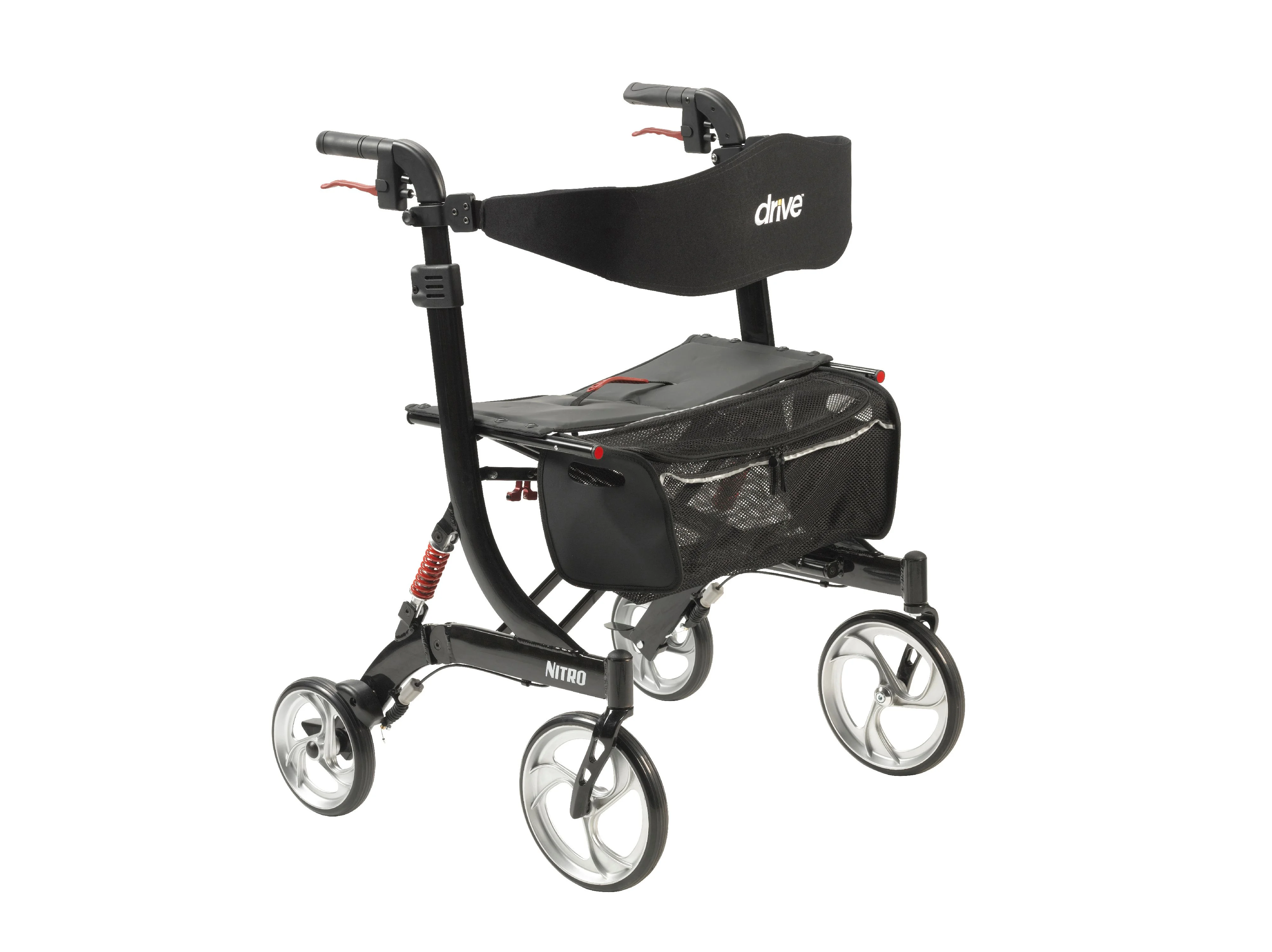
- A rolling walker (DME) to use at home
Under Original Medicare, a common outcome looks like this:
- Home health visits: Typically $0 coinsurance for covered services (nursing and therapy visits) as long as the agency is Medicare-certified and the care meets Medicare rules.
- Walker (DME): Rosa may owe 20% coinsurance of the Medicare-approved amount for the walker after the Part B deductible (if she has not met it).
So Rosa’s “surprise” cost is usually not the nurse or therapist coming to the house. It is often the equipment, or services that do not meet the home health rules (like ongoing daily bathing help when no skilled care is involved).
How to start home health
If you are trying to get this set up for yourself or a parent, here is the smoothest path I have seen:
- Ask for a referral early: If you are in the hospital or a rehab setting, ask the discharge planner or your clinician, “Can you refer us to a Medicare-certified home health agency?” If you are at home, ask your physician or allowed practitioner to order home health.
- Confirm the agency is Medicare-certified: Before the first visit, ask, “Are you Medicare-certified, and will you bill Medicare for these home health services?”
- Expect a start-of-care visit: The agency typically does an initial assessment, confirms you meet criteria, and builds the plan of care for approval and ongoing review.
How to avoid common problems
Ask what skilled service qualifies you
If the care plan is mostly “help around the house,” pause and ask which skilled service is being ordered (nursing, PT, OT, speech). Home health aide visits are usually limited and tied to skilled care.
Confirm what is billed separately
Many families assume equipment is “part of home health.” Often it is not. Ask:
- What equipment is being ordered?
- Who is the DME supplier?
- Will this go through Part B?
- What will my estimated coinsurance be, and have I met my Part B deductible?
Keep notes like you are tracking a subscription
This is my personal finance brain talking, but it helps. Keep a simple log with:
- Date and time of each visit
- Clinician name and role (RN, PT, OT)
- Reason for the visit and what was done
- Any supplies left in the home
- Anything you were asked to sign
If a claim is denied later, these notes can make the follow-up much easier.
If Medicare or your plan says no
Denials happen. If Original Medicare or your Medicare Advantage plan denies home health or ends it sooner than you expected, you generally have appeal rights. Ask the agency or your plan what the next step is for an appeal and what documentation they need from your clinician to support medical necessity and homebound status.
FAQ
Can I get Medicare home health in assisted living?
Sometimes, yes. Medicare home health is based on your medical need, homebound status, and skilled-care need, not strictly the type of residence. The care must be delivered by a Medicare-certified home health agency, and it cannot duplicate services the facility is already responsible for providing. Also, the rules differ if you are currently in a skilled nursing facility stay covered under Part A.
What if I am not homebound but I still need help?
If you are not homebound, Medicare home health usually will not apply. You may still be able to get care through outpatient therapy, community programs, or private-pay home care, depending on your needs and coverage.
Does Medicare pay for a caregiver to stay with me all day?
In general, no. Medicare home health is not designed to pay for full-time caregiving or 24-hour supervision.
How long can Medicare home health last?
There is no single magic number of days for everyone. Coverage depends on whether you continue to meet Medicare’s criteria, whether the services remain medically necessary, and whether the amount of care stays within Medicare’s home health limits under an ongoing plan of care.
Bottom line
Medicare home health can be a financial lifesaver when you qualify, because covered visits often come with $0 coinsurance under Original Medicare. The biggest hurdles are meeting the homebound standard and needing intermittent skilled care. The biggest budget “gotcha” is usually durable medical equipment (often 20% coinsurance after the Part B deductible) and anything that falls into custodial care, which Medicare generally does not cover.
If you are helping a parent or spouse navigate this, focus on three questions: Are they homebound (in the Medicare sense), what skilled service is being ordered, and is the agency Medicare-certified? Those answers will tell you a lot about what Medicare will pay, and what you might need to plan for yourself.