
If you are dealing with the death of a parent, spouse, or loved one who cosigned a private student loan, I am genuinely sorry. It is one of those money situations where grief and paperwork collide, and the stakes feel high.
Here is the part most people need to hear right away: a private student loan usually does not get forgiven just because the cosigner dies . In most cases, the borrower is still responsible for the debt. What changes is how the lender treats the loan, whether they can make a claim against the cosigner’s estate, and whether the loan has a clause that can cause problems if you do nothing.
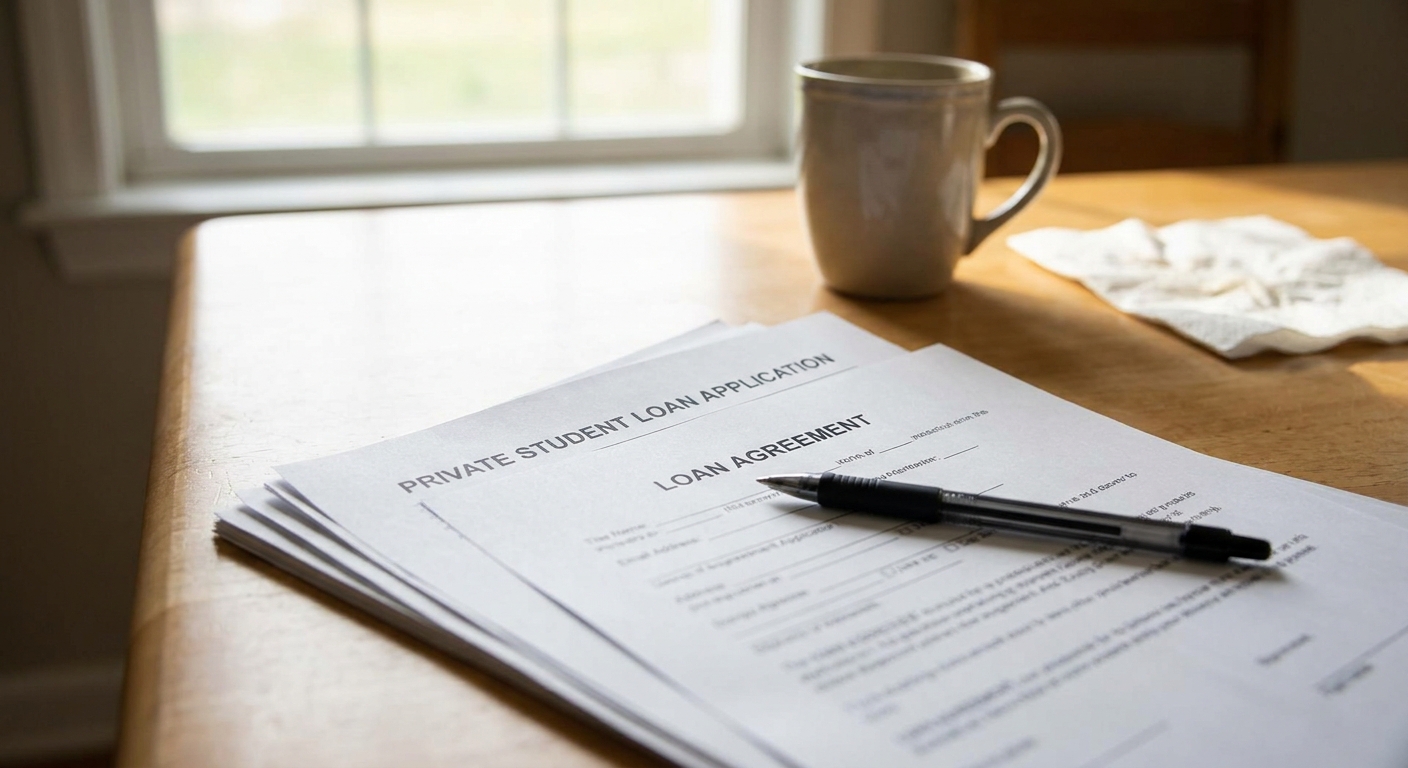
This guide walks you through common servicer patterns, what to do next, and how to keep a stressful moment from turning into an expensive one.
First, what a cosigner is
On most private student loans, the cosigner is not just a “reference.” They are a second person who promised to repay the loan if the borrower does not. That is why having a cosigner can help you qualify and get a lower rate.
When a cosigner dies, three questions usually decide what happens next:
- Is the borrower alive and making payments?
- Does the loan contract have a cosigner death clause or “automatic default” clause?
- Does the lender offer a cosigner release or another way to remove the cosigner from the loan?
What usually happens
1) The borrower still owes the loan
With private student loans, the borrower remains the primary person responsible for repayment. So even if the cosigner passes away, the lender generally expects the borrower to keep paying under the existing terms.
That is different from many federal student loan rules, where specific discharge programs exist. (More on the federal contrast later, only where it matters.)
2) The lender may file a claim against the estate
If the cosigned loan is in good standing, many lenders do not rush to involve the estate. But legally, the lender may still have the right to seek repayment from the cosigner’s estate, especially if the borrower stops paying.
Important nuance: debts are generally paid from the estate’s assets, not by surviving family members out of their own pocket, unless they are also legally responsible on the loan.
3) “Automatic default” clauses are mostly an older-loan issue now
This is the landmine people do not see coming. Some older promissory notes treated a cosigner’s death as a default event, even if payments were current.
Here is the key consumer protection many people do not know: for private student loans originated after November 20, 2018, federal law generally prohibits lenders from declaring an automatic default or accelerating the loan solely because a cosigner dies (or files bankruptcy). This comes from the Economic Growth, Regulatory Relief, and Consumer Protection Act of 2018.
What that means in plain English: if your loan is newer, this specific “death triggers default” risk is significantly reduced. If your loan is older, you still want to check the promissory note carefully, because older contracts can contain that language and some servicers still handle older accounts aggressively.
If your loan does have a clause like this (typically in older loans), the lender could:
- Declare the loan in default
- Demand immediate payment in full
- Increase collection pressure or trigger collections activity
Not every lender does this, and policies can vary by loan program and year. But you want to check early so you are not blindsided.
4) The lender might remove the cosigner, but it is not guaranteed
Some lenders will update their records and continue servicing the loan normally, especially if the borrower has strong credit and steady income.
Others will require the borrower to “stand on their own” by refinancing or meeting specific underwriting requirements before they will remove the cosigner from the account.

Servicer patterns
In the real world, lenders and servicers tend to fall into a few predictable patterns after a cosigner dies. Knowing the pattern helps you plan your next move.
Pattern A: Continue as normal
They note the cosigner’s death, update records, and keep the loan active with the borrower paying as usual.
What to watch: Make sure the account is not flagged incorrectly in a way that disrupts autopay or billing.
Pattern B: Estate claim after delinquency
If the borrower falls behind, the lender may submit a claim to the estate during probate. If the estate has assets, the claim may be paid as part of the probate process.
What to watch: Probate timelines and deadlines matter. The executor needs to know about the debt.
Pattern C: Default or “due immediately” after death clause
This pattern is most relevant for older private loans. Since late 2018, lenders are generally not allowed to default or accelerate a private student loan solely due to a cosigner’s death for loans originated after November 20, 2018.
Still, if you are dealing with an older loan, or if you are unsure when the loan was originated, do not guess. Confirm what the promissory note says and ask the servicer to put their policy in writing.
What to watch: If a servicer mishandles the account or claims acceleration is required, it can affect your credit quickly if it leads to missed payments, collections, or a charged-off account.
Pattern D: Conditional removal
They will remove the cosigner only after the borrower meets requirements, such as:
- A certain number of on-time payments
- Minimum credit score and income
- Debt-to-income ratio requirements
- No recent delinquencies
What to do next
When you are grieving, you need a checklist you can follow even on low-energy days. Here is the order I recommend.
Step 1: Keep payments moving
If the borrower can keep making payments, do it. Staying current protects your credit, preserves refinancing options, and reduces the odds the lender escalates the situation.
If autopay was connected to the cosigner’s bank account, expect it to fail. Switch payment methods immediately so you do not accidentally miss a due date.
Step 2: Find the promissory note
You are hunting for terms like:
- “Event of default”
- “Death” (of borrower or cosigner)
- “Acceleration” (meaning the balance can be called due immediately)
- “Cosigner release”
Also check the loan’s origination date. If it was originated after November 20, 2018, the “cosigner death triggers default” issue should not apply in the way it did historically.
If you cannot find the promissory note, ask the servicer for a copy or look for it in the original loan portal.
Step 3: Call the servicer and ask specific questions
When you call, keep it simple and direct. Ask:
- What is the loan origination date, and how do you apply the post-2018 cosigner death protections to this account?
- Does the promissory note list a cosigner death default clause?
- Will the loan remain in repayment as long as the borrower stays current?
- Do you require any documents, such as a death certificate?
- What happens to autopay, account access, and billing statements?
- Is there a process to remove the cosigner from the loan without refinancing?
Take notes with dates, names, and reference numbers. If you are juggling probate, having a paper trail is sanity-saving.
Step 4: If you are the executor, coordinate with the estate attorney
If the lender indicates they may file a claim, the executor should be prepared to handle it through the normal estate process. Do not promise personal payment unless you are legally obligated.
If you are unsure, this is a good time to get legal advice. Student loan contracts vary, and estate rules are state-specific.

Can they come after family?
Usually, the lender can only collect from:
- The borrower (because they signed the loan)
- Any other cosigner (if there is more than one)
- The cosigner’s estate (through probate, if allowed and timely)
A spouse, adult child, or sibling who did not sign the promissory note is generally not personally responsible just because they are related.
A practical legal caveat: in community property states, there can be limited situations where a surviving spouse may face complications around debts and estate administration. This is fact-specific and often depends on how the debt was incurred, how accounts are titled, and state rules. If you are in a community property state and the amounts are significant, it is worth asking a probate or consumer attorney a targeted question before you pay anything personally.
One big exception to keep in mind: if someone refinanced the loan together, or later signed a modification, they may have created legal responsibility. Always check who is actually on the contract.
Should the borrower refinance?
Refinancing can be a clean way to remove a deceased cosigner from the picture and possibly lower your interest rate. But it is not always the right move, especially if your credit or income is shaky.
Refinancing can help if:
- Your credit score and income are strong enough to qualify on your own
- You can get a better rate or a more manageable payment
- The current lender is making things difficult after the cosigner’s death
- You want the simplicity of a brand-new loan in just your name
Refinancing can hurt if:
- Your credit is currently stressed, so offers will be expensive
- You need hardship options that your current lender provides
- You are extending the term so much that total interest explodes
Quick rule I use: If refinancing drops your rate or gives you safer monthly cash flow without adding years and years of payments, it is worth pricing out. If it only gives you a longer term and higher total cost, pause and explore other options first.
If payments are not affordable
Private student loans do not have the same standardized safety nets as federal loans, but you still have options to ask for. The key is to request help before you miss payments.
Ask the servicer about:
- Temporary forbearance due to hardship or a transition period
- Interest-only payments for a limited time
- Rate reductions or a modified repayment plan (some lenders offer these quietly)
- Settlement options if the loan is already in default (usually a last resort)
If you get any promise over the phone, ask for it in writing. If they will not put it in writing, assume it is not real.
Cosigner release
Cosigner release normally requires the cosigner to be alive and the borrower to qualify. But after a cosigner dies, some lenders will still allow a pathway that achieves the same result, such as a documentation-based removal or an internal review.
It costs nothing to ask. Just be prepared that the lender may respond with, “You need to refinance.”
Federal Parent PLUS contrast
Most of what we have discussed applies to private student loans. With federal Parent PLUS loans, the rules are different in a way that matters here:
- A Parent PLUS loan is in the parent’s name, not the student’s name.
- If the parent borrower dies, federal Parent PLUS loans can be discharged based on death (documentation required).
- “Cosigner” is not typically how Parent PLUS works, because the parent is the borrower. (There can be an endorser in some cases, but it is not the same as a private-loan cosigner.)
So if your situation involves a federal loan, do not assume private-loan rules apply. Confirm the loan type first.
Documents you may need
Different servicers ask for different paperwork, but these are common:
- Certified copy of the death certificate
- Proof you are the executor or authorized representative (if you are acting for the estate)
- The borrower’s identifying info and loan account numbers
- Any probate notices or claim forms, if the lender pursues the estate
Tip from someone who has dealt with too much paperwork: order more certified death certificates than you think you need. Institutions love originals.
First 30-day mistakes
- Do not stop paying “until things settle down” without a written agreement from the lender. That is how fees and credit damage sneak in.
- Do not assume the loan is forgiven because someone passed away. Private loans usually stay put.
- Do not ignore mail from the servicer. Acceleration notices and default notices have deadlines.
- Do not pay from personal funds on behalf of the estate unless you are sure you are legally required to.
- Do not refinance in a rush without comparing offers and understanding total interest costs.
Quick FAQs
Does a private student loan get forgiven if the cosigner dies?
Usually no. The borrower typically remains responsible, and the lender may still have rights against the cosigner’s estate depending on the contract and state probate rules.
Can the lender demand the full balance immediately?
Sometimes, but this is increasingly tied to older loans. For loans originated after November 20, 2018, private lenders are generally prohibited from declaring default or accelerating solely due to a cosigner’s death. For older loans, you still need to check the promissory note and confirm the servicer’s policy in writing.
Will this hurt the borrower’s credit?
Not automatically. Credit damage usually comes from missed payments, default, or collections activity. Staying current and addressing any autopay disruptions is the fastest way to protect your score.
Who should contact the lender, the borrower or the estate?
Ideally both coordinate. The borrower should handle repayment logistics. The executor should handle any estate claim questions and documentation.
If you only do three things
If your brain is overloaded right now, focus on these three:
- Keep the loan current, or request a hardship option before you miss a payment.
- Confirm the origination date and the default rules, and ask the servicer to confirm in writing whether the loan can be accelerated after a cosigner’s death.
- Decide on a long-term plan: keep paying, pursue internal cosigner removal, or refinance if it improves your situation.
If you want, tell me whether the loan is private or federal and whether payments are current. Those two details usually determine the smartest next step.