
The first time I heard “flex card,” I assumed it was basically a free spending card for health stuff. Then I started seeing the same frustrating pattern: people enroll in a Medicare Advantage plan, get a card with a grocery or OTC allowance, head to the store, and their purchase gets declined for reasons that feel totally random.
It is not random. These cards are usually very specific about where you can shop, what you can buy, and when the credit resets or expires.
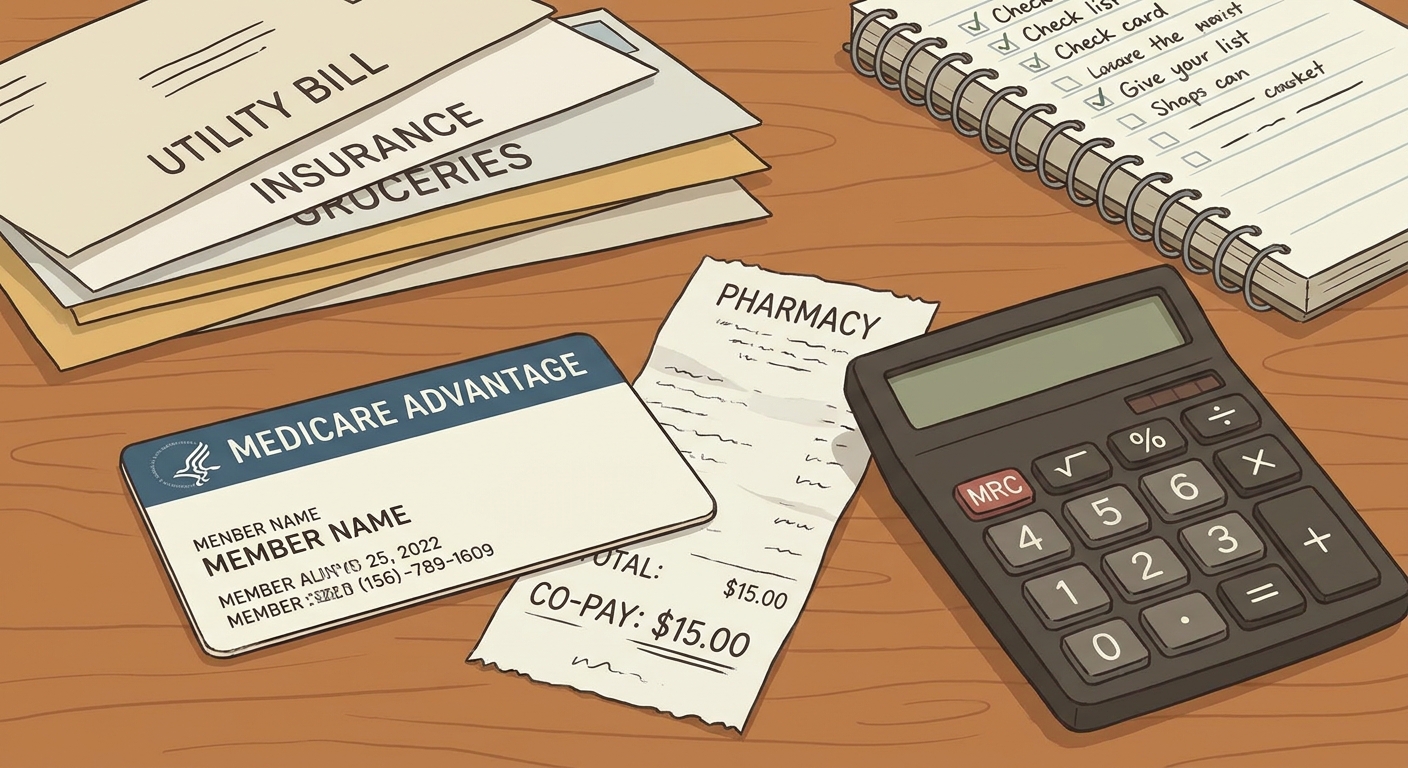
Here’s what Medicare Advantage flex cards actually pay for, how the allowances work, and what to do when a purchase is declined.
Flex card basics
“Flex card” is a catch-all term people use for a benefit allowance card tied to a Medicare Advantage plan. Depending on the plan, the card may be used for one or more of these buckets:
- Over-the-counter (OTC) items
- Healthy food or groceries
- Utilities or other living expenses (less common, usually tied to a special benefit)
- Other supplemental benefits like transportation, home safety items, or fitness (varies widely)
Most of these cards are administered by large benefit platforms and work like a restricted debit card. That restriction is the whole point: what you can buy is controlled by a mix of CMS rules, your plan’s benefit design, and the card administrator’s controls.
Two important reality checks:
- Not everyone with Medicare Advantage gets a flex card. It depends on the plan you enroll in and sometimes your eligibility category.
- The card usually cannot be used like cash. You typically cannot withdraw the allowance from an ATM or use it anywhere you want.
Watch out for misleading ads
One more thing that trips people up: there is no universal “Medicare flex card” that everyone gets from the government. If you see an ad that makes it sound like Medicare automatically hands out a card with “$3,000 for groceries,” treat that as a red flag.
These allowances, when they exist, come from specific Medicare Advantage plans with specific rules. Always confirm details in your plan materials or by calling the number on the back of your card.
The three allowances people ask about most
1) OTC allowance
This is the most common. Your plan gives you a set amount to spend on eligible non-prescription health-related items.
Often eligible (examples):
- Pain relievers and fever reducers
- Cold, flu, and allergy medicines
- Antacids and stomach remedies
- First aid supplies (bandages, gauze, antiseptic)
- Vitamins and certain supplements (varies by plan)
- Dental care basics (toothpaste, floss) in some plans
- Reading glasses in some plans
- At-home health items like thermometers, blood pressure cuffs, or braces in some plans
Commonly not eligible (examples):
- Cosmetics and beauty items (makeup, perfume)
- Most food, candy, soda (unless you also have a grocery or food benefit)
- Alcohol and tobacco products
- Gift cards
2) Grocery or “healthy food” allowance
Some plans offer an allowance for groceries, but it is usually restricted to items the plan classifies as “healthy” or “nutritious.” The exact list varies, and it is controlled at checkout through product coding.
Often eligible (examples):
- Fruits and vegetables (fresh, frozen, and sometimes canned)
- Meat, poultry, fish
- Eggs
- Dairy (milk, yogurt, cheese)
- Bread, rice, pasta, oats
- Canned beans and legumes
- Water and some non-sugary beverages (varies by plan)
Commonly not eligible (examples):
- Alcohol
- Tobacco and vaping products
- Hot prepared foods from a deli (often declined)
- Sugary drinks and energy drinks (often declined)
- Candy, desserts, chips (often declined)
- Pet food
- Paper goods and household items (unless your plan includes them, which is less common)
One of the biggest “gotchas” is that the card may work at a store but still decline specific items within the cart. That is because eligibility is often determined item by item.
3) Utility allowance
A utility allowance is not as universal as OTC. When it exists, it is often offered through a special supplemental benefit, including benefits sometimes offered as SSBCI (Special Supplemental Benefits for the Chronically Ill) for people who qualify.
When utilities are covered, it is usually limited to specific bill types, such as:
- Electric
- Natural gas
- Water
- Sewer
- Trash
- Internet or phone (sometimes, depending on the plan)
These benefits can have extra rules, like only being payable to approved billers or only through specific payment methods (online portal, phone system, or a participating payment network). It may not be as simple as swiping your card anywhere.
Monthly, quarterly, or annual credits
Flex card allowances are typically funded one of three ways:
Monthly credit
- A set amount loads each month.
- In many plans, unused monthly funds do not roll over to the next month.
- If you do not spend it, you may lose it.
Quarterly credit
- A set amount loads every quarter.
- Some plans let unused funds carry within the quarter, but not beyond it.
- Quarter timing can be confusing, so check the exact dates in your portal or plan materials.
Annual credit
- A larger amount is available for the year.
- You may be able to spend it anytime during the plan year until it runs out.
- In many plans, unused annual funds do not carry into the next year.
What I tell friends and family: treat it like a coupon with an expiration date, not like a savings account. The safest move is to check your balance and the reset schedule the day you get the card, then set a recurring reminder.
When benefits actually start
Another common pain point is timing. Even if you have the card in hand, your allowance may not be usable until your plan coverage starts, the benefit is activated, or the first reload date hits. Replacement cards can also create gaps if the old card is shut off before the new one is active.
If you are trying to make a time-sensitive purchase, do not rely on the flex card alone. Bring a backup payment method and sort out the balance and activation with customer service afterward if needed.
Where the card works
Even if you are buying an eligible item, the purchase can still be declined if you are trying to use the card at the wrong place.
Many plans limit usage to:
- Specific retailers (for example, certain grocery chains or pharmacies)
- Specific store locations (not every franchise location is coded the same)
- Online portals run by the plan’s benefit administrator
This is because the authorization often relies on merchant coding plus item-level product coding. Translation: your card might work at Pharmacy A, but not at Gas Station B even if both sell the same bottle of ibuprofen.
If your plan provides an OTC catalog or online store, using it can reduce declines because everything listed should already be eligible.
Why purchases get declined
When a flex card declines, it is usually one of these issues:
- The item is not eligible under your plan’s benefit rules (even if it seems “health-related”).
- The retailer is not approved or the store is not coded correctly for the benefit.
- You are mixing categories incorrectly, like trying to buy groceries using an OTC-only allowance.
- Your credit is not available yet (new enrollment timing, activation, monthly or quarterly reload date not hit).
- You already used the allowance and your remaining balance is $0 (or less than the purchase amount).
- Split tender is not supported at that register, meaning the cashier cannot easily charge part to the flex card and the rest to another payment method.
- Incorrect payment channel, especially for utilities (some benefits require online bill pay or a specific vendor network).
- Temporary system issues with the payment processor or retailer network.
If you are at checkout, the quickest troubleshooting sequence is:
- Ask the cashier to separate the transaction (eligible basics in one purchase, everything else in a second purchase).
- Try only a couple of clearly eligible items first (for groceries: produce, eggs, milk; for OTC: bandages, acetaminophen).
- If it still declines, call the number on the back of the card to confirm balance and approved retailers.
Know which wallet you are using
Some cards hold multiple benefits at the same time. Think of it as one physical card with multiple “wallets” behind it. At checkout, the system tries to pull from the right wallet based on what you are buying and where you are buying it.
This matters because you might have:
- $50/month for OTC
- $75/month for healthy foods
- $0 for utilities
In that scenario, your toothpaste could be approved but your deli meal could decline, even though you still have money left in one of the wallets.
If your plan portal shows balances by category, check it before shopping. It saves a lot of embarrassment at the register.
What to buy with your allowance
If you have an OTC allowance
- A basic first aid restock: bandages, antiseptic, gauze
- Seasonal needs: allergy meds in spring, cold meds in winter
- Health monitoring basics if covered: thermometer, pill organizer
If you have a grocery allowance
- Staple proteins: eggs, canned tuna, chicken
- Frozen vegetables and fruit (long shelf life, often eligible)
- Whole grains: oats, rice, whole wheat bread
- Plain yogurt and milk
My “value-spender” tip: use these funds on items you would buy anyway, then free up your own cash for the fun stuff. That is how the benefit actually reduces financial pressure.
How to confirm what your card covers
Your plan should provide at least one of the following:
- An online member portal showing your allowance amount, balance, and reload schedule
- An eligible item list or OTC catalog
- A list of participating retailers in your area
- A customer service line for the card administrator
If you want the cleanest answer, ask these questions directly:
- Is my allowance monthly, quarterly, or annual?
- Do unused funds roll over?
- Which stores are approved in my ZIP code?
- Can I use it online?
- Does my card include multiple benefit categories?
Flex card FAQ
Can I buy soap, toilet paper, or cleaning supplies?
Usually not with an OTC-only or healthy food benefit. Some plans may allow certain personal care items, but household cleaning supplies and paper goods are commonly excluded. The only safe answer is: check your plan’s eligible list because rules vary by plan and administrator.
Can I use my flex card at Walmart, Target, or Costco?
Sometimes. Big retailers may work for OTC and sometimes grocery allowances, but only if the plan includes them as approved merchants and the register system recognizes the eligible items correctly. Membership clubs can be especially hit-or-miss depending on how the plan set up the merchant restrictions.
Can I use the card to pay my rent or mortgage?
Almost never. Utility allowances, when offered, tend to be limited to specific bill types and payment channels. Rent and mortgage payments are typically not eligible.
Can I buy gift cards with the allowance?
No. Gift cards and cash equivalents are typically blocked.
What if I return something I bought with the card?
Refunds may go back to the same benefit wallet, but it is not always instant, and some retailers handle refunds differently. If your allowance resets monthly or quarterly and you return an item after a reset, you can also run into timing issues. Keep your receipt and check your balance in the portal, and if it does not look right, call support.
The bottom line
Medicare Advantage flex cards can be genuinely helpful, especially for OTC essentials and healthy groceries. But the card is not a blank check. It is a restricted benefit with rules about eligible items, approved retailers, and credits that often expire monthly, quarterly, or annually.
If you take one thing from this: always check your benefit wallet balance and the eligible list before you shop. That one habit prevents most declines and helps you actually use the money you are being offered.