
If you just found out your paycheck is about to be garnished for federal student loans, take a breath. This is scary, but it is also fixable. Federal student loan collectors can use something called administrative wage garnishment (AWG), which is a legal process that does not require them to sue you in court first.
In this guide, I will walk you through (1) how much they can take, (2) what notices you are supposed to receive, (3) your right to challenge or reduce it, and (4) the cleanest ways to stop garnishment for good.
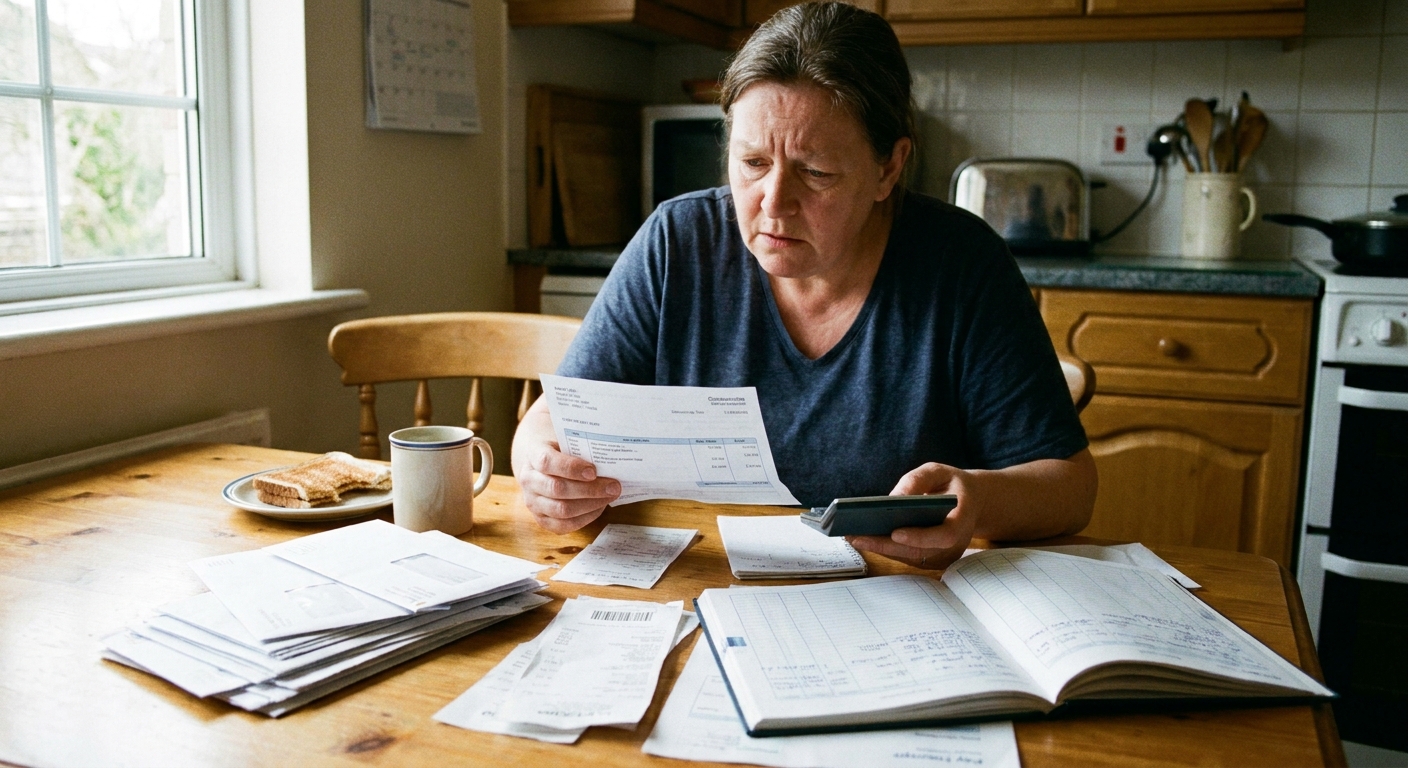
What wage garnishment means for federal student loans
Administrative wage garnishment allows the U.S. Department of Education (or a collection contractor working for the government) to order your employer to withhold part of your pay and send it toward your defaulted federal student loans.
In real life, the notice often comes from a collection agency/contractor or a Department of Education group handling default collections, not from the servicer you remember from repayment.
Key points to know
- It usually happens only after default. For many federal student loans on monthly billing, default is typically after 270 days of nonpayment, but timelines can differ by loan type and repayment schedule.
- No judge is required. AWG is an administrative process, not a traditional court garnishment.
- Your employer has to comply. Once the order is valid, payroll must start withholding after the notice period described in your letter (often around 30 days).
- It can stack with other issues. Default can also trigger tax refund offset and can affect eligibility for new federal aid. In some situations, other federal benefits can be offset too, with limits.
Important: Private student loans work differently. Private lenders typically need to sue you and get a court judgment before they can garnish wages (rules vary by state). This article is about federal student loans.
How much can they garnish?
The standard federal student loan AWG limit is:
- Up to 15% of your disposable pay per pay period,
- But they cannot take so much that your pay drops below 30 times the federal minimum wage per week (or the equivalent for your pay period).
Disposable pay generally means what is left after legally required deductions (like federal, state, and local taxes, Social Security, and Medicare). It is not what is left after things like health insurance, retirement contributions, or other voluntary deductions.
A quick example
Say your disposable pay is $800 per week.
- 15% of $800 is $120.
- The law also protects a base amount: 30 x the federal minimum wage. As of 2026, the federal minimum wage is $7.25, so 30 x $7.25 = $217.50 per week protected.
- In this example, $800 minus $217.50 leaves $582.50 available above the protected amount, so the $120 garnishment would fit within the rule.
If your disposable pay is lower, that protected amount is where the limit bites. Also, if you already have other garnishments (like child support), the total amount withheld across all garnishments may be limited by federal law, which can affect how much room there is for a student loan garnishment.
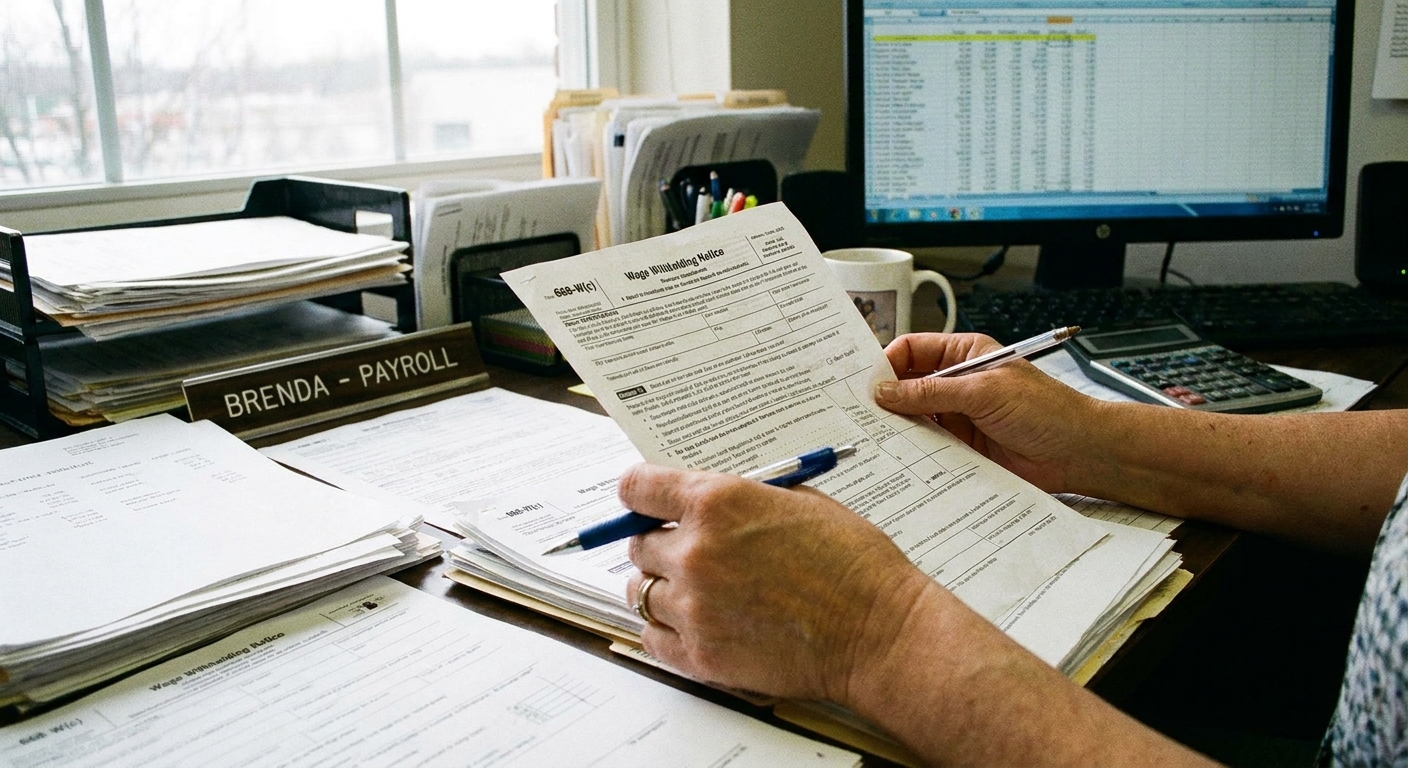
Notices you should get first
Before AWG can begin, you are supposed to get a written notice that explains what is happening and what your rights are. This is often called a Notice Prior to Wage Withholding (wording varies).
What that notice should include
- The amount of the debt and how it was calculated
- The intention to garnish your wages
- How to inspect and copy records related to the debt
- How to enter a repayment agreement to avoid garnishment
- Your right to request a hearing (and how to request it)
- Deadlines for responding
Timing matters
Typically, you have a short window to act after the notice is sent. A common timeframe is about 30 days from the date the notice is mailed to request a hearing and try to stop garnishment before it starts. Your letter will spell out the exact deadline. Treat it like a ticking clock.
Practical tip: send your hearing request or documents using the method listed in the notice (mail, fax, upload portal). If you mail anything, consider certified mail and keep copies of everything.
If you moved and did not update your address, it is possible you never saw the notice. Even if you missed it, you can still take action to reduce or stop the garnishment, but it is much easier to prevent the first hit than to clean up the mess after.
Your right to a hearing
AWG comes with due process rights. You can request a hearing to challenge the garnishment or ask for it to be reduced.
Common reasons to request a hearing
- The debt is not yours (identity theft, wrong person)
- The balance is wrong (payments not credited, incorrect fees)
- You are not in default (you are in repayment, deferment, forbearance, or an active arrangement)
- Financial hardship (you cannot meet basic living expenses with the proposed withholding)
- The garnishment amount is improper (exceeds legal limits)
What “financial hardship” usually means
Hardship is typically about your ability to cover essentials like housing, utilities, food, transportation, childcare, and medical costs. To make a hardship case, you usually need documentation, such as:
- Recent pay stubs
- Rent or mortgage statements
- Utility bills
- Childcare invoices
- Medical bills or insurance premiums
- A basic budget showing monthly income and necessary expenses
If you are requesting a hardship reduction, do not just say “I cannot afford this.” Show the math. (This is where my love for spreadsheets actually comes in handy.)
Fast ways to stop or reduce it
If your wages are already being garnished, you still have options. If garnishment has not started yet, you may be able to prevent it by acting quickly.
1) Make a repayment agreement
Sometimes the simplest route is to negotiate an affordable payment arrangement with the collector before AWG kicks in. Get any agreement in writing, and confirm that it will stop the wage withholding order.
Quick clarity: a voluntary repayment agreement may stop garnishment, but it does not always remove the loan from default. If your goal is to clean up the default status, rehabilitation or consolidation is usually the more direct route.
2) Request a hearing or hardship reduction
If the 15% withholding will break your budget, request a hearing and ask for a reduction based on financial hardship. In some cases, the garnishment can be lowered or paused depending on the outcome.
3) Get out of default with rehabilitation
Loan rehabilitation is one of the most borrower-friendly ways to lift a federal student loan wage garnishment.
- You typically make 9 voluntary, “reasonable and affordable” payments within 10 consecutive months (and they generally need to be on time).
- Garnishment is often suspended after you make 5 of those 9 payments. This is a common milestone borrowers can plan around, but confirm the exact timing with the agency handling your case.
- After you complete rehab and it is processed, the loan is removed from default and the collector should instruct your employer to stop withholding. There can be a small processing lag.
Rehabilitation is generally a one-time option per loan, so it is worth doing thoughtfully.
4) Get out of default with consolidation
Direct Loan consolidation can also bring defaulted loans back into good standing, which can stop garnishment once the consolidation pays off the defaulted loans.
Two important caveats:
- To consolidate out of default, you typically must either make 3 consecutive, on-time, voluntary payments first or agree to repay the new consolidation loan under an income-driven repayment plan.
- If you already have a consolidation loan, you generally cannot consolidate it again unless you add at least one new eligible loan to the consolidation. That can limit this option for some borrowers.
Also, consolidation is not always instant. Garnishment may continue until the consolidation is finalized.

Check your loan status first
If you are not 100% sure what is being collected, take two minutes to verify it. For federal loans, you can log in to StudentAid.gov to see:
- Whether the loans are federal
- Who currently services or holds them
- Your status (in repayment, delinquent, default, etc.)
This helps you avoid spinning your wheels with the wrong company on the phone.
What to do when you get a notice
If you are the type who freezes when money stress hits, here is a short checklist you can follow without overthinking it.
Your next 48 hours
- Open every letter and find the deadline to request a hearing.
- Confirm what loans are involved and verify your federal loan status at StudentAid.gov.
- Gather proof of income and expenses (pay stubs, rent, utilities, childcare, medical).
- Call the contact on the notice and ask what option stops the garnishment fastest in your case (rehab, consolidation, repayment agreement).
- If you need a hardship reduction, request the hearing and start assembling your documentation immediately.
Talk to your employer, but keep it simple
Payroll departments see wage garnishments all the time. You do not need to explain your life story. A simple, “I am working with the agency to resolve this, can you confirm the date withholding will begin and where I can see it on my pay stub?” is enough.
Common questions
Can they garnish my wages without taking me to court?
For federal student loans in default, yes. Administrative wage garnishment does not require a court judgment.
Can I be fired because of a student loan garnishment?
Under the Consumer Credit Protection Act (CCPA), an employer generally cannot fire you because your wages are garnished for one debt. If you have multiple garnishments, protections can be weaker, and state laws can add rules. If you are worried about job risk, consider speaking with HR and, if needed, a qualified employment attorney in your state.
Does paying something stop garnishment automatically?
Not necessarily. A one-time payment may not stop an active AWG order. You usually need a formal arrangement (rehab, consolidation, or a written repayment agreement that halts withholding).
If I start rehabilitation, does the garnishment stop right away?
Not always. Many borrowers see garnishment suspended after 5 of the required rehab payments, but timelines can vary. Ask what triggers the suspension and how you will be notified.
Final note
I know the feeling of watching your paycheck get smaller before it even hits your account. Wage garnishment is one of those financial gut-punches that can make you feel powerless. You are not powerless.
Your path forward is usually some combination of: responding to the notice on time, using your hearing rights if the numbers do not work, and getting out of default through rehab or consolidation.
Policies and enforcement can shift over time, so if anything in your notice conflicts with what you read online, treat the notice as the immediate rulebook and verify current options through official Department of Education channels.
If you want to move quickly, start with one goal: get the garnishment stopped, then build a repayment plan you can actually live with.