
If you are getting ready to use your VA home loan benefit, you are already doing something smart: you are choosing one of the most flexible mortgage options out there. But I have seen a lot of buyers get blindsided by one specific line item, one confusing concept, and one crucial document: the VA funding fee , your entitlement, and the Certificate of Eligibility (COE).
This page is your pre-application budgeting checklist. We will keep it simple, avoid the mortgage jargon spiral, and focus on what you actually need to know before you talk to a lender.
The VA funding fee in plain English
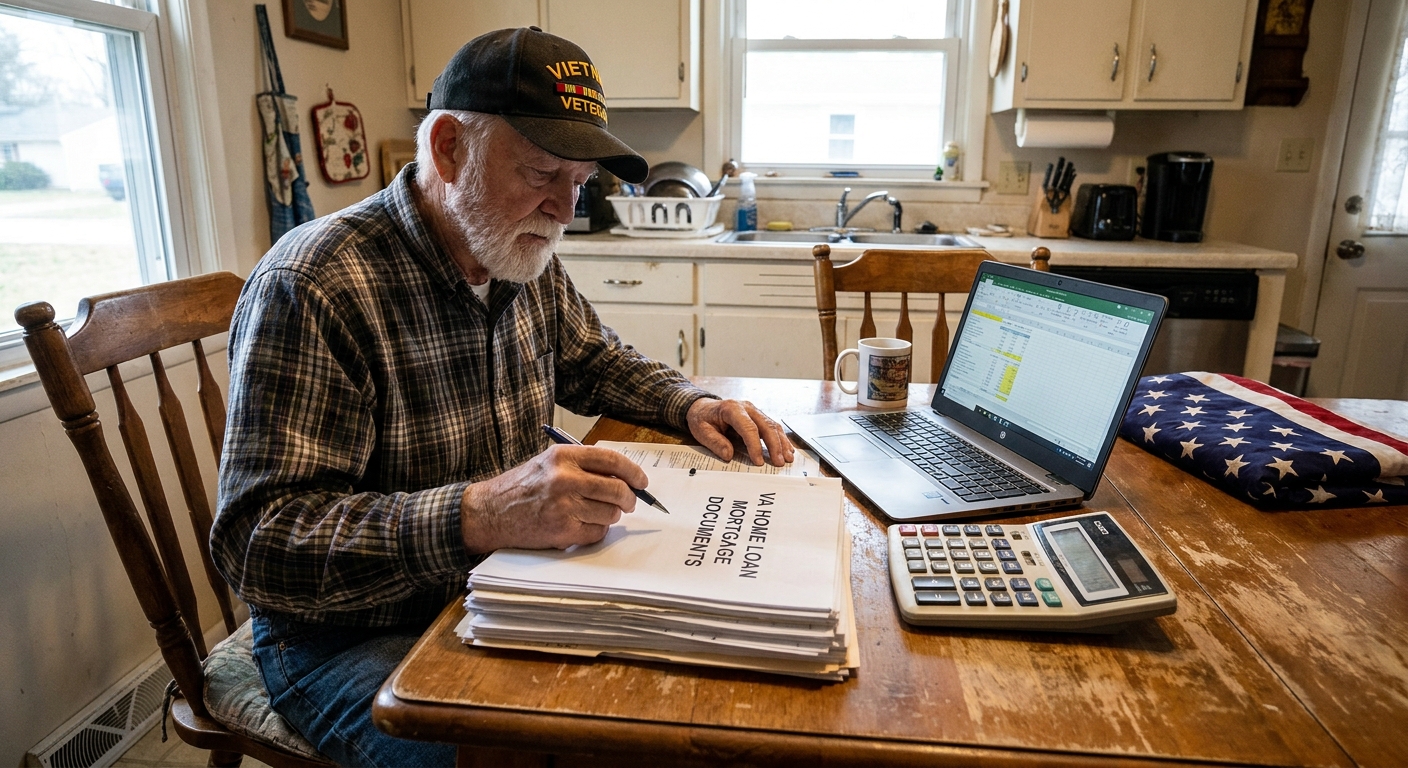
The VA funding fee is a one-time charge on most VA loans. It helps keep the VA loan program running so it can offer benefits like no required down payment and no monthly mortgage insurance.
Important budgeting note: the funding fee is usually the largest VA-specific upfront cost. The good news is you typically have options for how you pay it.
How you can pay the funding fee
- Finance it into the loan (most common). This increases your loan balance and the interest you pay over time.
- Pay it in cash at closing. Higher upfront cost, but you keep your loan balance lower.
- Lender credit strategy. Sometimes you can accept a slightly higher interest rate in exchange for credits that help cover other closing costs . This does not remove the funding fee itself, but it can improve your overall cash-to-close picture so you have more flexibility to pay or finance the fee.
One nuance that saves confusion: do not assume lender credits (or seller contributions) can be applied to the funding fee the same way they can for other costs. Ask your lender directly whether the funding fee is being financed or paid in cash on your file.
The funding fee is not the same thing as closing costs. Closing costs include things like the appraisal, title work, escrow setup, recording fees, and lender fees. The funding fee is its own separate line item.
VA funding fee rates
Your funding fee rate is primarily based on:
- Loan type (purchase vs. IRRRL vs. cash-out refinance)
- Down payment amount (for purchases)
- First use vs. subsequent use of your VA benefit
Rates can change. The figures below are commonly used VA funding fee rates and are listed as current as of April 22, 2026 for planning purposes. Before you lock a loan, confirm the current table here: VA funding fee guidance and current funding fee tables.
Service branch note: In recent years, Reserves and National Guard borrowers use the same funding fee rate schedule as regular military. If you see a different rate quoted, have your lender show you the current VA table they are using.
Purchase loan rates
These are commonly used rates for VA purchase loans.
| Use | Down payment | Funding fee |
|---|---|---|
| First-time use | 0% | 2.15% |
| First-time use | 5% to 9.99% | 1.50% |
| First-time use | 10% or more | 1.25% |
| Subsequent use | 0% | 3.30% |
| Subsequent use | 5% to 9.99% | 1.50% |
| Subsequent use | 10% or more | 1.25% |
VA Streamline Refinance (IRRRL)
If you are using a VA Interest Rate Reduction Refinance Loan (IRRRL) , the funding fee is typically 0.50% (confirm on the VA table linked above).
VA cash-out refinance
For budgeting, here is the clean rule of thumb: many VA cash-out refinances use the same first-use vs. subsequent-use funding fee tiers you see for purchases, but the exact fee depends on the specific refinance type and the current VA table. Ask your lender for an exact funding fee quote early, then cross-check it against the VA link above.
Funding fee waivers
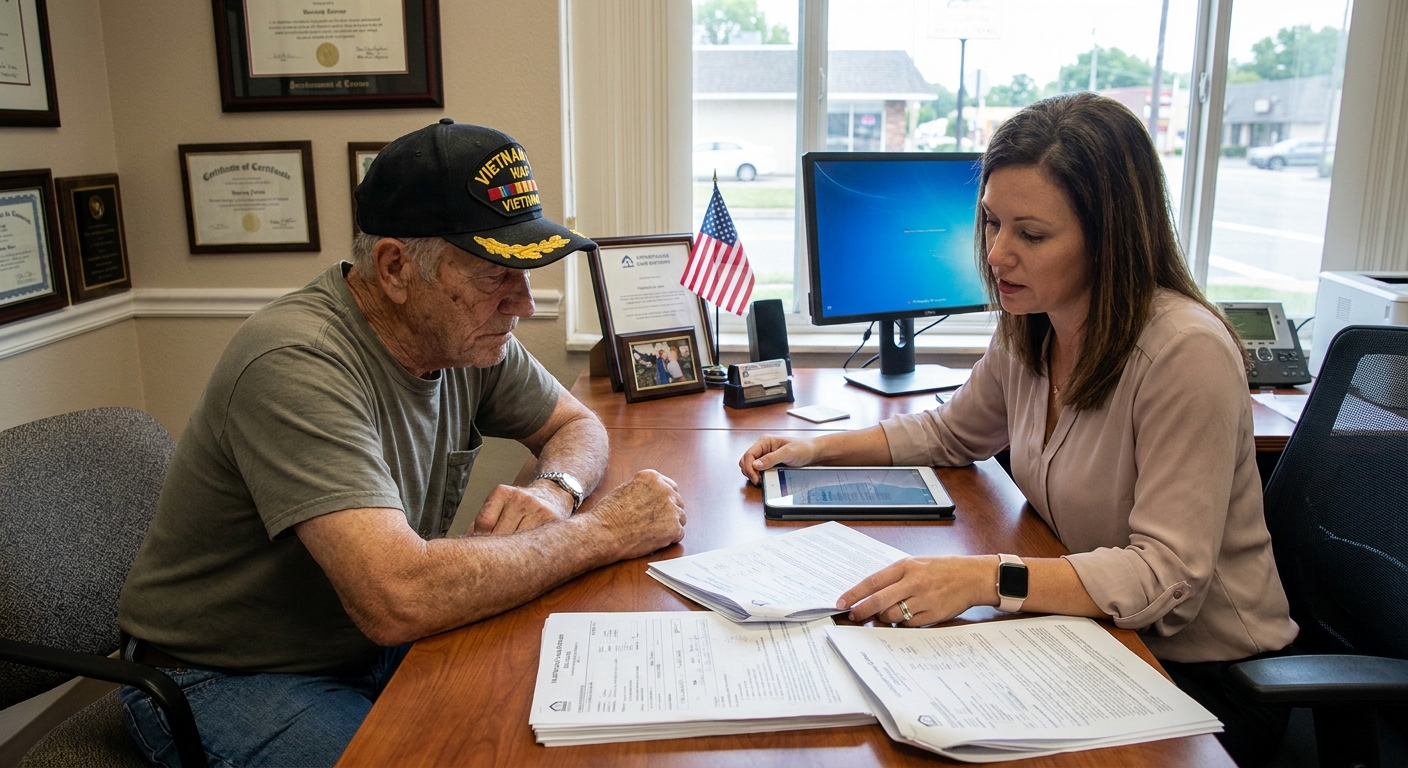
Some borrowers are exempt from paying the VA funding fee. If you qualify, this can save you thousands, so it is worth checking before you set your final budget.
You may be exempt if you:
- Receive VA disability compensation, or would receive it but are receiving retirement pay instead
- Are eligible to receive VA compensation for a service-connected disability (even if you are not currently being paid due to certain offsets)
- Are an active-duty service member who has received a Purple Heart award before closing
- Are an eligible unmarried surviving spouse of a veteran who died in service or from a service-connected disability (and you qualify for VA home loan benefits)
If you think you should be exempt but your lender is showing a funding fee, do not panic. This sometimes comes down to timing and paperwork. Ask the lender what proof they need and whether the exemption is reflected on your COE.
What if your disability claim is pending?
If you have a pending claim, your lender can tell you how they handle the funding fee while you wait for a decision. In some cases you may pay it at closing and later pursue a refund if you are granted an effective date that qualifies you for exemption. In some situations refunds are triggered once the VA updates your exemption status, but timelines vary. This is case-specific, so get guidance from your lender and the VA.
Estimate your funding fee
To estimate the funding fee, multiply your base loan amount by your funding fee percentage.
Quick clarification: If you finance the funding fee, it is still calculated on the base loan amount (not the base loan amount plus the fee).
Example 1: First-time use, $350,000 purchase, 0% down
- Funding fee rate: 2.15%
- Estimated funding fee: $350,000 × 0.0215 = $7,525
Example 2: Subsequent use, $350,000 purchase, 0% down
- Funding fee rate: 3.30%
- Estimated funding fee: $350,000 × 0.033 = $11,550
Example 3: First-time use, $350,000 purchase, 10% down
- Down payment: $35,000
- Base loan amount: $315,000
- Funding fee rate: 1.25%
- Estimated funding fee: $315,000 × 0.0125 = $3,937.50 (about $3,938)
That is why a modest down payment can change the math in a big way, even though the VA does not require one.
Entitlement basics
Entitlement is the amount of VA loan benefit the VA is willing to guarantee for you. The guarantee helps lenders offer favorable terms, and it is why you can often buy with little or no down payment.
Two entitlement terms you will hear
- Basic entitlement: often referenced as $36,000.
- Bonus entitlement: additional entitlement that typically lets eligible borrowers buy above older loan limits without a down payment, as long as they have full entitlement available.
One important clarity point: the $36,000 figure is not a $36,000 loan cap. It is tied to the guaranty the VA provides, not the purchase price.
For most first-time VA buyers, the practical takeaway is simple: if you have full entitlement available, the down payment is usually optional. If you have remaining entitlement because you have an active VA loan (or you had a loss on a prior VA loan), your down payment requirements can change.
Remaining entitlement and a second VA loan
You can sometimes have two VA loans at the same time, or use the VA loan benefit again without fully paying off the first loan. This is where remaining entitlement becomes a real budgeting issue.
Common second-use scenarios
- You PCS and keep your current home as a rental
- You bought a starter home and want to move up, but have not sold yet
- You previously used a VA loan and did not restore full entitlement
What changes when you do not have full entitlement
If you have a portion of entitlement tied up, your lender will calculate how much guaranty is still available. If you are shopping with partial entitlement, county loan limits can matter because they are used in the VA guaranty calculation. If you have full entitlement, there is no VA loan limit on how much you can borrow, as long as you qualify with the lender.
Depending on your price point and available guaranty, you may need a down payment to cover the gap between:
- the guaranty your new loan would require, and
- the guaranty you still have available
This is why two borrowers can both be “VA eligible” but have very different cash-to-close needs.
A simple move before you shop
Ask your lender for a pre-approval that includes an estimate of:
- how much entitlement is currently used
- how much remains
- whether a down payment would be required at your target price range

Restoring entitlement
You can often restore your entitlement after you pay off a VA loan, usually when you sell the home or refinance out of the VA loan into a non-VA loan.
Two common ways to restore entitlement
- Sell the home and pay off the VA loan: this is the cleanest reset for many buyers.
- Refinance to a non-VA loan and pay off the VA loan: this can restore entitlement while you keep the property, but the refinance has its own qualification and cost considerations.
There is also a concept called a one-time restoration that may apply if you paid off a VA loan but did not sell the home. This is an area where the rules and lender overlays can get specific, so treat it as a “call your lender and confirm” item, not a DIY guess.
The COE
Your Certificate of Eligibility (COE) is the document that shows the lender the VA considers you eligible for the home loan benefit. It can also include important details like:
- whether you are exempt from the funding fee
- the amount of entitlement you have used and what may be available
You do not need to personally “shop for” a COE before you talk to lenders, but having it early can prevent delays when you are trying to make an offer in a competitive market.
How to get your COE
You have three common ways to get a COE. Pick the easiest one for your situation.
Option 1: Ask your lender
Many VA-approved lenders can request your COE electronically through the VA system. If you are already talking to a lender you trust, this is usually the quickest path.
Option 2: Get it online
You can request your COE through the VA’s online portal. This is a good option if you are in the planning phase and want your documents lined up before you start pre-approvals.
Option 3: Mail a request
You can request a COE by mail using the VA’s form process. This tends to be slower, so it is usually a backup option if online access is an issue.
Documents you may need
- DD Form 214 (for many veterans)
- Statement of Service (for many active-duty service members)
- NGB Form 22 and or points statements (often used for Guard and Reserve scenarios)
- Surviving spouse documentation if applicable
If you are unsure which applies to you, your lender can tell you what they need based on your service history.
Other costs to budget for
The VA loan can reduce some costs, but it does not eliminate all upfront expenses. Before you apply, plan for a realistic cash cushion.
Common upfront items
- Earnest money deposit : often due shortly after your offer is accepted. This is credited toward your purchase, but you need the cash available.
- Appraisal: VA loans require a VA appraisal. The cost varies by location.
- Home inspection: not required by the VA, but strongly recommended. This is typically paid out of pocket.
- Closing costs: lender fees, title fees, escrow setup, recording, and other local charges.
- Prepaids: homeowners insurance premium, prepaid interest, and sometimes property taxes depending on timing.
- Moving and setup: deposits for utilities, basic repairs, and the “we need a lawnmower on day one” expenses that somehow appear overnight.
Two VA-specific notes that help your cash-to-close
- VA allowable fees: The VA limits what fees a veteran can be charged. If something looks odd on a Loan Estimate, ask the lender whether it is a VA-allowable fee and who is paying it. If you want a quick gut-check, ask for the lender’s VA allowable-fees list and have them point out where each lender fee fits.
- Seller contributions: Sellers can sometimes pay certain costs. You may also hear about a “4% rule.” It is a real concept, but it is nuanced (it applies to certain concessions and prepaid items, not every dollar the seller pays). Your lender and agent can structure this correctly for your market.
Two items that can affect negotiations
- VA minimum property requirements (MPRs): The VA appraisal is not a full inspection, but it does check for basic safety and livability standards. Your appraisal will also produce a Notice of Value (NOV), and it can call out repair items that affect your timeline and budget.
- Occupancy: A VA purchase loan is intended for a primary residence. If you are keeping your old home as a rental, that is often fine, but plan on moving into the new home within the VA’s expected time frame (your lender will confirm what applies to your situation).
Before-you-apply checklist
If you do these five things, you will walk into the VA loan process with way less stress.
- Estimate your funding fee using your likely down payment and whether this is first-time or subsequent use.
- Confirm whether you are exempt from the funding fee based on VA compensation eligibility, Purple Heart status (active-duty, awarded before closing), or surviving spouse eligibility.
- Get your COE early (or ask a lender to pull it) so eligibility does not slow your offer down.
- Ask about remaining entitlement if you have used a VA loan before or still own a home with a VA loan.
- Build a closing cushion for inspection, appraisal, prepaids, and moving costs.
Want to sanity-check your budget? Use the current VA funding fee table (linked above) to estimate the fee, then ask your lender for a written cash-to-close estimate at your target price point. That one page will clear up most of the surprises.

Sources
- U.S. Department of Veterans Affairs, VA Home Loan Funding Fee guidance and current funding fee tables: https://www.va.gov/housing-assistance/home-loans/funding-fee-and-closing-costs/
- U.S. Department of Veterans Affairs, Certificate of Eligibility (COE) information and request options: https://www.va.gov/housing-assistance/home-loans/how-to-apply/