
USDA home loans are one of the most underrated ways to buy a home with no down payment and affordable monthly costs. The catch is that USDA loans are built for specific areas and specific income ranges. If you have ever assumed “rural” means “middle of nowhere,” or you have been scared off by income-limit talk, take a breath. A lot of suburbs and small cities qualify, and the rules are more straightforward than people think.
This guide focuses on the USDA Rural Development-backed mortgage (often called a USDA Guaranteed Loan) and the program-specific rules that trip buyers up: income limits, property eligibility, fees, and common denial reasons. Then we will put USDA and FHA next to each other so you can choose with confidence.

What a USDA home loan is (and is not)
A USDA home loan is a mortgage backed by the US Department of Agriculture through its Rural Development program. Most buyers you see using USDA are getting the Guaranteed Loan, which is issued by a private lender (bank, credit union, or mortgage company) and backed by USDA.
- Primary residence only. No vacation homes, no investment properties.
- Designed for eligible areas. “Rural” is a technical definition based on the address, not whether it feels rural.
- Income tested. Your household income has to fall under your area’s limit.
There is also a separate program called USDA Direct (Section 502 Direct), which is for lower-income borrowers and is funded and serviced by USDA. The eligibility and process for Direct is different. This article is primarily about the USDA Guaranteed loan most buyers shop for with lenders.
USDA loan basics
- Down payment: Typically 0% (zero down), if you qualify.
- Credit guidelines: Many lenders look for around 640+ for smoother automated approval, but it is not a hard USDA minimum. Some lenders can go lower with a strong file, and some require higher due to overlays.
- Debt-to-income (DTI): You will still hear the classic USDA targets of about 29% housing and 41% total. Think of these as common guideline benchmarks, not a universal cap. Automated underwriting and compensating factors can allow higher ratios, and lender overlays can be stricter.
- Mortgage insurance style fees: USDA charges an upfront guarantee fee and an annual fee (paid monthly).
- Property type: Single-family primary residence, including some condos and manufactured homes if they meet program and lender rules.
Big advantage: USDA can be the rare combo of zero down and lower monthly mortgage insurance-style costs than many low-down-payment alternatives.
Income limits: how USDA measures income
This is where people get blindsided. USDA does not just look at the income of the person on the mortgage application. It looks at household income, which generally includes income from adult household members, even if they are not on the loan.
What household income can include
- Wages, salary, overtime, commissions, and bonuses (often averaged if variable)
- Self-employment income (net, after expenses)
- Side hustle income if it is consistent and documented
- Retirement income, pensions, Social Security
- Child support or alimony if it is received and documented (rules vary by lender and scenario)
Why this matters
Imagine you and your spouse apply, but an adult relative lives with you and works. Even if they are not on the mortgage, their income may count toward the USDA household limit. That can push a “yes” into a “no” fast.
How to find the limit for your area
USDA income limits vary by county and household size. The most accurate way to check is to use the USDA’s online eligibility tools for your specific area and household count.
- Tip: Check the limit before you fall in love with a house. I have seen buyers spend money on inspections only to learn late in the process that household income is too high.
- Tip: Ask your lender how they are calculating household income for your situation, especially if you have non-borrowing adults in the home.

Property eligibility: what rural means
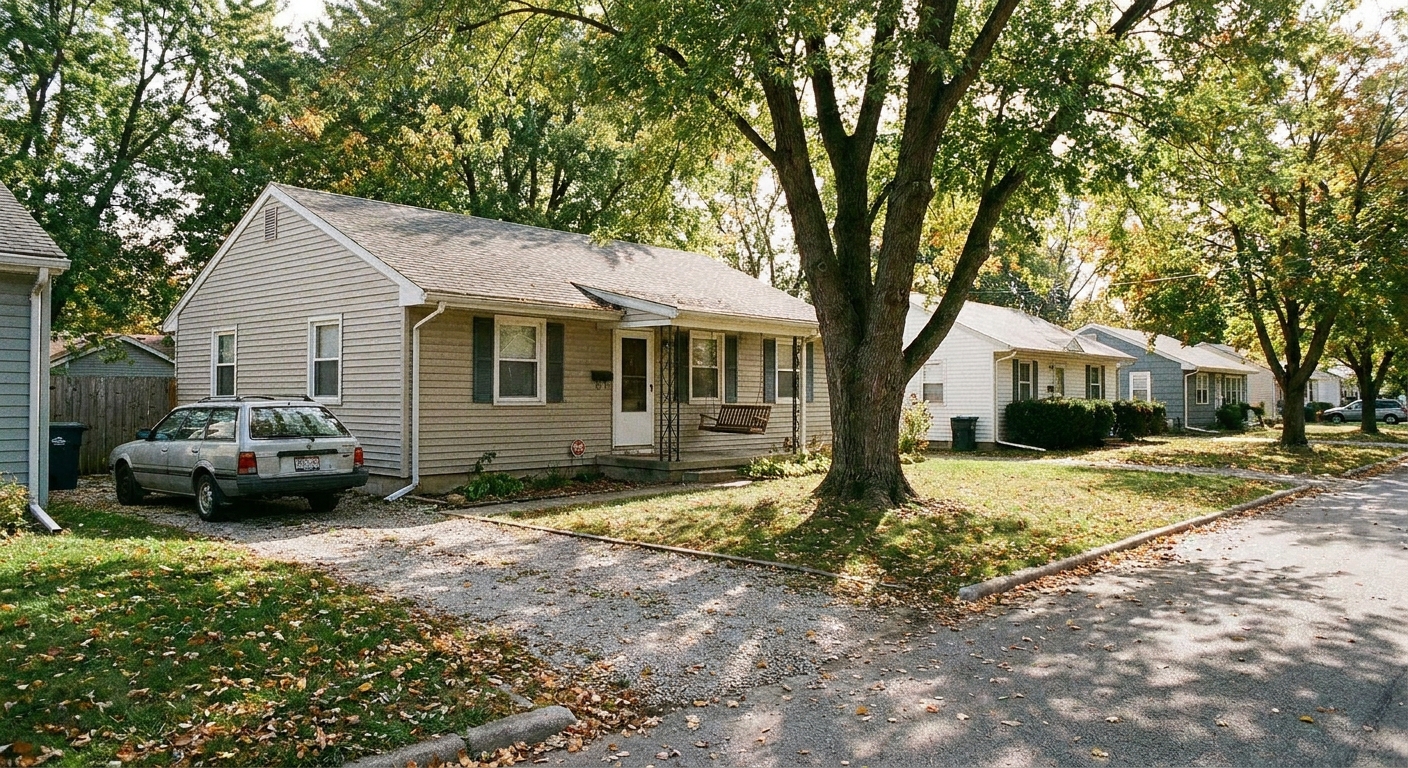
USDA property eligibility is based on the home’s address and USDA mapping, not whether you can see cows from the porch.
Eligible locations can include
- Small towns
- Outer-ring suburbs
- Many communities just outside major metro boundaries
How to check a property
The fastest path is to plug the address into the USDA property eligibility map. If the map shows eligible, it is a good sign, but it is still not the final word. Boundaries can change and lenders will verify during underwriting.
Property rules to know
- Primary residence: You must intend to live there full-time.
- Safe and sound condition: The home must meet basic standards for safety, security, and habitability.
- Modest housing: USDA is meant for typical, modest owner-occupied homes, not luxury purchases. There is not a simple nationwide price cap, and most standard homes are fine, but it can matter in high-cost pockets or when a property is clearly beyond modest needs.
- Land use limits: The property cannot be primarily for income-producing use (for example, farm or commercial use). A normal yard or acreage is usually fine. The key is that the home, not the land business, is the point of the loan.
Important nuance: A home can be in an eligible area but still fail the loan if it does not meet condition standards (think broken windows, exposed wiring, an inoperable heating system, or serious roof issues).
Zero down is not zero cash
This is the mindset shift I wish every buyer would make. USDA can offer 100% financing, but you still need to plan for cash costs.
Common upfront costs
- Earnest money: Paid when you go under contract (often credited back at closing)
- Home inspection: Optional but strongly recommended
- Appraisal: Required by the lender
- Closing costs: Lender fees, title, escrow, recording, etc.
- Prepaid items: Homeowners insurance, property taxes, and interest
How buyers cover closing costs
- Seller concessions: USDA commonly allows seller concessions up to 6% of the sales price, subject to program rules and what your lender will accept.
- Lender credits: You can take a slightly higher rate in exchange for credits (the math matters here).
- Gift funds: Allowed in many cases if documented.
- Possible in some cases: If the home appraises above the purchase price, some transactions can be structured to effectively cover certain closing costs. This is scenario-dependent, not guaranteed, and your lender has to sign off.
If your budget is tight, ask your lender for a cash to close estimate early. It is easier to negotiate or adjust plans before you are on a deadline.
USDA fees and mortgage insurance
USDA loans do not have traditional private mortgage insurance (PMI), but they do have two program fees that act a lot like mortgage insurance.
1) Upfront guarantee fee
This is a one-time fee (a percentage of the loan amount). Most borrowers roll it into the loan instead of paying out of pocket, which is part of why USDA can feel truly “zero down.”
2) Annual fee (paid monthly)
This is charged each year but collected monthly as part of your payment. It is calculated on the loan balance (USDA bases it on the scheduled unpaid principal balance over the year, then it is billed monthly).
Why this matters: When you are comparing USDA to FHA, this monthly fee is one of the biggest differences in long-term payment comfort.
Fee percentages can change over time. Your lender can quote the current rates and show you how they affect your exact payment.
Common denial reasons
Most USDA “no’s” are preventable with a little pre-planning. Here are the big ones I see come up again and again.
Household income is over the limit
Not just borrower income. Household income. This includes certain non-borrowing adult income in the home.
The property address is not eligible
Even if it is close to an eligible boundary, close does not count. The address must be in an eligible area.
Credit issues or thin credit
- Recent late payments
- Collections that trigger lender overlays
- Limited credit accounts with no alternative credit documentation
DTI is too high
Student loans, car loans, and credit cards can quietly crush DTI. Paying down a card balance or refinancing an auto loan can sometimes be the difference, but always run changes by your lender first.
Unverifiable or unstable income
If you are self-employed, newly commissioned, or recently changed jobs, underwriting may need more documentation or more time history.
Appraisal or condition problems
If the home does not meet basic safety and habitability, the appraiser can require repairs before closing. Some lenders may allow certain repairs to be completed after closing using an escrow holdback, but it is not always available and it depends on the repair type and lender policy.
If you want the smoothest USDA path: get preapproved, verify income limit and property eligibility early, then shop with those guardrails. It is way less stressful than finding out mid-contract.
USDA vs FHA
If you qualify for USDA, it is often the cheaper long-term option. FHA can be more flexible on location and sometimes credit, but the monthly mortgage insurance can stick around and add up. Here is the cleanest way to compare.
Quick comparison
- Down payment: USDA is typically 0% (if eligible). FHA is typically 3.5% minimum (with qualifying credit).
- Income limits: USDA has household income limits. FHA does not have income limits.
- Location rules: USDA requires an eligible rural area. FHA works in most areas.
- Mortgage insurance and fees: Both have upfront and monthly-style costs, but USDA annual fees are often lower than FHA monthly mortgage insurance. FHA mortgage insurance can last for the life of the loan in many cases if you put less than 10% down. With 10%+ down, FHA MIP typically drops after 11 years.
- Loan limits: USDA Guaranteed loans do not have a set published loan limit like FHA. Your maximum is driven by income, debts, underwriting, and the home price for your market.
- Who it tends to fit best: USDA is great for buyers with moderate incomes who want zero down in eligible areas. FHA is great for buyers who need broader location flexibility or have a file that fits FHA guidelines better.
Which should you choose
- Choose USDA if your household income is under the limit, you are buying in an eligible area, and you want the lowest possible cash-to-close with a competitive payment.
- Choose FHA if the home you want is not USDA-eligible, your household income is over the USDA cap, or FHA guidelines fit your credit profile better.
My real-world advice: Ask your lender to price both loans on the same day with the same assumptions. Rates and fees move, and the best loan is the one that wins on your monthly payment and your cash-to-close for your specific scenario.

Extra USDA details
When you have to move in
USDA is for owner-occupants. In most cases, you are expected to occupy the home as your primary residence within a reasonable timeframe after closing (often around 60 days, depending on the situation and lender guidance).
Assumable loans
USDA loans can be assumable in some cases. That means a future buyer may be able to take over the loan, but only if they qualify and the servicer and USDA requirements are met. Do not assume this will be easy, but it can be a nice feature to know exists.
Who USDA is not for
- Households over the income limit (even if the borrower income alone looks fine)
- Buyers targeting ineligible addresses
- Anyone buying a second home or investment property
- Buyers who need a property that will not meet basic condition standards without repairs
Your USDA pre-checklist
If you want to know whether USDA is worth your time, run this quick checklist before you tour 20 homes and fall in love with the one that cannot be financed.
- Check the address on the USDA eligibility map (or target neighborhoods that are clearly eligible).
- Estimate household income for every adult in the home and compare it to your county limit.
- Pull your credit and look for recent lates, high card balances, or errors to dispute.
- Calculate your DTI with student loans, car payments, and minimum card payments included.
- Budget for cash to close even if your down payment is $0.
USDA loans can be a game changer, but only if you treat the eligibility rules like the guardrails they are. Do that, and you will shop smarter, negotiate better, and keep your stress level way lower.
Note: This article is general educational information, not financial, legal, or tax advice. Program rules, fees, and lender overlays change. Always confirm current USDA fee percentages, income limits, and property eligibility with your lender and the official USDA tools before you lock in a home purchase plan.