
If you are aggressively paying off credit card debt, you are doing something hard and incredibly valuable. But if your plan is built on pure deprivation, it eventually cracks. I know because I lived it. When I was digging out of my own debt, the weeks I tried to be “perfect” were usually followed by a totally not perfect blowout that made everything feel worse.
The goal is not to “treat yourself” in a way that restarts the cycle. The goal is to build a plan that is sustainable, predictable, and actually keeps you paying extra month after month. That means budgeting a small amount of fun on purpose, not by accident.
Quick safety note: If you are behind on essentials (housing, utilities, food, transportation) or you cannot cover minimum payments, pause treats and stabilize first. If you are at $0 savings, even a tiny starter buffer can reduce the odds you end up right back on the card.
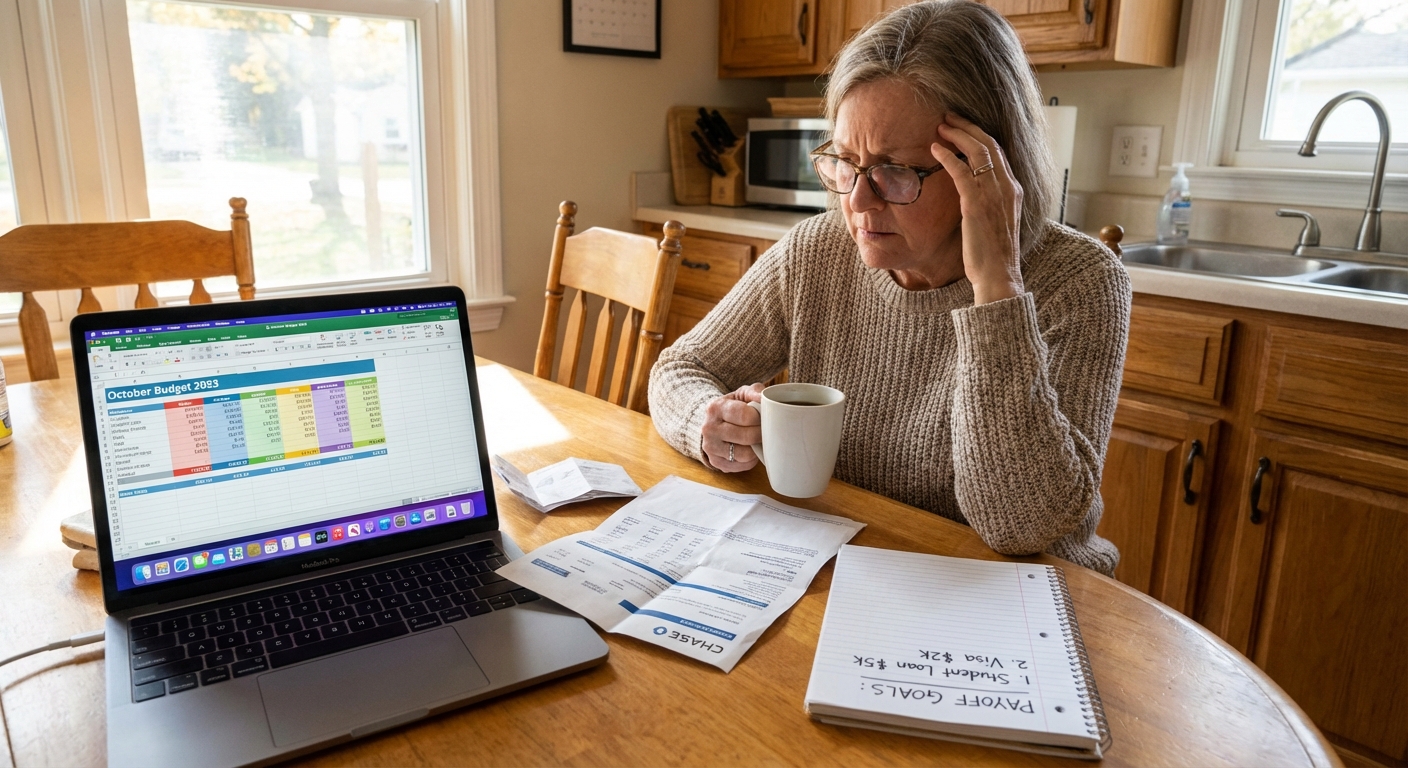
Why fun money helps
“Aggressive” should describe your payments, not your stress level. A tiny, planned spending lane does three important things:
- Prevents frugal fatigue: When every day feels like punishment, you eventually rebel.
- Reduces impulse spending: A planned $20 is often cheaper than an unplanned $200.
- Keeps your identity intact: You are not just “a person paying debt.” You are still allowed to be human.
Think of fun money like a controlled release valve. It keeps the rest of the system from bursting.
Pick an amount that will not slow you down
Here are three simple ways to set a fun money budget without overthinking it. Pick one and stick with it for a month, then adjust.
Option 1: A small percentage
A common starting point is 3% to 5% of take-home pay, with a hard cap. If that would slow your payoff, start smaller (even 1% to 2%).
Translation: if you bring home $2,500 per month, 3% to 5% is $75 to $125. If you bring home $4,000, it is $120 to $200. The point is not the “perfect” number. The point is that it stays small enough to keep your extra payment intact.
Option 2: A flat number
If your income varies, a flat number is easier. Try $10 per week or $50 per month and keep it consistent.
If money is extremely tight, go smaller. $0 to $5 can still be a treat lane. Think: a library hold, a walk with a podcast, a $2 bakery item, a face mask, a single song download, or a thrift store browse with a strict cash limit.
Option 3: A milestone trigger
If motivation is your main issue, tie fun money to execution, not vibes. Example: “Every week I make my planned extra payment by Friday, I get $15 to spend.” If you miss it, the treat waits.
My guardrail: If your fun money causes you to reduce your planned extra debt payment, it is too high. Fun money comes after bills and minimums, and it should not touch your extra payoff amount.
High APR reality check: If your card APR is brutal, keep treats extra small. A little more money to principal can have an outsized impact.
Separate it from real money
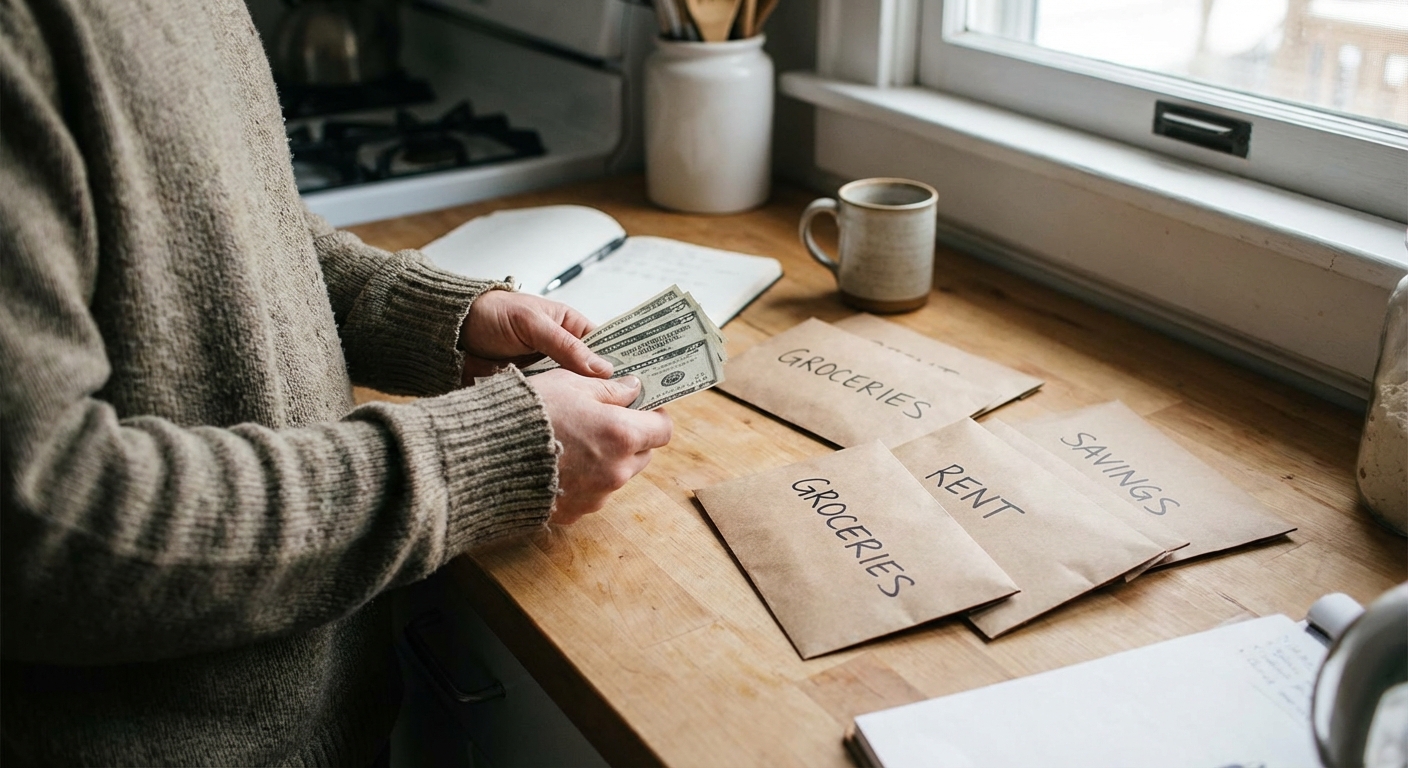
The easiest way to keep fun money from leaking into debt payoff money is to separate it.
- Use cash: Old school, but effective. When it is gone, it is gone.
- Create a “fun” debit bucket: Some banks let you create sub-accounts. Move your weekly fun amount there.
- Use a prepaid card: Load your fun money and do not reload until the next scheduled time.
Whatever you choose, do not keep fun money mixed in your checking account “just mentally.” Mental accounting tends to break down when you are tired, stressed, or hungry.
Rules that prevent new debt
These are the non-negotiables that make “treat yourself” compatible with an aggressive payoff plan.
Rule 1: Do not finance treats
If you are paying off credit card debt, buy the treat with cash or debit. If you choose to use a credit card for points or purchase protection, only do it if you already have the money sitting in your fun bucket and you pay it off immediately. The goal is to avoid turning a treat into a balance.
Rule 2: Do not borrow from next week
No “I will just pull from next week.” That is how a small, healthy habit turns into a mini debt cycle.
Rule 3: One treat lane at a time
Pick one lane per month: coffee, restaurants, hobbies, streaming, whatever. Spreading $50 across five categories often feels like nothing and leads to “Well, what is the point?” spending.
Rule 4: BNPL is still a payment obligation
Buy now, pay later can look harmless, especially when it is advertised as 0% interest. But even at 0%, it is still a repayment commitment that can pile up, and it can make overspending feel easier. Keep treats simple and paid for upfront.
Treat ideas that do not derail you
You are aiming for high joy per dollar. Here are options I have used myself and seen readers stick with long-term.
Low-cost treats (under $10)
- A fancy coffee or smoothie once a week
- A library hold list plus one $5 used book for your “keep” shelf
- A rental movie night at home with popcorn
- A new nail polish, skincare mini, or travel-size product you actually use
- A bakery item you would normally talk yourself out of
Mid-cost treats (under $50)
- A lunch out with a friend, planned and enjoyed slowly
- A monthly museum visit or local attraction ticket
- A single new video game or hobby item, not a full shopping cart
- A drop-in class: yoga, pottery, dance, climbing gym day pass
Free treats that feel expensive
- A Saturday morning walk at a metro park with a podcast and a coffee from home
- A phone-free evening with a bath or long shower and your favorite music
- Hosting a potluck where everyone brings something simple
- Trying a new recipe and making it an event
Value-spender tip: Spend on what you will remember. Cut what you will forget. A $30 experience you talk about all week beats $30 of random online shopping.
Use planned splurges as fuel
If you want to stay aggressive, build in a few bigger treats, but only as part of a structured plan.
The milestone menu
Pick milestones that matter and assign a capped reward:
- First card paid off: $25 treat
- Debt down 25%: $50 treat
- Debt down 50%: $75 treat
- Final payoff: a planned celebration that is paid in cash
Notice the pattern: the rewards go up, but they never approach the size of the debt payments that got you there.
The “interest saved” reward
When you make an extra payment, you can estimate the interest you avoided and “share” a small slice with yourself. Example: you estimate you saved about $40 in interest by paying earlier and extra, so you allow a $10 treat.
Important: This is an estimate, and the exact amount depends on your APR, statement cycle, average daily balance, and payment timing. If you want a better estimate, use your card APR and an online credit card interest calculator, or check how your issuer calculates interest.
How to spend without guilt
If you budget fun money and then feel guilty spending it, you will end up not enjoying it and still burning out. Here is the reframe:
- Guilt is a sign the system is unclear. Make the rules specific so you can relax.
- You are buying consistency. That $20 is not “wasted.” It is keeping you in the game.
- Debt payoff is a long project. Long projects need breaks.
A planned treat is not a mistake. An unplanned binge usually is.
A weekly blueprint
If you want an easy rhythm, try this for the next four weeks.
- Payday: Pay bills, minimums, and your planned extra debt payment first.
- Same day: Transfer your weekly fun money to a separate account or pull it in cash.
- Midweek: Check balances for 2 minutes. No judgment, just awareness.
- Weekend: Spend the fun money guilt-free or roll it over once.
Rollover rule: If it rolls over twice, send half to debt. This keeps a tiny fun lane from quietly turning into a surprise splurge that hits your progress.
This is how you stay aggressive while still living a life you actually want.
Signs you need a tweak
Adjusting is not failure. It is tuning the system.
- You are using credit cards for treats “just this once”
- You are regularly stealing from next week’s fun money
- Your extra debt payment is shrinking to make room for fun
- You feel deprived all month, then overspend in a single day
If any of those are happening, lower the friction: separate the money, tighten the rules, or switch to smaller weekly treats instead of one monthly splurge.
Keep the promise to future you
Being aggressive with credit card debt is a commitment to future peace. The secret is you do not have to be miserable to get there. Give yourself a small, planned lane for fun, protect it with clear rules, and let it be the thing that keeps you showing up.
If you want a quick next step: pick your fun money number right now, decide how you will separate it, and schedule your next extra payment. Then go enjoy a treat you can afford without anxiety.