
When you buy a home, you are not just buying the walls and the roof. You are buying the legal right to own that property. Title insurance helps protect that right if a past paperwork problem shows up later.
If you are already deep in the closing process, title insurance can feel like one more fee tossed on top of a mountain of closing costs. But it is one of the few items at closing designed to protect you from a specific kind of problem: someone else claiming they have a valid right to your home, or a prior debt attached to it.

What title insurance does
Title insurance protects against certain problems with the home’s title, meaning the legal ownership history of the property. Unlike homeowners insurance, which covers future events like fires or storms, title insurance focuses on past issues that existed before you bought the home.
Common issues it can help with
- Unpaid liens from previous owners, like contractor liens, unpaid property taxes, or court judgments, especially if they were missed, hidden, or improperly released
- Errors in public records, such as clerical mistakes, misspellings, incorrect legal descriptions, or filing errors
- Unknown heirs who claim they have a right to the property
- Forged or fraudulent documents in the chain of ownership
- Boundary and access issues in limited cases, often only when tied to recorded documents or when you add specific endorsements
Important note: title insurance does not cover everything. Coverage depends on your policy, the exceptions listed in your title commitment, and your state’s rules. It generally will not cover issues you create after closing, problems you knowingly accept, or standard maintenance and property condition issues. That is a separate category entirely.
Owner vs lender policies
There are two main title insurance policies you will hear about at closing, and they protect different people.
Lender’s title insurance (usually required)
A lender’s policy protects the mortgage company. If a title issue pops up that affects the lender’s ability to enforce the mortgage, the lender’s policy helps cover their losses up to the amount of the loan.
This is why it is typically required. Your lender is basically saying: “We will finance this purchase, but we need protection in case the title is not as clean as it looks.”
Owner’s title insurance (optional, often worth it)
An owner’s policy protects you. It helps pay for covered legal costs and losses if someone challenges your ownership or a covered title defect is discovered after you close.
Here is the key: if you only buy the lender’s policy, your lender is protected, not you. You could still end up paying out of pocket for legal defense or financial loss tied to a covered claim.
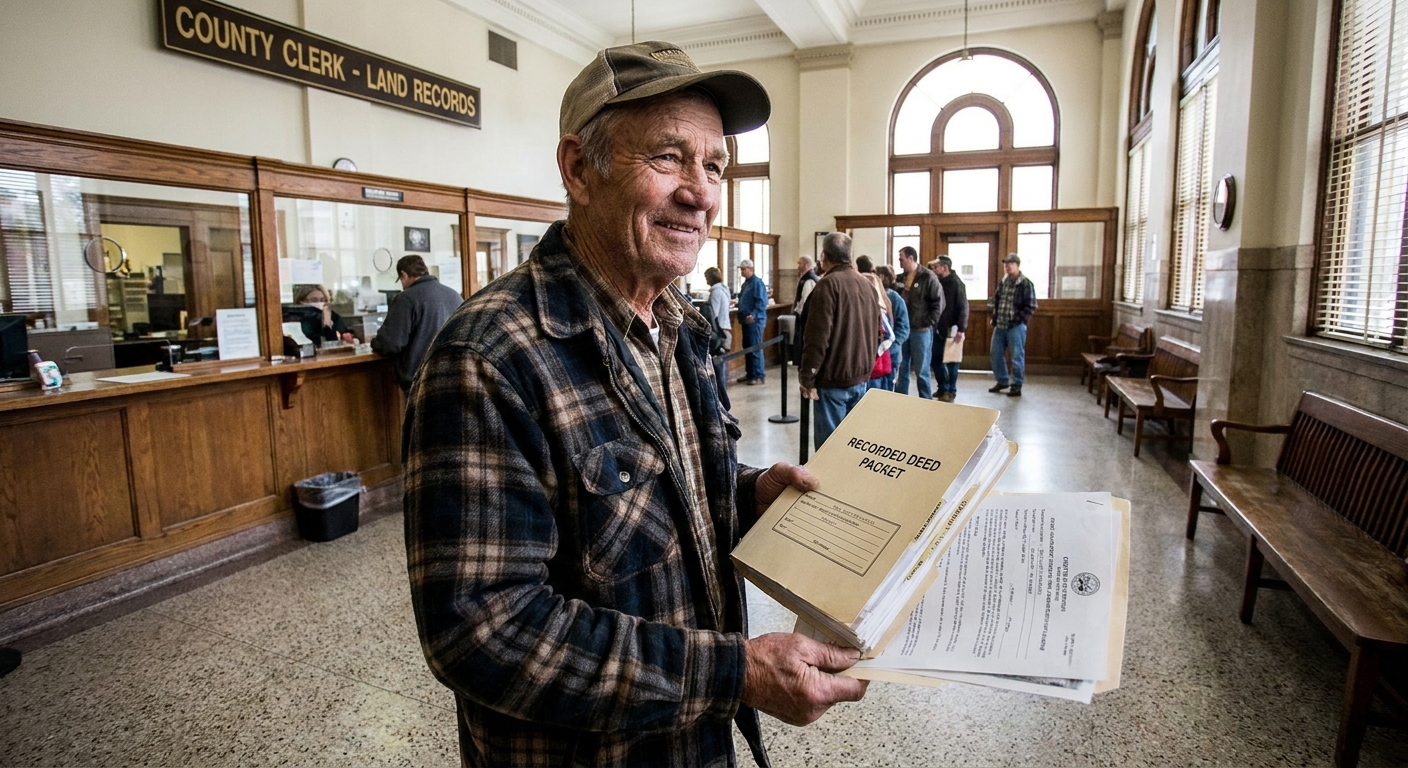
What a title search checks
Before issuing title insurance, a title company or attorney (depending on your state) performs a title search. This is a deep dive into public records to look for anything that could affect ownership rights.
What gets checked
- Chain of title: a history of owners and transfers to confirm each transfer appears valid
- Liens and judgments: unpaid debts that could legally attach to the property
- Property tax status: delinquent taxes, assessments, or special tax liens
- Easements: legal rights for someone else to use part of the property, like utility access or a shared driveway
- Restrictions and covenants: limitations recorded on the property, such as HOA rules or use restrictions
- Legal description: making sure the recorded description matches the property being sold
If the search finds problems, the title company will usually require they be resolved before closing, or they may list exceptions in the policy. In plain terms, those exceptions are items the policy may not cover.
Why lenders require it
Lenders are not trying to be difficult. They are protecting a very large asset: the loan they just gave you.
Even responsible sellers can have title problems without realizing it. A contractor lien could have been filed years ago and never released properly. A prior refinance could have paperwork errors. A deceased owner’s estate could have a missing signature in the chain of title. These issues are not always obvious to the average buyer.
From a lender’s perspective, the question is simple: if a title defect shows up, can they still enforce the mortgage and recover the value of the loan? Title insurance is how they reduce that risk.
Cost and how it shows up
Title insurance pricing varies by state, home price, and the insurer’s rate rules. Some states regulate premiums, while others allow more shopping and variation.
What you usually pay for
- Lender’s title policy premium (commonly required)
- Owner’s title policy premium (often optional)
- Title search and settlement fees (separate from the insurance premium and can include closing or escrow services depending on your state)
How premiums work
Title insurance is typically a one-time premium paid at closing, not a monthly bill. Coverage then lasts as long as you own the home (owner’s policy) or as long as the loan exists (lender’s policy), subject to policy conditions, exclusions, and exceptions. It is generally not meant to cover new issues that arise after closing.
Many title companies offer a discounted owner’s policy when you are buying both policies together, sometimes called a simultaneous issue rate. Translation: it can be cheaper to add the owner’s policy at purchase. Adding it later may not be available, or it may require a new title search and underwriting.
Who pays
Payment customs vary by location. In some areas the seller commonly pays for the owner’s policy, while in others the buyer does. Your purchase contract and local norms drive this, so ask your real estate agent or closing attorney what is typical where you are buying.
If you want a bigger-picture view of how this fits into the rest of your out-of-pocket cash needed at signing, this is one of the closing-cost line items that often surprises buyers because it can be meaningful, but it is not a recurring expense.
Common exclusions
Title insurance can be extremely valuable, but it is not a blanket “everything about the property” policy. Some common items that are often excluded, limited, or only covered with endorsements include:
- Anything listed as an exception in the title commitment or policy (often shown in Schedule B)
- Zoning and land-use rules (unless there is a recorded violation that triggers coverage under your policy terms)
- Environmental hazards and contamination
- Physical condition issues like mold, structural problems, or unpermitted work as a general rule
- Survey and boundary matters (many require a survey and an endorsement to be covered)
If you are unsure what is actually covered, ask the title company to walk you through the specific exceptions and endorsements for your file. That is where the real details live.
Red flags before closing
Most closings go smoothly, but the entire point of the title process is to catch issues before you sign. If any of the items below show up, slow down and ask questions until you understand what is happening and what must be cleared.
Unresolved liens
Liens are one of the biggest “do not ignore” items because they can give a creditor a legal claim against the property. Common examples include unpaid property taxes, contractor or mechanic’s liens, HOA liens, and judgment liens.
If a lien appears, the usual fix is that it gets paid and formally released before closing, often using the seller’s proceeds. Make sure you see confirmation that the lien will be satisfied and released properly.
Easements that limit use
Easements are not automatically bad, but they can impact your plans. A utility easement could restrict where you can build a fence, pool, or addition. A shared driveway easement could affect privacy and future resale questions.
Ask to review the recorded easement documents, not just a summary. If you are unsure, consider consulting a real estate attorney.
Boundary or survey issues
If the legal description, old surveys, or neighbor agreements do not line up, you may have a boundary dispute waiting to happen. In some cases, an updated survey is worth the cost for peace of mind, especially if you are buying acreage, a corner lot, or anything with fences and sheds close to property lines.
Also note that many boundary and encroachment issues are not covered under a basic policy unless you add survey-related coverage.
Gaps in ownership history
Missing deeds, incorrect names, or incomplete estate transfers can create ownership disputes later. A clean chain of title matters.

Is an owner’s policy worth it
This is one of those line items where it makes sense to focus on long-term risk, not just the upfront cost. An owner’s policy is often a one-time premium that can protect you against expensive legal problems.
Whether it is “worth it” depends on your risk tolerance and the property history, but these situations make it especially worth a close look:
- You are buying an older home with a long ownership history
- The home was recently flipped or transferred multiple times in a short period
- There is any history of family transfers, estates, or divorces tied to the property
- You spot red flags in the preliminary title report
- You would struggle to pay for legal defense out of pocket if a claim happened
If you are on the fence, ask your closing professional for the exact premium for the owner’s policy and what endorsements are available, then compare that to the downside risk of a title dispute.
Endorsements and add-ons
Endorsements are optional add-ons that expand coverage for certain risks, and availability varies by state and insurer. Common examples include endorsements related to survey matters, access, and certain HOA or covenant issues.
If something in the title report makes you pause, ask whether there is an endorsement that addresses it and what it costs.
Questions to ask before signing
- Can I see the preliminary title report (or title commitment) and review the exceptions?
- Are there any liens, judgments, or unpaid taxes that still need to be cleared?
- What easements are recorded, and where are they located on the property?
- Do you recommend an updated survey for this property?
- What is the cost difference between lender-only coverage and adding an owner’s policy?
- Are there endorsements available that fit this property, like survey or access related endorsements?
- If there is a claim later, what is the process for notifying the insurer and getting legal defense approved?
Do not feel awkward asking. This is what these professionals do all day.
The bottom line
Title insurance is one of the least exciting parts of buying a home, which is exactly why it is easy to underestimate. A title search helps uncover issues before closing, and title insurance is the safety net for certain problems that still slip through.
Your lender will almost always require a lender’s policy. The owner’s policy is the one that protects you. If you are already stretching to make the numbers work at closing, get the premium quote early so you can plan for it, right alongside the rest of your cash-to-close.