
If credit cards feel less like a tool and more like a trap, you are not broken. You are dealing with a system where many products are optimized to make spending feel frictionless and consequences feel far away. I lived there. I used credit for “temporary” gaps that turned into a permanent lifestyle, and it helped me rack up a debt mountain I had to climb out of.
The goal of this guide is simple: stop adding new credit card debt while aggressively paying off what you already owe. No shame. No weird money Olympics. Just a plan that works in the real world.
Note: This article is educational, not personalized financial advice. If you are unsure what applies to your situation, consider a certified credit counselor or a financial professional.
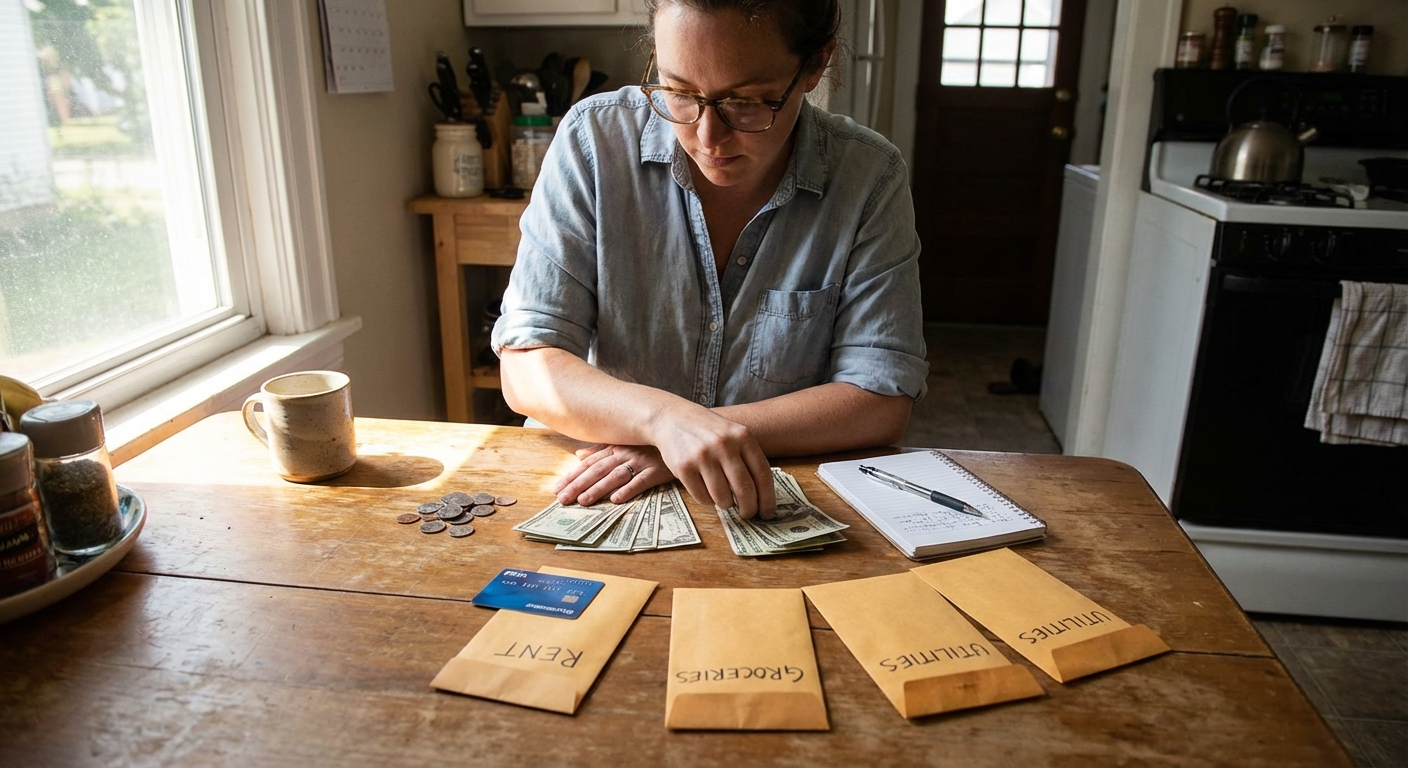
Why quitting is hard
Behavioral finance has a fancy name for what you already feel: research suggests credit cards can reduce the “pain of paying.” Swiping or tapping does not feel like money leaving your life. Add rewards, BNPL offers, and emergency rationalizations, and it is easy to keep charging even when you truly want to stop.
Here are the most common “debt loop” triggers I see (and experienced):
- Timing mismatch: bills hit before payday, so the card becomes the bridge.
- Optimism math: “Next month will be better,” so you borrow from future you.
- Minimum payment illusion: the minimum feels manageable, so the balance feels less urgent.
- Stress spending: small purchases become emotional relief, then regret shows up later.
- Subscription creep: quiet monthly charges that keep the balance from shrinking.
The fix is not just willpower. It is changing the environment so relying on credit becomes inconvenient and relying on your plan becomes automatic.
The rule: no new charges
If you do nothing else, do this first: stop the bleeding. Paying down balances while still charging is like trying to bail out a boat with a hole in it.
Set up your “no new charges” system
- Remove cards from your wallet and store them out of reach (a drawer, a lockbox, or sealed in an envelope).
- Delete saved cards from Amazon, Target, food delivery apps, and browser autofill.
- Turn off one-click checkout and remove Apple Pay or Google Pay for credit cards (keep debit if you must).
- Freeze the cards using your issuer’s app, if available. This is my favorite option because it is reversible and practical.
- Switch your essentials (utilities, insurance, phone) to debit or bank draft so you are not “accidentally” using credit.
If you are worried about emergencies, keep one card accessible but not convenient, and define “emergency” in writing (car repair to get to work, medical expense, urgent travel). “We deserve takeout” is not an emergency. I say that with love.
If you are using cards for essentials because income does not cover basics: this is not a discipline issue. Jump ahead to When to get help, and also look at quick moves like negotiating bills, applying for assistance programs, and asking creditors about hardship options. Your first priority is stability.
Debit-only that works
Going debit-only can feel scary if your budget is not realistic. The key is giving your checking account enough structure so you are not constantly surprised by bills.
Step 1: Pick spending lanes
I like four “lanes” because it is simple:
- Bills: rent or mortgage, utilities, insurance, minimum debt payments
- Daily spending: groceries, gas, household items
- Sinking funds: irregular but predictable costs (car repairs, gifts, vet bills, back-to-school)
- Debt payoff extra: the money that speeds up your payoff plan
Step 2: Protect bill money
If you can, use a separate checking account for bills only. Direct deposit your paycheck there, then transfer a weekly amount to your spending account. This one move can stop overdrafts and “oops” spending.
Step 3: Use weekly limits
Monthly budgets are fine, but weekly limits are easier to live with. Example:
- Groceries: $150 per week
- Gas: $50 per week
- Fun money: $25 per week
If you spend it early, you wait. That is how you retrain the habit and reduce the “just this once” swipes.
Debit safety note
Debit can be a great tool, but fraud protections and cash recovery can be messier than credit. Two guardrails help a lot: keep a lower balance in the spending account, and turn on bank alerts for low balances and large transactions.
Cash or debit?
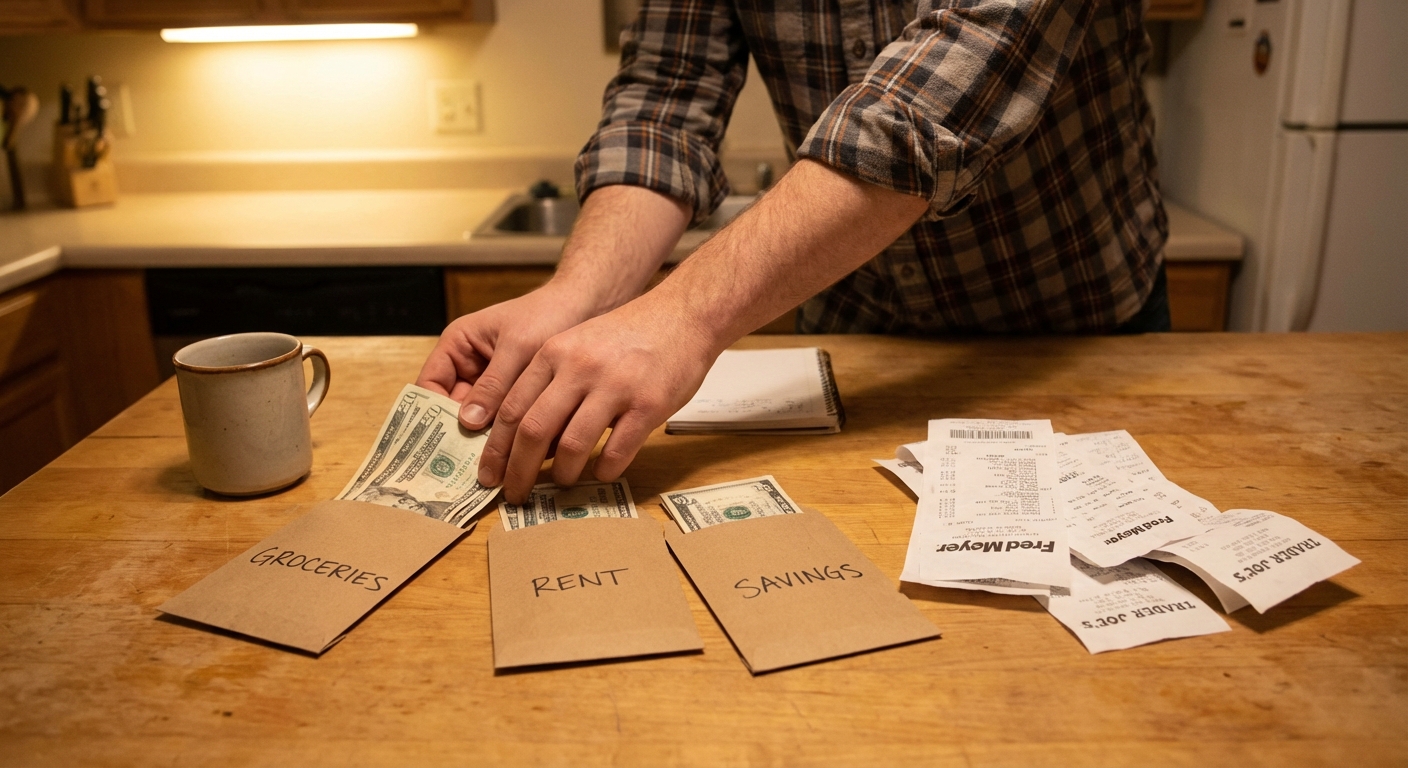
You do not need to become a cash-only person forever. You need a bridge that helps your brain feel the spending again.
Cash envelopes work when
- You keep blowing past grocery or dining budgets.
- You feel like swipes barely register.
- You want instant feedback without checking an app.
Debit-only works when
- You have lots of online bills and subscriptions.
- You travel often or need hotel and rental car holds.
- You are rebuilding after overdrafts and want bank alerts as guardrails.
My personal recommendation for most people: use cash envelopes for your problem categories (usually groceries, dining, and “random Target stuff”) and use debit for everything else.
Replace the credit bridge
A lot of credit card reliance is not about overspending. It is about cash flow. If your bills hit before your paycheck, you need a buffer.
Start with a mini buffer
Start with a $500 to $1,000 mini buffer, or one week of essential expenses if that is more realistic for your household. This is the money that keeps you from swiping when life happens.
- Open a high-yield savings account if you do not already have one.
- Automate a small transfer each payday, even $25.
- Use windfalls (tax refund, bonuses, cash gifts) to get there faster.
Important: while you are building this buffer, keep your debt payoff going. The buffer prevents backsliding, which is what makes payoff plans fail.
Pick a payoff plan
There are two widely used approaches. Both can work. The best one is the one you will do for the next 12 to 24 months without quitting.
Avalanche (fastest on interest)
- Pay minimums on everything.
- Put all extra money toward the highest interest rate card first.
- When it is paid off, roll that payment to the next highest rate.
Snowball (often easiest to stick with)
- Pay minimums on everything.
- Put all extra money toward the smallest balance first.
- Stack wins quickly to build momentum.
Quick example
Say you have three cards and $300 per month extra to throw at debt.
- Card A: $500 at 24% APR
- Card B: $2,000 at 18% APR
- Card C: $4,000 at 29% APR
Avalanche targets Card C first (29%) to reduce interest faster. Snowball targets Card A first ($500) to get a quick win and free up cash flow sooner. Your math and your motivation both matter, so choose the one you will actually follow.
Either way, the big lever is still the same: no new charges plus consistent extra payments.
Protect your credit basics
You do not have to obsess over your credit score while you are getting your life back, but a few basics prevent unnecessary damage.
- Avoid late payments: set autopay for minimums on every card to avoid late fees and credit hits.
- Be cautious about closing cards: closing accounts can raise utilization and shorten credit history. If a card is a temptation, freezing it and removing it from your wallet is often safer than closing it. If it has an annual fee you cannot justify, closing can still make sense.
- Watch utilization while you pay down: as balances drop, your utilization improves. That is one reason “no new charges” is so powerful.
Habits that stick
These are the small moves that keep your plan from collapsing on a stressful Tuesday.
Use a 24-hour rule
If it is not groceries, gas, meds, or a true household necessity, wait 24 hours before buying. Most cravings fade. If it still matters tomorrow, you can plan for it.
Add friction on purpose
- Unsubscribe from retail emails.
- Remove shopping apps from your home screen.
- Log out of store accounts so checkout takes longer.
Name your goal
Not “pay off debt.” Something real: “No more Sunday night anxiety,” “cash-flowed vacations,” “buying a house,” “sleeping like a normal person.” Put it on a sticky note where you pay bills.
Keep a small fun category
Extreme deprivation backfires. Give yourself a small, planned amount of fun money weekly so you do not rebel-spend on credit. Even $10 to $30 can reduce the urge to blow up the plan.
30-day reset
If you want a clear starting point, follow this for the next month.
Days 1 to 3: Guardrails
- Pull credit cards out of your wallet and delete saved cards online.
- List every balance, interest rate, and minimum payment.
- Pick avalanche or snowball.
Days 4 to 10: Cash flow map
- Write down paydays and bill due dates.
- Set weekly spending limits for groceries, gas, and fun.
- Create one sinking fund for the next predictable hit (car maintenance, annual fee, school costs).
Days 11 to 20: Find extra money
- Cancel or pause 2 to 5 subscriptions.
- Negotiate one bill (insurance, internet, phone).
- Sell 5 unused items or pick up one extra shift.
Days 21 to 30: Automate
- Set autopay for minimums to avoid late fees.
- Schedule an automatic extra payment the day after payday.
- Set bank alerts for low balances and large transactions.
By day 30, you should feel two things: fewer surprise money moments and a payoff system that runs even when motivation dips.
If you slip
It happens. The most important skill is recovering fast without spiraling.
- Do not hide it. Log the purchase the same day.
- Pay it off fast from your buffer or spending category if possible.
- Find the trigger: cash flow, stress, convenience, or a real emergency?
- Patch the system: adjust weekly limits, add a sinking fund, or increase your buffer target.
Debt freedom is not about perfection. It is about building a plan that survives normal life.
When to get help
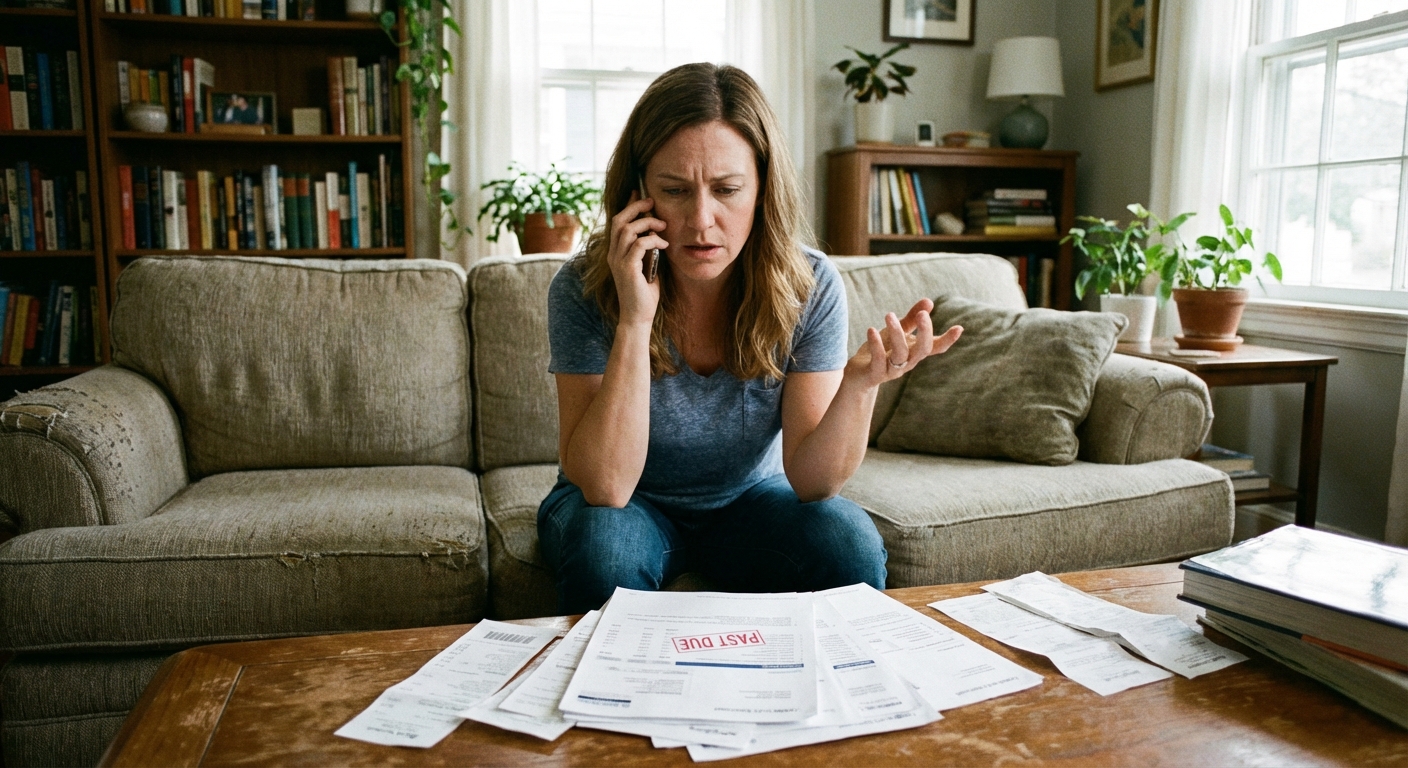
If your interest rates are crushing you or you cannot make minimum payments, getting help is not failure. It is strategy.
- Credit counseling (nonprofit): a debt management plan may reduce rates and create one payment. Vet agencies through the NFCC or FCAA, and ask about fees, timeline, and whether accounts will be closed (often they are, and that can affect credit).
- Hardship programs: some issuers may temporarily lower rates or payments if you ask. Availability varies, but it is worth a call.
- Balance transfers: can work if you stop new spending and can pay it down before the promo ends. Watch for transfer fees (often 3% to 5%), what APR kicks in after the promo, and any terms that could trigger deferred interest (more common on store financing than true 0% cards).
If you are behind on essentials like rent, utilities, or food, prioritize stability first. Credit card payoff is important, but keeping your lights on is more important.
The bottom line
To stop relying on credit cards, you need two things working together: behavioral guardrails that prevent new charges, and a repeatable payoff system that makes real progress every month.
Start small, make it automatic, and focus on consistency over intensity. You do not need to become a penny-pincher. You just need to become the person who spends on purpose, not on plastic.
If you want a hands-on next step, use a reputable debt payoff calculator (avalanche vs snowball) or download a simple payoff worksheet. Plug in balances, APRs, minimums, and your monthly extra payment, then commit to the method you will follow when life gets loud.