
I used to think I was “good at sales.” If the tag was bright red and the percent-off was big enough, I would feel like I just won a small personal finance trophy.
Then I started digging into my credit card statements during my debt payoff and noticed a pattern: I was not saving money. I was spending more, faster, because a deal looked like a deal.
The good news is you can learn to spot fake sales and pricing tricks pretty quickly. You do not need to be a spreadsheet person (I am, proudly). You just need a few habits and a couple of free tools.
Quick note: consumer pricing rules vary by country and state, and what is “allowed” depends on the exact practice. This is practical shopping advice, not legal guidance.
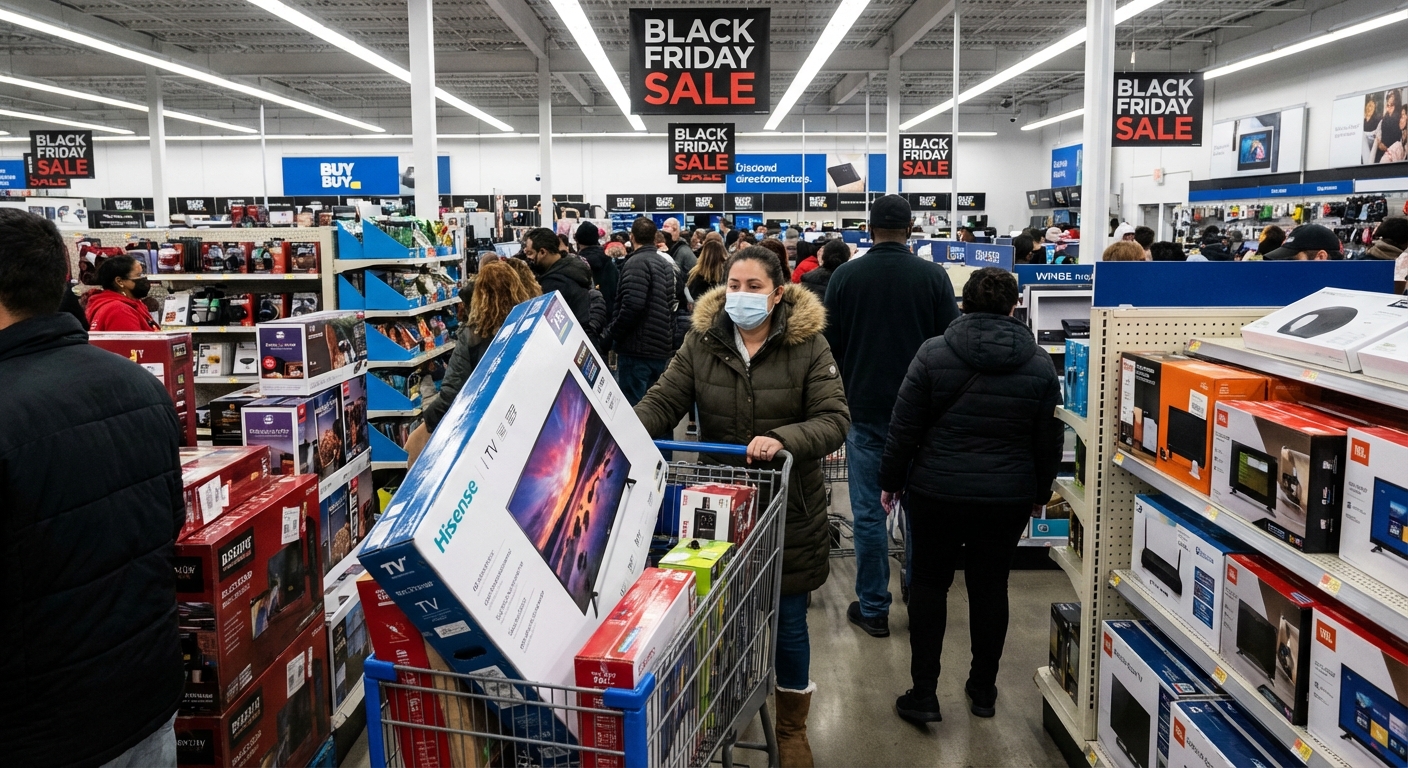
What fake sales look like
Most fake sales are not outright scams. They are pricing tactics designed to make a discount feel larger than it is. They are often legal, but legality and enforcement vary by jurisdiction.
Common versions you will see
- The price bump before the sale: The item can quietly rise in price in the weeks leading up to the event, then “drops” back to normal.
- Inflated reference price: The tag compares today’s price to an “original,” “compare at,” or “list” price that few people actually pay.
- Different model number: A doorbuster (a limited, attention-grabbing deal meant to get you in the door) can be a slightly different version that is hard to price-match.
- Bundle math: “Buy two, get one” that only makes sense if you needed three in the first place.
- Subscription trap: A great intro price that requires auto-renew, then jumps later.
If you remember just one thing, make it this: a real deal is proven by price history, not by the size of the percent-off badge.
Check price history fast
When I am buying anything over about $50, I try to check price history. It takes a minute, and it saves me from the “was this always $39.99?” spiral.
Step 1: Get a baseline
- Search the exact product name plus the model number.
- Check at least 2 other retailers.
- Look at recent sold prices if you are shopping used or refurbished.
Step 2: Use a tracker (especially for Amazon)
Amazon prices move constantly, and the “List Price” you see is not a guarantee of typical selling price. Sometimes it reflects MSRP, a prior price, or a reference price that is mostly marketing. A price history tool is your best friend here.
- Keepa: Shows a detailed price history graph on Amazon product pages (browser extension).
- CamelCamelCamel: Tracks Amazon prices and can send alerts when a product drops.
What I look for: the lowest typical price in the last 90 days. If today’s “deal” is higher than that, it is not a deal. It is a mood.
One nuance: for big-ticket or seasonal items (patio furniture, coats, air conditioners), 90 days can be misleading. If you can, check 6 to 12 months of history.

Extensions that help
Think of browser extensions as little guard dogs for your wallet. Install them once, and they work in the background.
My go-to tools
- Honey: Tries coupon codes at checkout and sometimes offers rewards. Still compare prices, since coupons can distract you from a higher base price.
- Capital One Shopping: Searches for coupon codes and can show better prices elsewhere.
- Rakuten: Cash back portal that can stack on top of sales if you were going to buy anyway.
- Keepa: For Amazon price history right on the page.
Privacy note: coupon and cash back tools may collect shopping and browsing data. If that bothers you, skip them and just use a price history tracker plus manual comparison shopping.
A reality check before you click buy
- Is this the lowest typical price in the last 1 to 3 months (or longer for seasonal buys)?
- Is shipping free, and are returns easy?
- Does cash back change your decision, or does it simply reduce the cost of something you already wanted?
Cash back should be a bonus, not the reason you purchase.
Pricing tricks to watch
Big shopping weekends are basically the Olympics of persuasion. Here are the plays you will see most often.
1) “Was” prices that were never real
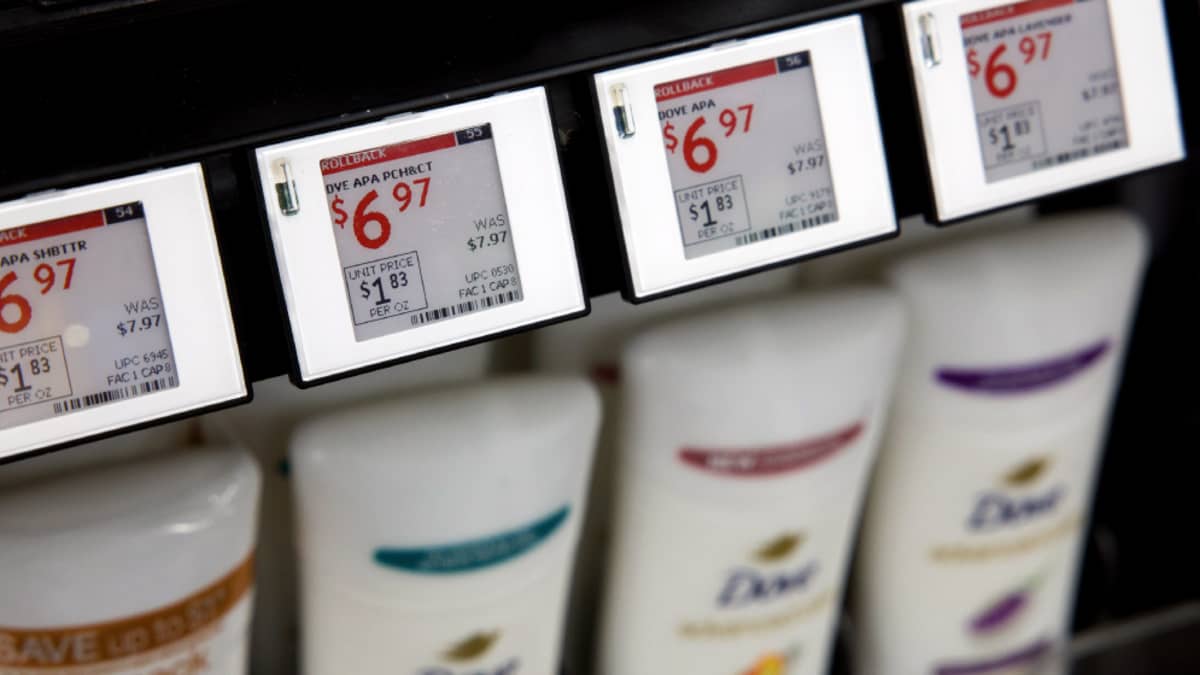
You will see language like “Compare at,” “MSRP,” or “Value.” Sometimes it is legitimate. Sometimes it is a reference point that makes today’s price look heroic.
What to do: Search the item on other sites and check price history tools. If nobody is selling it near the “was” price, treat it as marketing.
2) Doorbusters with different specs
Retailers may sell a special Black Friday version with:
- Less storage or RAM
- A dimmer screen
- Fewer ports or accessories
- Different included coverage, warranty terms, or support arrangements (confirm the details)
What to do: Find the model number in the listing details and Google it. If you cannot locate the same model elsewhere, you cannot truly comparison shop.
3) Urgency cues that rush you
Countdown timers, “Only 2 left,” and “Someone just bought this” are designed to speed you up.
What to do: Pause and do a 3-minute check: open a new tab, search the model number, and confirm typical pricing. If it sells out, that is annoying, but it is also information.
4) “Up to X% off”
“Up to” is the slipperiest phrase in retail. The max discount may apply to one unpopular color in one size.
What to do: Filter to what you would actually buy, then calculate the discount on that item only.
5) Minimum spend thresholds
Offers like “Spend $100, get $20” can be great. They can also nudge you to add extras you did not plan to buy.
What to do: Only use these when your cart was already going to hit the threshold with items you genuinely needed.
6) Price matching that is not what you think
Price matching can be helpful, but policies are full of exclusions. Doorbusters, marketplace sellers, and limited-time promos are commonly excluded. Some retailers also require the exact same model number and seller.
What to do: Before you buy, check the policy and look for the words “exclusions,” “marketplace,” and “promotional pricing.”
Know a real deal in 60 seconds
Here is my quick test. I do this on my phone while standing in a store, and I do it online right before checkout.
The 60-second deal test
- Confirm the exact item: brand, size, model number, and version.
- Check price history: Keepa for Amazon, or search recent prices across the web.
- Compare total cost: include shipping, taxes, and any required add-ons.
- Check seller, warranty, and returns: who is it sold by (especially on Amazon), what coverage is included, and what the return window looks like.
- Ask the one question that matters: “Would I buy this at full price next month if it was not on sale?”
If the answer is no, the discount is not the problem. The purchase is.
Smart strategies for big sales
If you love the thrill of deal-hunting, I get it. I still do. The goal is to channel that energy into a plan that protects your budget.
Create a Buy List and a Maybe List
- Buy List: items you already planned for, with a target price and max spend.
- Maybe List: wants that only happen if the price hits a truly great low.
Set price alerts early
Do this 2 to 4 weeks ahead of Black Friday:
- Add your items to a tracker (Keepa or CamelCamelCamel for Amazon).
- Set your target price.
- Let the alert, not the advertising, tell you when it is time.
Stack discounts the right way
When it makes sense, you can layer:
- Sale price
- Coupon code
- Cash back portal
- Credit card offers (check your card’s app)
Rule of thumb: stacking is great for planned purchases. Stacking is dangerous for impulse buys.
Red flags to stop
- You cannot find the model number anywhere in the listing.
- The return policy is restrictive or return shipping is expensive.
- Reviews look off (repetitive language, sudden surge of 5-star ratings).
- The deal requires a subscription and the renewal price is unclear.
- You are buying because you feel pressure, not because it solves a real need.
My personal rule: if I feel rushed, I slow down on purpose.
A simple Black Friday plan
If you want something easy and realistic, here is a plan that works for a lot of households.
One week before
- Pick 3 to 5 items you actually need.
- Write down your target price and your walk-away price.
- Set price alerts.
During the sale
- Run the 60-second deal test.
- Buy only from your Buy List unless a Maybe List item hits your target price.
- Screenshot the listing and return policy in case anything changes later.
After the sale
- Watch for price drops during the return window.
- Request a price adjustment if the retailer offers it (and check for Black Friday and promo exclusions).
- Unsubscribe from marketing emails that trigger impulse buys.
That last one is underrated. Your inbox can be a spending trigger.
Bottom line
Retailers are excellent at making you feel like you are saving money. Your job is to calmly verify it.
If you check price history, confirm model numbers, and use a couple of tools (or just a couple of tabs), you will spot the fake sales fast. Then you get to do the best kind of flex: buying what you need at a fair price and keeping the rest of your money.
If you want a one-sentence mantra for shopping season: Do not chase discounts. Chase value.