
A HECM reverse mortgage can feel like relief because you are not making a required monthly mortgage payment. But there is a trap that catches a lot of homeowners: you still have to pay your property taxes, homeowners insurance, and keep the home in decent shape. If those property charges fall behind, your reverse mortgage can go into default even while you still occupy the home as your principal residence.
When I was digging out of debt years ago, one of the biggest lessons I learned was this: the bills you forget are often the ones that do the most damage. Property taxes and insurance are exactly that kind of bill. Let’s walk through what counts as default on a HECM, what the lender has to do, how you can cure it, and when the loan can be called due.
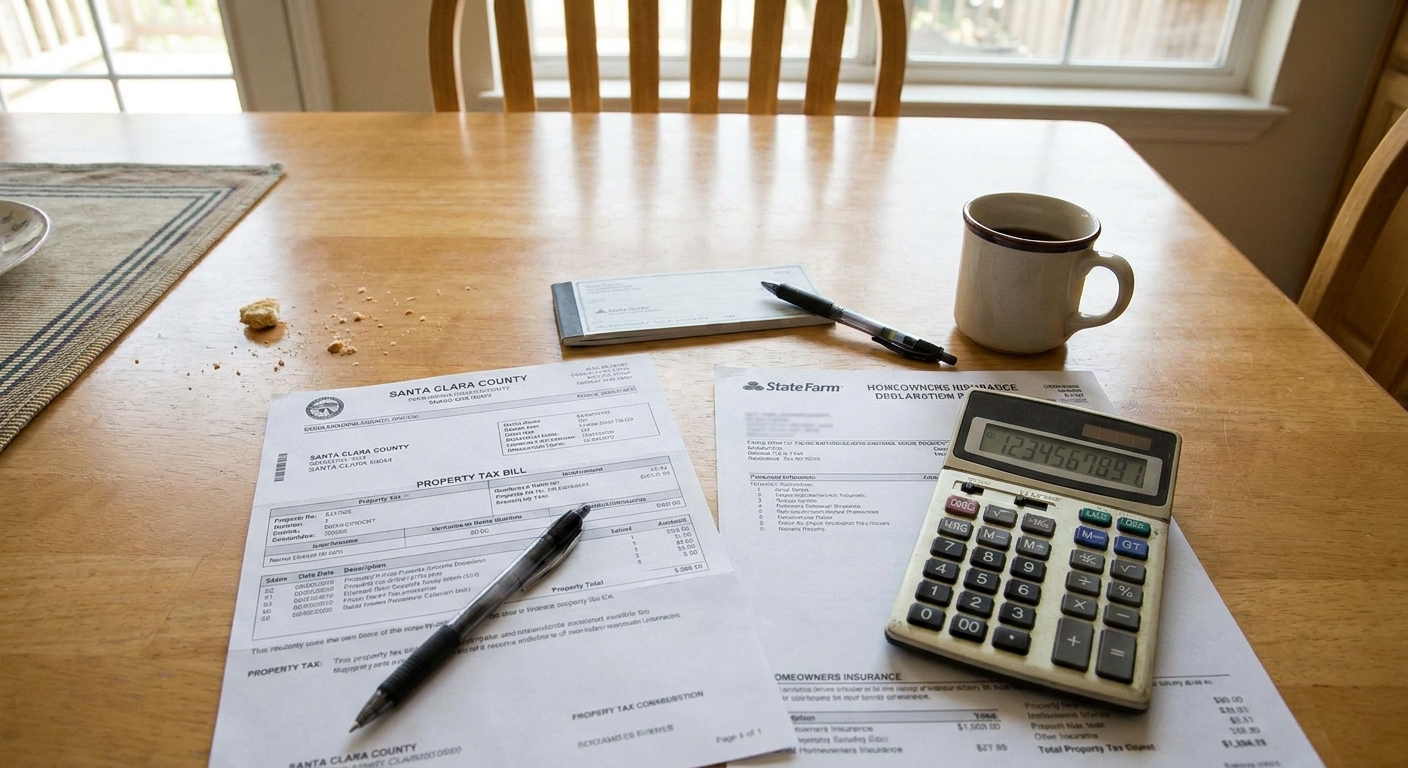
What triggers default on a HECM
A HECM is insured by the FHA and has rules that are different from a normal mortgage. The big thing to know is that the loan stays in good standing as long as you meet the ongoing obligations, sometimes called the loan covenants.
Common reasons a HECM can go into default while you are still living in the home include:
- Unpaid property taxes (county or city taxes, and sometimes special assessments depending on your locality)
- Lapsed or unpaid homeowners insurance (hazard insurance is required; flood insurance is required if the property is in a designated flood zone)
- Unpaid HOA dues or condo fees when the property is in an association
- Unpaid ground rent in areas where that applies
- Failure to occupy the home as your principal residence (for example, extended absences beyond what FHA rules and your loan terms allow)
- Serious property neglect that violates the requirement to maintain the home
This article is focused on property charges because they are the most common surprise. If you want the big picture of how a HECM works when everything is current, see our explainer: HECM Reverse Mortgages Explained.
Occupancy rules in plain English
Most borrowers understand, “I have to live here.” The part people miss is the absence rule. FHA rules and your loan terms generally allow temporary absences, but not open-ended ones.
- Short trips are usually fine if the home remains your principal residence.
- Long medical stays have limits. A commonly cited guideline is that if the last remaining borrower is in a hospital or nursing facility for more than 12 consecutive months, the loan can become due and payable. Servicers still look at the facts and documentation, so confirm your specific requirements with your servicer.
If you are going to be away for an extended time, do not guess. Call the servicer, explain the situation, and ask what they need in writing.
Why unpaid taxes or insurance is a big deal
Your lender is not being picky for fun. Property taxes and homeowners insurance protect the collateral, which is your home.
- If property taxes are not paid, the county can place a lien on the property and eventually pursue a tax sale or its own foreclosure process depending on state law.
- If insurance lapses and the home burns down or is damaged, the value backing the reverse mortgage can evaporate.
Those are separate risks that can pile up fast: the tax authority has its own powers, and your reverse mortgage servicer has its own default process.
Because of that, the reverse mortgage servicer monitors taxes and insurance. Some borrowers pay these directly. Others have a Life Expectancy Set-Aside (LESA), which is money carved out of the reverse mortgage proceeds to pay future property taxes and homeowners insurance on their behalf.
A LESA can reduce the risk of default, but it does not always eliminate it. Two key things to know:
- A LESA typically covers property taxes and required hazard insurance (and flood insurance if required). It usually does not cover HOA dues, condo fees, most special assessments, or other property-related bills.
- Shortages can still happen if bills come in higher than expected, coverage changes, or a charge falls outside what the set-aside pays.
How the default process works
Exact timelines can vary by servicer and state process, but the general path looks like this:
1) The servicer discovers the unpaid charge
They may learn from a tax authority notice, an insurance cancellation notice, or their own verification checks.
2) You get a written notice and a chance to fix it
HECM servicing rules require the lender or servicer to notify you of the problem and give you time to resolve it. In plain English, this is your cure period, meaning time to catch up before the servicer can take stronger action.
Do not ignore these letters. Even if you cannot pay the full amount immediately, the fastest way to protect yourself is to contact the servicer and ask about options.
3) The servicer may advance funds, but it is not guaranteed
Sometimes, the servicer will pay the delinquent taxes or insurance to stop the situation from spiraling, then add that amount to your reverse mortgage balance. This is not free money. You are essentially borrowing more under the reverse mortgage to cover the charge.
But an advance is not automatic. It depends on factors like available funds under your principal limit and the servicer’s policies. In other cases, the servicer may require you to cure the delinquency directly. If the problem keeps recurring, the servicer can move into HUD property charge loss mitigation steps or toward calling the loan due.
4) The loan can become due and payable if the default is not resolved
If the default is not cured, the servicer can start the process to call the loan due even if you still live in the home. At that point, you are no longer dealing with a minor paperwork issue. You are dealing with an accelerated loan balance that may require repayment or a sale of the property.
When a HECM is called due
Many people assume a reverse mortgage can only come due when the borrower dies. That is not true. A HECM can be called due when a due-and-payable event happens, sometimes also described in the industry as a maturity event, such as:
- You permanently move out or stop using the home as your primary residence
- You do not keep property charges current (taxes, insurance, HOA dues, and similar obligations)
- You fail to maintain the property
If the loan is called due because of unpaid taxes or insurance, the servicer will generally require the default to be cured and the loan brought back into compliance, or they may require the loan to be paid off. If you cannot do that, it can lead to foreclosure.
Important: “Called due” does not always mean you are out tomorrow. It means the servicer is allowed to begin the process to require payoff, which can include foreclosure if the situation is not resolved. The earlier you engage, the more options you tend to have.
How to cure a property charge default
Curing the default means fixing what is behind and proving you are back in compliance.
Option 1: Pay the taxes or insurance in full
This is the cleanest cure. If you can pull the money from savings, family help, or another source, you stop the bleeding immediately.
Option 2: Ask about a repayment plan or extension
If you cannot pay the full amount at once, ask the servicer whether a repayment plan or extension is available under HUD property charge loss mitigation options. These are real options in many cases, but they are not as one-size-fits-all as a typical forward mortgage plan. The servicer will tell you what is allowed and what documentation they need.
Be ready to discuss:
- How much is past due and any penalties
- What you can pay monthly
- How you will prevent a repeat default next year
This is also where budgeting matters. If your annual tax bill is $3,600, you need roughly $300 per month set aside. That is boring math, but it is foreclosure prevention math.
Option 3: Use available HECM funds (if possible)
If your reverse mortgage still has available funds, the servicer may be able to advance money to pay the past-due amount. This adds to your loan balance and reduces what is available later, but it can keep you housed.
Option 4: Work directly with the tax office or insurer
If you are behind on property taxes, call your county treasurer or tax office and ask whether they offer payment plans or hardship options. If your insurance is behind or cancelled, call the insurer to reinstate or replace the policy as fast as possible. Then coordinate with your servicer so everyone is working off the same plan and dates.
Option 5: Apply for property tax relief or assistance
This will not fix an immediate default by itself, but it can make future bills manageable.
- Many counties have senior tax exemptions, tax deferral programs, or homestead reductions.
- Some states and nonprofits have limited assistance programs for older homeowners.
Get help and avoid scams
If you are behind and overwhelmed, consider talking to a HUD-approved housing counselor. They can help you understand your letters, your options, and what to ask your servicer. If someone other than your servicer contacts you offering to “save” your reverse mortgage for an upfront fee, slow down. Distressed homeowners are often targeted, and the safest first calls are to your servicer and a HUD-approved counselor.
How to prevent it from happening again
Reverse mortgage defaults often repeat because the underlying cash flow problem never got fixed. Here are a few prevention moves that are realistic for normal households.
Automate what you can
- Set monthly transfers to a dedicated “Taxes and Insurance” savings bucket.
- If your insurer allows it, switch to monthly premiums instead of one large annual bill.
Do a once-a-year property charge checkup
Pick one month, I like January because it feels clean, and review:
- Last year’s property taxes and the new estimate
- Insurance renewal premium and deductible
- HOA dues changes
- Whether your home is still properly insured for rebuilding costs
Keep your mailing address and phone number updated with the servicer
A lot of trouble starts with “I never got the letter.” Even if you prefer email, make sure your official contact info is correct. If you have a trusted family member helping you, ask the servicer what permission forms are needed so they can speak with them.
If money is tight, treat property charges like rent
I know that sounds harsh, but it is the mindset shift that helps. You can cut subscriptions, negotiate phone bills, even pause extra principal payments on other debt. But if you do not pay taxes and insurance, your home is at risk.
FAQs
Can my reverse mortgage company really foreclose if I miss property taxes?
Yes. If property taxes are not paid and the default is not cured, the servicer can call the loan due and payable and may ultimately begin foreclosure proceedings, even if you are still living in the home.
What if I have a LESA set-aside? Am I safe?
A LESA helps because it is designed to pay property taxes and required hazard insurance (and flood insurance if required) from your reverse mortgage proceeds. But issues can still happen, such as a higher-than-expected bill, a coverage gap, or a charge the set-aside does not cover, like HOA dues. Always confirm what the servicer is paying and what you are responsible for.
If my loan is called due, do I have to move out immediately?
Not usually immediately, but the timeline can move quickly once the loan is due and payable. Contact the servicer right away, ask what cures or loss mitigation options are acceptable, and get everything in writing.
Does the same “due and payable” rule apply after the borrower dies?
Yes, but the process and options for heirs are a little different. If you are planning ahead for your family, read: What Happens to a Reverse Mortgage When the Borrower Dies.
My best advice if you are behind now
If you take nothing else from this, take this: do not wait for the next letter. Call your reverse mortgage servicer, tell them you want to cure the default, and ask what documentation they need and what timeline you are working under.
Then, in the same week, contact the tax office or your insurance company and get exact payoff amounts. Once you know the real number, you can decide whether you can pay it, need a repayment plan or extension, or need outside help. That is the path from panic to a plan, and it is how you protect the roof over your head.