
If you are working toward Public Service Loan Forgiveness (PSLF), this is one of those rare student loan updates that is actually simple: a major attempted rewrite of who counts for PSLF got knocked out in court, and the government later walked away from its appeals. That keeps the long-standing PSLF framework in place for borrowers pursuing forgiveness.
And as someone who has lived under the stress of big monthly payments, I know how much rule uncertainty messes with your sleep. When the rules stabilize, you can get back to the part that really matters: stacking qualifying payments until you hit 120.
What happened (timeline)
Here is the timeline that matters if you are tracking PSLF:
- October 2025: The administration finalized a rule that would have allowed the Education Department to deny PSLF eligibility to employees based on whether their organization was deemed to have a “substantial illegal purpose.” The criteria swept in broad categories of activities, including providing gender transition care to minors, assisting undocumented immigrants, or engaging in certain DEI initiatives.
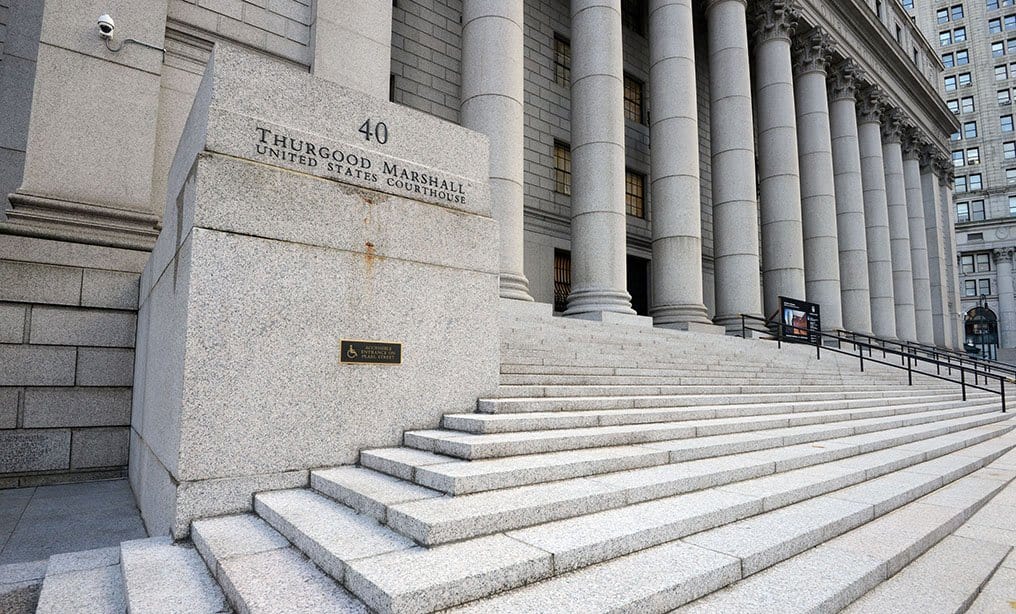
- June 30, 2026: Federal judges struck the rule down just hours before it was scheduled to take effect on July 1, 2026. The courts ruled the administration exceeded its statutory authority and violated the First Amendment. One of the judges involved was U.S. District Judge Myong J. Joun.
- October 21, 2026: In single-sentence joint stipulations, the Department of Justice voluntarily dismissed its appeals in both the First Circuit and the D.C. Circuit.
One detail that is easy to miss but huge in practice: because of federal regulatory “master calendar” rules, the earliest the department could try again with a replacement rule is July 1, 2028.
Why this matters
PSLF is supposed to be predictable: you work in public service, you make qualifying payments, and after 120 payments the remaining balance can be forgiven. The blocked rule would have created a new layer of risk where a borrower could do everything right, but still be told their employer does not count due to an agency determination about the organization’s purpose.
With the rule vacated and the appeals dropped, PSLF returns to the basics. That matters if you are building your plan around a decade of payments and you cannot afford a moving target.
PSLF rules right now
Since the attempted restrictions were permanently vacated, the original bipartisan PSLF structure remains unchanged. Here are the two buckets I would focus on: employer eligibility and qualifying payments.
1) Employer eligibility
Your employer qualifies based on its tax status or organizational category, not on political advocacy or an ideological mission. The main qualifying employer types include:
- Government employers: Federal, state, local, or tribal government agencies (including the U.S. military), plus public schools and public universities.
- 501(c)(3) nonprofits: Any organization recognized as tax-exempt under 501(c)(3).
- Some other not-for-profits: Certain private, non-501(c)(3) organizations that provide qualifying public services like emergency management, public safety, or public health.
Not eligible under the existing rules: labor unions, partisan political organizations, and for-profit companies.
2) Payments that count toward 120
PSLF forgiveness happens after 120 qualifying payments. In plain English, your payments need to check these boxes:
- Repayment plan: You generally need to be in a qualifying plan, primarily an Income-Driven Repayment (IDR) plan.
- Loan type: Only Direct Loans are eligible. If you have FFEL or Perkins loans, you have to consolidate into a Direct Consolidation Loan first.
- Employment status: You must work full-time for a qualifying employer (defined as averaging at least 30 hours per week) when you make each payment and again when you apply for final forgiveness.
What I’d do this week
When news breaks like this, it is tempting to just feel relieved and move on. Relief is good. But PSLF is paperwork-heavy, and your best protection is staying current and documented.
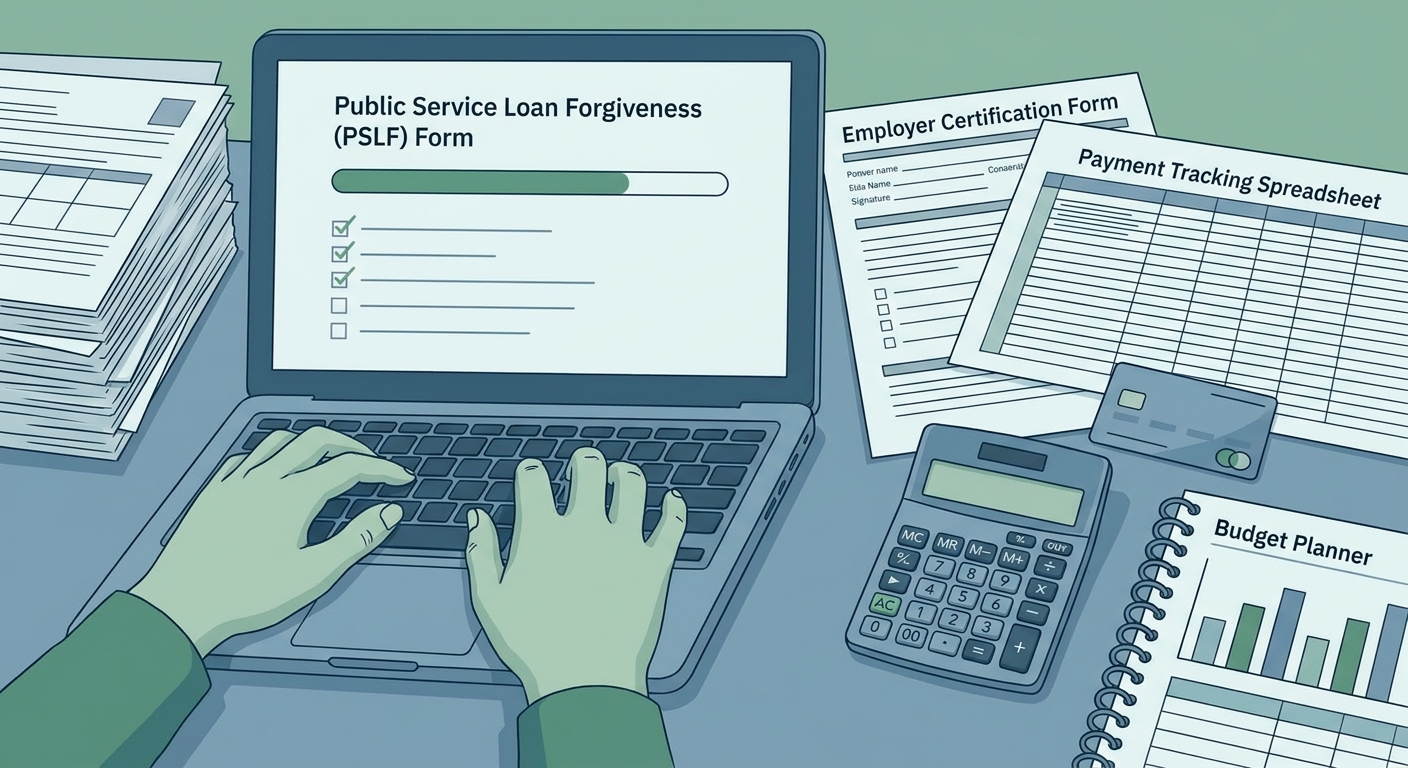
- Verify your employer(s) now: Use the Federal Student Aid PSLF Help Tool to confirm your current and past employers.
- Check your qualifying payment count: Log into your Federal Student Aid dashboard and review your payment tracker. If you see missing months, submit an employment certification for that specific time period.
- Certify every year: Submit a digital PSLF form annually or any time you change jobs. Waiting until year 10 can turn into a scavenger hunt for signatures and HR contacts that no longer exist.
Bottom line
The courts blocked the Education Department’s October 2025 attempt to limit PSLF based on an employer’s alleged “substantial illegal purpose,” and the Justice Department dropped its appeals on October 21, 2026. That means the traditional PSLF playbook is still the one to follow, and the earliest a replacement rule could be attempted is July 1, 2028.
Take the win, then do the unglamorous part: confirm your employer, confirm your counts, and certify annually. That is how you keep 10 years of public service from turning into a 10-year surprise.