
If you are reading this with that tight-in-the-chest feeling because you missed private student loan payments, you are not alone. I have been in the “avoid the inbox” phase of debt before. The good news is that private student loan default follows a pretty predictable pattern, and you usually have more options than it feels like in the moment.
This guide is about private student loans only (Sallie Mae, SoFi, Earnest, College Ave, bank or credit union loans, and similar). Federal student loans have totally different rules like rehab and IDR plans. If you are unsure what you have, check your loan servicer name on your credit report or look for your federal loans at StudentAid.gov.

Private vs federal default: key differences
When people search “student loan default,” a lot of what they find is federal-focused. Private loans are more like other consumer debt, with a few student-loan-specific twists.
- No federal safety nets by default: There is no standard income-driven repayment or federal rehab program for private loans.
- Collections can move fast: Private lenders and their collectors can escalate to charge-off and lawsuits based on the contract and state law.
- Wage garnishment is not automatic: Private lenders typically need to sue you and win a court judgment before they can garnish wages or levy a bank account. (Federal loans can garnish administratively in many cases.) Post-judgment tools, limits, and exemptions vary a lot by state.
- Hardship help is lender-specific: Forbearance, interest-only plans, and modification programs vary widely.
- Cosigners are usually on the hook: If you have a cosigner, they can be pursued as soon as you are delinquent or in default.
Default timeline (typical path)
Every contract is a little different. Some private loans define default sooner or later than others (and some have extra triggers like bankruptcy filings or misrepresentation). Still, here is the common sequence.
1) Day 1 to 30: Delinquency starts
The moment you miss a payment, you are delinquent. You may see late fees and increased calls, texts, emails, and mailed notices. Many lenders offer a short grace period for late fees, but that is not the same thing as being current.
2) 30 to 90 days: Credit reporting and escalation
Most lenders begin reporting late payments to the credit bureaus once you are 30 days past due. A 60- or 90-day late is even more damaging. If you have a cosigner, they are likely being contacted too.
3) 90 to 180 days (sometimes earlier or later): Default and possible charge-off
Many private student loans treat you as in default after a set number of missed payments. You will often hear ranges like 90 to 180 days, but the only “correct” answer is what your promissory note says. Some lenders then charge off the account after extended nonpayment (commonly around 180 days in consumer credit, but not a universal rule for private student loans). Charge-off does not mean forgiven. It usually means the lender is treating it as a loss for accounting and may transfer or sell it to collections.
4) After default: Collections, legal review, and possible lawsuit
Once in default, you may face:
- Accelerated balance: The lender may demand the full balance immediately, not just past-due payments.
- Collection fees and attorney fees: These can be added depending on your contract and state rules.
- Third-party collection agencies: Calls and letters often increase.
- Settlement offers or payment plans: Sometimes these appear early, sometimes only after months.
- Lawsuit risk: If you have income or assets, lawsuits become more likely.
What collectors can and cannot do
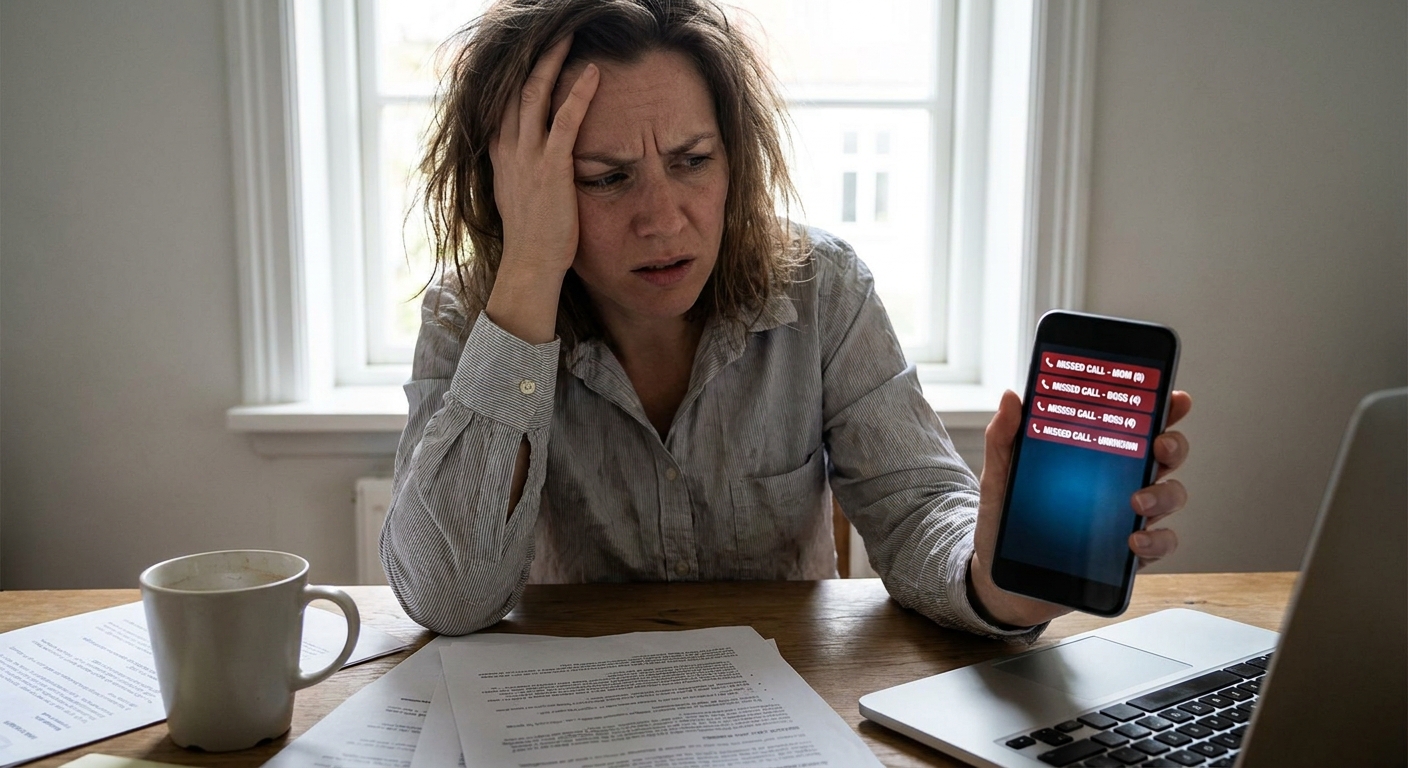
Collectors can be aggressive, but they have boundaries. Under the federal Fair Debt Collection Practices Act (FDCPA), third-party debt collectors generally cannot harass you, threaten you with things they cannot legally do, or call at unreasonable times. Some states also have extra protections (“mini-FDCPA” laws). And the FDCPA rules for calls, texts, emails, and voicemails are now shaped by Regulation F, the CFPB’s FDCPA implementation rule.
They can
- Call, email, text, or mail you to request payment (within legal limits)
- Report the debt to credit bureaus
- Offer payment plans or settlements
- Sue you to collect (if within the statute of limitations)
They generally cannot
- Threaten arrest over consumer debt
- Contact you at work if you tell them you cannot receive calls there
- Discuss your debt with others (with limited exceptions)
- Garnish wages without a court judgment (for private loans in most cases)
One nuance that matters: the FDCPA usually applies to third-party collectors, not the original creditor collecting under its own name. But it can get complicated with servicers, assignees, and companies collecting under a different name. If you are not sure who you are dealing with, treat it as a “it depends” situation and consider getting advice.
If you believe a collector is violating the rules, you can also file a complaint with the Consumer Financial Protection Bureau (CFPB) at ConsumerFinance.gov.
If you want fewer calls, you can ask for communication in writing. (A full cease-and-desist can limit contact, but it can also push a collector toward legal action, so it is something I would think through before using.)
Lawsuit risk: what to expect
The biggest “what happens next” fear is getting sued. Not every private loan goes to court, but it is common enough that you should plan like it is possible.
Factors that raise lawsuit risk
- Larger balances (especially tens of thousands)
- Clear ability to pay (steady income, home equity, visible assets)
- Older default (months or years with no resolution)
- No communication (it signals you will not negotiate)
- Cosigner presence (more targets for collection)
If you are sued, the stages are usually
- Complaint and summons served: You receive legal papers. Do not ignore these.
- Answer deadline: Often 20 to 30 days depending on your state. Missing it can lead to a default judgment.
- Negotiation or litigation: Many cases settle once you respond.
- Judgment: If the lender wins, they can use legal tools like wage garnishment or bank levy (rules vary by state, and some states restrict wage garnishment).
If you get court papers, it is worth talking to a consumer attorney in your state. Many offer low-cost consultations, and some FDCPA cases allow attorney fees to be paid by the collector if laws were broken.

How default hits your credit
Private student loan default can hurt your score in multiple ways, and the damage tends to compound.
- Payment history: 30/60/90-day lates are major negative marks.
- Default or charge-off: A charge-off is a serious derogatory item.
- Collections tradeline: If sold or placed with a collector, you may see a separate collection account.
- Higher utilization and fewer options: Your overall credit profile can tighten, making it harder to refinance or get a decent car loan or apartment.
Negative items can typically remain on your credit report for about seven years. For charge-offs and collections, the clock is usually anchored to the date of first delinquency that led to the charge-off. Late payment marks also generally age off on a similar timeframe. The main point: the sooner you stabilize the account, the sooner the story on your report starts moving in a better direction.
Your options before and after default
When your loan is private, the “best” option depends on your income stability, balance size, cosigner situation, and whether a lawsuit feels likely. Here are the realistic paths.
1) Ask for a hardship plan
Private lenders sometimes offer temporary relief, especially if you call before the account is far behind.
- Short-term forbearance (payments paused, interest often keeps accruing)
- Interest-only payments for a period
- Reduced payment plans (temporary)
- Due date changes to align with paydays
When you call, be specific: “I can pay $___ per month for the next ___ months, then I can re-evaluate.” Lenders respond better to a plan than a plea.
2) Negotiate a payment arrangement
Even after default, you may be able to set up a monthly payment plan. Get key terms in writing, especially:
- Monthly amount and due date
- Interest rate during the plan
- Whether the account will be reported as current after a trial period (if applicable)
- Whether collections activity will pause
3) Consider settlement (lump sum or structured)
Settlement means the lender agrees to accept less than the full balance to resolve the debt. This is often most realistic after default or charge-off, but timing varies.
Settlement vs negotiation
- Negotiation usually means adjusting payments or terms so you repay most or all of what is owed.
- Settlement means you pay less than the full amount in exchange for closing the account.
Important settlement cautions:
- Get it in writing before paying, including that the payment satisfies the debt.
- Ask how it will be reported to credit bureaus (often “settled” or “paid settlement”).
- Tax risk: Forgiven debt can sometimes be taxable as income (cancellation of debt). There are exceptions, including insolvency, and rules can change, so confirm with a tax pro.
- Cosigner impact: Make sure the settlement releases the cosigner too.
4) Refinance (if you still qualify)
If you are already in default, refinancing is usually off the table. But if you are early delinquent and can catch up quickly, refinancing can sometimes lower your rate and payment. This is only smart if it improves the math without extending your payoff into “forever.”
5) Work with a consumer attorney
If you are facing aggressive collections, possible lawsuit, or confusing ownership (who actually owns the loan now), a consumer attorney can help you:
- Evaluate defenses if sued
- Negotiate with legal leverage
- Spot illegal collection tactics
- Push for better settlement terms
Debt validation: confirm it is accurate
When a third-party collector contacts you, you generally have the right to request validation. This is not a magic erase button. It is a way to force the collector to show they have the right person, the right amount, and the right paperwork.
How to do it
- Ask in writing for debt validation within 30 days of receiving the collector’s validation notice. Keep copies.
- Request key details: original lender, current owner, account number, current balance, interest rate breakdown, and documentation tying you to the debt.
- Pause and review what they send back. Look for wrong amounts, missing ownership chain, or identity errors.
If something is wrong, you can dispute with the collector and also dispute inaccurate credit reporting with the credit bureaus. If you are not sure what you are looking at, this is a good point to bring in a consumer lawyer or nonprofit credit counselor.

Statute of limitations: lawsuit clock
Each state has a statute of limitations for suing over a debt, and it can vary based on the type of contract and other factors. Once it expires, you may still owe the debt, but the lender may be time-barred from winning a lawsuit to collect it.
Two big warnings:
- Do not guess your statute of limitations. It is state-specific and fact-specific.
- Be careful about restarting the clock. In some states, making a payment or acknowledging the debt in writing can restart the limitations period.
If your debt is older and you are being threatened with a lawsuit, it is worth getting legal advice before you send money.
Bankruptcy: when it might help
Most people have heard “student loans cannot be discharged in bankruptcy.” The reality is more nuanced.
Private education debt can be different
Many student loans require an extra step in bankruptcy called an adversary proceeding, where you argue “undue hardship” under the test used in your jurisdiction. That is not easy, but it is not impossible either, and the landscape has been evolving.
Also worth knowing: not every debt that looks like a “private student loan” is automatically treated the same. Some private education debts may not qualify as a protected “student loan” under bankruptcy rules depending on how they were originated and used. That classification question is one of the reasons a bankruptcy attorney can be so valuable here.
When to at least talk to a bankruptcy attorney
- You have large private balances and limited earning capacity
- You have serious medical issues or long-term disability
- You are facing lawsuits or judgments you cannot realistically pay
- You have multiple debts and need a full reset, not just a student loan fix
Even when the education debt is not discharged, bankruptcy can sometimes help by clearing other debts so you can afford a student loan plan, or by pausing collections through the automatic stay. A local attorney can explain what is realistic in your situation.
Cosigners: protect the relationship
If you have a cosigner, default is a two-person problem. Their credit can be damaged by your missed payments, and they can be sued too.
If you can, loop them in early. The goal is not to create panic. It is to prevent surprise collection calls and to coordinate a strategy like hardship plans, a refinance (if feasible), or a negotiated payment arrangement.
A simple action plan
If you feel frozen, here is a simple sequence that creates momentum without pretending this is easy.
- List every private loan: lender, servicer, owner (if known), balance, interest rate, cosigner, and current status (current, 30 days late, etc.).
- Check your budget for a real number: what you can pay monthly without skipping rent, food, or utilities.
- Call the lender or servicer and ask for hardship options and the exact default definition in your promissory note.
- Gather your documentation (if you are requesting hardship or negotiating): recent pay stubs, a basic expense list, proof of hardship (job loss letter, medical bills), and any prior lender emails or letters.
- Document everything: date, name, what was offered, and what you agreed to.
- If in collections, validate and control communication: send a validation request, keep things in writing when you can, and do not give direct access to your bank account.
- If lawsuit risk is rising, get legal advice before you miss deadlines or agree to terms you cannot keep.
- Choose one path: hardship plan, negotiated payment plan, settlement strategy, or legal route. Then focus on consistency, not perfection.
If you are behind, your biggest advantage is taking control of the timeline. Silence makes lenders assume you are unreachable. A plan, even a small one, changes the conversation.
What to avoid
- Ignoring court papers (this is how default judgments happen)
- Giving collectors direct access to your checking account (use controlled payment methods)
- Relying on verbal promises without written confirmation
- Stopping all communication if you have a cosigner who is being contacted
- Settlement companies that demand big upfront fees without clear deliverables
- Scams and fake “relief” offers: anyone promising instant forgiveness, pressuring you to pay by gift card or wire, or telling you to stop communicating with your lender without a clear plan
FAQ
How long until a private student loan is in default?
It depends on your promissory note. Many private lenders define default after multiple missed payments (often somewhere in the 90 to 180 day range), but there is no single rule. Ask your servicer for the exact definition in your contract.
Can they garnish my wages for a private student loan?
Usually not without a court judgment. Private lenders generally must sue you and win before they can garnish wages, levy a bank account, or place a lien. State rules vary, including limits and exemptions.
Should I settle a private student loan?
Settlement can make sense if you have access to a lump sum or you are trying to prevent a lawsuit, but it can affect your credit and may have tax consequences. Always get the terms in writing before paying, and confirm the cosigner is released if you have one.
Will paying collections remove it from my credit report?
Not automatically. Paying is still a good step, but removal depends on the creditor or collector and the credit bureau reporting rules. You can ask if they will request deletion, but do not assume.
When to get help
If any of these are true, consider professional support:
- You received a summons or lawsuit notice
- You cannot tell who owns the loan (servicer vs owner vs collector)
- The collector will not provide documentation
- Your cosigner is being threatened
- You are choosing between student loans and basic needs
A nonprofit credit counselor can help with budgeting and prioritization, but for lawsuits, statutes of limitations, or aggressive collectors, a consumer attorney is usually the right next call. If a collector is crossing the line, the CFPB complaint process can also be a practical lever.
Bottom line
Private student loan default is scary, but it is not the end of the road. The pattern is usually delinquency, credit reporting, default, collections, then possibly a lawsuit. Your best move is to take action early: ask for hardship options, validate the debt if it is in collections, and negotiate a plan you can actually stick to. If legal threats start showing up, treat them as urgent and get advice fast.
If you want personalized guidance, use your lender’s hardship department, a nonprofit credit counselor, or a consumer law attorney. If this article is on a site with a contact form or comments, you can also share the basics there: balance, interest rate, how many days behind, and whether you have a cosigner.