
If you've ever wondered why one bank is paying up to 4%+ on savings (rates vary) while another is paying pocket change, you're already asking the right question. The “online bank vs. traditional bank” decision usually isn't about which is more legitimate. It's about what you actually need day to day: fast support, higher interest, easy cash access, or a place to walk in and talk to a human.
I'm a value-spender, not a penny-pincher. I don't want to suffer for my budget. I want my accounts to do more work in the background, pay me more interest, and charge me fewer fees. But I also know there are moments when a physical branch is the difference between “minor inconvenience” and “today is ruined.”
The quick definition
Online banks
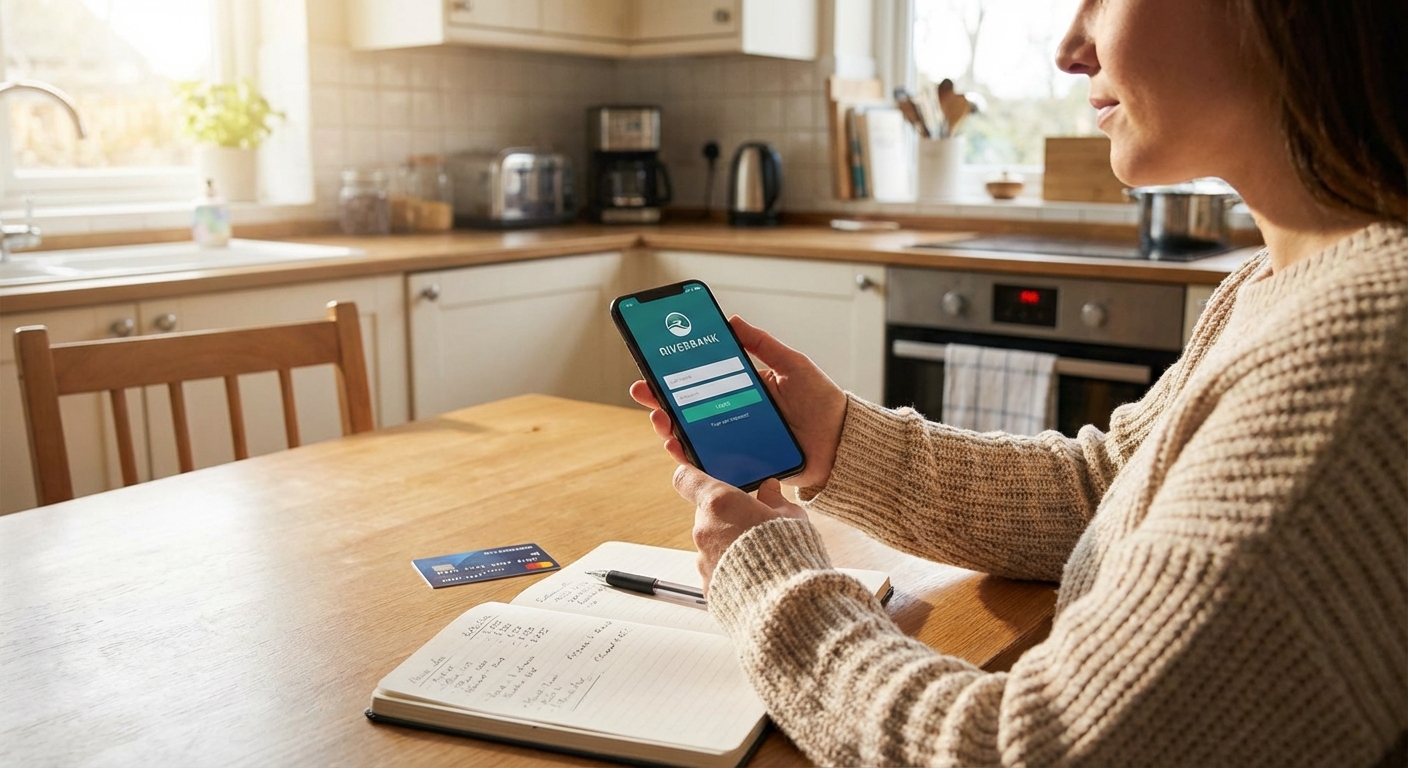
Online banks are financial institutions that operate primarily through a website and mobile app. Many are digital-only brands, and some are divisions of larger banks. They typically don't have local branches, although they often provide ATM access through partner networks.
One more nuance: some “online banks” are fintech apps partnered with an FDIC-insured bank. That can still be totally fine, but you should know which bank actually holds your deposits and where your insurance coverage comes from.
Traditional brick-and-mortar banks
Traditional banks and credit unions offer physical branches where you can do common tasks in person like cash deposits, cashier’s checks, notarizations, account help, and complex problem solving. Most also have online banking and mobile apps, but their business model includes branch costs.
Side-by-side: what really changes for you
Interest rates (online banks often win)
Because online banks don't have the same overhead as maintaining branches, they often offer higher yields on savings accounts and money market accounts. Traditional banks often pay lower rates, especially at big national brands.
But it's not automatic. Some credit unions and smaller local banks are surprisingly competitive, and some online banks aren't. Always shop the current APY.
- If your priority is earning interest: Online banks are usually a strong starting point for a high-yield savings account.
- If you keep most cash in checking: The rate difference may not matter much, but it can if you maintain a large balance.
Fees (online banks tend to be lighter)
Online banks frequently advertise no monthly maintenance fees, no minimum balance requirements, and lower overdraft fees or more flexible overdraft tools. Traditional banks vary widely. Some are great, some are fee-heavy unless you keep a certain balance or have direct deposit.
- Typical online bank strengths: Fewer monthly fees, larger free ATM networks, early direct deposit, and overdraft grace features.
- Typical traditional bank strengths: More services in one place, but sometimes with more rules or fees.
Customer service (depends on how you like help)
This is the part most people underestimate. Online banks can be fantastic if you like chat support, quick in-app messaging, and searchable help centers.
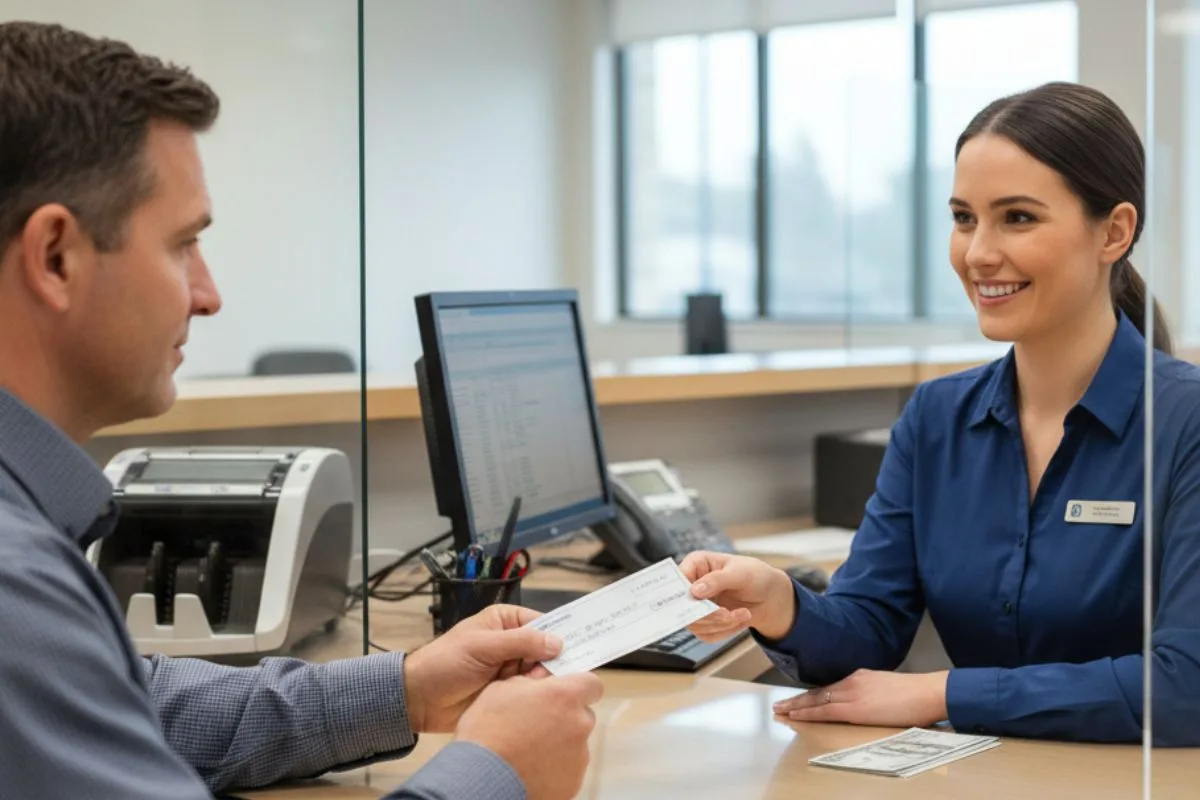
Traditional banks can be lifesavers when you need someone to sit down with you, look at documents, and fix an issue that isn't cleanly “one of the menu options.” Think: a messy fraud claim, a title issue for a car purchase, or a wire that needs extra verification before a deadline.
- Online banks are usually great for: Quick questions, card issues, basic troubleshooting, and routine transfers.
- Traditional banks are usually great for: Complicated disputes, urgent cash needs, wires with extra verification, and anything involving official documents.
Digital features: where apps can help
Most banks have apps now. The real difference is how much the bank expects you to do inside that app. Online banks usually treat the app as the main branch, so features are often more polished and practical.
Common online bank app advantages
- Real-time alerts: Instant notifications for purchases, low balances, and transfers.
- Better budgeting tools: Spending categories, merchant tracking, and trends.
- Card controls: Freeze or unfreeze your debit card, set travel notices, and manage digital wallets quickly.
- Fast transfers: Smoother ACH setup and sometimes same-day options.
- Early paycheck features: Some banks make direct deposit funds available early.
Common traditional bank app advantages
- Integrated services: If you already have a mortgage, credit card, or business account, everything may be under one login.
- Branch support baked in: Appointment booking, branch messaging, and easier escalation to a local team.
My take: If you're building a debt payoff plan or trying to stop overdrafts, app quality matters. The best app is the one that helps you notice problems early, not after the damage is done.
Cash access and deposits: the deal-breaker
Cash is where online banks can feel inconvenient, depending on your life.
ATM access
Online banks often reimburse certain ATM fees or provide access to large partner ATM networks. Traditional banks usually have their own ATMs and branches where you can handle cash more reliably.
Cash deposits
Many online banks don't accept cash deposits directly. Some offer cash deposits through retail partners, but policies vary and may involve limits or fees.
Traditional banks are typically the easiest option for cash deposits, especially if you handle tips, run a small cash-heavy side hustle, or routinely receive cash from family.
Cashier’s checks and money orders
If you're paying a landlord, buying a car, or dealing with a security deposit, you may need a cashier’s check quickly. Traditional banks can often issue one the same day, sometimes in minutes, depending on branch hours, cutoffs, and your account status.
Online banks may mail a cashier’s check or require a request that takes 1 to 3 business days. Some offer expedited delivery, but you still want to know the timeline before you're in a hurry.
Security and FDIC insurance: are online banks safe?
Safety is a fair concern. The simple version: an online bank can be just as safe as a traditional bank if it's properly insured and you use common-sense account security.
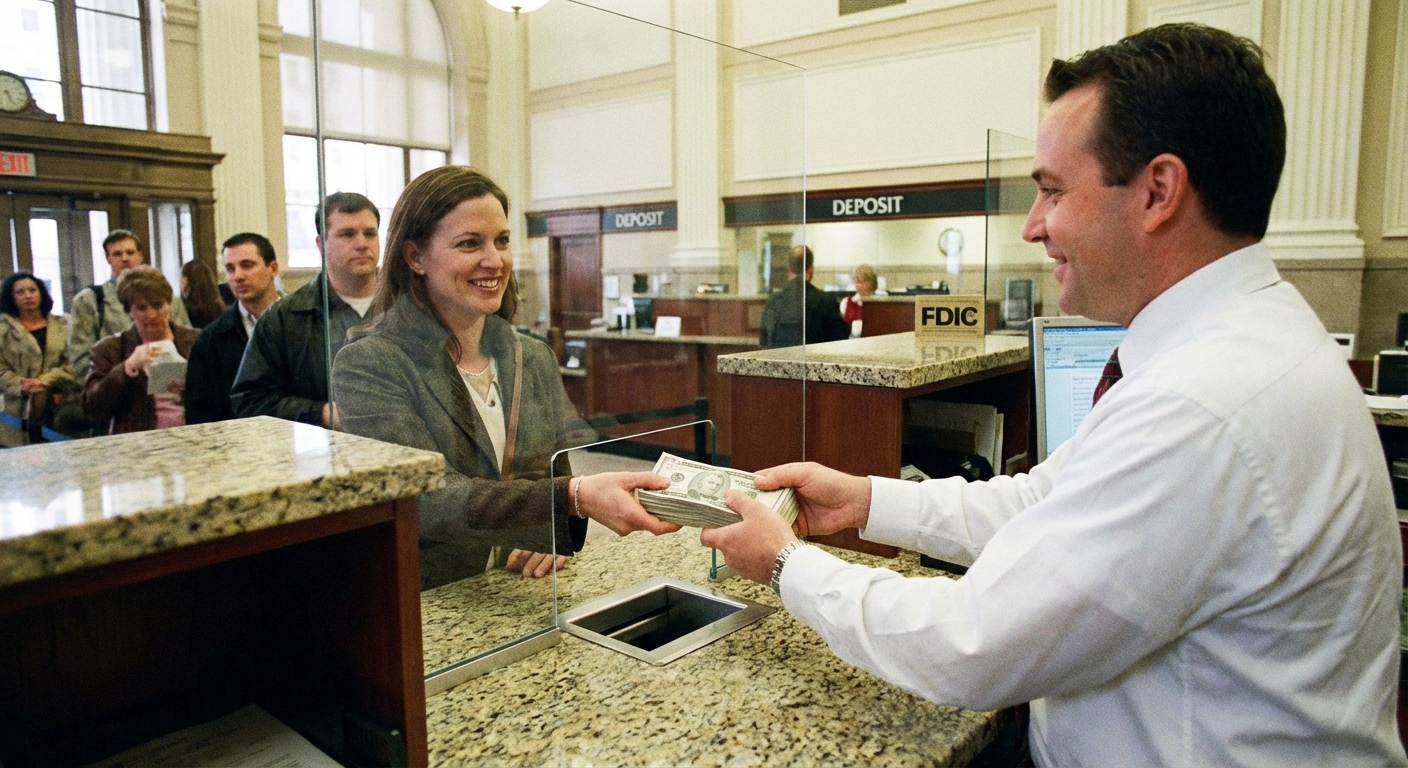
- FDIC insurance: Banks insured by the FDIC typically cover deposits up to $250,000 per depositor, per insured bank, per ownership category. Credit unions use NCUA insurance with similar coverage limits.
- Fraud tools: Look for two-factor authentication, card controls, and real-time alerts.
- Red flags: Unclear insurance status, confusing ownership, or support that's hard to reach.
Tip: If you're considering an online bank or fintech app, confirm who holds the deposits. Check the bank’s website and cross-check the institution in the FDIC BankFind tool (or NCUA for credit unions). It takes two minutes and buys a lot of peace of mind.
Limits and holds: small print that matters
Before you switch, look at the stuff that can quietly wreck your week:
- Mobile check deposit limits: Daily limits, monthly limits, and whether larger checks trigger manual review.
- Funds availability holds: How long the bank can hold a deposit before you can use it.
- Transfer limits: ACH caps, external transfer timing, and how fast you can move money out in an emergency.
- Person-to-person payments: Whether Zelle or another option is available, and what the limits look like.
- Wires: Availability, fees, cutoffs, and how verification works.
Who should choose an online bank?
An online bank is a great fit if most of your life is already digital and you want your accounts to quietly work harder in the background.
- You want higher savings rates and fewer monthly fees.
- You mostly use debit, credit, and transfers, not cash.
- You like mobile-first tools like instant alerts and card controls.
- You want to separate goals with multiple savings buckets for things like an emergency fund, travel, and car repairs.
Who should choose a traditional bank?
A traditional bank shines when you need in-person services, handle cash often, or want a local relationship.
- You make cash deposits regularly.
- You want the option to walk into a branch for urgent issues.
- You frequently need cashier’s checks, wire transfers, or notarizations.
- You prefer having one institution for checking, savings, loans, and business services.
The best answer for many people: use both
My favorite setup for a lot of households is a hybrid:
- Traditional bank checking for paychecks, bills, easy cash deposits, and anything time-sensitive.
- Online high-yield savings for your emergency fund and short-term goals, where the rate actually matters.
This gives you the convenience of a branch when you need it and the better interest rate where it counts.
If you struggle to save, put your emergency fund in an online bank that's slightly “out of sight,” but still accessible within a day or two. That small friction can reduce impulse transfers.
How to choose in 10 minutes
Step 1: Decide what you need most
- Need cash deposits or cashier’s checks fast? Lean traditional.
- Need your savings to earn more? Lean online.
- Need both? Plan a hybrid.
Step 2: Compare the three big line items
- Customer service: Support hours, chat availability, phone support, and how disputes are handled.
- Interest rates: APY on savings and money market, and whether rates are promotional or ongoing.
- App features: Alerts, card controls, mobile check deposit, transfers, and budgeting tools.
Step 3: Check the “annoyance factors”
- ATM fees: Network size, reimbursements, and out-of-network costs.
- Deposit timing: How fast transfers and mobile deposits clear, plus any holds.
- Overdraft policy: Fees, grace amounts, and options to link savings.
- Account requirements: Minimum balance rules and monthly fees.
- Cash handling: Whether cash deposits are possible and what the limits are.
Step 4: Run a small test before you move everything
If you're switching banks, open the new account and do a two-week trial:
- Move one bill (like your phone) and one income stream (like a paycheck split or a small transfer).
- Test customer support with a simple question.
- Try one mobile deposit and one ATM withdrawal.
Then decide if it deserves your full direct deposit and bill pay setup.
Common questions I hear a lot
Will an online bank hurt my ability to get a loan?
Usually, no. Your loan approval is driven more by credit score, income, debt-to-income ratio, and down payment.
Two caveats: some lenders want bank statements in specific formats or prefer assets “seasoned” in a U.S. institution for a period of time. Also, some banks offer relationship discounts if you keep deposits or set up autopay with them. It's not a deal-breaker, but it's worth knowing.
Is a credit union “traditional”?
Credit unions typically have branches like traditional banks, but they're member-owned and often have lower fees and friendlier policies. Many also have strong mobile apps now.
Depending on your area, your credit union may also participate in shared branching or ATM partnerships, which can make in-person access easier than you’d expect.
What if I travel a lot?
Frequent travelers often do well with online banks because of wide ATM access and strong in-app controls. Still, check the debit card details: foreign transaction fees, international ATM fees, and whether reimbursements apply outside the U.S. If you travel often, “free ATM access” can mean very different things.
Bottom line
Online banks often win on interest rates, low fees, and slick app features. Traditional banks often win on in-person problem solving, cash deposits, and time-sensitive services. The right choice is the one that reduces friction in your real life, not the one that sounds the most modern.
If you want the most balanced setup, start with this: keep your everyday checking where cash and branch access are easy, and move your emergency fund to a high-yield online savings account so your money can finally earn its keep.