
Moving is stressful enough without your health coverage turning into a surprise expense. When my wife and I moved across Columbus a few years back, the “change your address everywhere” list felt endless. If you’re on Medicare, your address isn’t just about mail forwarding. It can determine which Medicare Advantage and Part D plans you’re even allowed to keep.
The good news: a permanent move often triggers a Medicare Special Enrollment Period (SEP) that lets you change plans outside the usual fall enrollment rush. Below is the plain-English breakdown of what moving unlocks, how long the window usually lasts under Medicare.gov guidance, and what happens if you move out of your plan’s service area.

First, what counts as a move?
Medicare uses the phrase permanent move (or a change in residence) that affects plan availability. In real life, it typically includes:
- Moving to a new address that is outside your current plan’s service area
- Moving within your state where different Medicare Advantage or Part D plans are available (even if you technically stay in a service area, plan options can change by county)
- Moving into, out of, or within an institution like a skilled nursing facility or long-term care facility (this has its own special rules and often more flexibility)
A temporary stay (like visiting family for the summer) usually does not count the same way. The key is whether the move changes the plans you can access at that address.
Moving SEP timeline
A permanent move can open an SEP for:
- Medicare Advantage (Part C)
- Medicare Part D prescription drug plans
In general, you can use the moving SEP to:
- Switch from one Medicare Advantage plan to another
- Drop Medicare Advantage and return to Original Medicare (and add a Part D plan, if needed)
- Switch Part D drug plans
- Join a Medicare Advantage plan if you’re on Original Medicare and it’s available in your new area
How long does it last?
Medicare.gov guidance generally describes the moving SEP like this (details can vary by situation, and your plan’s notice will confirm your dates):
- If you tell your plan before you move, the SEP usually runs the month before your move and for 2 full months after the move.
- If you tell your plan after you move, the SEP usually runs for 2 full months after the month you notify the plan, as long as you made the move.
Translation: report your upcoming address change early, then shop your new options with the widest window.
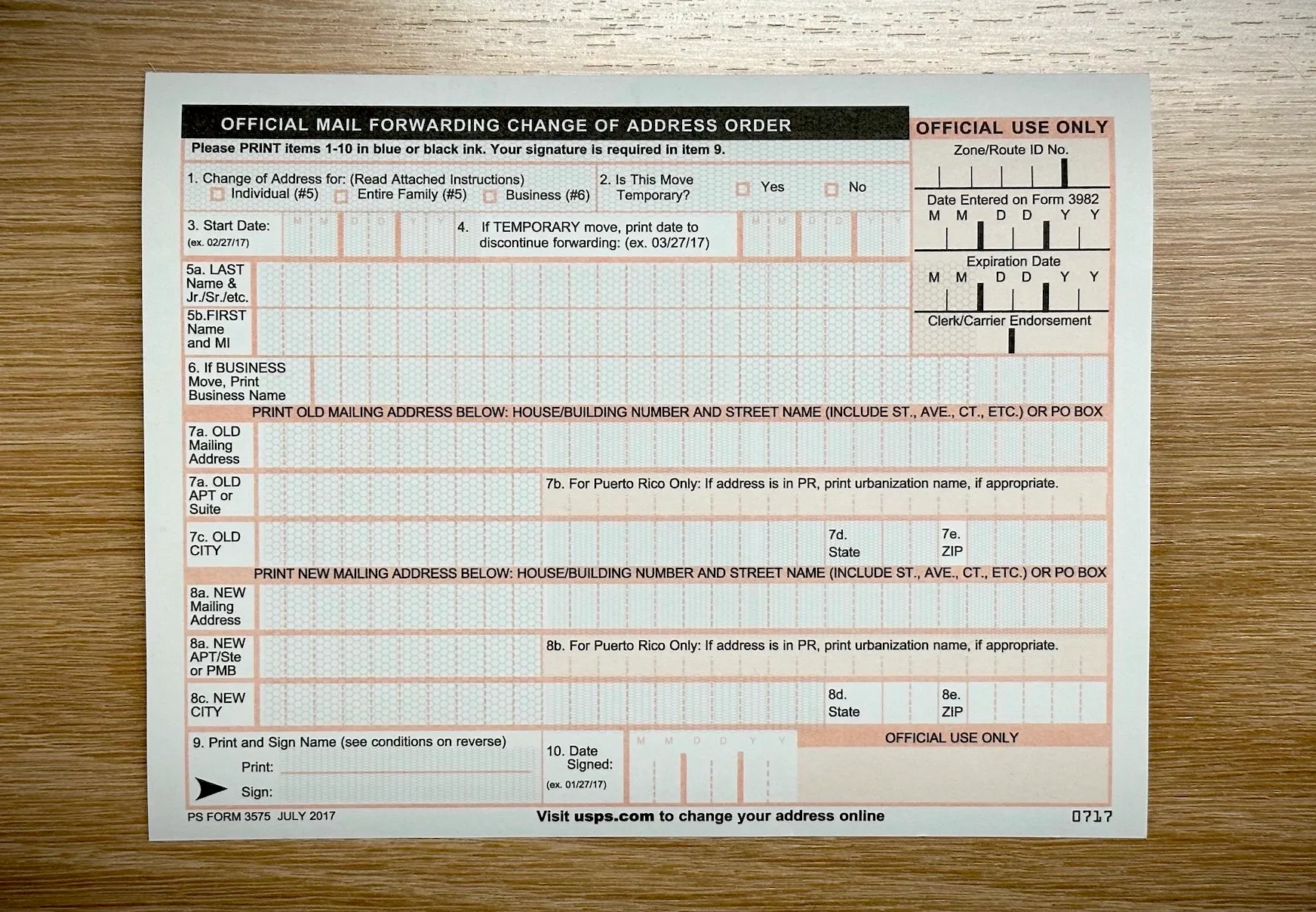
Who to notify
This is where people accidentally miss steps. For most moves, you want to update:
- Your plan (Medicare Advantage and or Part D), so they can confirm service-area status and your SEP window
- Social Security, since Social Security maintains key Medicare records for many beneficiaries
- Medicare.gov (your Medicare account), to keep your address on file current
- Your Medigap insurer (if you have one), because pricing and billing can change by location
If you move out of your plan’s service area
This is the moment that trips people up. Medicare Advantage and Part D plans are built around a service area. For Medicare Advantage, the service area is often county-based. For standalone Part D plans, the service area is often broader (commonly statewide or a multi-state region), but it still matters.
If your Medicare Advantage plan is not offered
If you leave your Medicare Advantage plan’s service area, the plan generally cannot keep you enrolled and may disenroll you. The plan should send a notice that explains what is happening and your effective date.
When that happens, you typically have a protected window to choose new coverage so you do not end up without drug coverage or stuck trying to use a local provider network that does not exist where you live now.
Here’s the practical sequence I tell friends to follow:
- Confirm your moving date and your new ZIP code.
- Call your plan (or check your plan portal) and ask: “Is my new address in your service area?”
- Ask what your last day of coverage will be if you’re moving out of area, and when they will send the notice.
- Pick your new plan during the SEP so you get a clean start date. Effective dates are set by Medicare rules and shown on your enrollment confirmation.
If your plan is still offered but changes
Sometimes your plan is technically available at the new address, but the premium, copays, provider network, or drug formulary may change by county. Even if you can keep the same plan name, it’s still worth doing a quick reset review before you assume nothing changed.
3 coverage paths after a move
When you move, you’re usually deciding between these setups:
1) Medicare Advantage (Part C)
If you like an all-in-one plan and you’re comfortable with networks, a local Medicare Advantage plan may be a good fit. Use your SEP to compare:
- Monthly premium
- Maximum out-of-pocket limit
- Your doctors and hospitals in-network
- Prescription coverage and pharmacy options
- Extra benefits (dental, vision, OTC credits)
2) Original Medicare + Part D
If you’re moving and your provider relationships are changing anyway, this can be a natural time to consider Original Medicare for broader provider access. If you want prescription coverage, you will typically add a Part D plan. Do not assume your old drug coverage follows you if you drop Medicare Advantage.
If you want a refresher on how these two paths differ, see: Original Medicare vs Medicare Advantage.
3) Original Medicare + Part D + Medigap
This is the predictability setup many people like, because Medigap can reduce surprise out-of-pocket costs with Original Medicare. The catch is that Medigap enrollment rules are different from Medicare Advantage rules, especially when you move.
Medigap and moving
Medigap (Medicare Supplement insurance) is different from Medicare Advantage:
- Medigap is standardized (plan letters like G, N, etc.), so benefits are generally the same for the same letter in most states.
- Medigap is not a network service-area product the way Medicare Advantage is.
- You can usually keep your Medigap policy when you move, as long as you keep paying premiums.
Premium changes and state differences
Even though you can often keep the same Medigap policy, the price can change when you move, especially if your insurer prices by state or rating area. It’s smart to:
- Notify your Medigap insurer of your new address as soon as you can
- Ask whether your premium changes at the new address
- Request the effective date of any premium change
Also note: Medigap standardization rules differ in a few states, including Massachusetts, Minnesota, and Wisconsin. If you’re moving into or out of one of those states, it’s worth double-checking how plan designs and pricing work where you are landing.
Moving does not automatically guarantee switching rights
One important caution: switching to a new Medigap policy is not always guaranteed. In many states, outside of certain protected situations, you may need medical underwriting to buy a new Medigap plan. That means your health history can affect acceptance or price.
A common example of when protected rights may apply is if you lose certain types of coverage through no fault of your own, such as a Medicare Advantage plan leaving Medicare or ending coverage in your area. The safest rule: confirm your rights before you cancel anything.

If you have Medicaid or Extra Help
If you get help paying Medicare costs, moving can be more than a plan-shopping issue. Programs like Medicaid, Extra Help, and Medicare Savings Programs are administered by states and can change when you move across state lines, and sometimes even when you move counties. If that’s you, flag your move early with your state Medicaid office so your assistance does not get interrupted.
Before you move checklist
If you do only five things, do these:
- Get your new ZIP code and the exact move date.
- Tell your Medicare Advantage or Part D plan before you move if possible.
- Confirm network access for your key doctors and hospitals at the new address.
- Check your prescriptions against the new plan’s formulary and pharmacies.
- Save proof of your move (lease, utility bill, closing docs). Plans or Medicare may ask for it.
If you missed the window
If you missed your moving SEP, you are not necessarily stuck forever, but your options narrow until the next enrollment opportunity. You may have to wait for the Annual Enrollment Period (AEP) to make certain changes.
Related: Medicare Annual Enrollment Period dates and rules.
If you’re still working past 65 and covered by an employer plan, there’s another important SEP that is not tied to moving: Medicare SEP when you have employer coverage.
FAQ
Does moving automatically change my Medicare coverage?
Original Medicare (Part A and Part B) stays with you nationwide. The pieces that often change are Medicare Advantage (Part C), Part D, and sometimes Medigap premiums.
Can I keep my Medicare Advantage plan if I move?
Only if it’s offered in your new area and you meet residency rules. If you move outside the service area, you generally cannot keep it. Your plan should tell you in writing what happens next and when.
If I move, can I switch from Medicare Advantage to Original Medicare?
Yes, a permanent move SEP typically allows you to drop Medicare Advantage and return to Original Medicare. If you want prescription coverage, you will usually pair that with a Part D plan so you are not left without drug coverage.
Does moving give me a guaranteed right to buy Medigap?
Not always. You can often keep your current Medigap policy, but buying a new Medigap policy can involve underwriting unless you have a protected right under specific circumstances. If you’re considering switching Medigap plans because of a move, confirm your protections before you cancel anything.
What if I’m moving into a nursing home?
Moves into or out of an institution often come with different and more flexible enrollment rules. In many cases, people in an institution can make plan changes more frequently than once a year. If that’s your situation, call Medicare or your plan and ask specifically about an institutional SEP.
My best tip
Medicare plan pricing and availability can change dramatically by county. So when you move, don’t just transfer your plan on autopilot. Run the numbers like you would for your car insurance after a move.
If you want a simple approach, start by listing:
- Your top 3 doctors
- Your current prescriptions
- Your must-have hospitals
- Your monthly budget for premiums
Then shop plans around those needs during your moving SEP. You’ll usually end up with a cleaner setup and fewer unpleasant surprises after the boxes are unpacked.