
When I was digging out of debt, one of the biggest stress multipliers was “lumpy” expenses. You are fine nine months of the year, then a big bill hits and suddenly you are juggling cards. Prescription drug costs can feel exactly like that, especially early in the year when you are meeting deductibles or starting a new medication.
The Medicare Prescription Payment Plan is designed to fix that specific problem for people with Medicare Part D coverage. Instead of paying your full out-of-pocket drug costs at the pharmacy counter when they happen, you can spread those costs across monthly bills from your plan.
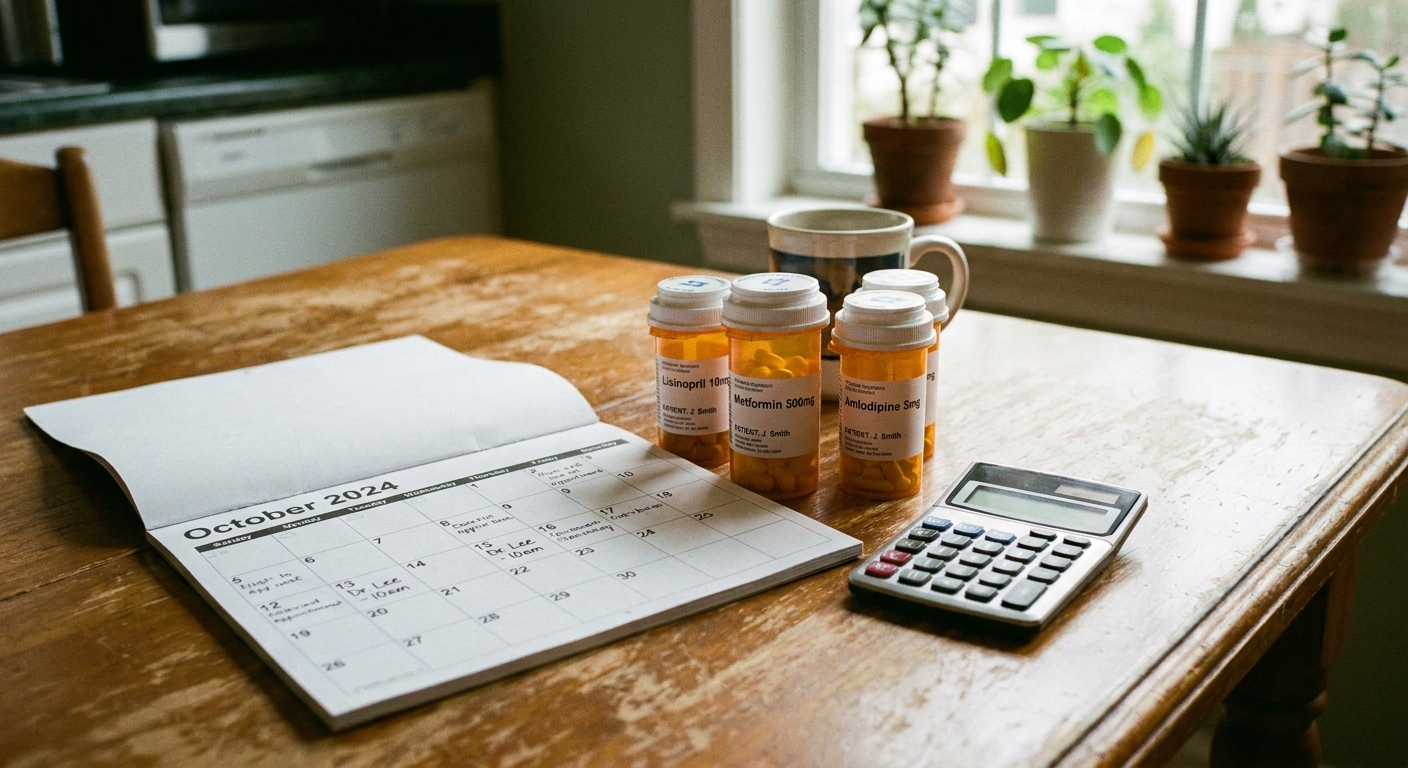
What the Medicare Prescription Payment Plan does
This program does not lower the price of your prescriptions. It changes when you pay.
- Without the Payment Plan: You pay your Part D cost-sharing (deductible, copays, coinsurance) at the pharmacy when you fill prescriptions.
- With the Payment Plan: Once your election is active, you may pay less at the counter for covered Part D cost-sharing (often $0), and your plan bills you monthly instead.
Think of it like turning a big, unpredictable expense into a series of smaller, more predictable bills. That predictability is the real win.
Who can opt in (and who cannot)
You can generally opt into the Medicare Prescription Payment Plan if you are enrolled in:
- A stand-alone Medicare Part D plan, or
- A Medicare Advantage plan that includes drug coverage (MAPD)
If your prescription coverage is not administered as Medicare Part D, this program will not apply. That can include some coverage through:
- Employer or union retiree benefits (coverage varies widely)
- VA drug benefits
- TRICARE
If you are not sure what kind of drug coverage you have, the cleanest move is to call your plan or benefits administrator and ask: “Is my prescription coverage a Medicare Part D plan, and do I have the Medicare Prescription Payment Plan option?”
Also important: this is an election. It is not automatic. If you want this monthly billing option, you have to sign up through your plan (or follow the plan’s instructions to request it).
When it starts and what it covers
Most people get tripped up on timing and scope, so here is the practical version.
Timing
- You can generally elect the Payment Plan during the year, not just at open enrollment.
- Your plan needs time to process your election, so the pharmacy system may not reflect it immediately.
If you enroll and then go straight to the pharmacy, you might still be asked to pay the usual amount if the election has not hit the point-of-sale system yet. If that happens, call your plan and ask when the election becomes active and whether any adjustment applies.
Scope limits
The Payment Plan applies to covered Part D drugs under your plan rules, generally when you use a network pharmacy. It does not magically turn non-covered items into covered items.
- If a drug is not covered (non-formulary without an approved exception, or rejected for plan rules), you can still be charged at the counter.
- It does not apply to drugs covered under Medicare Part B (those are billed differently).
- Out-of-network fills and other plan-specific situations can also mean you still pay something at pickup.
How the monthly bill is estimated
Your Part D plan has to come up with a monthly amount that will reasonably cover your expected out-of-pocket drug spending over the rest of the calendar year. In plain English, your plan is making its best estimate based on what it knows today.
Here is the core idea most people need to understand:
- The plan looks at your expected out-of-pocket drug costs (based on claims, current prescriptions, and plan rules).
- It spreads the remaining expected amount over the months left in the year.
- Your bill can change if your prescriptions or costs change during the year.
So if you enroll in January, you have more months to spread costs across than if you enroll in August. The later you start, the fewer months there are to spread your remaining costs, so the monthly bill can be higher.
A simple example
Let’s say, at the time you enroll, your plan estimates you have $1,200 remaining in out-of-pocket Part D costs for the rest of the year. If you opt in with 12 months left, that might average around $100/month. If you opt in with 6 months left and you still have about $1,200 remaining, the average could be closer to $200/month.
Real billing math can be more nuanced because it has to account for what you have already spent and what months remain, but that “remaining expected cost divided by remaining months” concept is the heart of it.

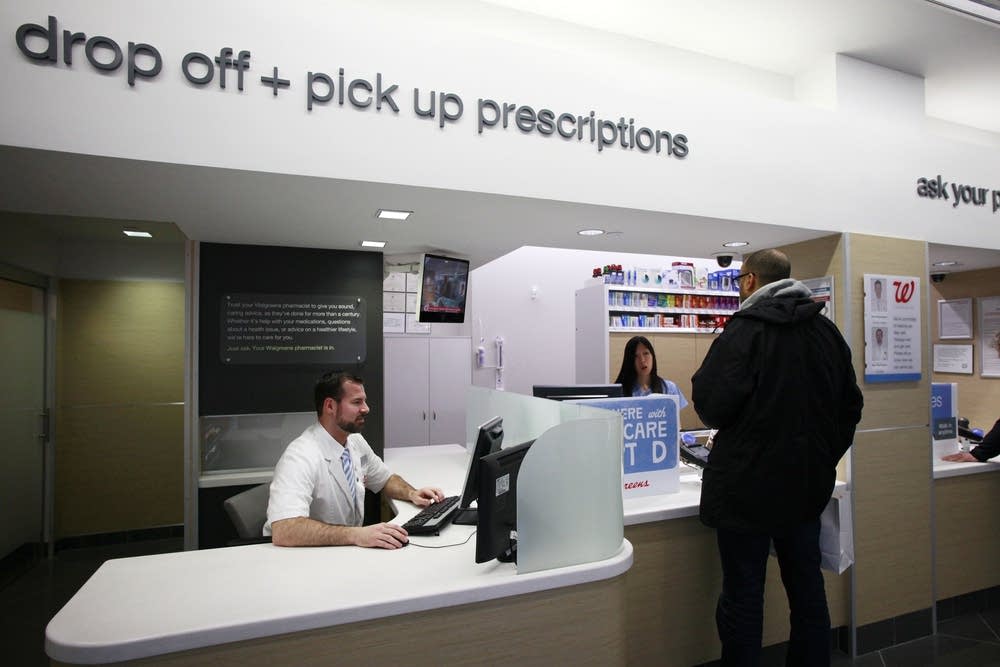
What happens at the pharmacy
This is the part most people care about: what changes when you show up to pick up your prescription.
Once your election is active in the plan’s system:
- The pharmacy still runs the prescription through your Part D coverage the normal way.
- Your covered Part D cost-sharing that you would normally pay at the counter is instead treated as an amount to be billed to you later by your plan under the Payment Plan.
- You should receive a monthly bill from your plan (separate from any plan premium you may already pay).
Practical tip: keep paying your plan premium as usual. The Payment Plan is a billing option for cost-sharing, not a replacement for your premium.
Leaving midyear
In many cases, yes, you can leave the Medicare Prescription Payment Plan midyear. But leaving does not erase what you already owe.
If you leave the program after using it for a period of time:
- You generally still must pay any outstanding balance you accrued while enrolled.
- Going forward, you would go back to paying your cost-sharing at the pharmacy when you fill prescriptions (assuming you are still in the same Part D plan).
The budgeting takeaway: opt-out is not a reset button. It is more like switching payment methods midstream. Before you opt out, check your current balance and be sure you have a plan to pay it down.
If a monthly bill goes unpaid
If you enroll in the Payment Plan, treat that monthly bill like a must-pay expense, right up there with rent, utilities, and insurance. If you miss payments, there can be consequences.
Plans have to follow Medicare billing and notice rules, and the exact timeline can vary by plan. Missed bills commonly trigger:
- Past-due notices and a request to catch up
- Removal from the Payment Plan for the rest of the year (meaning you would pay at the pharmacy again)
- Potential collection activity on amounts you owe, depending on how long the balance remains unpaid
What typically does not happen: your plan cannot retroactively pretend you never used the program. If you received prescriptions with your cost-sharing deferred, that balance is still real and still due.
If you are already behind, call your plan immediately and ask what options you have, what notices to expect, and whether reinstatement is possible after you catch up.
Payment Plan vs. Extra Help
It is easy to confuse these because both can make pharmacy costs feel more manageable, but they work in totally different ways.
- Extra Help: A subsidy program for people with limited income and resources that can reduce Part D premiums and lower copays. It changes what you owe.
- Prescription Payment Plan: A payment option that generally does not reduce what you owe. It changes when you pay.
You can be eligible for Extra Help and still like predictable billing, but in many cases Extra Help already brings cost-sharing down so much that a monthly billing plan is less necessary. Your best move is to confirm with your plan how these interact for your situation.
Payment Plan vs. the Part D out-of-pocket cap
Starting in 2025, Medicare Part D includes an annual out-of-pocket cap for covered prescriptions, and that continues into 2026. In 2025, the cap is set at $2,000, but the exact amount can be adjusted in future years, so it is worth confirming the current-year number.
Here is the clean way to separate the two concepts:
- Out-of-pocket cap: controls your maximum total spending for the year on covered Part D drugs.
- Prescription Payment Plan: spreads that spending across monthly bills so you are less likely to get hit with big early-year pharmacy costs.
In other words, the cap can keep your yearly exposure from running away, while the Payment Plan can keep your monthly cash flow from getting knocked off balance in January or February.
When it is a smart move
It can be a great fit if:
- You take expensive medications and your costs are front-loaded early in the year
- You live on a fixed income and prefer predictable monthly bills
- You are trying to avoid putting pharmacy costs on a credit card
It may be a bad fit if:
- You struggle to pay monthly bills on time (missing payments can create new headaches)
- You have very low drug costs most months (there may not be much to spread out)
- You would rather pay at the pharmacy as you go and keep monthly obligations simpler
Quick checklist before you opt in
- Call your Part D plan and ask how to elect the Medicare Prescription Payment Plan and when it becomes active.
- Ask what the program covers for your plan, including network pharmacy rules and common exceptions where you might still pay at pickup.
- Ask how they calculate the monthly amount and how often it can change.
- Confirm whether the monthly bill is separate from your plan premium and how you can pay it (online, autopay, mail).
- If possible, set up autopay to avoid accidental missed payments.
- If you have limited income, ask about Extra Help too, because lowering the cost beats spreading the cost.
FAQ
Does the Payment Plan change which drugs are covered?
No. Coverage still depends on your plan’s formulary, prior authorization rules, and network pharmacy rules. The Payment Plan is about payment timing, not coverage decisions.
Will my monthly amount stay the same all year?
Not necessarily. If your prescriptions change, your out-of-pocket costs change, or you enroll later in the year, the plan may adjust your monthly bill so the remaining expected costs are spread across the remaining months.
Can I use the Payment Plan and still hit the Part D out-of-pocket cap?
Yes. The cap is about your total out-of-pocket liability for covered Part D drugs across the year. The Payment Plan is how you can pay that liability over time.
Can the pharmacy ever make me pay anyway?
Yes. If your election has not fully processed yet, if you use an out-of-network pharmacy, or if a drug is not covered under Part D rules, you may still be charged at the counter. If you think something is wrong, your Part D plan is the best first call.