
If your Social Security COLA did not seem to raise your bank deposit by much, Medicare Part B withholding is often why.
If you have Medicare Part B and Social Security, you might expect your annual COLA to show up as a bigger deposit. But some years, the deposit barely moves. Other years, it can even feel like you lost ground. A common reason is how Medicare Part B premiums are withheld from your Social Security benefit, and a rule called hold harmless that limits when those premiums can shrink your check.
What the hold-harmless rule does
The Medicare Part B hold-harmless rule is a guardrail for many people who have their Part B premium deducted directly from their Social Security benefit. In plain English, it means:
If your Part B premium is withheld from your Social Security check and you had Part B withheld in December of the prior year, your net Social Security payment generally cannot go down from one year to the next just because the standard Part B premium increased.
The way it works is very specific. For people who qualify, the Part B premium increase is limited to the dollar amount of their Social Security COLA increase, so the premium hike does not reduce their net payment.
This is why you will sometimes see headlines about Part B premiums rising, but your net Social Security deposit does not drop. The rule can cap the premium increase through the withholding process so it does not eat more than your COLA increase.
A quick example
Say your gross Social Security benefit goes up by $20 a month because of COLA, but the standard Part B premium would otherwise rise by $18 for you.
- Your gross benefit: +$20
- Your Part B withheld premium: +$18
- Your net deposit: +$2
Because the premium increase is limited and cannot exceed your $20 COLA increase, you still come out ahead by $2.
On paper, you got the COLA. In your checking account, it might barely show.
Why the deposit can look unchanged
When the COLA is small and the standard Part B premium increase is large, hold harmless can limit the premium increase to what your COLA can absorb. The result is a net deposit that may change very little, because the COLA is effectively redirected to cover more of Part B.
Gross benefit vs. net deposit
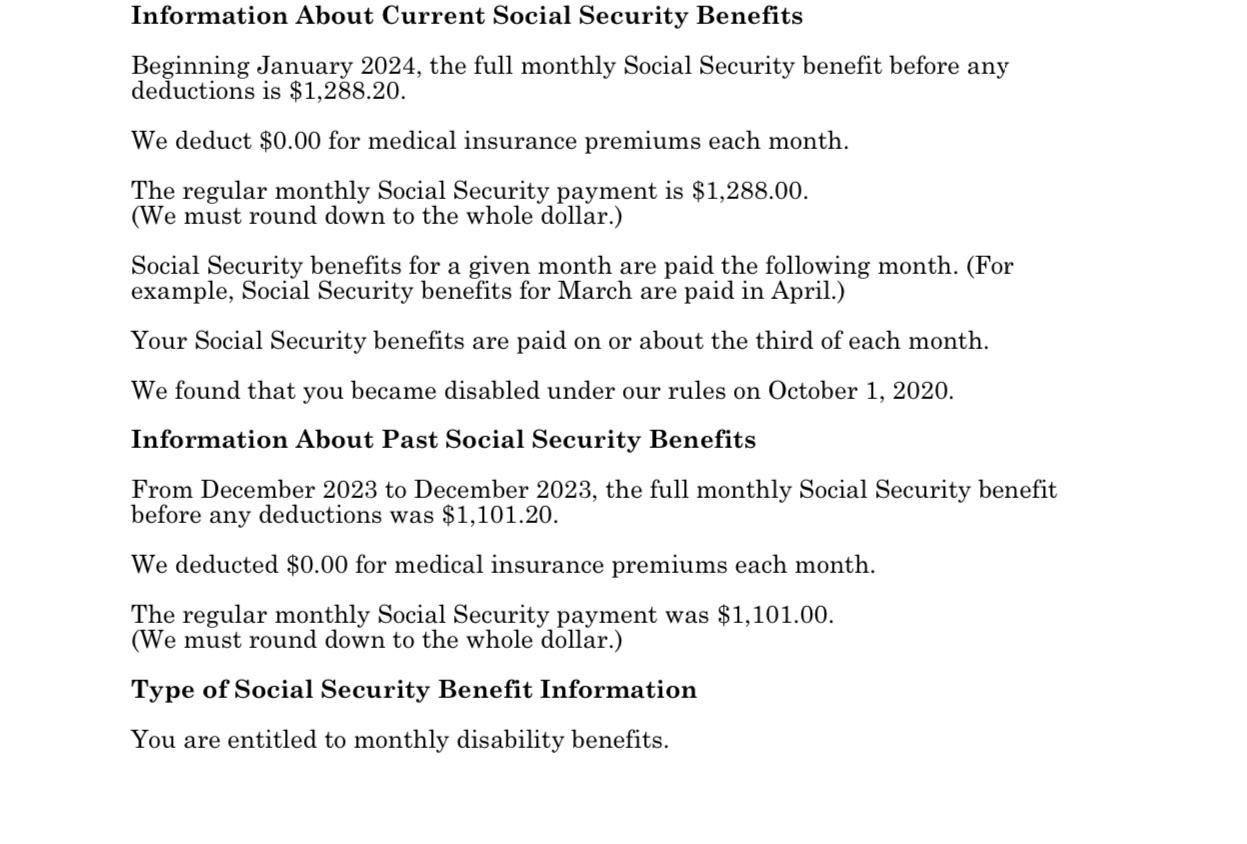
Social Security talks about COLA as an increase to your gross monthly benefit amount. Your bank account receives your net payment after deductions.
Common deductions include:
- Medicare Part B premiums (if withheld from your benefit)
- Medicare Part D premiums (only if you chose to have them withheld)
- Tax withholding (if you opted in)
- Other withholdings such as garnishments or voluntary repayments, when applicable
So it is completely possible for your COLA to increase the gross amount, but for your net deposit to rise less than you expected because deductions changed.
When hold harmless applies
Hold harmless protections typically apply when all of these are true:
- You are enrolled in Medicare Part B.
- Your Part B premium is deducted from your Social Security benefit (or Railroad Retirement benefit).
- You were already having Part B withheld in December of the prior year.
IRMAA note: If you are charged an income-related adjustment (IRMAA), hold harmless does not limit the IRMAA portion. That means your total Part B withholding can still rise enough to shrink your net deposit even if the standard portion is constrained.
When the conditions line up, the standard premium increase is limited so it does not reduce your net Social Security payment year over year due to that standard Part B premium hike alone.
One important caveat: hold harmless is common, but it is not universal. Some edge situations can affect it, such as benefit and withholding timing, or situations where a person effectively has little or no COLA to offset an increase. The main takeaway is that it is a narrow protection tied to the withholding and COLA math.
Who is not protected
This is the part that trips people up: not everyone in Medicare Part B is protected by hold harmless. Here are the most common groups that can be excluded.
1) People paying IRMAA
If you pay IRMAA, your Part B premium is higher than the standard amount because of your income. In general, the hold-harmless rule does not protect you from increases tied to IRMAA.
That is why higher-income beneficiaries can see their net Social Security deposit increase by less than the COLA, or even shrink, if their total Part B withholding rises enough.
2) New Part B enrollees
If you are new to Part B, you are not held harmless in the same way because there is no prior-year December Part B withholding to compare against. That matters for people who:
- Enroll in Part B for the first time at 65
- Delay Part B and enroll later (for example, after employer coverage ends)
- Come back to Part B after dropping it
As a new Part B enrollee, you may pay the full standard premium amount (or more, if IRMAA applies) regardless of how small the COLA is.
3) People billed directly for Part B
If you do not have your Part B premium deducted from your Social Security payment, the hold-harmless protection is not applied through your Social Security withholding. In other words, there is no protected net Social Security check to compare year over year.
This can include people who:
- Pay Medicare premiums directly (for example, via Medicare Easy Pay or billed quarterly)
- Are not yet collecting Social Security and pay Part B out of pocket
In those cases, your gross Social Security benefit can still rise with COLA once you claim benefits, but your Part B premium bill can rise separately.
4) Some people with Medicaid or Medicare Savings Programs
If Medicaid or a Medicare Savings Program is paying your Part B premium, your situation is different because the premium is not being taken out of your Social Security check in the usual way.
In those cases, hold harmless often is not what is driving what you see in your deposit, because the state payment arrangement and eligibility rules can change how premiums are handled. Changes in eligibility or state payment timing can still create surprises, including situations where a Part B premium starts being deducted again.
Why your deposit may not rise
There are a few common real-world patterns behind “My COLA went up, but my deposit did not.”
Your COLA was absorbed by Part B
Even when hold harmless applies, your Part B withholding can still increase. The rule limits the increase so your net payment does not fall due to the standard Part B premium hike. But it does not promise you will feel the whole COLA in your pocket.
Your IRMAA changed
IRMAA decisions are based on income information from prior tax returns. If your IRMAA amount increases, that increase can reduce your net payment regardless of the COLA, because hold harmless does not limit the IRMAA portion.
You became a new Part B enrollee
Starting Part B means a new deduction. If your Part B premium begins being withheld around the same time your COLA is applied, your deposit can look flat even though your gross benefit increased.
Other withholdings changed
Tax withholding elections, Medicare Part D withholding, or other deductions can change year to year. Those changes can mask some or all of your COLA.
How to tell if it is affecting you
You do not need to memorize formulas to spot the pattern. A practical way to check is to compare two things:
- Your gross Social Security benefit before and after the COLA
- Your Part B premium withheld before and after the new year (December vs. January is often the cleanest comparison)
If the gross benefit rose but your Part B withholding rose by nearly the same number of dollars, hold harmless may be limiting the standard premium increase to what your COLA can cover.
Your Social Security COLA notice and your monthly benefit verification letter can help you see the gross amount and deductions. Your Medicare premium information will show what is being withheld for Part B.
What to do if it looks wrong
If something does not add up, a few quick checks can help before you spend hours on the phone:
- Compare December and January benefit details: gross benefit, Part B withheld, and any other deductions.
- Look for an IRMAA notice (or a change in your income from the relevant tax year) if your Part B withholding jumped.
- Confirm how you pay Part B: withheld from Social Security vs. billed directly.
- Contact Social Security if your withholding amount appears incorrect on your benefit statement, or if a new deduction showed up unexpectedly.
- Contact Medicare if the Part B premium amount being charged does not match what you were told you owe.
Common questions
Does hold harmless mean my Part B premium cannot go up?
No. It means your premium increase may be limited so that a higher standard Part B premium does not cause your net Social Security payment to go down from one year to the next, assuming you meet the conditions for protection.
Can my net deposit go down anyway?
Yes. Hold harmless is narrow. Your net could fall if something else changes, such as IRMAA, tax withholding, Medicare Part D withholding, or other deductions.
If I am not collecting Social Security yet, does hold harmless protect me?
Generally, no. If you are paying Part B directly because you are not receiving Social Security benefits yet, the net-check protection is not operating the same way because there is no Social Security check to protect.
Do I have to apply for hold harmless?
No. For people who qualify, it is typically applied automatically through how premiums are withheld and capped.
The bottom line
COLA raises your gross Social Security benefit. Your bank deposit reflects your net benefit after deductions. The Medicare Part B hold-harmless rule can prevent the standard Part B premium increase from reducing your net Social Security payment for many existing enrollees, but it does not guarantee you will feel the full COLA as spendable cash. And if you are new to Part B, pay IRMAA, or do not have premiums withheld from Social Security, you may not be protected by hold harmless at all.
When your deposit does not match your COLA notice, it is usually not a mistake. It is the fine print doing its job.