
If you are under 65 and receiving Social Security Disability Insurance (SSDI), Medicare can feel like it is “coming eventually” but hard to pin down until you find the right date in your paperwork. That waiting-game is real, and it trips up a lot of smart people because SSDI has its own rules that are different from the turning-65 Medicare playbook.
This article walks through the disability path: the 24-month Medicare waiting period, the separate 5-month SSDI cash waiting period (quickly), what gets enrolled automatically, what you need to decide about Part B, and why Medigap can be trickier when you are under 65.
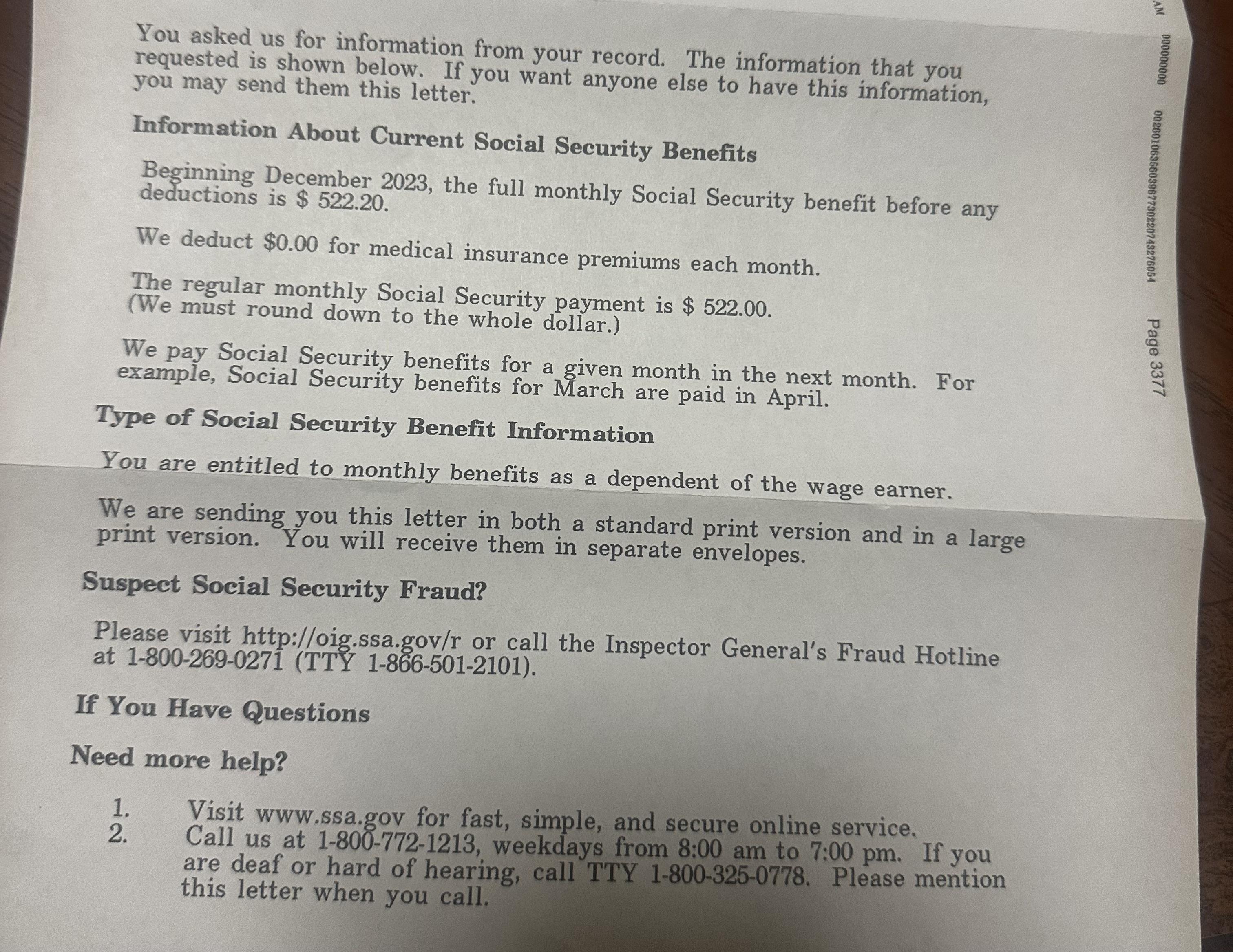
The key rule: Medicare starts after 24 months of SSDI benefits
Most people who qualify for Medicare due to disability become eligible after receiving SSDI benefits for 24 months.
The simplest way to think about it is this:
- You do not get Medicare the moment your disability is approved.
- You generally get Medicare beginning in the 25th month of SSDI entitlement.
That “24 months” is based on months you are entitled to SSDI cash benefits, not months since you applied.
For many people, SSDI is approved with a retroactive entitlement date. That retroactive date can move your Medicare start earlier than you expect.
Do not mix up the SSDI and Medicare waits
One common point of confusion: there are usually two separate waiting periods involved.
- SSDI has a 5-month waiting period from your established disability onset date before cash benefits can begin (in most cases).
- Medicare has a 24-month waiting period that is counted from your SSDI entitlement to cash benefits.
So if you are doing the math at home, your Medicare timeline is often closer to “5 months plus 24 months” from the onset date. The exact dates depend on what Social Security sets as your onset and entitlement months.
Estimate your Medicare start date
To get in the right ballpark, find your SSDI entitlement date or the month your cash benefits started (your award letter usually spells this out). Then count:
- Month 1 = first month you were entitled to SSDI benefits.
- Month 24 = last month of the waiting period.
- Month 25 = Medicare begins.
Quick example: If your award letter shows you were entitled to SSDI starting March 2024, then Medicare typically begins March 2026.
If you have access to your Social Security online account, your benefit details can also help confirm your timeline.
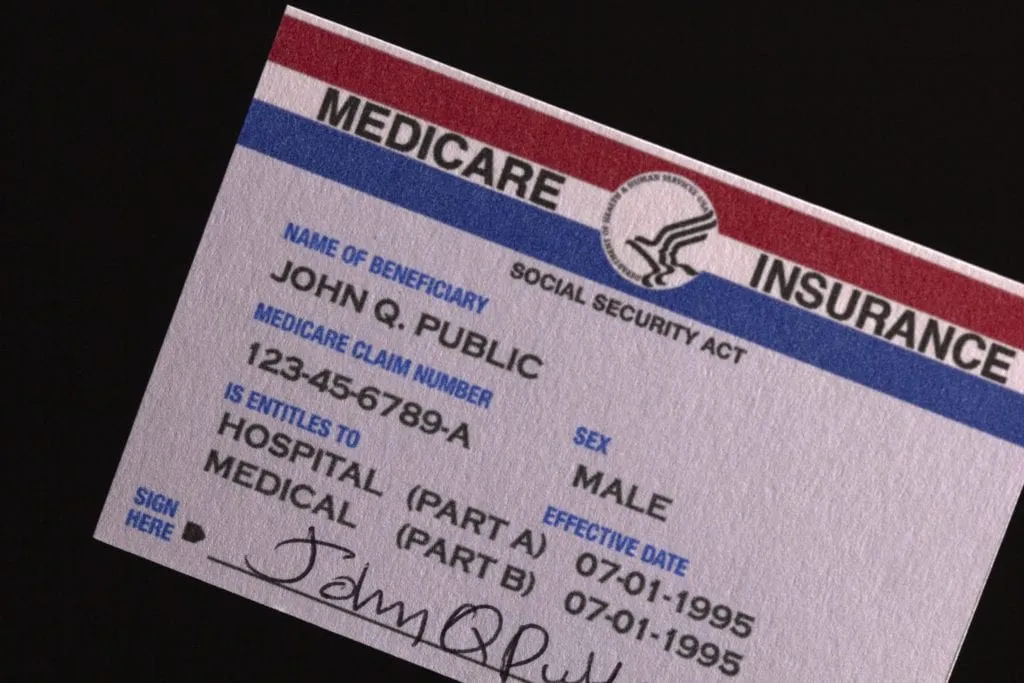
Tip: If your Medicare is about to start, watch the mail. People typically receive a Medicare packet and card shortly before coverage begins.
What happens automatically when Medicare starts
For most SSDI beneficiaries, enrollment is automatic when the waiting period ends:
- Part A (hospital insurance) starts automatically.
- Part B (medical insurance) usually starts automatically too.
You will typically get:
- A red, white, and blue Medicare card
- A letter explaining your start date and your Part B premium
Even though it is automatic, Part B is not “set it and forget it.” Part B has a monthly premium, and you may have the option to decline it if you have other qualifying coverage. That decision is where a lot of costly mistakes happen.
Part B: when to keep it and when declining can backfire
Why most people keep Part B
Part B is what helps pay for things like doctor visits, outpatient care, lab work, imaging, durable medical equipment, and many preventive services. If you are relying on Medicare as your primary coverage, Part B is usually essential.
When someone might decline Part B
Some people choose to decline Part B at first if they have group health plan coverage based on current employment (their own or a spouse’s). That type of active-employment coverage is what typically protects you from Part B late enrollment penalties and gives you a path to enroll later through a Special Enrollment Period.
But the details matter. Employer plans vary, and coordination of benefits rules can be confusing.
Important warning about retiree coverage
Retiree coverage (including many COBRA and retiree plans) usually does not count as coverage based on current employment. That means it often does not protect you from Part B late enrollment penalties if you delay Part B. If you are in this situation, get clarity from the plan administrator and Medicare before you decline anything.
The risk: penalties and gaps
If you decline Part B and later decide you need it, you could face:
- A gap before coverage starts (depending on the enrollment window available to you)
- A late enrollment penalty if you did not have qualifying active-employment coverage
This SSDI path is different from the typical “I am turning 65” timeline, and it is also different from the “I am still working at 65 with employer coverage” situation. If you are under 65 on SSDI, base the decision on your current coverage and whether it is truly based on active employment.
Part A is usually premium-free, but not always free
Most people on SSDI qualify for premium-free Part A because they have enough work credits (or can qualify through a spouse’s work history). Even when Part A is premium-free, it can create planning issues in a few situations, like:
- Health Savings Accounts (HSAs): Once you have Medicare (Part A counts), you generally cannot keep contributing to an HSA. If you or a spouse are contributing, you will want to coordinate the timing carefully.
- Other coverage coordination: Some plans change how they pay once Medicare starts, even if you did not “choose” Medicare.
If either of those applies to you, it is worth slowing down and double-checking your options before your Medicare start month.
SSDI Medicare vs. turning 65
When Medicare starts due to disability, a few things commonly feel different than what you hear from friends and family who enrolled at 65:
- Enrollment is often automatic for Parts A and B after the waiting period.
- Medigap rules can be different under 65 (this is a big one).
- Plan availability and pricing vary widely by state for people under 65.
The biggest practical difference is that many under-65 SSDI beneficiaries find themselves choosing between Medicare Advantage and limited Medigap availability depending on where they live.
Medigap under 65: why it is harder
Medigap (Medicare Supplement Insurance) helps cover costs that Original Medicare does not, like deductibles and coinsurance. At 65, federal rules give most people a clean Medigap open enrollment window with strong protections.
If you are under 65 on Medicare due to disability, those protections can look different:
- In many states, insurers are not required to offer all Medigap plans to people under 65.
- Even when Medigap is available, premiums can be much higher under 65.
- Some states provide additional protections, but the rules are state-specific.
What you can do
- Check your state’s Medigap rules for beneficiaries under 65. Your State Health Insurance Assistance Program (SHIP) is a great free resource for this.
- Compare Medicare Advantage as an alternative if Medigap is unavailable or unaffordable. Medicare Advantage plans include an annual out-of-pocket maximum for covered Part A and Part B services, but keep in mind that costs can still add up for noncovered services, and prescription drug costs are handled separately through Part D coverage (often built into the plan).
- Re-shop when you turn 65. In many situations, turning 65 gives you a new Medigap open enrollment period with better guaranteed access.

Exceptions: ALS and ESRD
ALS: no 24-month Medicare wait
If you qualify for SSDI due to ALS (Lou Gehrig’s disease), the usual 24-month Medicare waiting period does not apply. Since 2020, Medicare for ALS generally starts the first month of SSDI entitlement.
ESRD: different timeline
If you are eligible for Medicare due to end-stage renal disease (ESRD), the start rules are different from the SSDI 24-month waiting period. A common rule of thumb is that ESRD Medicare can start as early as the fourth month of dialysis, with earlier timing possible in certain situations (like home dialysis training or a transplant).
If ESRD applies to you, use Medicare’s ESRD-specific start rules rather than the SSDI timeline in this article.
Before Medicare starts: a quick checklist
When you are living on a fixed disability income, the best time to prevent surprise costs is before the start date hits. Here is what I would line up:
- Confirm your Medicare start month using your SSDI award letter or online account.
- Watch for your Medicare card and read the Part B premium notice carefully.
- List your current coverage (Medicaid, employer plan, Marketplace plan, retiree plan) and find out how it coordinates with Medicare.
- If you have Medicaid, ask about Medicare Savings Programs and Extra Help so you understand what could happen to premiums and drug costs once Medicare starts.
- If you have a Marketplace plan, review it before Medicare starts. Keeping Marketplace subsidies after Medicare begins can create problems, so do not let this one ride on autopilot.
- Decide on a coverage path: Original Medicare (and possibly Medigap) or Medicare Advantage.
- Budget the premium if Part B will be deducted from your SSDI check.
If you return to work
A lot of people on SSDI worry that trying to work again means losing health coverage overnight. In reality, Social Security and Medicare have work incentives and continuation rules that can let Medicare continue for a period even if cash benefits change. If you are considering a return to work, it is worth confirming how your Trial Work Period and related rules could affect your Medicare timeline.
FAQ
Does Medicare start exactly 24 months after my disability was approved?
Not necessarily. The waiting period is based on months of SSDI benefit entitlement, which may start earlier than your approval date if you were awarded back pay. Also, SSDI typically has a separate 5-month cash waiting period tied to your onset date, which can affect the overall timeline.
Will I be enrolled automatically?
Most SSDI beneficiaries are automatically enrolled in Part A and Part B once the waiting period ends. You typically receive your Medicare card in the mail before coverage begins.
Can I refuse Part B when it starts?
Often, yes. But declining Part B can lead to future penalties or gaps if you do not have other qualifying coverage. For Part B, the key protection is usually a group health plan based on current employment (yours or a spouse’s). If you have employer coverage, get confirmation in writing about how it works with Medicare before you decline anything.
If I am under 65 on Medicare, can I buy Medigap?
It depends on your state. Some states require insurers to offer at least one Medigap option to people under 65, but availability and cost vary widely. When you turn 65, you may get a new Medigap open enrollment window with stronger protections.
Is this the same as signing up when I turn 65?
No. This article is about the disability path to Medicare. The turning-65 Initial Enrollment Period and the still-working employer Special Enrollment Period have different timelines and rules.
A quick money note from me
When I was digging out of debt, I learned the hard way that “automatic” does not always mean “simple.” Medicare starting on SSDI is one of those moments. The best thing you can do is confirm your start date early and make an intentional Part B decision, because that one choice can affect your monthly budget and your access to care.
If you already have Medicare and you are trying to understand what you pay once Part B is active, check out our Part B cost breakdown on Smart Cent Guide.