
No two states use the exact same Medicaid numbers, so this guide stays light on dollar figures and heavy on what usually counts, what usually does not, and how to document it.
If you are staring at nursing home bills and Medicaid eligibility rules at the same time, the term spend-down can sound both hopeful and confusing. Here is the plain-language version: a Medicaid spend-down is a process of using your own money for your own benefit until you are under your state’s Medicaid limits. Done correctly, it is not about hiding assets. It is about paying for care and other legitimate needs in a way Medicaid recognizes.
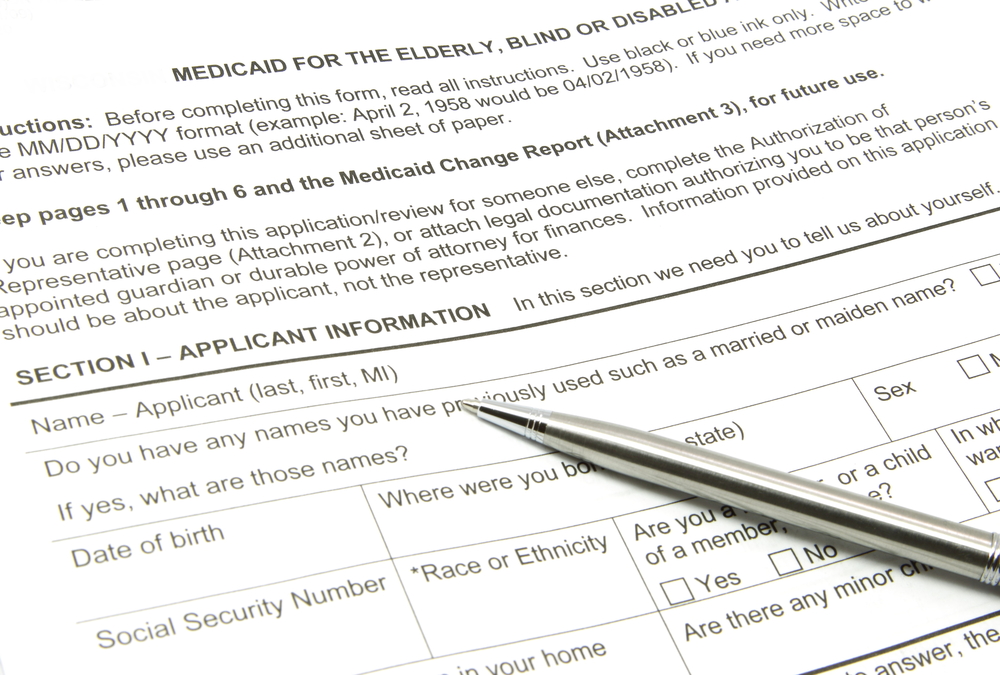
Because Medicaid is a joint federal and state program, the rules and dollar limits vary by state. Always verify details with your state Medicaid office or talk with an elder law attorney, especially if you are close to applying or worried about the look-back period.
What spend-down means
Medicaid long-term care eligibility typically looks at two buckets:
- Income (monthly money coming in, like Social Security or a pension)
- Resources (assets you own, like cash, bank accounts, investments, and certain property)
A spend-down is what people do when they are over the limit in one of those buckets.
Countable vs exempt basics
Every state has its own details, but a helpful way to think about it is: some things count toward the limit, and some things are treated as exempt (or partially exempt). Common examples people ask about:
- Primary residence: often exempt while you are living in it, and sometimes still treated as exempt if a spouse lives there or you state an intent to return, but many states also have a home equity cap for eligibility.
- Vehicle: many states exempt one vehicle up to certain rules.
- Personal belongings: clothing, basic household goods, and personal effects are often not counted.
This matters because a spend-down generally involves reducing countable resources, not stripping yourself of everything you own.
Resource spend-down
If your countable resources are above your state’s limit, you may be able to reduce them by paying for allowable expenses, paying down your own valid debt, or buying exempt items. The goal is to end up under the resource limit without making improper transfers.
Example: If you are $10,000 over the resource limit, you might spend that $10,000 on nursing home bills, dental work, an allowed prepaid burial contract, needed home repairs, or other permitted items so that you are under the limit when you apply.
Income spend-down
Some states use a “medically needy” path (or similar) where you can qualify after you incur enough medical expenses. Other states use an “income cap” model and require different planning tools when income is too high.
One common tool in income-cap states is a Qualified Income Trust (QIT), sometimes called a Miller Trust. The same theme still applies: Medicaid wants a clear, documentable trail showing where money went and why.
Example: If your income is over your state’s cap, you may not be able to “spend” your way eligible the same way you can with resources. In many income-cap states, the solution is a QIT setup, not last-minute purchases.
Spending that usually counts
Allowed spend-down expenses vary by state, but these categories are commonly accepted because they are for the applicant and are easy to document.
Medical and care costs
- Nursing home bills and back bills
- Assisted living or home care expenses (if applicable in your state’s program)
- Hospital bills, doctor bills, copays, deductibles
- Prescription drugs and medical supplies
- Dental care, dentures
- Vision care, glasses
- Hearing aids
- Medical equipment (wheelchairs, walkers, hospital beds)
A practical note on assisted living: in many states, Medicaid may cover some services through waivers, but room and board is often not covered. Always confirm what your state program pays for, and what it does not.
If you are already in a facility, paying legitimate care charges is usually the simplest spend-down to explain.
Paying off valid debt
Using excess funds to pay your own legitimate debt is often acceptable, such as:
- Credit card balances
- Personal loans
- Medical debt
- Auto loans
- Mortgage debt or home equity loans
- Past-due bills in your name
Documentation matters. Medicaid generally wants to see the debt existed (statements, loan agreements) and that you actually paid it (canceled checks, receipts, bank records).
Also be careful about anything that looks unusual, including paying someone else’s debt, paying debts that are not legally enforceable, or prepaying expenses in a way that does not match normal life patterns. Those can be treated as transfers in some situations.
Home-related expenses
Depending on your situation, spending on the home may be permitted, especially when it supports a spouse or a plan to return home. Common examples:
- Necessary repairs (roof, plumbing, electrical, heating and cooling)
- Accessibility changes (ramps, grab bars, widened doorways)
- Property taxes and homeowners insurance
- Utilities
- Basic furnishings or appliance replacement when truly needed
Keep invoices and proof of payment. Avoid overbuilt luxury upgrades that are hard to justify as “necessary.”
One more caution: while improving a home can be allowed, converting cash into home equity is not always a free-for-all because many states apply a home equity limit for long-term care Medicaid eligibility.
Prepaid burial and funeral arrangements
Many states allow certain irrevocable burial contracts or designated burial funds up to a limit. This is a common spend-down step because it is clearly for the applicant and reduces countable cash.
Ask specifically what your state allows, and whether the contract must be irrevocable and assigned in a particular way.
Replacing essential personal items
Buying items the applicant needs is typically fine, such as:
- Clothing and shoes
- A basic phone
- Eyeglasses
- Hearing aid batteries and supplies
- A wheelchair cushion or other comfort and mobility items
- A modest television for a room
Think “reasonable and supportable.” The closer your purchase looks like a normal life expense, the easier it is to defend.

Spending that can cause trouble
Medicaid is strict about transfers for less than fair market value, especially during the look-back window. For long-term care Medicaid, the look-back is typically 60 months, but there are state-specific nuances, exceptions, and differences by program category. These are the moves that tend to raise red flags.
Gifts and helping family
- Cash gifts to children, grandchildren, or friends
- “Early inheritance” distributions
- Paying someone else’s bills with no clear repayment agreement
Even if the intention is loving and practical, Medicaid can treat gifts as improper transfers.
Selling assets too cheap
- Selling a car to a relative for $1
- Selling a home well below market value
- Transferring property with only informal promises to “take care of you”
Medicaid generally expects fair market value and a paper trail.
Adding someone to accounts or deeds
- Adding a child as a joint owner on a bank account
- Deeding part of a house to a family member
These actions can look like partial gifts. They also can create risks unrelated to Medicaid, like exposing assets to someone else’s creditors.
Large purchases that do not fit your needs
Buying something expensive is not automatically disallowed, but it can be questioned if it looks like you are converting cash into something that benefits others or has no clear use for you. Examples that may invite scrutiny:
- Luxury jewelry
- Collectibles
- High-end electronics in multiples
- Home renovations that look like value-boosting upgrades rather than necessary repairs or accessibility changes
Paying family for caregiving
Some states allow caregiver agreements, but paying a family member informally can look like a gift. If payment to a relative is part of your plan, get legal guidance and use a written caregiver contract.
In most situations, this should be done prospectively (set up first, then pay as care is provided) and supported by contemporaneous timesheets and clear payment records. Retroactive lump sums are often where people get into trouble.
How transfer penalties work
When Medicaid decides a transfer was improper, it can impose a penalty period. Practically, that means Medicaid may say: you are otherwise eligible, but Medicaid will not pay for long-term care for a certain number of months. During that time, you still need a plan to cover care costs.

What reviewers want to see
Spend-down success is often less about what you bought and more about whether you can prove what happened.
Documents to keep
- Bank statements for every account, covering the period your state asks for
- Brokerage and retirement statements
- Receipts and invoices for purchases used in the spend-down
- Canceled checks or proof of electronic payment
- Contracts (funeral contracts, caregiver agreements, loan payoff letters)
- Debt statements showing balances before payoff and confirmation after payoff
- Property documents (tax bills, insurance, repair estimates, contractor invoices)
A simple system helps: one folder per month, with bank statements first, then receipts that match the large withdrawals or checks.
Match spending to withdrawals
If a bank statement shows a $6,000 withdrawal, you want paperwork showing exactly where that $6,000 went. When there is a gap, Medicaid may treat it as an uncompensated transfer unless you can explain it.
If you would be uncomfortable explaining a transaction to a cautious stranger with a calculator, pause and get advice before you do it.
Common scenarios
You need to reduce savings quickly
Safer, typically easier-to-document options include paying care bills, medical expenses, debt payoff, and permitted funeral planning. Avoid last-minute gifts and informal transfers.
You want to keep a spouse stable at home
Medicaid has special rules for a community spouse. You may hear terms like:
- CSRA (Community Spouse Resource Allowance), which can let the at-home spouse keep a portion of resources
- MMNA (Minimum Monthly Maintenance Needs Allowance), which can help protect some income for the at-home spouse
Spend-down decisions can affect the spouse, so it is worth getting state-specific guidance before moving assets or paying off major debts.
You want to move money to a child
This is one of the most common mistakes. A transfer can cause a penalty period that leaves you needing nursing home care but without Medicaid coverage for a time. If the instinct is “We will move it and figure it out later,” stop and talk to an elder law attorney first.
Quick checklist
- Confirm your state’s limits and rules for long-term care Medicaid (income and resources), including any home equity cap.
- List all accounts and assets and identify what is countable vs potentially exempt.
- Prioritize clean spend-down choices: care bills, medical bills, debt payoff, permitted funeral planning, essential items.
- Get invoices and keep proof of payment for everything.
- Avoid gifts and below-market sales, especially during the long-term care look-back period, which is typically 60 months.
- Ask about spouse protections if there is a spouse living at home (CSRA and MMNA rules).
- When in doubt, get state-specific advice before making big moves.

Where to get help
Spend-down rules get technical fast, and small missteps can be expensive. For accurate, state-specific guidance, start here:
- Your state Medicaid agency (eligibility rules, required documents, application procedures)
- An elder law attorney (planning for eligibility, spouse protections, look-back concerns, and avoiding penalties)
If you are already facing a nursing home admission or an imminent application deadline, professional guidance is not just a nice-to-have. It can be the difference between a smooth approval and months of delay.
FAQ
Is a spend-down the same as giving money away?
No. A spend-down generally means using your funds for your own needs or for permitted expenses. Giving money away can be treated as an improper transfer and may trigger a penalty.
Can I pay off my mortgage or credit cards before applying?
Often, paying your own legitimate debts can be an acceptable spend-down approach, but you need documentation and state rules vary. Large payoffs can still be scrutinized, especially if they are unusual for your spending pattern or tied to someone else’s obligation, so get guidance if you are close to applying.
Does Medicaid cover assisted living?
Sometimes. Many states cover some assisted living services through Medicaid waivers, but room and board is often not covered. Confirm the details for your state and the specific facility.
What if I already made a gift?
Do not panic, but do not ignore it either. Medicaid may impose a penalty period depending on timing and amount. This is a strong moment to talk with an elder law attorney about your options.
How far back does Medicaid look?
For long-term care Medicaid, many states use a 60-month look-back, but there are exceptions, state differences, and special rules. Confirm with your state Medicaid office or a qualified attorney.