
Impulse buying is not a character flaw. It is often a normal brain response to stress, novelty, and convenience. Online shopping just turns the volume way up with one-click checkout, targeted ads, and limited-time hype.
I know the cycle well: a long day, a scroll through your phone, a “deal” that feels urgent, and then that sinking feeling when the credit card balance updates. The good news is you don’t need monk-level willpower. You need a few smart psychological speed bumps that make your brain pause long enough for your budget to catch up.

Start here: find your triggers
Before we get into the 7 tricks, do a quick trigger check. Impulse purchases usually follow a pattern. When you can name the pattern, you can interrupt it.
Common triggers
- Stress and anxiety: buying as quick comfort or distraction.
- Reward seeking: “I deserve this” after a hard week.
- Boredom: shopping becomes entertainment.
- Scarcity pressure: limited-time offers, countdown timers, low-stock alerts.
- Social influence: TikTok, Instagram, YouTube reviews, “haul” culture.
- Convenience: saved cards, one-click checkout, buy now pay later.
A 2-minute trigger audit
Pull up your last 10 non-essential purchases (bank/app order history) and answer:
- What time of day did I buy this?
- What was I feeling right before I checked out?
- Where was I (bed, couch, break room)?
- What started it (ad, email, social post, boredom scroll)?
Pick the top 1 or 2 triggers you see repeating. The tricks below work best when you aim them at your real patterns.
Quick note: “Non-essential” can be a little blurry. A replacement phone charger or kid shoes might be necessary. If it helps, define non-essential as “not planned, not urgent, and I could wait a week without a real problem.”
7 tricks to stop impulse buying
1) The waiting rule (plus 10-10-10)
This is the classic for a reason: most impulse buys are emotional, and emotions cool off with time. Use these time frames as a starting point and adjust them to fit your budget and goals.
- If it costs under $50, wait 24 hours.
- If it costs $50 to $200, wait 72 hours.
- If it costs over $200, wait 7 days.
Then do the 10-10-10 check:
- How will I feel about this purchase in 10 days?
- How about in 10 weeks?
- How about in 10 months?
You’re not trying to talk yourself out of everything. You’re filtering out the stuff that only “works” in the heat of the moment.
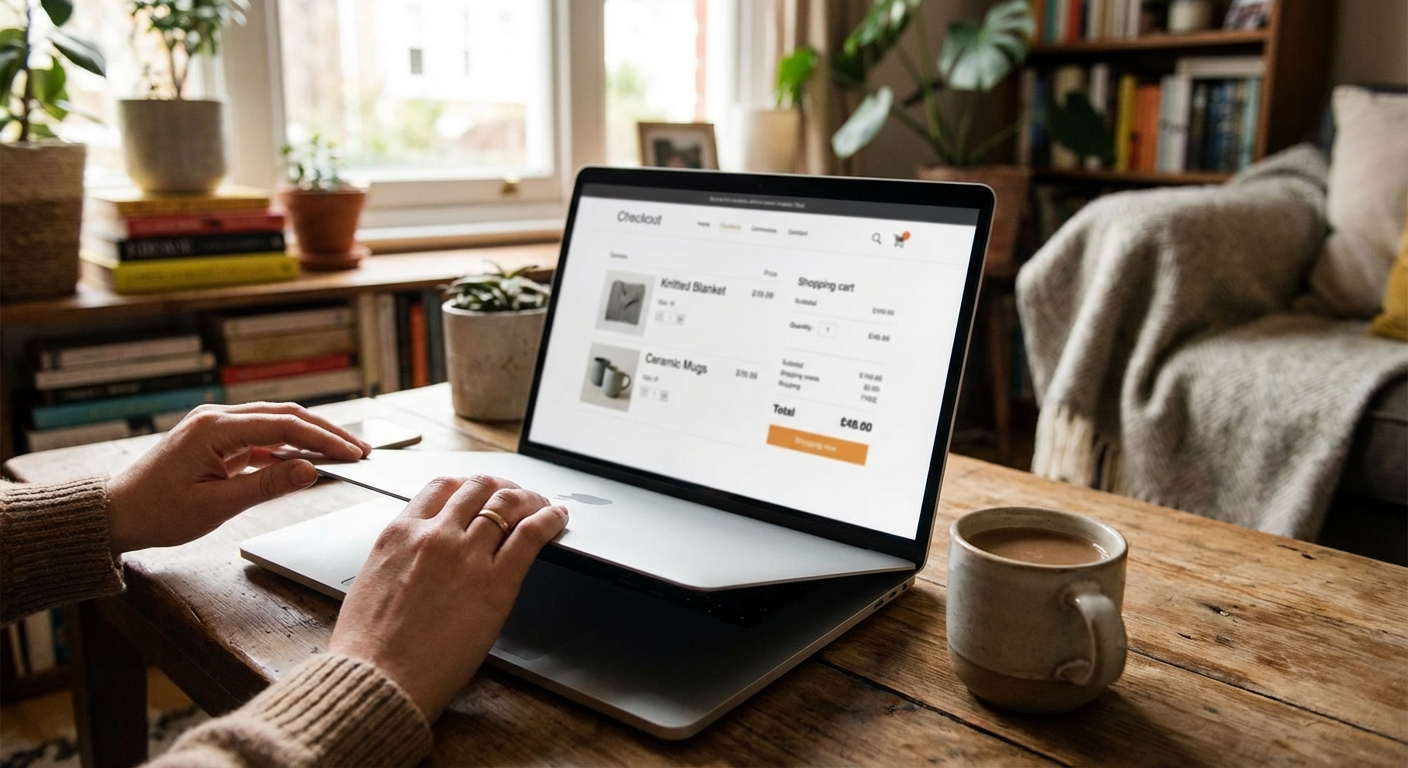
2) Park it in a cart (don’t check out)
Your brain likes the hunt and the “I found it!” feeling. Cart parking lets you enjoy the novelty buzz without the damage.
Here’s the rule: add the item to your cart, then close the tab and walk away. If you still want it after your waiting period, you can come back and reassess with a calmer brain.
Bonus: some retailers send coupon codes after you abandon a cart. Even if you do buy later, you’re buying from a more intentional place.
3) Rename it: “This costs me X hours”
We tend to think in dollars, but we feel time. Converting a purchase into work-hours makes it emotionally real.
Quick math:
- Take your hourly take-home pay (after taxes).
- Divide the price by that number.
Example: if you bring home $20/hour, a $120 impulse buy costs 6 hours of your life. Not “someday money.” Six actual hours.
This hits because it reframes the purchase from “it’s only $120” to “is this worth most of a workday?”
4) Pre-decide your rules
Impulse spending often happens because we make decisions while we’re tired, stressed, or bored. Pre-decisions remove the negotiation.
Try these three simple rules:
- No non-essentials after 9 p.m. (night shopping is a trap for a lot of us)
- No purchases from ads. (if you see it in an ad, you have to search for it later on your own)
- $X fun money limit per week. (guilt-free spending, capped)
This isn’t about being strict. It’s about setting guardrails while you’re clear-headed, so future you has backup when temptation shows up.
5) Add checkout friction
Modern shopping is designed to remove every obstacle between craving and checkout. Your job is to put two or three obstacles back.
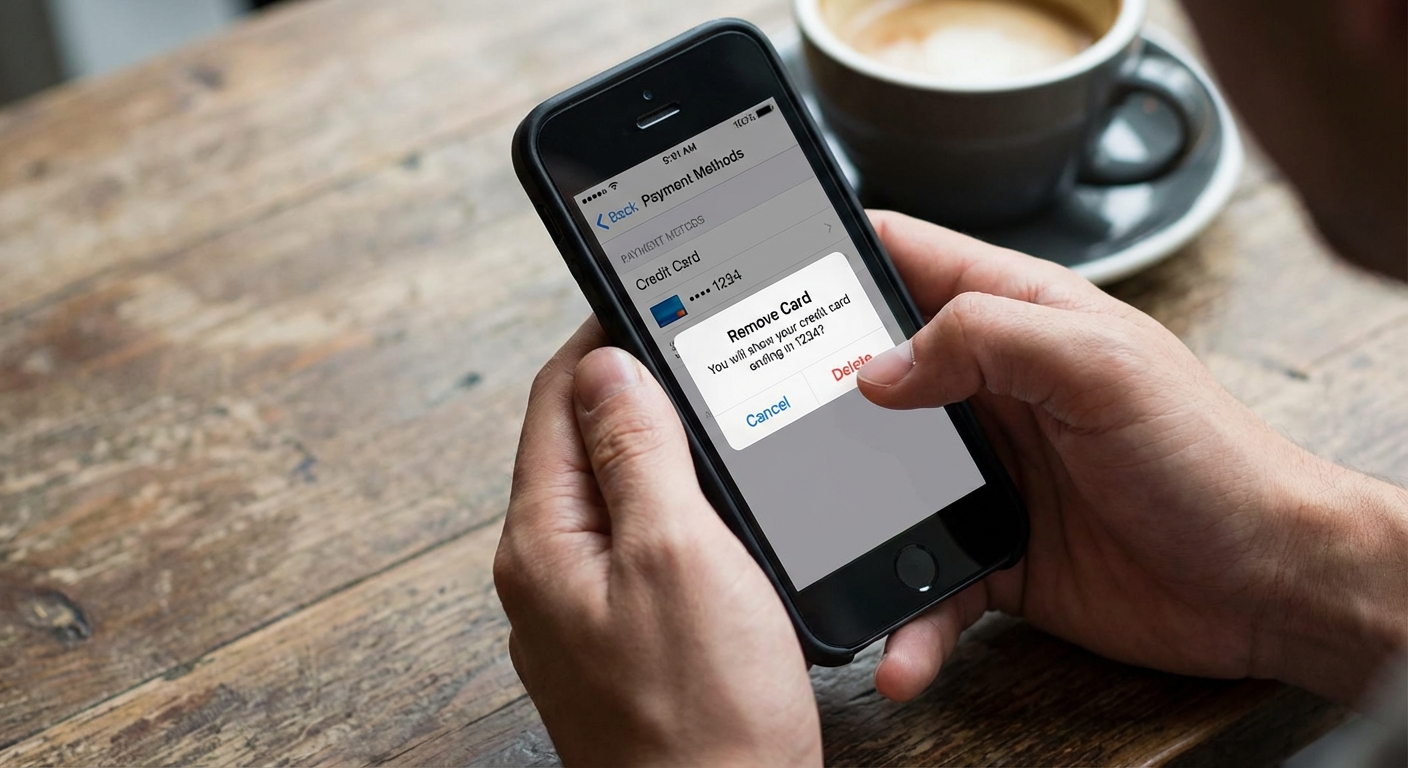
- Remove saved credit cards from your browser and shopping apps.
- Log out of retail apps after every use.
- Delete buy now pay later apps if they’re a problem for you.
- Turn off one-click purchasing.
- Use a separate browser profile for shopping with no saved info.
Even 30 extra seconds can help. It’s often enough time for your rational brain to ask, “Wait, do we actually want this?”
6) Use a replacement reward
Impulse buying is often a self-soothing strategy. If shopping is your stress relief, you need a substitute that scratches the same itch.
Build a short list of replacements that are fast and realistic:
- Take a 10-minute walk and listen to one song you love.
- Make tea or a flavored seltzer and sit down for 5 minutes.
- Text a friend “talk me out of buying something dumb.”
- Open your budget and move $5 into savings, then watch the number go up.
- Play a quick game, stretch, or do a short guided breathing session.
The goal isn’t to be productive. The goal is to let the urge peak and pass without spending.
7) Give your money a job
Impulse spending loves “extra” money. The best defense is assigning every dollar a role the moment it arrives.
Two easy ways:
- Automatic transfers: have a set amount move to savings right after payday.
- Sinking funds: create mini-buckets for things you actually want like travel, gifts, car repairs, and holidays.
When your money already has a job, an impulse purchase isn’t “just $40.” It’s “$40 I just took from vacation” or “$40 I just took from my car repair fund.” That mental shift is powerful.
Stop emotional online shopping
Online shopping is tricky because it’s always available and frictionless. A few targeted moves work especially well together.
Clean up your inputs
- Unsubscribe from retail emails for 30 days. Sales emails are basically invitations to spend money you didn’t plan to.
- Turn off push notifications from shopping apps.
- Hide or delete saved items lists that keep tempting you.
Set shopping hours
Give yourself a small window once or twice a week where you’re allowed to compare, decide, and buy intentionally. Outside that window, you can browse and cart-park, but you can’t check out.
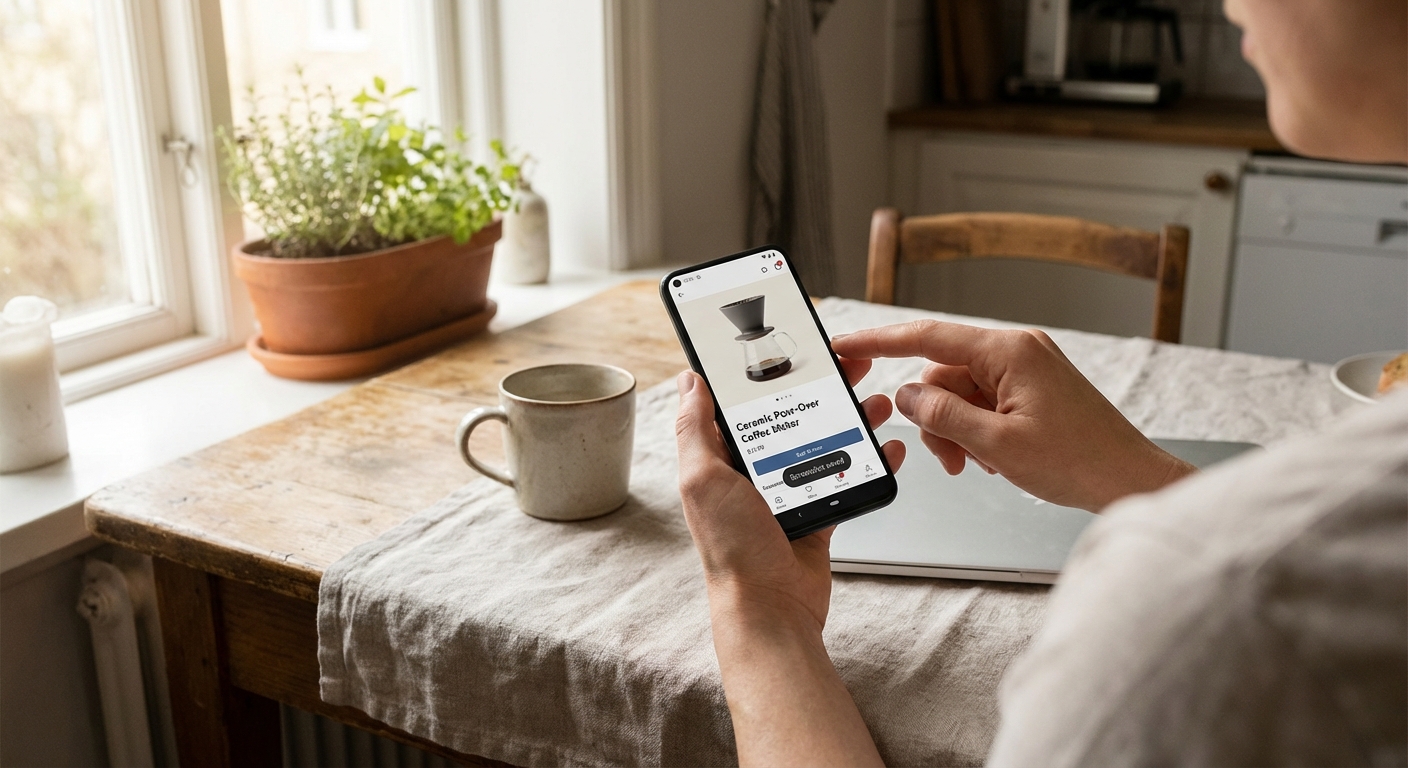
Use a screenshot wish list
If you see something you want, take a screenshot, then close the app. Review your screenshots during your shopping window. If it still matters, it makes the cut. If it doesn’t, it disappears like most internet cravings do.
A script for the moment you want to buy
When the urge hits, read this out loud (seriously):
“This is an impulse, not an emergency. I can buy it later if I still want it. For now, I’m going to park it in the cart, wait my set time (at least 24 hours), and check my fun money.”
It sounds basic, but naming what’s happening pulls you out of autopilot.
If you slip, do this next
Even with great systems, you’ll still have moments where you buy the thing. The win is what you do next.
- Do a 60-second review: What was I feeling? What triggered it? What can I change next time?
- Return it quickly if you can: returning is a financial skill, not a failure.
- Patch the budget: move money from a category on purpose so you stay in control.
Make returns easier (so you actually do them)
- Check the return window the same day the package arrives.
- Watch for restocking fees and “final sale” language.
- Keep the packaging and receipt until you’re sure.
- Put a return reminder on your calendar for 48 hours before the deadline.
Shame leads to more spending. Curiosity leads to better habits.
Quick action plan (pick 3 today)
- Turn off shopping app notifications.
- Remove saved cards and disable one-click checkout.
- Start the waiting rule (24 hours minimum).
- Create a weekly fun money limit.
- Make a short replacement reward list.
- Set one weekly shopping window.
- Set an automatic transfer to savings after payday.
Impulse buying thrives on speed and emotion. Your job is to slow it down and make it slightly inconvenient. That’s where your budget starts winning again.
When it might be bigger than habits
If shopping is impacting rent, debt payments, relationships, or you feel like you can’t stop even when it’s hurting you, it might help to talk to a therapist or a financial counselor. You deserve support, not just more tips.