
Getting a call from a debt collector can spike your heart rate in about two seconds. I have been there. When I was digging out of my own debt mess, one of the biggest sources of stress was not just owing money, but not knowing what I could say without making things worse.
The good news: you have rights, and you can use them without being rude, dramatic, or “lawyering up.” This guide will walk you through what the Fair Debt Collection Practices Act (FDCPA) protects, how to confirm the debt is legit, and what not to say if you want to keep your options open.

First: Figure out who is calling you
Not everyone trying to collect a debt is covered by the same rules. Under the FDCPA, the term “debt collector” generally means a third-party collection agency or a lawyer collecting on behalf of someone else. Original creditors (like your credit card company collecting its own debt) are often not covered by the FDCPA, though they may still be regulated by other federal and state rules.
Quick signs it is a third-party collector
- The company name is unfamiliar and does not match your original lender.
- They reference a “current creditor” that is different from the account you remember.
- The debt has been “assigned” or “purchased.”
Even if the FDCPA does not apply, you should still use the same cautious communication habits below, because the wrong phrase can cost you leverage either way.
Your core protections under the FDCPA (plain English)
The FDCPA is a federal law that sets boundaries for how debt collectors can contact you and what they can say or do. Here are the protections that matter most in real life.
They cannot harass you
- No repeated calls meant to annoy, abuse, or harass.
- No obscene or profane language.
- No threats of violence.
They cannot lie to you
- They cannot falsely claim you committed a crime.
- They cannot misrepresent the amount you owe.
- They cannot pretend to be a government agency.
- They cannot threaten actions they do not intend to take, or legally cannot take.
They have limits on when and how they contact you
- Generally, they cannot call before 8 a.m. or after 9 p.m. in your local time.
- They cannot contact you at work if you tell them your employer does not allow it.
- They usually cannot discuss your debt with other people (with limited exceptions like locating you).
Regulation F: More ways they can contact you
The CFPB’s Regulation F (an update to how the FDCPA is implemented) clarifies rules for modern communication, including texts, emails, and some limited social media messages. The practical takeaway is simple: collectors may try to reach you in more places than just your mailbox and your phone.
You can also set boundaries. If you do not want to be contacted by text or email, tell them to stop using that method and follow up in writing. Opting out of one channel does not automatically opt you out of all contact, but it can reduce the stress and keep your records cleaner.
You can tell them to stop contacting you
You have the right to send a written request for them to stop contacting you (often called a cease-contact letter). Once they receive it, they can generally only contact you to confirm they will stop, or to notify you of specific actions like filing a lawsuit.
Important: “Stop contacting me” does not make the debt go away. It just shuts down communication, which can be helpful, but sometimes it removes your chance to negotiate before things escalate.
Before you talk money: Make them validate the debt
Debt collection scams are real. Also, legitimate collectors can have wrong balances, wrong dates, or even the wrong person.
When a collector first contacts you, they must provide a written notice (often within five days) that includes the amount of the debt, the name of the creditor, and instructions for disputing the debt.
Ask for “debt validation” in writing
If you dispute the debt in writing within 30 days of receiving that notice, the collector must pause collection activity until they mail you verification.
What to request:
- The name and address of the original creditor
- The account number (at least partial) and the amount claimed
- An itemization of fees and interest (if applicable)
- Proof they are authorized to collect (or proof they own the debt, if it was sold)
How to do it safely
- Keep it short and boring. You are not writing a memoir.
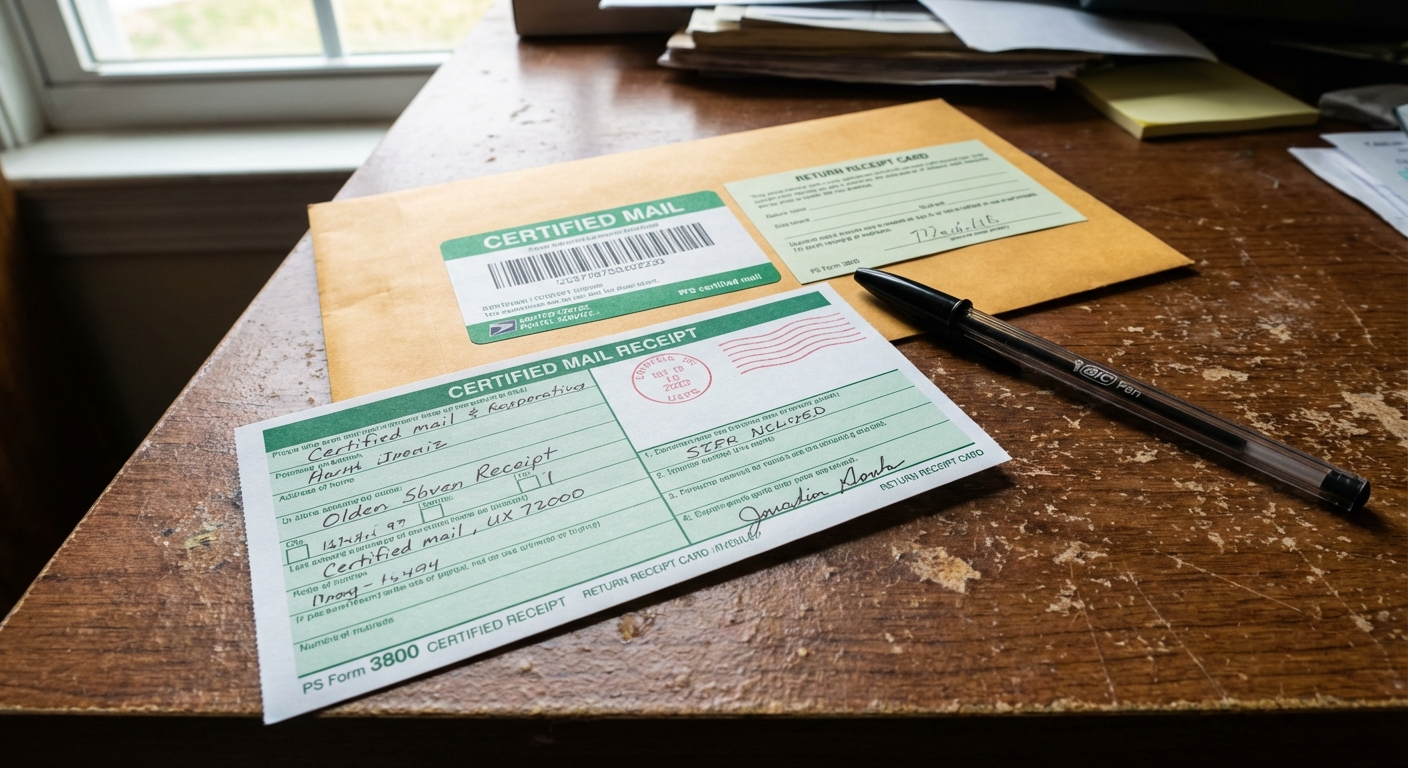
- Send it by certified mail with return receipt if possible.
- Keep copies of everything, including the envelope.
If the collector cannot validate, that is a huge red flag. Do not pay, and do not give them personal information “to help them find your file.”
What not to say to a debt collector (and what to say instead)
This is where people accidentally step on financial landmines. Collectors are trained to keep you talking. Your goal is to stay calm, gather facts, and avoid statements that can weaken your position.
Do not say: “Yes, I owe that”
Why it is risky: You might be admitting to a debt that is not yours, is the wrong amount, or is too old to collect in court.
Say instead: “I am not confirming anything over the phone. Please send me the debt details in writing.”
Do not say: “I can pay something right now”
Why it is risky: Paying even a small amount can sometimes restart the clock on how long a creditor has to sue, depending on your state and the situation. It can also weaken your negotiating position because you have just proven you will pay under pressure.
Say instead: “I am reviewing my records. Once I receive written validation, I will respond in writing.”
Do not say: “Here is my bank account”
Why it is risky: If something goes wrong (wrong amount, wrong date, wrong agreement), you can end up fighting to get your money back. Giving direct access to your checking account can also complicate budgeting when funds are tight.
Say instead: “If I decide to pay, I will do it through a method I control after we have a written agreement.”
Do not say: “I lost my job” or give extra life details
Why it is risky: The more they know, the more they can steer the conversation. You do not owe them your story.
Say instead: “I am not discussing my finances by phone. Put your request in writing.”
Do not say: “I am recording you” (without knowing your state law)
Why it is risky: Recording laws vary by state. Instead of threatening a recording, focus on documentation you can always do legally.
Say instead: “Please give me your name, company, mailing address, and a reference number for this call.” Then write everything down.

A simple script for collection calls
If you freeze up on calls, use this. Read it word-for-word if you need to.
Phone script
- “Can you tell me your full name, company name, and a call-back number?”
- “What is the name of the original creditor and the amount you are claiming?”
- “I am requesting validation of the debt in writing. Please mail it to me. I will respond in writing.”
- “I am not confirming personal information beyond my mailing address.”
If they pressure you to “verify” your Social Security number or date of birth, you can say: “I do not share sensitive information on incoming calls.” That is a complete sentence.
If they contact you by text or email and you want it to stop, use a short line like: “Do not contact me by text. Contact me by mail only.” Then send the same request by mail so you have a paper trail.
If the debt is real: Your best options (in order)
Once you have written validation and you are confident the debt is yours, you can choose the path that protects your budget and your long-term plan.
Option 1: Pay in full (only if it fits your plan)
This is the cleanest, but not always realistic. If you can pay in full, ask for a written statement showing the balance and that the payment satisfies the debt.
Option 2: Negotiate a settlement
Many collectors will accept less than the full balance. If you settle, get the agreement in writing first. Confirm:
- The exact settlement amount
- The due date
- That the payment resolves the debt in full
- How the account will be reported to the credit bureaus (if applicable)
Be careful with “pay for delete” promises. Some collectors will agree to request deletion, some will not, and credit reporting rules can be complicated. The key is having whatever they promise in writing.
Option 3: Set up a payment plan
If you need a plan, negotiate a monthly amount you can actually afford. I always recommend building a tiny buffer first, even $250, so you do not miss a payment the moment life happens.
Also: pay with a method you control, like online bill pay from your bank or a dedicated card, not direct ACH access to your checking account whenever possible.
Option 4: Dispute the debt (if something is off)
Wrong amount? Wrong dates? Not your account? Dispute it in writing and include copies (not originals) of any evidence you have.
Know the statute of limitations trap
Every state has a statute of limitations for debt, which is the time window a creditor or collector has to sue you to collect. After that window, the debt can become “time-barred,” meaning you may have a legal defense if sued.
Collectors can still try to collect time-barred debts in some situations, but the rules vary and are strict about what they can say. The big caution for you is this: in many states, making a payment or admitting the debt can potentially restart the clock.
If you suspect your debt is old, proceed carefully:
- Do not admit you owe it over the phone.
- Do not make a “good faith” payment until you understand the consequences.
- Consider talking to a consumer law attorney in your state if you are unsure.
How to stop collector harassment (without making it worse)
If calls are constant or abusive, you have a few escalating steps.
Step 1: Set communication boundaries
- “Do not call me at work.”
- “Only contact me by mail.”
- “Do not contact me by text or email.”
Follow up in writing.
Step 2: Send a cease-contact letter
This can be effective if you are being harassed or if you are working with a credit counselor or attorney. Just remember it may increase the chance the collector chooses the next step, including litigation, if the debt is within the statute of limitations.
Step 3: Document everything
Create a simple log with:
- Date and time
- Caller name and company
- Phone number
- What was said, especially threats or misleading claims
Step 4: Report illegal behavior
If a collector violates the law, you can file complaints with:
- The Consumer Financial Protection Bureau (CFPB)
- The Federal Trade Commission (FTC)
- Your state attorney general
What if they threaten to sue or garnish wages?
This is where fear tactics get loud. A collector can only garnish wages if they sue you, win a judgment, and follow your state’s rules for garnishment. They cannot just “turn on” garnishment because they feel like it.
Take it seriously, but do not panic
- If you receive court papers, do not ignore them. Deadlines matter.
- Verify the court is real. Scammers sometimes send fake documents.
- Consider legal help if you are being sued. Many consumer attorneys offer low-cost consultations, and some take FDCPA cases where the collector pays attorney fees if they violated the law.
A quick checklist before you pay a collector
- Have I received validation in writing?
- Do I recognize the original creditor and the dates?
- Is the amount itemized and believable?
- Is this debt within my state’s statute of limitations?
- Do I have the settlement or payment plan terms in writing?
- Am I paying with a method I control?
- Have I saved screenshots, emails, and receipts?
My bottom line
Debt collectors have a job to do. You have a life to protect. The winning move is staying calm, keeping everything in writing, and refusing to say the few phrases that hand over your power.
If you are feeling overwhelmed, start with one step today: request validation. That single action slows the process down and gets you out of the emotional spin cycle and into facts.
Not legal advice: This article is for educational purposes. If you are dealing with a lawsuit threat, wage garnishment, or a confusing old debt, a consumer law attorney in your state can help you understand your specific rights.