
If you’re staring down a hospital bill and feeling that familiar stomach-drop anxiety, you’re not alone. Here’s the good news: many hospitals, especially nonprofit hospitals, have charity care and other financial help programs designed to reduce or even erase eligible bills.
The problem is that a lot of people don’t hear about these programs until the bill is already overdue. This guide walks you through how hospital financial assistance typically works, what to gather, and how to ask to be screened early so you can keep your balance from sliding toward collections.
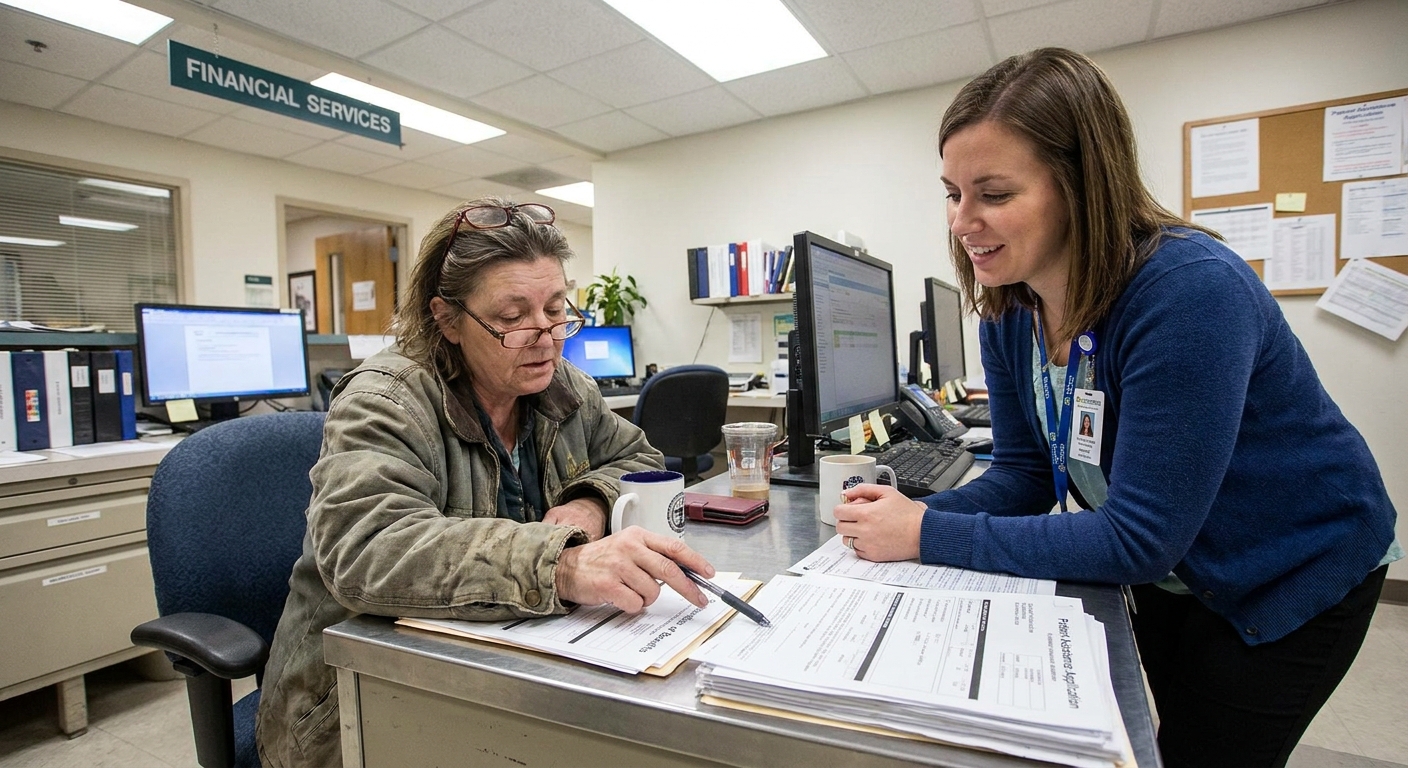
Charity care vs. financial assistance
Hospitals use different names, but you’ll usually see some version of these terms:
- Charity care: Free or reduced-cost care for patients who meet income and household guidelines.
- Financial assistance: An umbrella term that can include charity care, discounts for underinsured patients, and other relief programs.
Some hospitals also offer separate help for certain situations, like catastrophic bills after an emergency, or discounts if you’re uninsured. Key takeaway: you may qualify even if you’re insured or not extremely low-income, but eligibility varies widely by hospital and state.
Also worth knowing: even some for-profit hospitals offer discounts, hardship programs, or payment relief. They may not follow the same nonprofit federal requirements, but it is still worth asking what help is available.
How nonprofit hospital assistance works
If the hospital is a nonprofit (often a “501(c)(3)” organization), it generally has to maintain a written Financial Assistance Policy and communicate it to patients. This requirement comes from the Affordable Care Act’s Section 501(r), which sets standards for nonprofit hospitals related to financial assistance and billing and collections .
The specifics vary, but the process often looks like this:
- You request financial assistance or the hospital offers screening.
- You submit an application with documents (income, household size, insurance status, etc.).
- The hospital reviews and decides whether you qualify for partial or full relief.
- Your bill is adjusted (reduced, discounted, or covered), and you get a revised statement.
One important nuance: even if you qualify, hospitals often apply assistance only to eligible services. For example, the hospital facility charges may be covered, but some separately billed providers (like anesthesiology, radiology, pathology, or an emergency physician group) might not automatically be included. You can still use the same strategy with those providers, but you may need to contact them directly.
Another helpful ACA 501(r) detail in plain English: nonprofit hospitals generally must make reasonable efforts to see if you qualify for assistance before they take certain aggressive collection steps (often called “extraordinary collection actions”). That does not mean collections cannot happen, so you still want to act early, but it is a real protection you can ask about.
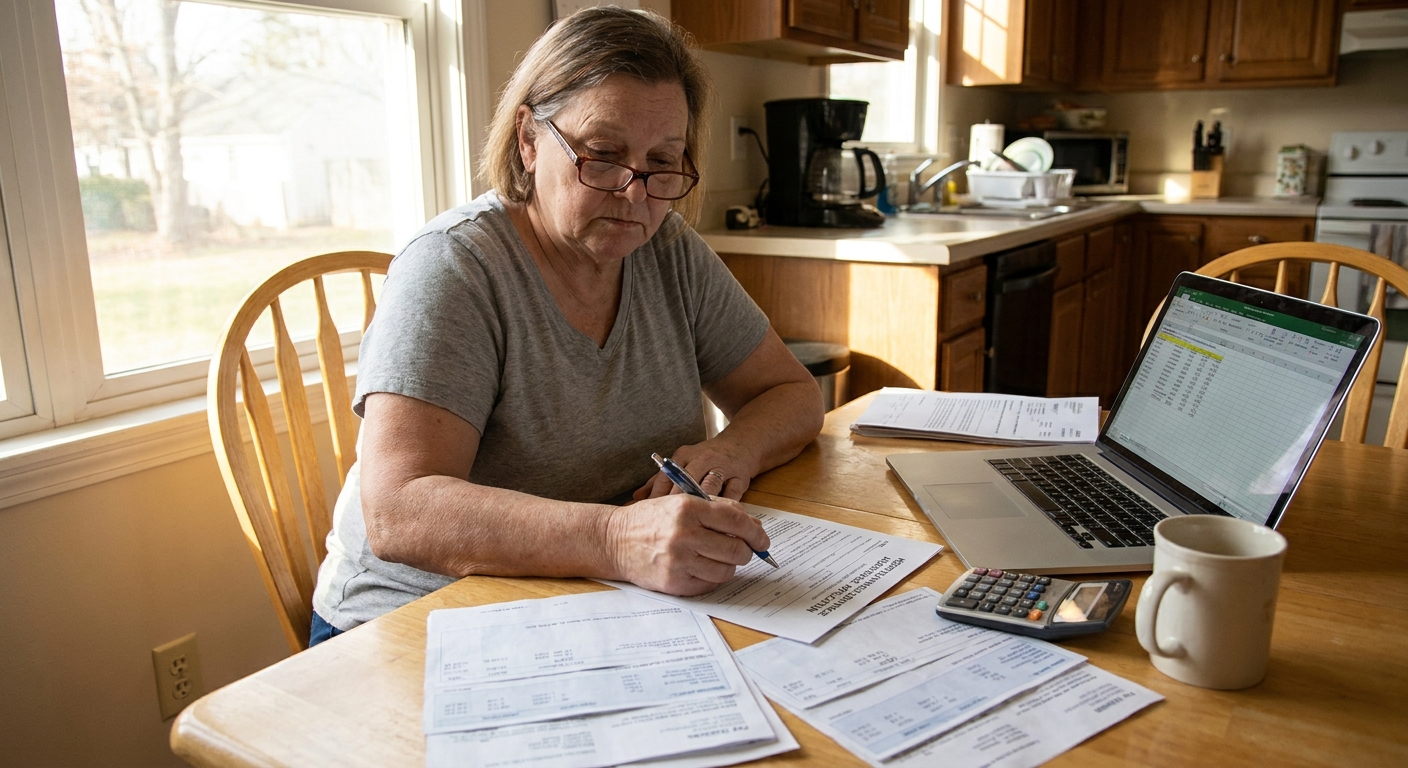
Apply early
My biggest tip is simple: start the financial assistance conversation as soon as you can. Ideally, that means:
- Before a scheduled procedure (ask for a cost estimate and a financial assistance screening)
- Right after an ER visit or hospital stay (as soon as you receive the first statement or portal message)
- Before the bill becomes past due (so you have time to submit documents and avoid late-stage collection steps)
When you call, ask to speak with Patient Financial Services, Financial Counseling, or the Billing Office, and use direct language like:
“I’m requesting a financial assistance or charity care screening. Can you tell me what program(s) I may qualify for, the application deadline, and how to apply before this bill becomes delinquent?”
Also ask whether the hospital can place a temporary hold on your account while your application is under review. Some hospitals will, but you typically have to request it.
If your income dropped recently, add one more request: ask if they can screen you for Medicaid (or connect you with an enrollment assister). Many hospitals have staff or partners who help with Medicaid applications, and qualifying for Medicaid can change everything.
What you’ll need
Hospitals want to confirm three main things: income, household size, and insurance status. Here’s what to gather before you apply so you do not get stuck in a back-and-forth loop.
Income documentation
- Recent pay stubs (often last 30 to 90 days)
- Last year’s federal tax return (or a statement that you did not file)
- Proof of unemployment benefits, Social Security, disability, or pension income (if applicable)
- If self-employed: recent bank statements, a profit and loss summary, or invoices
Household size
- A simple statement of who you financially support
- Sometimes proof of dependents (varies by hospital)
Insurance and coverage details
- Insurance card (if insured)
- Explanation of Benefits (EOB) from your insurer for the visit, if available
- Denial letters if your insurance denied the claim
Identity and residency (sometimes)
- Photo ID
- Proof of address (utility bill, lease, or similar)
If you’re missing documents, still start the process. Ask what alternatives they accept. For example, if you have irregular income, a hospital may accept a written explanation plus bank statements.
If you need it, ask for translated applications or an interpreter. Hospitals often have language access services, and you are allowed to request them.
Find the policy fast
You can usually locate the policy without waiting on hold. Try these steps:
- Search the hospital’s website for: “financial assistance policy” or “charity care”.
- Check the billing page, patient resources page, or the “About” section.
- If you cannot find it, call billing and ask them to email or mail the Financial Assistance Policy and the application.
When you review the policy, look for:
- Income limits (often based on a percentage of the federal poverty level)
- What services are covered (emergency care, medically necessary care, etc.)
- The application deadline (how long after the date of service you can still apply)
- Whether discounts apply to insured patients who still have high out-of-pocket costs
- Whether there are limits on charges for patients approved for assistance (common in nonprofit policies)
Don’t ignore the bill
Applying for assistance can pause the spiral, but you still want to protect yourself while the paperwork is moving. This is how you reduce the odds of surprise collections while you wait for a decision.
Do these five things:
- Ask for an itemized bill and check for errors or duplicate charges.
- Confirm the bill is actually from the hospital (and ask about any separate bills from providers).
- Request an account hold while your application is pending (if available).
- Keep everything in writing. Save emails, portal messages, and the name and extension of anyone you speak with.
- Meet deadlines. If they give you a deadline (for example, “please send documents within 14 days”), treat it like a hard deadline.

If you’re denied
A denial is not always the end of the road. It can mean your application was incomplete, the hospital used a different definition of household income, or they need more context.
Step 1: Ask why, in writing
Request a written explanation and the specific policy criteria used to decide. Ask:
- What information was missing?
- What income period did they use?
- Did they count certain income you believe should be excluded?
Step 2: Resubmit with a short cover letter
Add a one-page letter that clearly states:
- Date(s) of service
- Account or guarantor number
- Household size
- Monthly income details
- Any special circumstances (job loss, reduced hours, divorce, medical disability)
Step 3: Escalate inside the hospital
If you’re not getting traction, ask for a supervisor in Patient Financial Services or a financial counselor. You can also ask whether the hospital has a patient advocate or ombudsman.
Step 4: Get outside help
If you feel stuck, consider contacting:
- Dollar For, a national nonprofit that helps patients apply for hospital charity care for free
- Patient Advocate Foundation, which offers case management and help navigating medical bills and coverage issues
- A local nonprofit credit counselor (look for a reputable, accredited agency)
- A legal aid organization in your area (especially if income is low or the bill is already in dispute)
- Your state’s consumer assistance resources if you suspect unfair billing practices
Even if you end up paying something, the goal is to get the bill into a manageable, documented agreement before it turns into a collections problem.
Assistance vs. payment plans vs. negotiating
These options can work together, but they are not the same.
Hospital financial assistance
- Best for: Low to moderate income households, large unexpected bills, uninsured or underinsured patients.
- Main benefit: Can reduce or forgive the balance, not just spread payments out.
- Ideal timing: As early as possible, even before the first bill is due.
Payment plans
- Best for: When you do not qualify for assistance or you still owe a reduced balance.
- Main benefit: Predictable monthly payments, sometimes interest-free.
- Watch for: Plans that still feel too high. If the payment will break your budget, ask for a longer term or a lower monthly minimum.
Negotiating the bill
- Best for: Uninsured patients requesting a self-pay discount, or anyone with obvious billing issues.
- Main benefit: You might get a lower lump-sum payoff amount or discounts based on typical insurance rates.
- Pro move: Ask, “Is there a prompt-pay discount if I can pay a portion today?”
If you can only do one thing today, do this: apply for financial assistance first. You can always set up a payment plan later, but once you lock yourself into a plan you cannot afford, it’s harder to climb out.
Quick phone script
Keep it simple and calm. Here’s a script you can read word-for-word:
“Hi, I’m calling about my hospital bill and I want to apply for financial assistance or charity care. Can you tell me how to start the application, what documents you need, the exact deadline to apply, and whether you can place my account on hold while the application is reviewed? Also, are there any separate provider bills I should contact separately, and can you screen me for Medicaid if my income changed?”
Then write down:
- The person’s name and department
- The date and time of your call
- What they said you should submit
- The deadline
- Where to send documents (portal upload, email, fax, or mail)
- Whether any collections activity is paused while you apply
If collections are close
If you’re behind and worried the account is about to be sent out, move fast:
- Call billing today and ask if the account is scheduled for collections placement.
- Request an immediate hold due to a pending financial assistance application (if available).
- Submit the application the same day if possible, even if it is incomplete, and ask what you can send later.
- Pay a small good-faith amount only if it makes sense for your budget and they confirm it will not interfere with your assistance request. Because policies vary, ask for that confirmation in writing if possible.
Most importantly, do not disappear. Silence is what pushes accounts into the “automatic next step” bucket.
Bottom line
Hospital charity care and financial help exist for a reason. If the bill is stressing you out, you are exactly the type of person these programs are meant to help.
Your best play is to request screening early, submit a complete application, and ask whether your account can be placed on hold while the hospital reviews your documents. And if you’re denied, ask why, appeal, and escalate. Medical bills can feel personal, but the process is often just paperwork and persistence.
Action step for today: Find your hospital’s Financial Assistance Policy online or call Patient Financial Services and ask for the application, the exact deadline to apply, and whether collections are paused while your application is under review.
Note: This article is for general information, not legal or financial advice.