
Heat pumps are having a moment and for good reason. They can cut heating costs, improve comfort, and in many homes they also unlock a meaningful federal tax break. The tricky part is figuring out which credit you are actually using, because in 2026 there are two big buckets people lump together:
- §25C, the Energy Efficient Home Improvement Credit, which is mostly about efficiency upgrades to your home
- §25D, the Residential Clean Energy Credit, which is mostly about clean energy equipment like solar, batteries, and geothermal
I am going to keep this consumer-first and jargon-free, but I will also be honest: the right credit depends on what you install, where it goes, and what the paperwork says. This is one of those home upgrades where planning before you swipe the card can be the difference between a nice credit and a frustrating surprise at tax time.
The two credits
§25C: efficiency upgrades
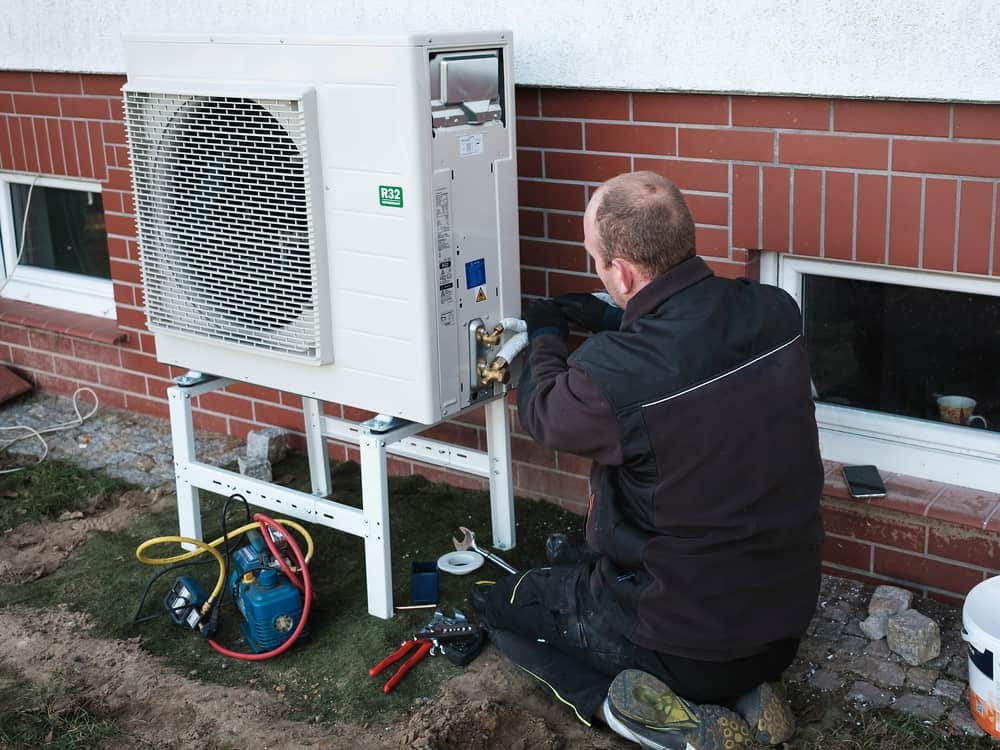
Think of §25C as the credit for making your existing home more energy efficient. In many cases, air source heat pumps and heat pump water heaters fall here because they are considered high-efficiency heating and cooling equipment.
§25C is a tax credit (a dollar-for-dollar reduction of your federal income tax), not a deduction. It is also nonrefundable, which means it can reduce your tax liability down to zero, but it typically cannot push it below zero.
§25D: clean energy equipment
§25D is the bucket most people recognize from solar content. It generally covers clean energy property such as solar panels, battery storage, geothermal heat pumps, and a few other qualifying technologies.
Here is the key connection to heat pumps: many heat pumps qualify under §25C (common air source heat pumps), while geothermal heat pumps generally fall under §25D. That difference matters because the percentage, caps, and documentation expectations can be different.
Key numbers for 2026
To keep this simple, here are the numbers most homeowners care about. Always verify the exact eligibility and percentage for the year your system is placed in service using IRS guidance and the manufacturer certification documentation.
- §25C (heat pumps): Typically 30% of qualifying costs up to $2,000 per year for qualifying heat pump property (model-specific).
- §25C (other measures): §25C also has an overall annual cap that commonly applies to many other improvement categories (often discussed as $1,200 per year for certain items), with separate category limits. Do not assume the heat pump cap is the only limit in play.
- §25D (geothermal, solar, batteries): Typically discussed as 30% of qualifying costs, with no explicit annual dollar cap the way §25C has. (Still subject to eligibility rules and any year-by-year changes.)
Where heat pumps fit
Most homeowners looking at a standard heat pump upgrade are comparing:
- Air source heat pumps (including many ductless mini-splits and ducted systems)
- Heat pump water heaters
- Geothermal heat pumps (ground source)
Air source heat pumps: usually §25C
For 2026, air source heat pumps are generally tied to §25C when they meet the program’s efficiency standards. In real life, that means you want to confirm the exact model you are buying is listed by the manufacturer as meeting the federal requirements for the year you install it.
My practical rule: do not rely on a salesperson saying “it qualifies.” Ask for the manufacturer’s certification statement for that specific model.
Heat pump water heaters: commonly §25C
Heat pump water heaters are often eligible under the efficiency upgrade credit category when they meet required efficiency levels. Again, eligibility is model-specific.
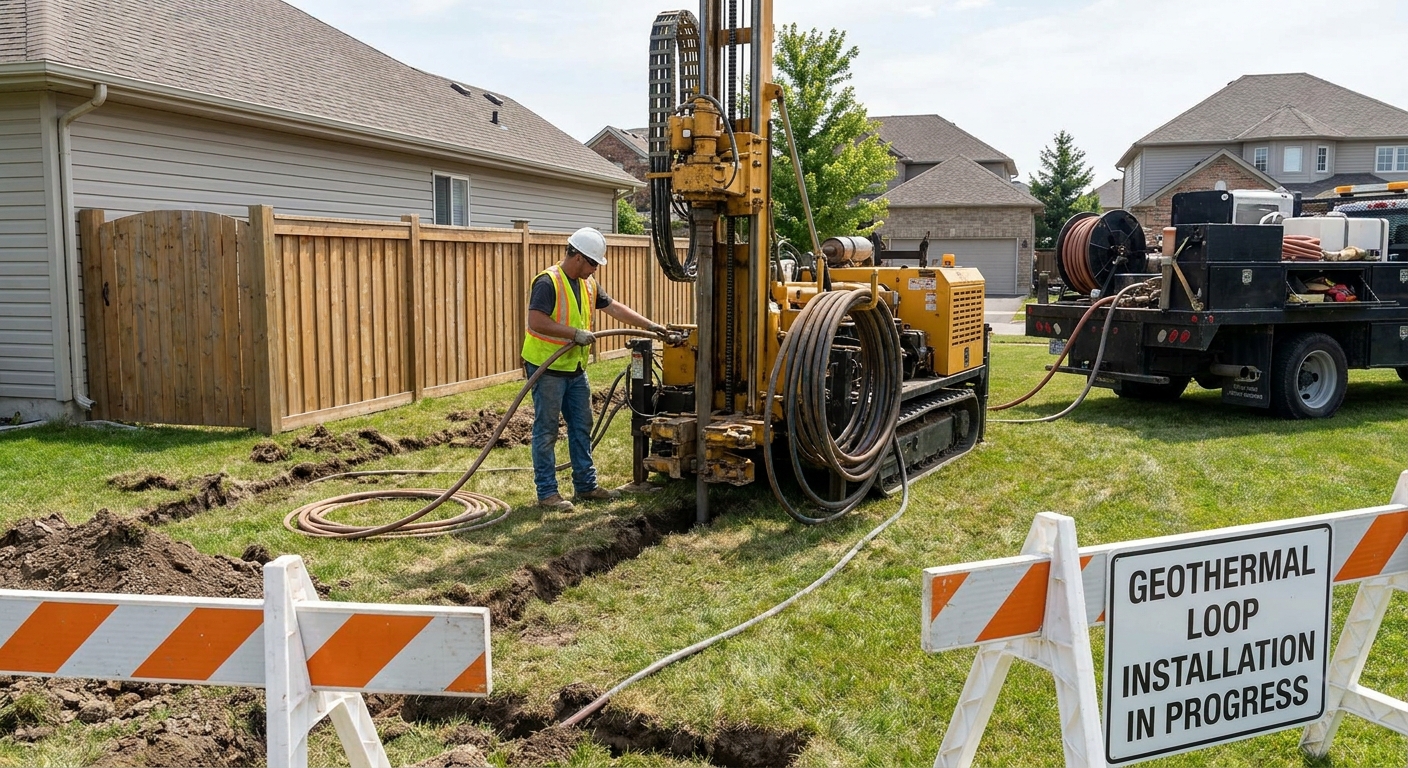
Geothermal heat pumps: typically §25D
Geothermal systems are usually considered clean energy property, which is why they typically land under §25D instead of §25C. These projects are also higher-ticket and more likely to involve financing, contractor coordination, and longer payoff math.
If you are doing geothermal, you want your tax planning and your project planning talking to each other.
What counts
This is where people accidentally leave money on the table. A heat pump project can include:
- Equipment: the heat pump itself, possibly an air handler or mini-split heads, and sometimes a heat pump water heater
- Supporting work: electrical upgrades, new thermostat, duct sealing, insulation, or panel work
Labor: quick clarification
One important nuance: under §25C, installation labor for qualifying heat pump equipment is generally eligible as part of the project cost. That is why an itemized invoice matters, not because labor is automatically excluded, but because you want clean documentation for what was installed and what was charged.
Also worth saying plainly: other labor around the project may or may not qualify. If an electrical upgrade is required to install and run the qualifying equipment, it may be treated differently than unrelated work you decided to bundle into the same invoice. Itemization helps your tax pro (and you) draw clean lines.
Why itemization still matters
§25C has annual limits and sometimes sub-limits by category. Even if your total project cost is much higher, your credit is limited by those caps.
Bottom line: the credit is not automatically for the entire invoice. Some line items may qualify and others may not. The cleanest way to protect yourself is to ask your contractor for an itemized invoice that separates each major component and the associated installation work.
What usually does not qualify
Every situation is different, but these are common invoice lines that often cause confusion:
- Routine maintenance (tune-ups, cleanings)
- Extended warranties, service plans, and memberships
- Repairs that are not part of placing the qualifying equipment in service
- Optional accessories that are not required for the qualifying measure (ask your installer to separate these)
If your paperwork just says “HVAC upgrade: $14,500” you are making tax time harder than it needs to be.
Using §25C and §25D together
Here is the mindset that keeps you out of trouble: you do not double dip on the same expense. You generally pick the credit that applies to that specific installed property.
But you can still be strategic within the rules:
- If you install an air source heat pump (often §25C) and also install solar or a battery (often §25D) in the same year, those are different categories and may both be relevant.
- If you plan upgrades across multiple years, §25C’s annual cap structure can make timing important. Spreading qualifying projects across tax years can sometimes help you capture more credit versus doing everything at once.
Reality check: tax credits only help to the extent you have tax liability for the year. With a nonrefundable credit, you can reduce your total tax to zero, but not below zero. Your withholding does not block the credit. If you had high withholding, you can still benefit, you would simply see it as a larger refund (or a smaller balance due) because your total tax liability is lower.
Do not ignore IRA rebates
If you are planning a heat pump in 2026, the tax credits are only half the story. The Inflation Reduction Act also created point-of-sale home energy rebates that, when available in your state and you qualify by income, can reduce the cost upfront.
HEEHRA rebates
The program most homeowners ask about is often referred to as HEEHRA (High-Efficiency Electric Home Rebate Act). It is designed primarily for low-to-moderate income households and can include rebates for heat pumps and related electrification upgrades (like electrical panel work in some cases).
Two practical notes:
- Availability varies by state and timing depends on state program rollout and funding.
- Rebates and tax credits can interact. Rebates often reduce your out-of-pocket cost first, and your tax credit is generally based on what you actually paid. The details can vary by program design and guidance, so check the specific rebate terms and confirm with your tax preparer.
If you think you might qualify, ask contractors upfront whether they are set up to process the rebate at the point of sale and what documentation they need from you. It can change your budget math dramatically.
Eligibility basics
Primary home, second home, rental
These credits are primarily aimed at your residence, but the rules can differ between a primary home, a second home, and rental property.
- §25C is commonly discussed in the context of improvements to an existing home you use as a residence.
- §25D clean energy credits often apply to a home you own and use (including many second-home situations), but rentals are usually a different playbook and may fall under separate business energy rules.
Example: If you install solar on a cabin you personally use part of the year, that may still be a §25D conversation. If you install equipment on a property you rent to tenants and do not use as a residence yourself, do not assume the consumer credit applies the same way.
New construction vs existing home
§25C is commonly discussed for existing homes receiving improvements. If you are building new, you may be in a different incentive landscape.
Placed in service matters
For federal energy credits, timing is usually about when the equipment is placed in service, meaning installed and ready to use, not when you ordered it or put down a deposit. If you are doing a late-year install, get clarity from your contractor on realistic completion timing.
Paperwork to keep
If you want a smooth filing season, build a simple digital folder called something like “Heat Pump Tax Credit 2026” and drop everything into it as you go.
- Itemized invoice showing equipment and installation labor, plus each major component
- Proof of payment (receipt, credit card confirmation, canceled check, or financing agreement)
- Manufacturer’s certification statement for the exact model number
- AHRI certificate or product spec sheet showing efficiency ratings (helpful even when not strictly required)
- Permit sign-off and final inspection documentation if applicable
- Installer contract including the install address and date the project was completed
- Photos of the outdoor unit nameplate and model and serial number (quick proof if paperwork gets messy later)
- If you use a rebate, keep the rebate approval, the final point-of-sale discount record, and any program terms

Small but important: save the model number in a note on your phone. If you ever need to replace a part or verify eligibility, you will not be hunting for it in a pile of papers.
Shopping tips
1) Treat the credit as a bonus
I have seen people rationalize a bigger system because “the credit will cover it.” The credit can help, but it should not be the reason you stretch your emergency fund thin.
2) Ask contractors the right questions
- What is the exact model number you are quoting?
- Can you provide the manufacturer certification statement for federal tax credit purposes?
- Will the invoice be itemized with equipment and installation labor clearly shown?
- Will you do a load calculation so the system is sized correctly?
- Are you set up to apply any state IRA rebates at the point of sale, if available?
3) Watch for “necessary” add-ons
Some add-ons are genuinely needed, like electrical work for an older home. Others are nice-to-haves. Be clear on what is required for safety and code versus what is optional. If it is optional, ask to have it listed as a separate line item so your documentation stays clean.
Solar and financing
If you are pairing a heat pump with solar, the logic is solid: a heat pump can increase your electricity use, and solar can help offset it. But financing decisions can make or break the value.
At a high level, solar is often financed through a cash purchase, a loan, or a lease or PPA. The main thing to remember is this:
- Tax credits generally go to the owner of the system. If a third party owns the solar equipment, you may not be the one claiming the credit.
- If you use a loan, some lenders structure payments assuming you will apply the tax credit to the balance. That can be fine, but only if you are confident you can use the credit based on your tax situation.
My favorite approach for many households is to keep it simple: price the project as if the credit did not exist, confirm you can afford the payment comfortably, then treat the credit as a planned boost to savings, principal paydown, or your next efficiency upgrade.
Quick checklist
- Confirm whether your heat pump is air source (often §25C) or geothermal (often §25D)
- Know the key numbers and the cap structure: §25C heat pumps are typically 30% up to $2,000 per year, and §25D geothermal is typically 30% with no explicit annual dollar cap
- Remember §25C also has other annual caps that may apply to additional measures you bundle into the project
- Get the model number and the manufacturer certification statement before install
- Request an itemized invoice that includes equipment and installation labor
- Check whether IRA rebates (like HEEHRA) are available in your state and whether you may qualify
- Create a folder for receipts and documentation the same week you start the project
If you want the calmest experience possible, loop your tax preparer in before the install, not after. A 10-minute conversation up front can prevent a lot of expensive assumptions later.
Friendly disclaimer
I am not a CPA or tax attorney. Credits can change, and eligibility can hinge on details like your install date, your home type, the exact equipment, and state rebate availability. Use this as a planning guide, then verify with the manufacturer documentation, IRS guidance, your state rebate program rules, and a qualified tax professional for your situation.