
If you have ever walked into a house and thought, “This place could be amazing… after a new roof, a kitchen, and about twelve trips to Home Depot,” you have already understood the basic problem that FHA 203(k) loans solve.
A 203(k) loan is an FHA mortgage that lets you buy (or refinance) a home and finance renovations in the same loan. Instead of trying to come up with repair cash after closing, you roll eligible improvement costs into your mortgage and pay it back over time.
In 2026, 203(k) loans are still one of the most realistic paths for first-time buyers and value-focused buyers who want a better home than their budget would normally allow, as long as you can handle the paperwork and the timeline.
Quick note before we dive in: HUD rules and lender overlays change. Even when FHA allows something, your lender may be stricter. Confirm caps, timelines, and contractor requirements early.

What a 203(k) loan is (and is not)
A 203(k) is not a personal loan, and it is not a credit card for renovations. It is a government-backed mortgage that can include:
- Purchase price (or existing loan payoff)
- Eligible renovation and repair costs
- Some renovation-related fees (like a consultant on Standard 203(k), inspections, permits, and contingency reserves when required)
The renovation money is not handed to you at closing. It is placed into an escrow account and paid out in stages as work is completed and verified.
Why buyers use a 203(k)
- You can buy a home that would not qualify for typical FHA financing because it needs repairs.
- You can avoid draining your emergency fund right after moving in.
- You may compete better in a tight market by considering homes other buyers skip.
Where people get tripped up
- The process is more involved than a plain FHA loan.
- You usually must use lender-approved contractors who are properly insured (and licensed where required).
- Timelines are strict, and delays can get expensive and stressful.
Basic eligibility rules
Most people focus on the renovation part, but the loan is still FHA at its core.
- Owner-occupancy: 203(k) is generally intended for owner-occupants, not investor flips.
- Down payment: FHA is known for a 3.5% minimum down payment for qualified borrowers (you still have to meet lender and FHA eligibility standards).
- Property type: Often used for 1 to 4 unit primary residences. Some condos and mixed-use properties can be trickier. Your lender will confirm what is eligible.
If you are trying to buy something that does not fit the owner-occupied, primary-residence box, find that out before you fall in love with the house.
Limited vs Standard 203(k)
There are two main versions of the 203(k). The easiest way to think about them is: Limited is for smaller, non-structural projects. Standard is for bigger jobs that may involve structural work or major rehab.
Limited 203(k) (formerly “Streamline”)
Limited 203(k) is designed for repairs and upgrades that improve livability and safety but do not involve structural changes.
- Best for: cosmetic updates, minor repairs, replacing worn-out systems, and safety fixes
- Usually faster and cheaper than Standard
- No HUD 203(k) consultant required in many cases, but lender overlays exist
- Renovation cap: Limited has a maximum rehab amount, and the exact cap can change over time. In a 2026 framing, the safest guidance is: confirm the current Limited cap with your lender before you write an offer around it.
Standard 203(k)
Standard 203(k) is the heavy-duty version. It is used for major renovations, structural repairs, and projects that need detailed oversight.
- Best for: big rehabs, structural changes, room additions, foundation work, and repairs that require engineering or extensive plans
- HUD 203(k) consultant is often required to write up the work plan and oversee draw inspections (lender overlays can apply)
- More paperwork and more moving parts, but it can turn a true fixer-upper into a financeable home
Quick decision rule: If the renovation feels like something a flipper would tackle, you are probably in Standard territory. If it is “new roof, new appliances, fresh flooring,” Limited may do the job.
What repairs qualify in 2026
203(k) rules are designed around making a home safe, sound, and functional. You can often include upgrades, but the intent is not luxury for luxury’s sake.
Common eligible improvements
- Roof repair or replacement
- HVAC, plumbing, and electrical updates
- Kitchen and bath remodels (within reason)
- Flooring, drywall, paint
- Window and door replacement
- Accessibility modifications (ramps, wider doors, grab bars)
- Lead-based paint remediation
- Mold remediation when properly documented and tied to correcting the source issue (leaks, ventilation, drainage)
- Termite damage repair and treatment
- Energy improvements such as insulation or efficient appliances, depending on the scope
- Appliances when they are part of an eligible renovation scope. Built-in and permanently installed items are more commonly accepted than freestanding replacements. Rules vary by lender.
- Structural repairs (Standard 203(k)) including foundation work and load-bearing changes
Commonly ineligible or problematic items
- Luxury upgrades like outdoor kitchens, hot tubs, or high-end resort features
- Swimming pools (typically not allowed)
- Major landscaping that is purely aesthetic (basic grading and drainage fixes may qualify)
- DIY labor reimbursement for your own work in most cases
- Anything that does not add to safety, function, or basic livability
If you are unsure whether a repair qualifies, ask your lender early and get it in writing. One of the easiest ways to lose weeks is to plan a project around an item that cannot be financed through the 203(k) escrow.
Contractor rules
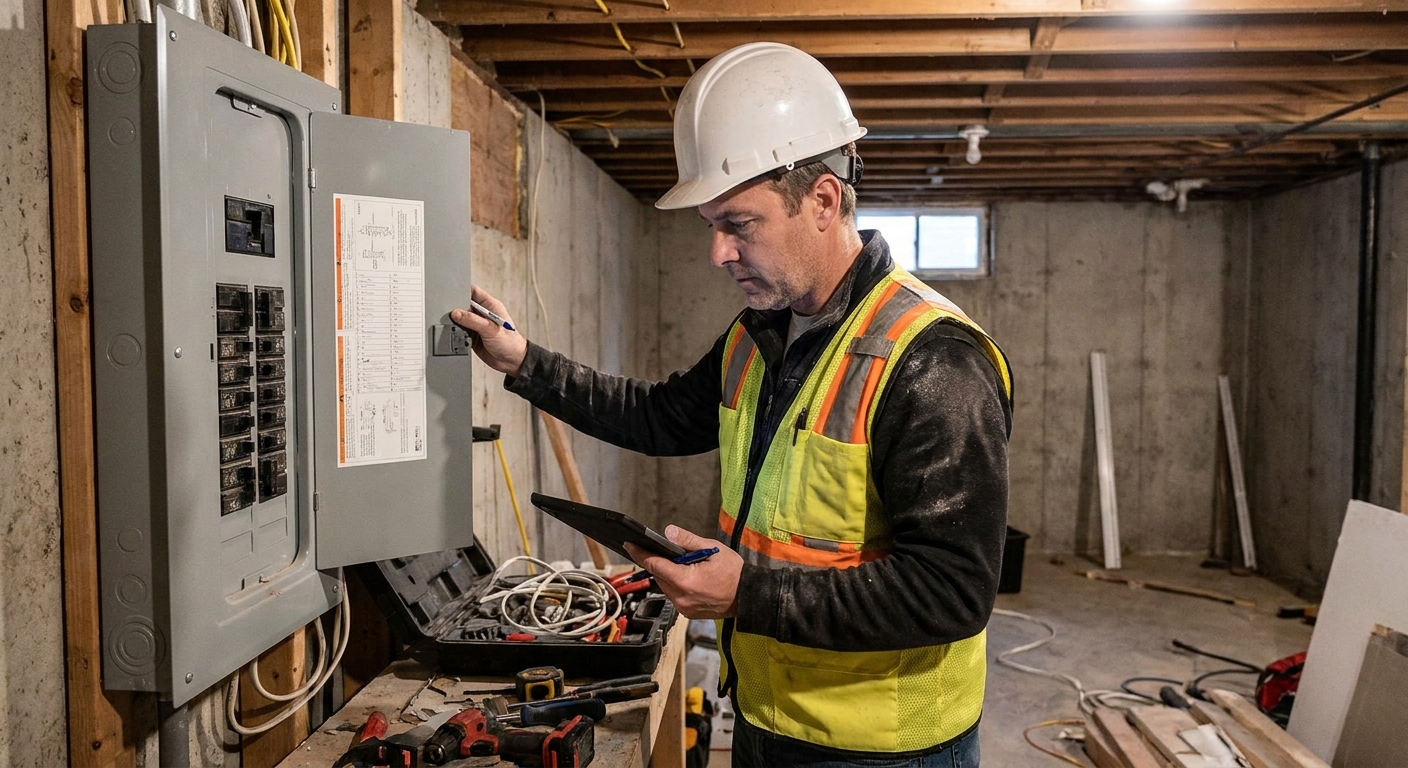
This is the part that surprises a lot of buyers, especially handy ones. In most 203(k) loans, you will need to use lender-approved contractors who are properly insured (and licensed where required) and provide documentation upfront.
What lenders typically require
- Contractor bid(s) that break down labor and materials
- Proof of insurance and, where applicable, license
- W-9 and business information
- Signed agreements and timelines
- Sometimes, a review of the contractor’s experience with 203(k) projects
Can you do any work yourself?
Sometimes limited “self-help” is allowed, but it is lender-specific and often restricted to borrowers with documented experience. Even when allowed, you generally cannot finance your own labor cost. Translation: if your plan depends on doing the work nights and weekends, a 203(k) may be the wrong tool.
How to pick a contractor who will not derail the loan
- Ask directly: “Have you done a 203(k) project before?”
- Confirm they are comfortable with draw schedules and inspections.
- Get a detailed, line-item bid. Vague bids slow approvals.
- Choose someone who communicates fast. This process is paperwork-driven.
Timeline requirements
A 203(k) loan adds steps before closing and after closing. Planning for those steps is half the battle.
Typical 203(k) timeline
- Offer accepted on the home
- Initial contractor walkthrough and rough bids
- Appraisal (often based on the “after-improved” value, depending on lender process)
- Final scope of work and bids submitted to lender
- Underwriting reviews the loan, the repair plan, and the budget
- Closing and renovation escrow is set up
- Work begins after permits and initial draw rules are met
- Draws and inspections as phases complete
- Final inspection and escrow closes out
How long do you have to complete the work?
Many 203(k) projects are targeted for completion within about six months. Extensions may be possible depending on the situation and lender or HUD requirements, but you should not assume extra time is automatic.
My real-life advice: build buffer time into everything. Contractors get sick, permits slow down, backordered materials happen, and the lender will still want their paperwork on schedule.
Typical 203(k) costs and fees in 2026
You are financing a more complicated mortgage, so the fees are usually higher than a plain FHA loan. Some costs vary a lot by lender, region, and project size, but here are the categories you should expect.
Mortgage insurance and FHA basics
- Upfront Mortgage Insurance Premium (UFMIP): FHA loans typically include an upfront mortgage insurance charge that is often financed into the loan.
- Annual FHA mortgage insurance: Paid monthly as part of your payment. The rate depends on factors like loan term and down payment.
Renovation-specific fees
- HUD 203(k) consultant fee: Common on Standard 203(k) loans.
- Supplemental origination fee: Many lenders charge an extra fee for the renovation administration.
- Inspections and draw management fees: Fees for each draw or inspection can apply.
- Title updates: Sometimes required at each draw to ensure no liens have been filed.
- Permits: Paid to your local municipality as required.
- Contingency reserve: Often required, especially on Standard. Many projects use a contingency reserve in the 10% to 20% range depending on scope and risk, but your lender will set the actual requirement.
Budgeting reality check
If your contractor says the job will cost $35,000, do not assume your 203(k) budget will be exactly $35,000. Between permits, inspections, a contingency reserve, and lender fees, the total renovation escrow can be meaningfully higher. Your lender should provide a worksheet that breaks this down.

How the 203(k) loan amount works
One of the most confusing parts is what you are actually borrowing against. With a 203(k), the lender looks at the home’s value after the planned improvements, based on an appraisal and your approved scope of work.
That “after-improved” value matters because it impacts how much you can borrow and whether the deal makes sense. If the numbers do not work, you might be in a situation where you love the house, but the renovation you want is bigger than what the post-renovation value supports.
The 203(k) math that matters most
- Purchase price
- Renovation budget (including contingency and fees)
- After-improved appraisal
- Your down payment and closing costs
- FHA county loan limits in your area, which can cap the final loan amount even if the appraisal supports more
If you are buying a home that is overpriced for its condition, a 203(k) will not magically fix the appraisal gap. It can finance repairs, not overpaying.
A quick example
Say you buy a home for $250,000 and plan $40,000 in approved repairs (plus required fees and contingency). If the after-improved appraisal comes in at $280,000, your borrowing power is anchored to that after-improved value and FHA rules, not your wish list. If the appraisal comes in low, you may need to reduce the scope, renegotiate price, or bring cash to the table.
How payments work during renovation
You will make your normal monthly mortgage payment even while the home is being improved. If the home is unlivable during part of the renovation, some 203(k) structures may allow financing certain payments into the loan for a limited period, depending on the project and lender rules. If that matters for your deal, ask about it early, not after you close.
Pros and cons
Pros
- One loan, one payment for purchase + renovation
- Low down payment compared to many conventional rehab options, often as low as 3.5% for qualified borrowers
- Helps finance homes that will not pass a normal FHA appraisal due to condition issues
- Can be a path to instant equity if you buy right and improve smart
Cons
- More paperwork and stricter rules than standard financing
- Contractor coordination is not optional
- Longer closing timeline in many cases
- Renovation stress while you are also adapting to homeownership
Why 203(k) loans get delayed
Most 203(k) problems are not mysterious. They are operational.
- Contractor paperwork is incomplete (insurance, W-9, bid detail, timelines)
- Scope of work does not match FHA expectations (missing required health and safety fixes)
- Appraisal comes in low on the after-improved value
- Permits and municipal timelines do what they do
- Change orders pile up after walls open
203(k) vs HELOC vs cash-out refinance
If you are buying a fixer-upper, a 203(k) is often the first option to evaluate because it is built for purchase + rehab. A HELOC or cash-out refinance can be great tools, but they usually require you to already have equity.
When a 203(k) is usually the better fit
- You are buying a home that needs repairs to be livable or financeable.
- You do not have a lot of cash to renovate after closing.
- You want to spread renovation costs over the life of the mortgage.
When a HELOC might be better
- You already own a home and have equity.
- You want flexibility to renovate in phases.
- You prefer paying interest only on what you draw, rather than financing the full renovation amount immediately.
When a cash-out refinance might be better
- You have significant equity and can replace your current mortgage with a new one that still makes sense rate-wise.
- You want a single loan and payment, but you are renovating a home you already own.
If you are comparing these options for an existing home (not a purchase), you can jump to our deeper breakdown: HELOC vs Cash-Out Refinance: Which One Makes Sense?
Alternatives to 203(k)
Not every lender loves 203(k) loans, and not every project fits the rules. Here are the main alternatives buyers use in 2026.
Conventional renovation loans
Some conventional programs allow purchase plus renovation with different rules than FHA. They may be a better fit if you have stronger credit or want to avoid FHA mortgage insurance.
Buy with a standard mortgage, renovate with cash
This can be the smoothest closing experience, but it demands real cash reserves. My rule: do not burn your emergency fund to renovate. Homeownership already comes with surprise bills.
Seller repairs or credits
In some deals, you can negotiate repairs or a credit at closing. This will not replace a full renovation budget, but it can cover the “must-fix” items that would otherwise block financing.
Personal loans or 0% APR credit cards (use carefully)
These can work for small, contained projects with a clear payoff plan. The risk is obvious: high interest if you do not pay it down fast, and your debt-to-income ratio can get messy.
A prep checklist
If you want the smoothest possible experience, your goal is simple: reduce surprises. Here is a practical checklist you can follow.
- Get preapproved with a lender that actually closes 203(k) loans regularly.
- Ask which 203(k) type they recommend for your project and what their renovation cap and fee structure look like.
- Confirm county loan limits early so you do not build a plan that cannot be financed.
- Line up contractors early, before you are under a tight purchase contract deadline.
- Write a clear scope: must-haves first (roof, HVAC, safety), wants second (finishes).
- Plan for temporary housing if the home will be unlivable during early work.
- Keep a cash buffer for moving costs, utilities, and life. The loan covers approved work, not your stress.
- Expect delays and build them into your timeline and budget.
Bottom line
An FHA 203(k) loan is one of the most powerful ways for a normal buyer to turn a fixer-upper into a safe, comfortable home without needing a giant pile of cash on day one. The tradeoff is complexity: more rules, more documentation, and more patience required.
If you love the idea of buying a home with “good bones” and fixing it up the right way, 203(k) financing is absolutely worth exploring in 2026. Just make sure you choose a lender and contractor team that knows the process, because a 203(k) is not the place to learn on the fly.