
If you already have Medicare Part D Extra Help (also called the Low-Income Subsidy or LIS), it can feel like the rug gets pulled out from under you when a notice shows up saying Social Security is “reviewing” your help. I have been there with money paperwork that spikes your stress for a week straight. The good news is that this process is normal, and there are specific rules for what Social Security checks, what you must report, and what happens to your premium and copays if your Extra Help changes.
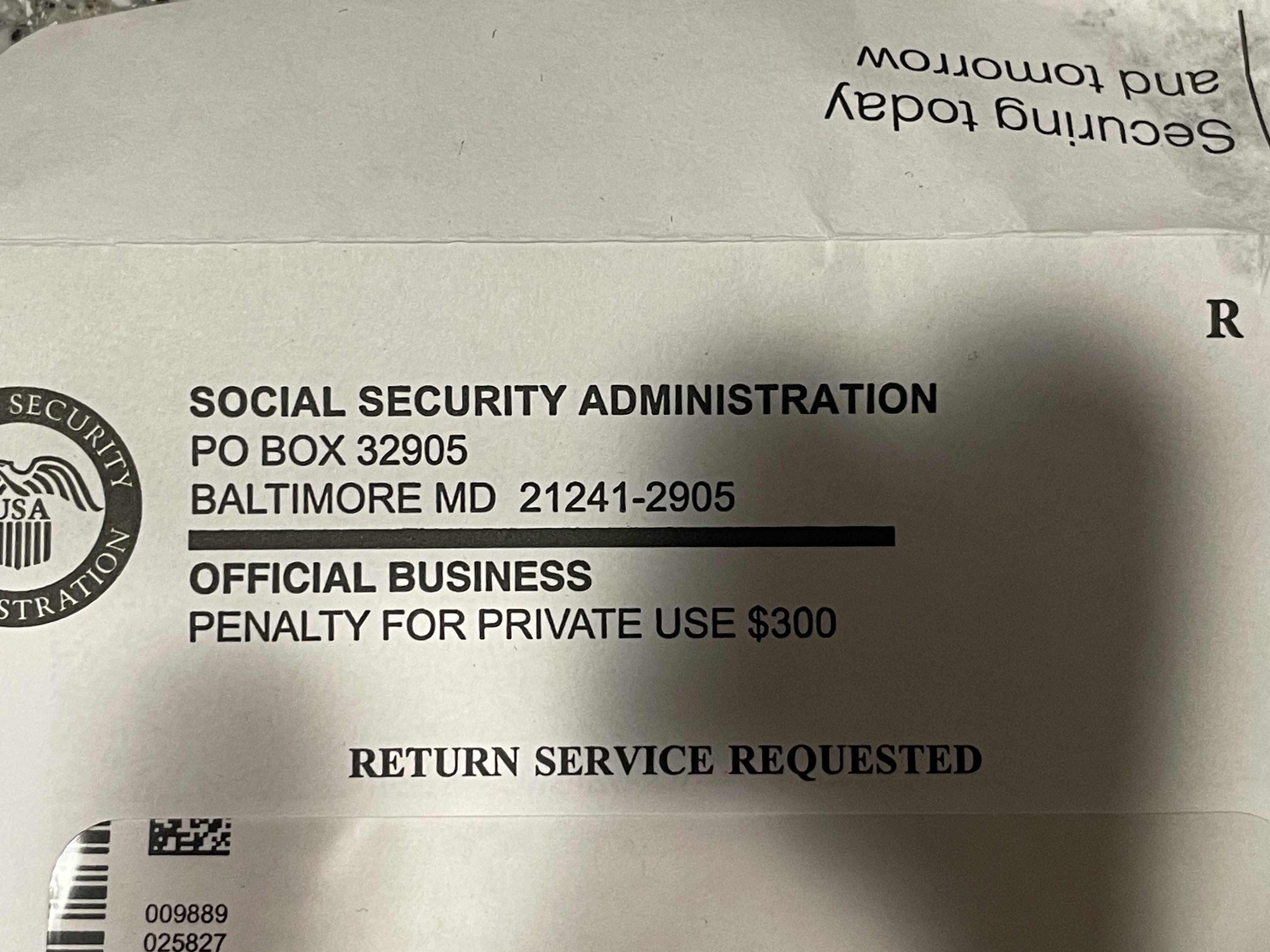
This article is about the later review cycle, not the first-time application or the initial income limits. We are focusing on what happens after you already have Extra Help.
What redetermination means
Extra Help redetermination is Social Security’s periodic check to confirm you still qualify for the subsidy.
Since Jan. 1, 2024, Medicare’s Extra Help benefit is no longer split into “full” and “partial” levels, per federal guidance implementing the Inflation Reduction Act changes. In plain English, that means a redetermination generally leads to one of two outcomes:
- Continue your Extra Help
- End your Extra Help if you no longer qualify
This review can happen even if nothing in your life has changed. A lot of the time, Social Security is matching information from other sources, or they are working through their regular review cycle.
How the review works
There are two main ways your Extra Help status gets reviewed:
- Automatic data matches: Social Security may confirm eligibility using information already on file from benefit programs and government records.
- A mailed request for information: You may get a form or letter asking you to confirm or update income and resources.
If you get a form, treat it like a deadline-driven bill. Put it on the calendar the same day. These notices typically include a due date and instructions for where and how to return the information. If Social Security doesn’t get what they need by the due date, your Extra Help can be stopped even if you still qualify.
If that happens, don’t panic, but don’t ignore it either. In many cases, benefits can be restarted once you respond or you ask for a review within the notice timelines.

Keep in mind: your Part D plan can change yearly, and premiums change yearly too. That is separate from Extra Help redetermination. The redetermination is about whether the subsidy still applies.
Changes to report
Extra Help is based on your income and resources (assets). If you have a change that could affect either one, it’s smart to report it quickly and keep records of what you reported and when.
Income changes to report
- Starting or stopping a job
- Changes in pay (higher or lower)
- Beginning or ending pension payments
- Changes to annuity income
- Changes in financial help you receive from others that is countable as income
- Marriage, divorce, or a spouse’s income change (because household income can change)
Resource changes to report
- Money added to or removed from checking or savings
- New certificates of deposit (CDs), money market accounts, or similar accounts
- Stocks, bonds, mutual funds, or other investments purchased or sold
- Changes in property you own that counts as a resource (this is case-specific)
- Receiving a lump sum that remains available to you (for example, an inheritance)
Two important reminders:
- Not everything you own counts the same way. Social Security uses specific rules for what counts as a resource and what is excluded. For many people, things like a primary home, a vehicle, and personal belongings are often not counted, but don’t treat that as a blanket rule. When in doubt, ask.
- Even “good” changes, like a small raise or a modest inheritance, can push you over the line and cause you to lose Extra Help.
If you’re unsure whether something is reportable, it’s usually better to ask than to guess. Underreporting can create a mess later.
If Extra Help ends
If Social Security ends your Extra Help after redetermination, you generally return to the standard cost structure of your Part D plan. That can mean:
- You may pay the full monthly premium
- You may have a deductible (depending on the plan)
- Your copays or coinsurance can increase
- You lose the Extra Help limits on what you pay at the pharmacy
This is where people get blindsided, because the change might not show up until the plan processes an updated subsidy status and the pharmacy runs your next fill.
What to do right away
- Read the notice carefully and save it. The effective date matters.
- Call your Part D plan and ask what your premium and copays should be based on your current LIS status.
- Ask Social Security what income or resource information they used if you think the decision is wrong.
- Look at plan options during the appropriate enrollment period if your costs jump and you need a better fit.
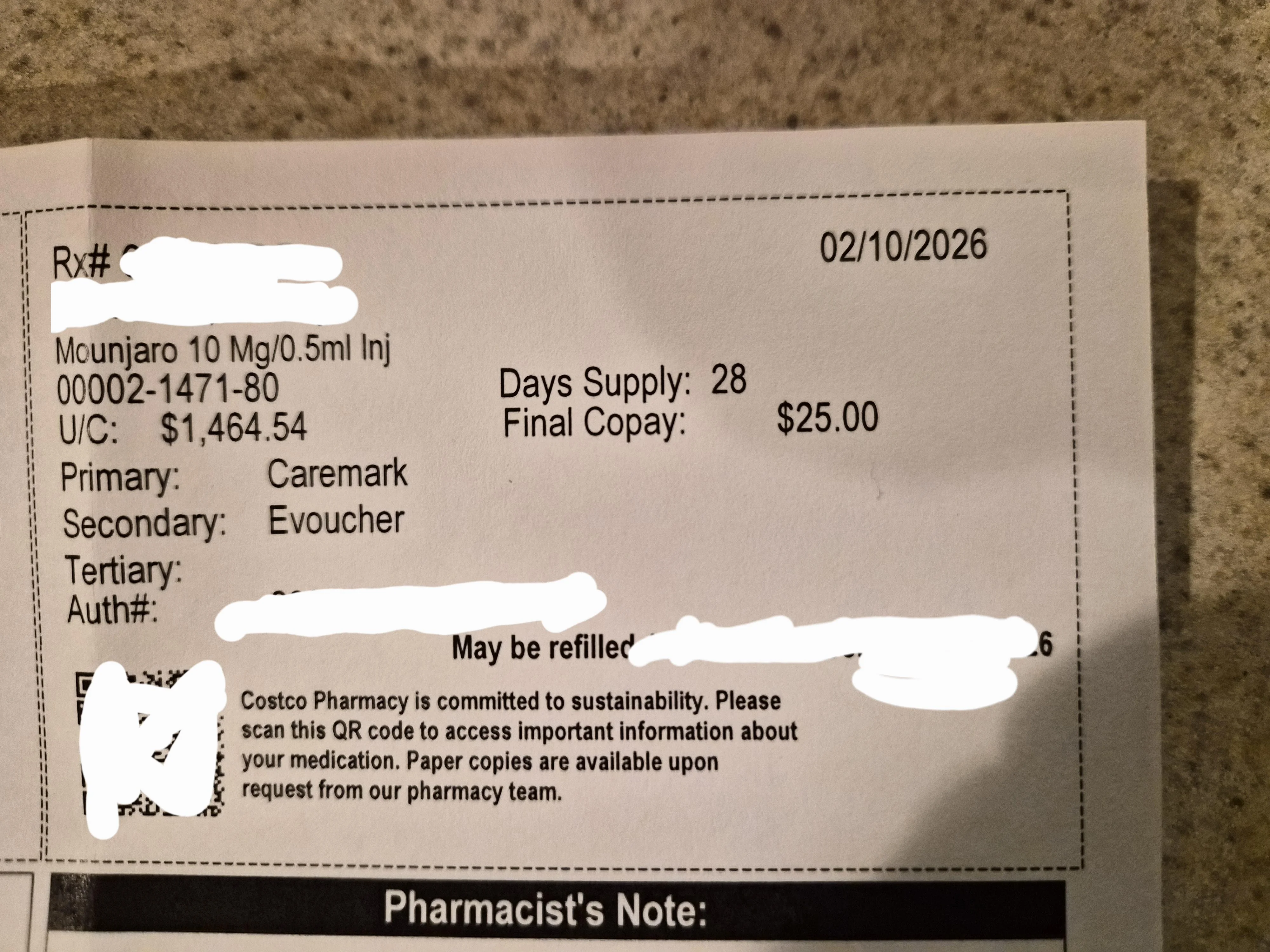
In real life, the first place you often feel this is the pharmacy counter. If you suddenly pay more than you did last month, don’t assume the pharmacist did anything wrong. It can be a subsidy change, a plan change, a drug tier change, or a deductible resetting. You may need to confirm which one it is.
Extra Help is not always $0
One quick detail that saves a lot of confusion: having Extra Help doesn’t always mean your Part D premium is $0.
Extra Help is tied to a “benchmark” premium amount, and that benchmark varies by state. If you pick a plan with a premium above the benchmark, you may still owe part of the premium even while you qualify for Extra Help. Your plan can tell you exactly what portion, if any, you owe.
MSPs can restore Extra Help
This is one of the most important “second chance” rules to know.
If you qualify for a Medicare Savings Program (MSP) through your state Medicaid office, you can often be treated as automatically eligible for Extra Help. In other words, MSP status can restart Extra Help without you needing to file a brand-new Extra Help application with Social Security.
MSPs include programs that help pay Medicare costs like the Part B premium for people with limited income. The exact MSP categories and income rules vary by state, but the key takeaway is simple:
- If you get approved for an MSP, keep the approval notice.
- Your Extra Help can be re-established through that MSP connection. The update is usually handled through data transfers between agencies, but if your plan doesn’t reflect it, follow up with your plan or Social Security to make sure your status is updated.
Also worth knowing: MSP isn’t the only “deemed” pathway. Some people are automatically eligible for Extra Help through Medicaid or SSI status as well.
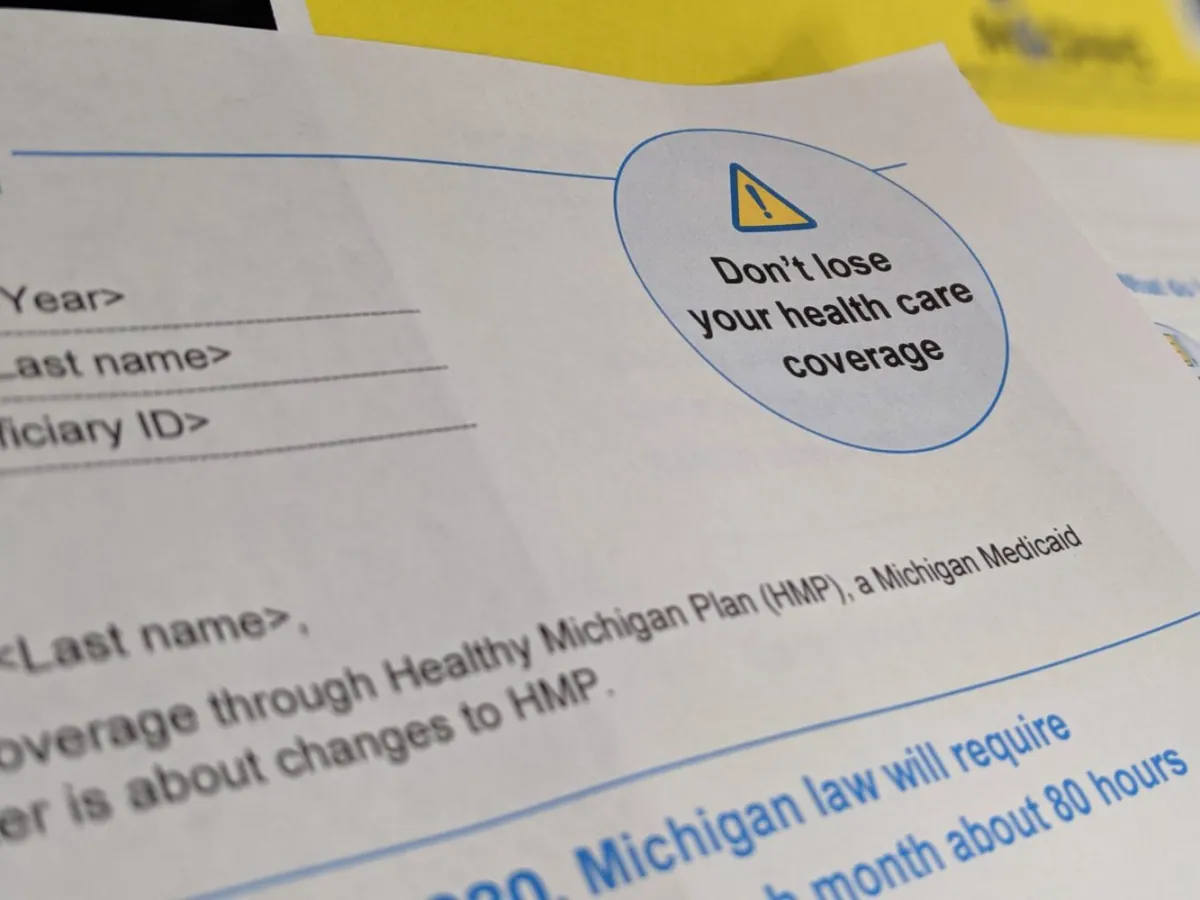
If your Extra Help ended and your income is still limited, checking MSP eligibility is one of the fastest ways to potentially get that subsidy back on track.
If you miss the deadline
It happens. A letter gets buried, you’re sick, you’re caregiving, or life is just life.
If you missed a redetermination deadline or you just realized your Extra Help ended because you didn’t respond, call Social Security right away. Ask what you can do next and whether you can still submit the information. The notice you received is important here because it explains your options and timelines for requesting a review.
My practical tip still stands: keep your own paper trail. Write down the date you called, who you spoke with, and what they told you.
If you disagree
If Social Security ends your Extra Help and you believe they made a mistake, act quickly. Notices typically include instructions and deadlines for how to ask for a review or appeal. Missing the deadline can make it much harder to fix.
Before you call, pull together:
- The notice you received (date and reason)
- Recent pay stubs, benefit letters, or pension statements if income is the issue
- Recent bank statements and investment statements if resources are the issue
- Documentation showing a change, like a job loss or a spouse’s death, if that applies
My practical tip: keep copies of what you send, and write down the date you called, who you spoke with, and what they told you. Bureaucracy is way easier to handle when you keep your own paper trail.
Quick checklist
- Open it immediately and look for deadlines.
- Respond completely. Partial information can delay or disrupt benefits.
- Keep copies of everything you send and any confirmation numbers.
- Watch your pharmacy receipts for sudden copay changes.
- If Extra Help ends, check MSP eligibility through your state.

FAQ
Will Social Security always mail me a form during redetermination?
Not always. Sometimes the review is handled through data matches. Other times you’ll get a form or letter asking for updated information. If you get a request, respond by the deadline.
If my Extra Help changes, does my Part D plan change automatically?
No. Extra Help is a subsidy applied to your Part D coverage. Your plan stays the same unless you change it during an enrollment period or you qualify for a special enrollment period. What changes is what you pay for that plan and at the pharmacy.
Why did my copay jump even though I still have Extra Help?
Common reasons include a plan formulary or tier change, your plan deductible applying, or the pharmacy processing updated eligibility. If you recently got a redetermination notice, confirm with Social Security that your Extra Help is still active. Your plan can also tell you what your copay should be under your current subsidy status.
Can Medicare Savings Program approval bring Extra Help back?
Often, yes. MSP status can make you automatically eligible for Extra Help again without filing a new Social Security Extra Help application. Keep your MSP approval notice and follow up if your plan’s system doesn’t reflect the subsidy after you’re approved.
Bottom line
Extra Help redetermination is a standard review, but it can have very real consequences for your monthly premium and what you pay at the pharmacy. If you get a notice, respond quickly, keep documentation, and watch for cost changes. And if your Extra Help ends, don’t stop at “well, I guess that’s it.” Medicare Savings Program eligibility through your state can be a powerful way to restart Extra Help without starting over with a brand-new Social Security application.