
If you are on Original Medicare and you are wondering why your dental cleaning, new glasses, or hearing aids are still coming out of pocket, you are not alone. This is one of those “wait, seriously?” money moments that catches people off guard, especially if you are trying to plan a predictable monthly budget.
Here is the clear answer: Original Medicare, meaning Part A and Part B, generally does not cover routine dental, routine vision, or routine hearing care. The few times it does pay are narrow exceptions tied to a covered medical condition, injury, or surgery.
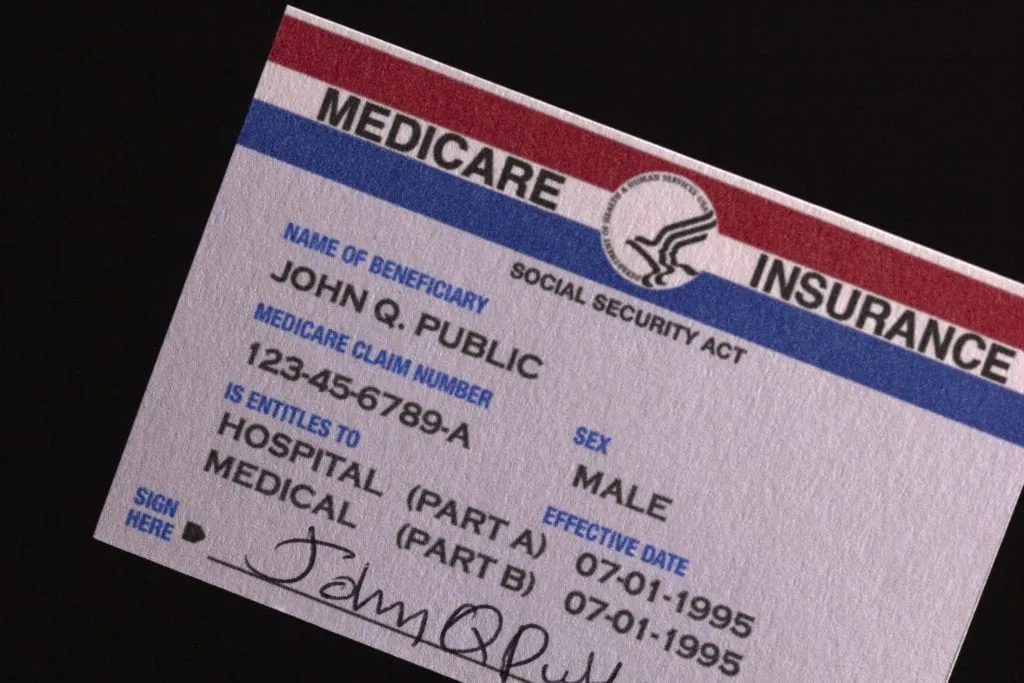
The big picture
Original Medicare is mainly designed to cover hospital and medical care.
- Part A is hospital insurance. Think inpatient hospital stays, skilled nursing facility care in specific situations, hospice, and some home health care.
- Part B is medical insurance. Think doctor visits, outpatient care, preventive services (like certain screenings), lab tests, durable medical equipment, and medically necessary services.
Dental, vision, and hearing are treated differently because Medicare generally views most of that care as routine, even though it is absolutely important for quality of life.
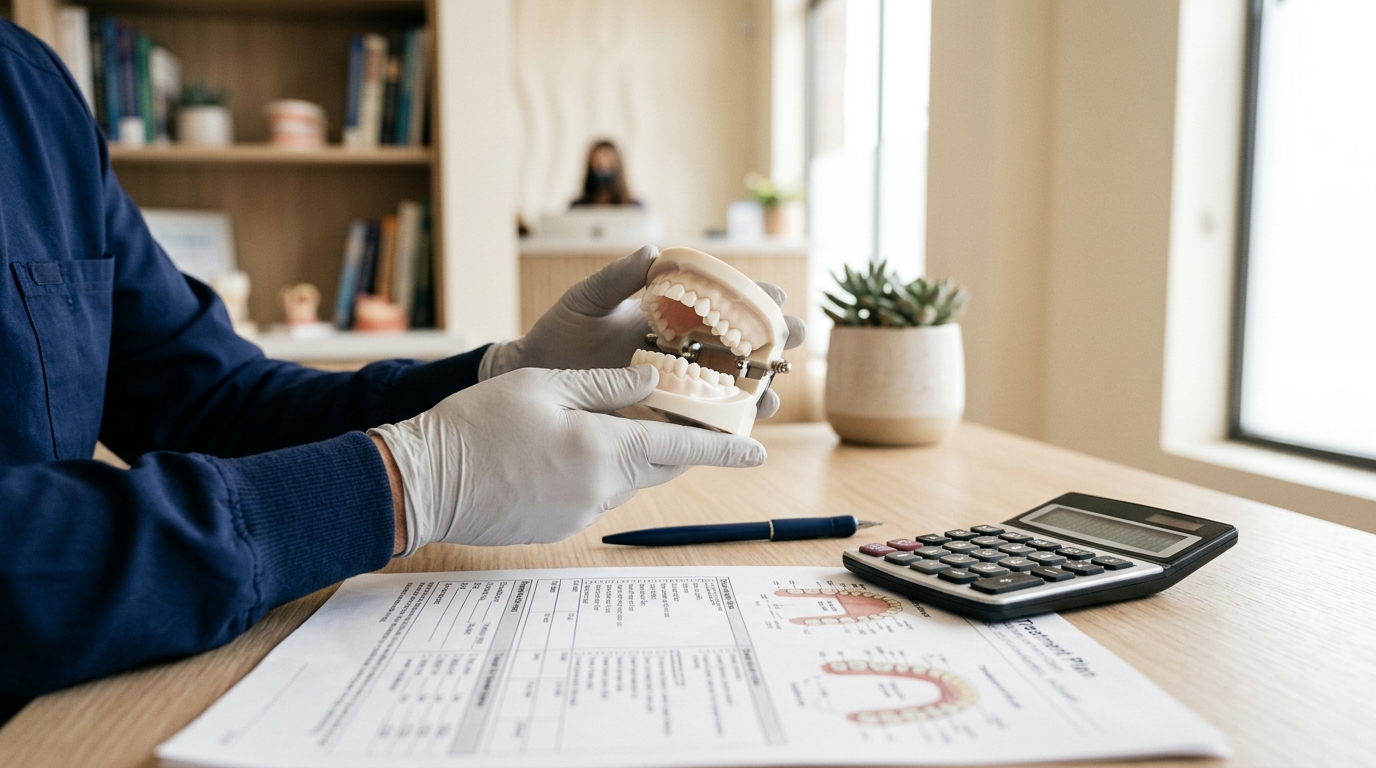
Dental
What Original Medicare does not cover
In general, Original Medicare does not pay for routine dental care, including:
- Cleanings
- Exams
- Fillings
- Most tooth extractions
- Root canals
- Dental crowns
- Dentures
- Most dental implants and related work
If your visit is “I am here for my checkup” or “I need a crown,” you should expect to pay out of pocket unless you have other coverage.
The narrow exceptions
There are limited situations where Medicare can cover dental-related services when they are integral to another covered medical service (not simply helpful or recommended).
A crucial clarification: the setting alone does not make it covered. Having dental work done in a hospital or before a major medical procedure does not automatically mean Medicare will pay. Coverage is very fact-specific.
Examples that may be covered depending on the circumstances and setting include:
- Services connected to jaw reconstruction after an accident or injury
- Certain oral exams performed as part of a covered procedure (for example, when the dental service is incident to, and required for, the medical treatment Medicare is covering)
- In some cases, inpatient hospital services where dental care is necessary to manage a covered medical problem during a covered stay (coverage is still limited)
The key phrase to listen for is not “dental.” It is medically necessary and directly connected to a covered procedure. If the dental service is the main point of the visit, Original Medicare usually will not cover it.
Vision
What Original Medicare does not cover
Original Medicare does not cover routine eye exams for things like updating a glasses prescription or contact lenses. It also generally does not pay for:
- Eyeglasses
- Contact lenses
- Refraction tests done just to update a prescription
- Routine fitting or adjustments
When Medicare may cover eye care
Original Medicare can cover medically necessary eye care. That usually means you are being evaluated or treated for a disease, injury, or a specific risk factor.
Common examples where Part B may help include:
- Cataract surgery and, after cataract surgery with an intraocular lens, Medicare typically helps cover one pair of eyeglasses or one set of contact lenses after each covered cataract surgery, when you use a Medicare approved supplier and meet Medicare rules
- Diagnosis and treatment for eye diseases or injuries (for example, glaucoma management, macular degeneration care, or eye infections when medically necessary)
- Some screenings for people at higher risk, such as certain glaucoma screenings
If the appointment is about a medical condition, you are usually in “Part B territory.” If it is about updating glasses, you are usually paying out of pocket.
Hearing
What Original Medicare does not cover
Original Medicare generally does not cover routine hearing exams, and it does not cover:
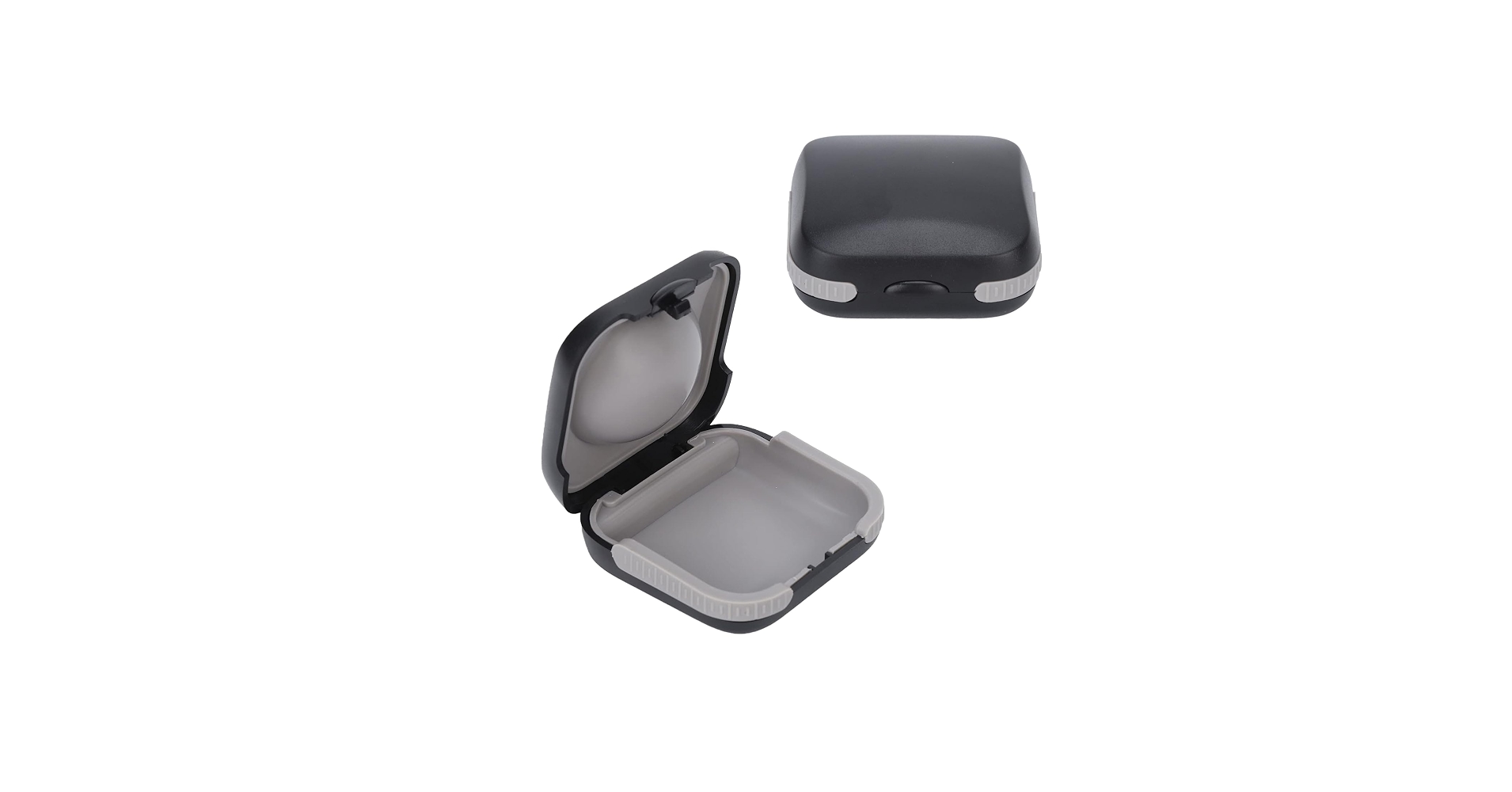
- Hearing aids
- Fittings and adjustments for hearing aids
- Most routine hearing evaluations
This is the one that tends to cause the biggest budgeting shock, because hearing aids can be expensive and often need replacement over time.
When Medicare may cover hearing-related services
Medicare may cover diagnostic hearing and balance exams if your doctor or other qualified provider orders them to investigate a medical problem. For example, if you have symptoms that suggest an underlying condition, a diagnostic test may be covered under Part B rules.
But even when Medicare covers a diagnostic exam, that does not automatically mean it will cover hearing aids. In most cases, it will not.
Where people get coverage instead
In real life, when someone says, “I want Medicare dental, vision, and hearing,” they are usually talking about coverage that is not part of Original Medicare.
Here are the most common places that help can come from:
- Medicare Advantage (Part C): Many plans include extra benefits that can include some dental, vision, and hearing coverage. Coverage varies widely by plan, network, and county, so the details matter. These benefits can also come with annual dollar caps, limited provider networks, and limits on major services.
- Medigap (Medicare Supplement) plans: Medigap typically helps pay some of Original Medicare’s out of pocket costs (like deductibles and coinsurance). It usually does not add routine dental, vision, or hearing coverage, although some insurers may bundle separate perks that are not part of Medicare itself.
- Stand-alone dental or vision insurance: Some people buy separate policies for dental and vision, especially if they prefer to keep Original Medicare for medical coverage.
- Discount programs: Not insurance, but some programs offer negotiated prices for dental or vision services.
- Employer or retiree benefits: Some retirees keep dental and vision through a former employer plan.
- Medicaid: In some cases, dual-eligible individuals (Medicare and Medicaid) may get additional help. Adult dental, vision, and hearing benefits vary a lot by state, and some states are limited.
I will keep this simple: if dental, glasses, and hearing aids are a top priority in your budget, it is worth confirming exactly where that coverage would come from, because Original Medicare usually is not it.
Budgeting for what Medicare will not pay
When I was digging out of debt, the biggest wins came from planning for predictable expenses before they became emergencies. Dental and vision costs can sneak up the same way, especially if you assume “health insurance equals coverage.”
A simple approach
- Price out your likely needs for the year: cleanings, a prescription update, a hearing evaluation, or potential hearing aids.
- Create a sinking fund: set aside a monthly amount in a savings account earmarked for dental, vision, and hearing.
- Ask providers for cash prices: many offices can tell you self-pay costs upfront.
- Request a pre-service estimate: especially for major dental work or anything involving surgery.
Also, remember that when something is covered under Part B, you are typically looking at the Part B deductible (if you have not met it yet) and then coinsurance, often 20% of the Medicare approved amount, unless you have other coverage that helps.
Even if you later choose coverage that includes these benefits, having a small cushion can keep you from putting a surprise bill on a high-interest credit card.
Quick yes or no
Does Medicare Part A cover dental, vision, or hearing?
Usually no. Part A is mainly inpatient and hospital-based. Dental, vision, and hearing are typically not covered unless they are tied to a covered hospital stay or procedure in a very specific way.
Does Medicare Part B cover dental cleanings?
No. Routine dental care is not covered under Part B.
Does Medicare pay for eyeglasses?
Not for routine vision needs. Medicare may help with corrective lenses in limited situations after cataract surgery that involves an intraocular lens, under Medicare rules.
Does Medicare cover hearing aids?
No. Original Medicare generally does not cover hearing aids or fittings, even if it may cover certain diagnostic hearing exams ordered by a provider for a medical reason.
Before you schedule
If you are unsure whether something might qualify as medically necessary and therefore covered, do this before you commit to the cost:
- Ask the provider’s office what billing codes they plan to use, and whether they expect Medicare to cover any portion.
- Ask if the service is considered routine or diagnostic and what makes it medically necessary under Medicare rules.
- Confirm where the service will be performed (doctor’s office vs outpatient hospital department) because location can affect cost-sharing.
- Call 1-800-MEDICARE or check Medicare.gov to verify coverage rules for your specific service.
This is not about being difficult. It is about protecting your budget. A 10-minute phone call can save you from a several-hundred-dollar surprise.
Bottom line
If you are on Original Medicare, plan as if routine dental, vision, and hearing costs are on you. Part A and Part B generally do not pay for cleanings, routine eye exams, eyeglasses, routine hearing tests, or hearing aids. Medicare can help in narrow cases when the service is medically necessary and tied to a covered illness, injury, or procedure, but those are the exceptions, not the rule.
Once you know that, you can make a calmer, more intentional plan, whether that means budgeting for these expenses directly or looking into other coverage options that specifically include these extra benefits.
FAQ
If my dentist says something is medically necessary, will Medicare cover it?
Not automatically. Medicare coverage depends on Medicare rules, not just medical necessity in a general sense. Many dental procedures can be medically important but still not covered because they are considered routine dental care under Original Medicare.
Will Original Medicare ever cover a dental extraction?
Usually no for routine extractions. Coverage is more likely when the dental service is closely connected to a covered medical procedure or injury, and even then it is case-specific.
If I need hearing aids, what is the most common way people get coverage?
Original Medicare generally will not cover them. People often look to Medicare Advantage extra benefits, other insurance, or dedicated budgeting and discount options to manage the cost.