
If you have Medicare and your doctor mentions Ozempic, Wegovy, Mounjaro, Zepbound, or another GLP-1 medication, the next question is usually a money question: Will Part D actually cover this, or are you about to get hit with a pharmacy price that makes your stomach drop?
I have been there with “surprise” prescriptions before. Different drug, same feeling. And with GLP-1s, the answer isn’t one clean yes or no. It depends on what the drug is approved to treat, what your doctor is prescribing it for, and how your Part D plan writes its formulary rules.
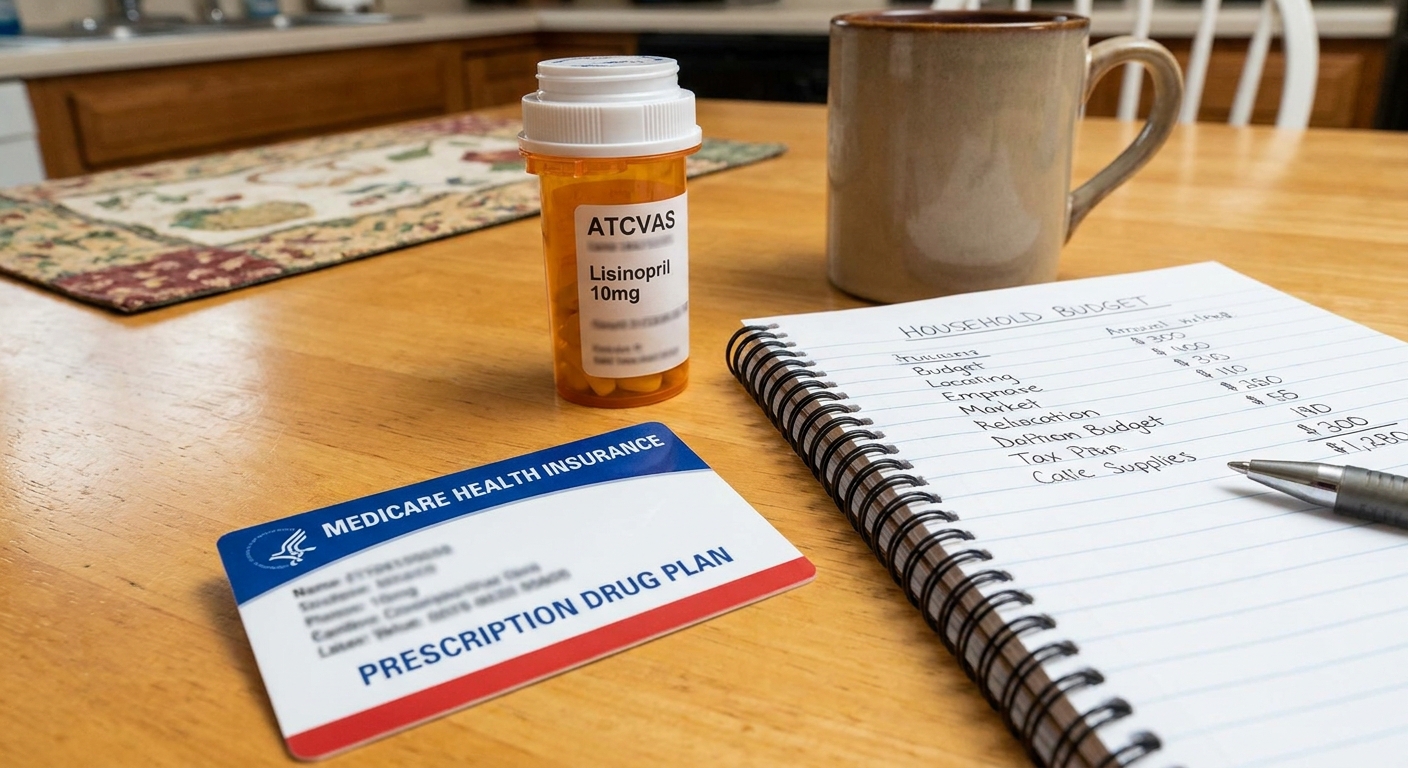
The quick rule
In general:
- GLP-1 drugs prescribed for type 2 diabetes are commonly covered under Medicare Part D, as long as your plan includes that specific medication on its formulary.
- GLP-1 drugs prescribed solely for weight loss are generally not covered by Medicare Part D because Medicare has a statutory exclusion for drugs used for weight loss.
This is why you will see a split where one brand name is more likely to be covered than another, even when the medications are closely related.
Why Wegovy and Zepbound are often not covered
Medicare Part D has statutory exclusions for certain categories of drugs. One of those categories is weight loss.
So if a medication’s FDA-approved use is chronic weight management, Part D generally cannot cover it when it’s being used for weight loss, even when the same active ingredient exists in a different product approved for diabetes.
In plain English: the indication matters, not just the ingredient.
Common examples
- Ozempic (semaglutide): FDA-approved for type 2 diabetes. Part D coverage is common (plan-dependent).
- Wegovy (semaglutide): FDA-approved for chronic weight management. Part D coverage is usually not available when used for weight loss.
- Mounjaro (tirzepatide): FDA-approved for type 2 diabetes. Part D coverage is common (plan-dependent).
- Zepbound (tirzepatide): FDA-approved for chronic weight management. Part D coverage is usually not available when used for weight loss.
Even though these pairs share the same underlying ingredient, Medicare coverage tends to follow the FDA-labeled indication and Medicare’s coverage rules.
When coverage may still be possible
Here’s the nuance most people miss: some GLP-1 medications have FDA-approved uses that are not “weight loss,” even if weight loss is a major effect. When that happens, Part D coverage can become possible for that specific covered indication, depending on your plan’s rules and how it applies CMS guidance.
1) Heart risk reduction
One concrete example people ask about is Wegovy. Its labeling includes a cardiovascular risk reduction indication for certain adults with established cardiovascular disease and obesity or overweight. That is not the same thing as “weight loss,” but it is closely tied to obesity care, so coverage is not uniform.
What to do: ask your prescriber exactly which FDA-approved indication they are prescribing for, then ask your plan how it treats that indication for that exact product and dose.
2) Sleep apnea
Another real-world example is Zepbound, which has an FDA-approved indication for obstructive sleep apnea in certain adults with obesity. In situations like that, the question becomes whether your plan covers the drug for that non-weight-loss indication and what restrictions apply.
Important: even when coverage is possible, it is often not “automatic.” You should assume you may need extra paperwork, not a quick yes at the register.
Coverage is not automatic
Even when a GLP-1 is covered, Part D plans often wrap it in guardrails. The big three you will see:
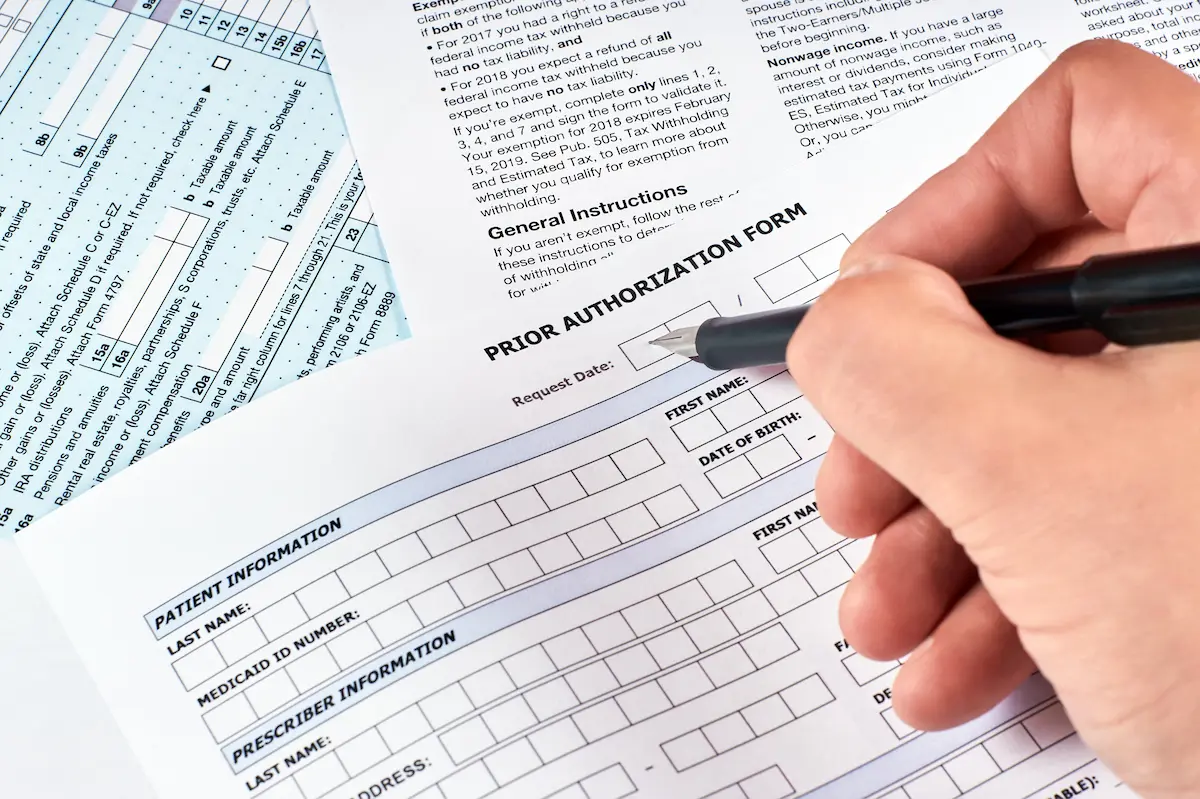
Prior authorization (PA)
This means your plan wants documentation before it will pay. For GLP-1s, PA often asks for things like:
- A confirmed diagnosis (for example, type 2 diabetes)
- Recent A1C or other labs
- Your medication history
- Why a different drug won’t work
Step therapy
Step therapy means the plan expects you to try lower-cost or preferred treatments first, then “step up” if needed. For diabetes, that might mean trying other medications before a GLP-1 is approved.
Quantity limits
Plans can limit how much you can fill within a certain time period, even for covered drugs.
If your prescription gets denied, you can appeal. A good first move is to ask your doctor’s office if they will submit a PA or initiate an appeal. Many clinics handle these requests every day.
How to check your Part D coverage
Because coverage is plan-specific, I like a simple three-step check before anyone counts on a price:
- Look up the drug in your plan’s formulary and check the tier and any restrictions (PA, step therapy, quantity limits).
- Confirm the indication being used. Ask your prescriber: “What diagnosis is this being prescribed for?” and “Is this on-label or off-label?”
- Call your plan and ask about coverage rules for that indication and that exact product and dose (brand and dose matter). If your plan rep mentions a specific identifier like an NDC, write it down.
One more detail that saves time: Part D coverage is generally tied to a medically accepted indication. That usually means FDA-approved use, and sometimes includes certain off-label uses if they are supported by recognized drug compendia. Translation: the “diagnosis on paper” matters, but off-label prescribing can still run into coverage walls.
One more tip from the budget side: if you are considering switching Part D plans during open enrollment, compare total annual cost, not just the monthly premium. A higher premium plan can be cheaper overall if it places your medication on a lower tier or has better cost-sharing.
What about Medicare Advantage plans?
If you have a Medicare Advantage plan that includes drug coverage (often called MAPD), the drug coverage still follows Part D rules. So the same big picture applies:
- Diabetes-related GLP-1 coverage is often possible, plan-dependent.
- Weight loss-only coverage is generally not available under Part D rules.
- Utilization management like prior authorization is common.
One point that can reduce confusion: your plan can have separate rules for medical benefits (Part C side) versus pharmacy benefits (Part D side). A drug being medically appropriate does not automatically mean it is covered at the pharmacy.
The out-of-pocket cap and GLP-1 costs
If a GLP-1 is covered under your Part D plan, the big money question becomes your yearly out-of-pocket exposure.
Thanks to recent changes, Part D now includes a hard annual out-of-pocket cap. In 2025, that cap is $2,000, and it can change in later years. Once you reach the cap for covered Part D drugs and eligible out-of-pocket costs, you should not keep paying out of pocket for covered Part D drugs for the rest of the year as long as you follow plan rules and use a network pharmacy.
Two caveats
- The cap applies to covered Part D drugs. If a drug is excluded (like many weight loss-only GLP-1s), the cap does not help because the plan is not paying in the first place.
- What counts toward the cap has rules. Not every kind of payment always counts the same way, and your plan’s prior authorization or step therapy requirements still determine whether the drug is considered covered for you.
For budgeting, this cap is still a big deal if you are on high-cost, covered medications. It turns an open-ended expense into a worst-case yearly number you can plan around.
If your GLP-1 isn’t covered
If your Part D plan won’t cover your medication, you still have options to explore with your doctor and plan:
- Ask about a covered alternative for your condition (sometimes a different drug in the same class is on-formulary).
- Request a formulary exception if your prescriber believes the non-covered drug is medically necessary and your situation fits the exception rules.
- Appeal a denial if coverage was denied due to paperwork, missing documentation, or step therapy rules.
- Compare plans during open enrollment if your current plan’s formulary is a poor fit for your medications.
And if the medication is excluded because it’s considered a weight loss drug, talk with your doctor about whether you have another covered indication that is clinically appropriate. Do not try to “game” the system. Plans can audit, and inaccurate diagnosis coding can create headaches for you and your provider.
FAQ
Does Medicare Part D cover Ozempic?
Often, yes, when it’s prescribed for type 2 diabetes and your plan includes it on the formulary. Coverage frequently involves prior authorization and may require step therapy.
Does Medicare Part D cover Wegovy?
Usually no when it’s being used for weight loss, because Medicare Part D generally cannot cover drugs used for weight loss. Coverage may be different when a plan treats Wegovy as being prescribed for its cardiovascular risk reduction indication, but that is plan-specific and not something you should assume.
Does the out-of-pocket cap mean GLP-1s will be affordable?
It can limit your annual spending if the drug is covered under Part D for you and your costs count toward the cap. If the drug is excluded or not covered for you due to plan rules, the cap does not apply.
Can my plan cover a GLP-1 for weight loss if my doctor prescribes it?
In most cases, no. Part D generally cannot cover medications when they are used solely for weight management due to Medicare’s statutory exclusion. Your doctor can still prescribe it, but you may be paying out of pocket unless you have other coverage.
The bottom line
Medicare Part D is much more likely to cover GLP-1 drugs when they are prescribed for type 2 diabetes and meet your plan’s rules. It is far less likely to cover GLP-1 drugs prescribed solely for weight loss because weight loss drugs are generally excluded under Part D.
If your GLP-1 is covered, the annual out-of-pocket cap can put a firm ceiling on your spending for covered prescriptions, which makes budgeting less stressful. Your best move is to check the plan formulary, confirm the indication, and be ready for prior authorization or step therapy.